Are These Viral Home Tips Wasting Your Money?

Not every tip online saves money. Here’s what homeowners should know. 

How many changes around your house have you made in the name of saving energy or cutting down on waste? Scroll through TikTok, Instagram, Pinterest, YouTube, or Facebook, and you’ll find an endless stream of “lifehacks” promising to shrink your bills, streamline your routine, and make your home run like a well-oiled machine. Some of them genuinely help. Others… not so much. And a surprising number land somewhere in that murky middle ground where they sound smart but don’t quite deliver.

With Earth Day around the corner, many homeowners are looking for simple ways to reduce waste and lower energy use at home. It’s a great goal, but not every tip circulating online actually delivers on that promise. 

From baking eggshells in the oven to reviving the backyard clothesline, homeowners are experimenting with all kinds of ideas to keep more money in their pockets and reduce waste. It’s an understandable goal. But here’s the catch: not every hack works the way it claims to. In fact, some can quietly cost you more time, more energy, and more wear on your appliances.

That gap between expectation and reality is bigger than most people realize. In a survey of 2,000 adults, over half said they’d tried a social media hack, but 21 percent found those tricks didn’t live up to the promise. Even more telling, nearly 80 percent admitted viral hacks aren’t always as effective as they first appear. The most commonly tested tips? Cooking shortcuts, DIY fixes, kitchen cleaning tricks, and ways to save money around the house. In other words, the exact areas where a little misinformation can go a long way.


The challenge is that not all “energy-saving” habits actually reduce your environmental impact. Some increase water usage, some strain your appliances, and others simply don’t work at all. Over time, that can lead to more waste, not less.  Let’s take a closer look at a few popular home “hacks” that might be doing more harm than good.

Running a spin-only cycle before using the dryer
At first glance, this one seems clever. Spin your clothes again to remove extra moisture, then shorten dryer time. In reality, most modern washers are already optimized to extract as much water as possible during their final spin. Running an extra cycle adds time, uses more electricity, and increases wear on your washer without delivering much of a payoff. Instead of saving energy, you may just be stretching out your laundry routine for marginal gains.

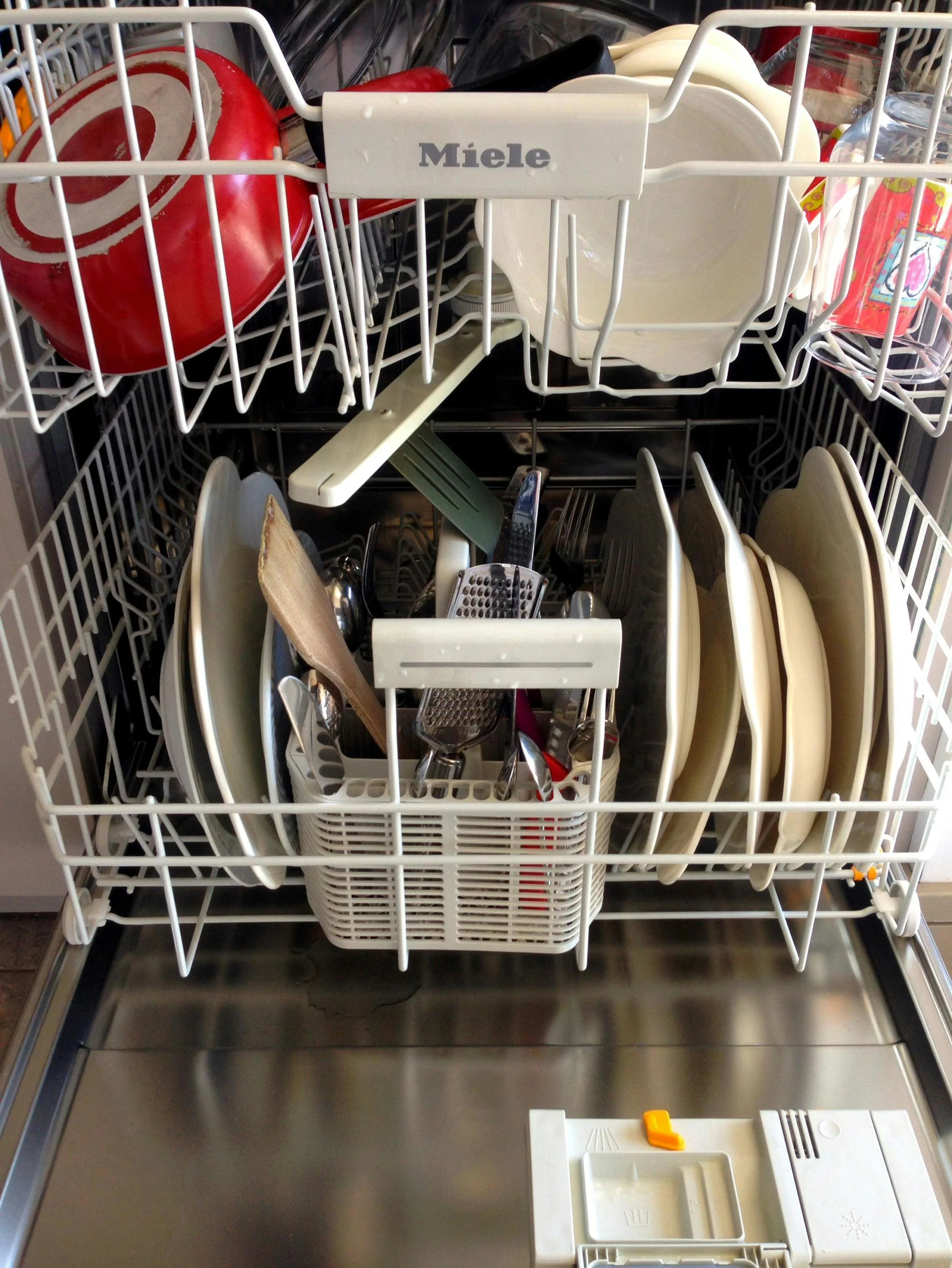
Cooking in your dishwasher
Yes, this is a real trend. And while it might earn points for creativity, it raises more than a few eyebrows when it comes to food safety. Dishwashers aren’t designed for consistent, food-safe cooking temperatures, and the detergent environment alone makes this a questionable choice. Even if it “works,” it’s not exactly a reliable or efficient way to prepare a meal. Some hacks are better left as internet curiosities than real-life habits.
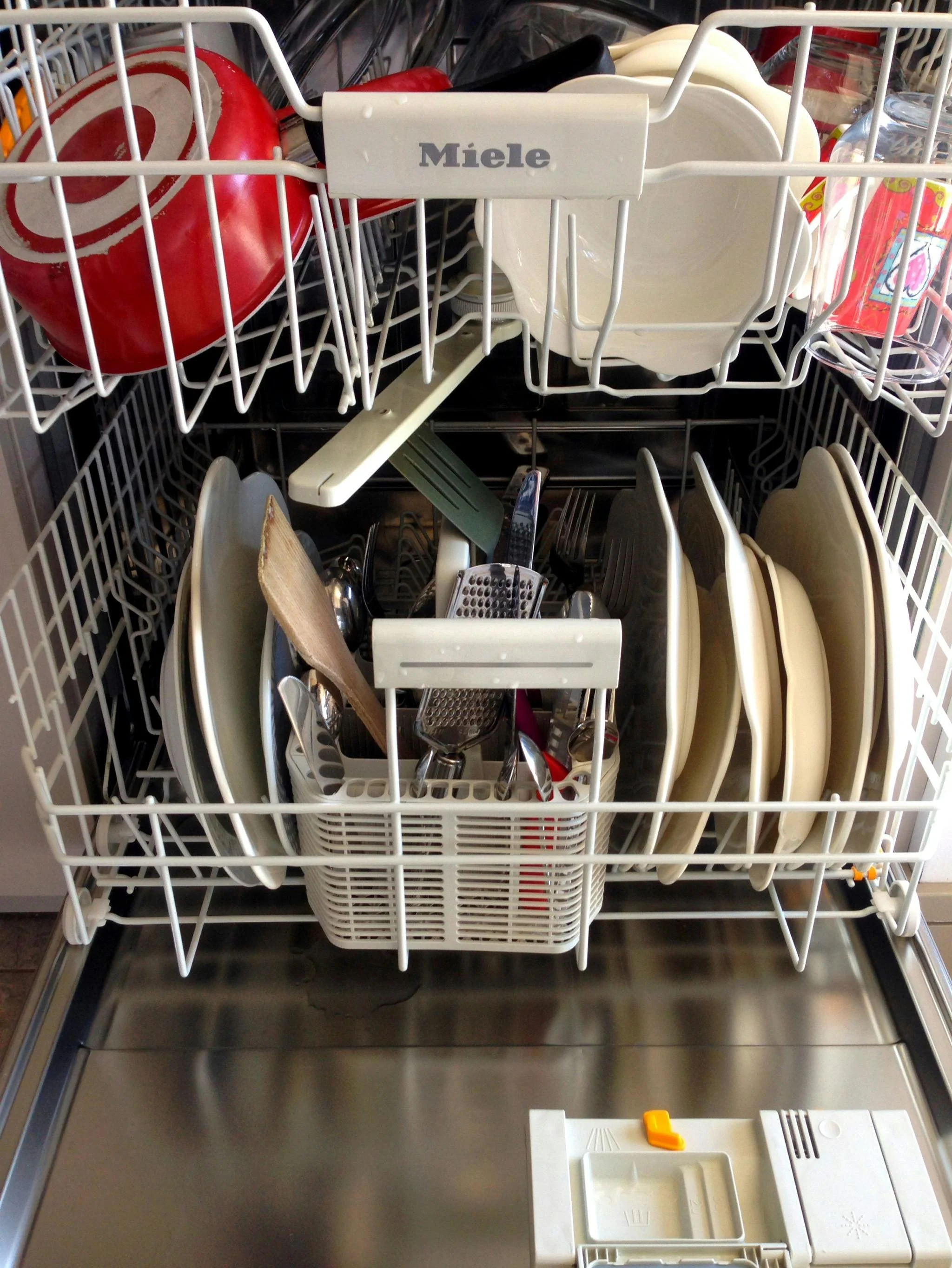
Courtesy of Devlishly Good

Running your washer or dishwasher at maximum capacity
This one feels logical: fewer loads should mean less water and energy, right? Not quite. Both washers and dishwashers rely on space to circulate water and detergent effectively. When they’re packed too tightly, items don’t get properly cleaned, which often leads to re-running the cycle. That second run cancels out any savings and adds extra strain to your appliance. A full load is good. An overstuffed one is a different story entirely.

When appliances aren’t used correctly, they often need to work harder or run multiple cycles, which quietly increases both energy use and household waste. 
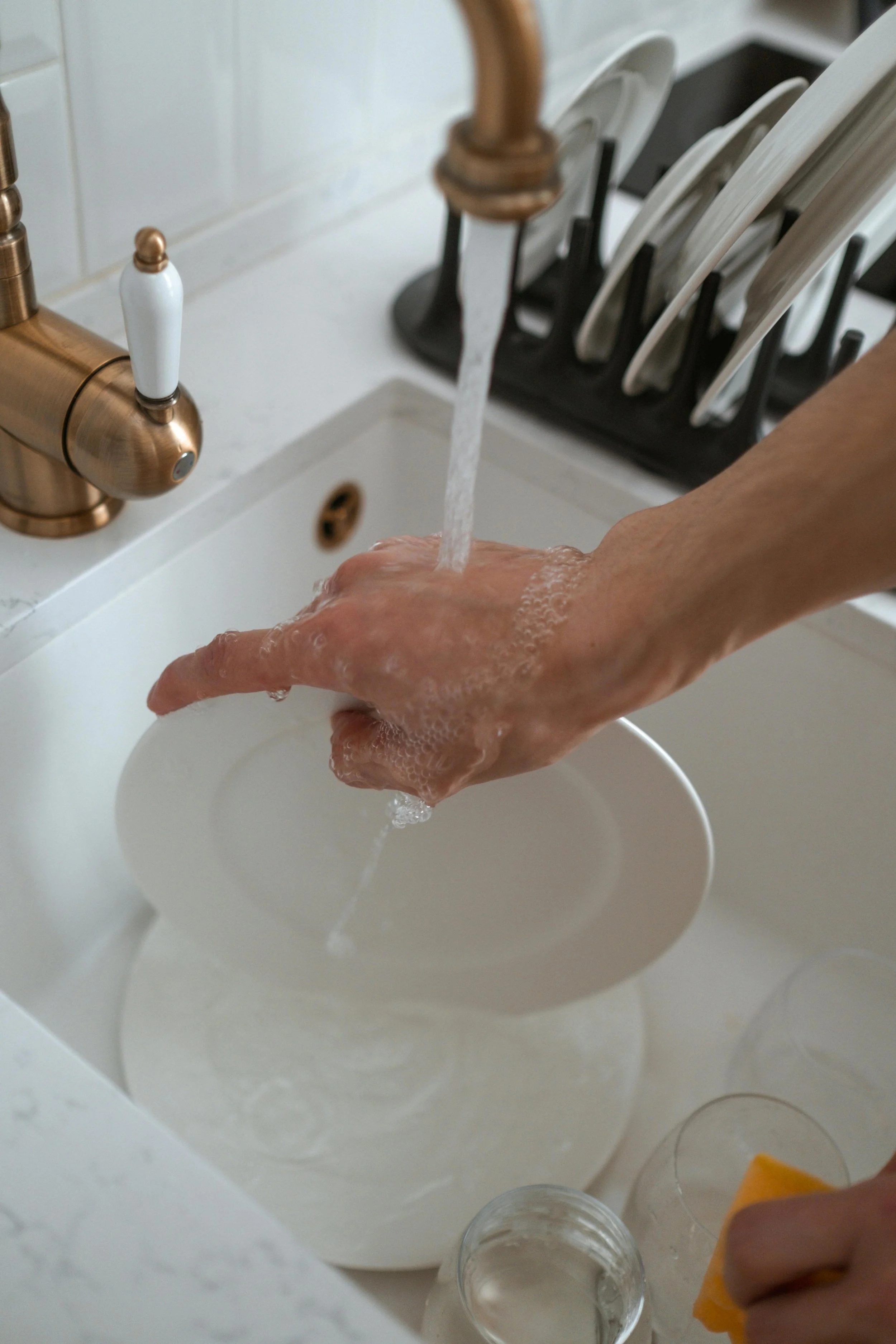
Person handwashing dishes in a kitchen sink

Courtesy of Cottonbro

Handwashing dishes to save water (and pre-rinsing for the dishwasher)
This myth has been around for years, but modern appliances have changed the game. Today’s dishwashers are designed to be highly water-efficient, often using less water than handwashing a full sink of dishes. And pre-rinsing? In most cases, it’s unnecessary. Dishwashers are built to handle food residue, and pre-rinsing just sends perfectly usable water down the drain. Ironically, trying to “help” your dishwasher can make the process less efficient overall.

Using appliances less to make them last longer
It sounds like common sense: less use equals less wear and tear. But appliances aren’t museum pieces, they’re built to be used. In fact, regular use helps keep internal components functioning properly. Take your dishwasher, for example. Its seals are designed to stay flexible in a moist environment. When it sits unused for long periods, those seals can dry out, crack, and eventually fail. Instead of extending the life of your appliance, avoiding it can lead to repairs sooner than expected.

Energy-saving boxes
If a small plug-in device promises to cut your energy bill by 20 to 35 percent, it’s worth a second look, and not in a good way. These so-called “energy-saving boxes” claim to stabilize voltage and optimize appliance performance, but there’s no credible evidence they actually reduce energy usage. What’s more concerning is the safety risk. Investigations have found that many of these devices fail basic electrical safety standards, making them potential fire and shock hazards. In short, they don’t just fail to save energy, they can actively put your home at risk.
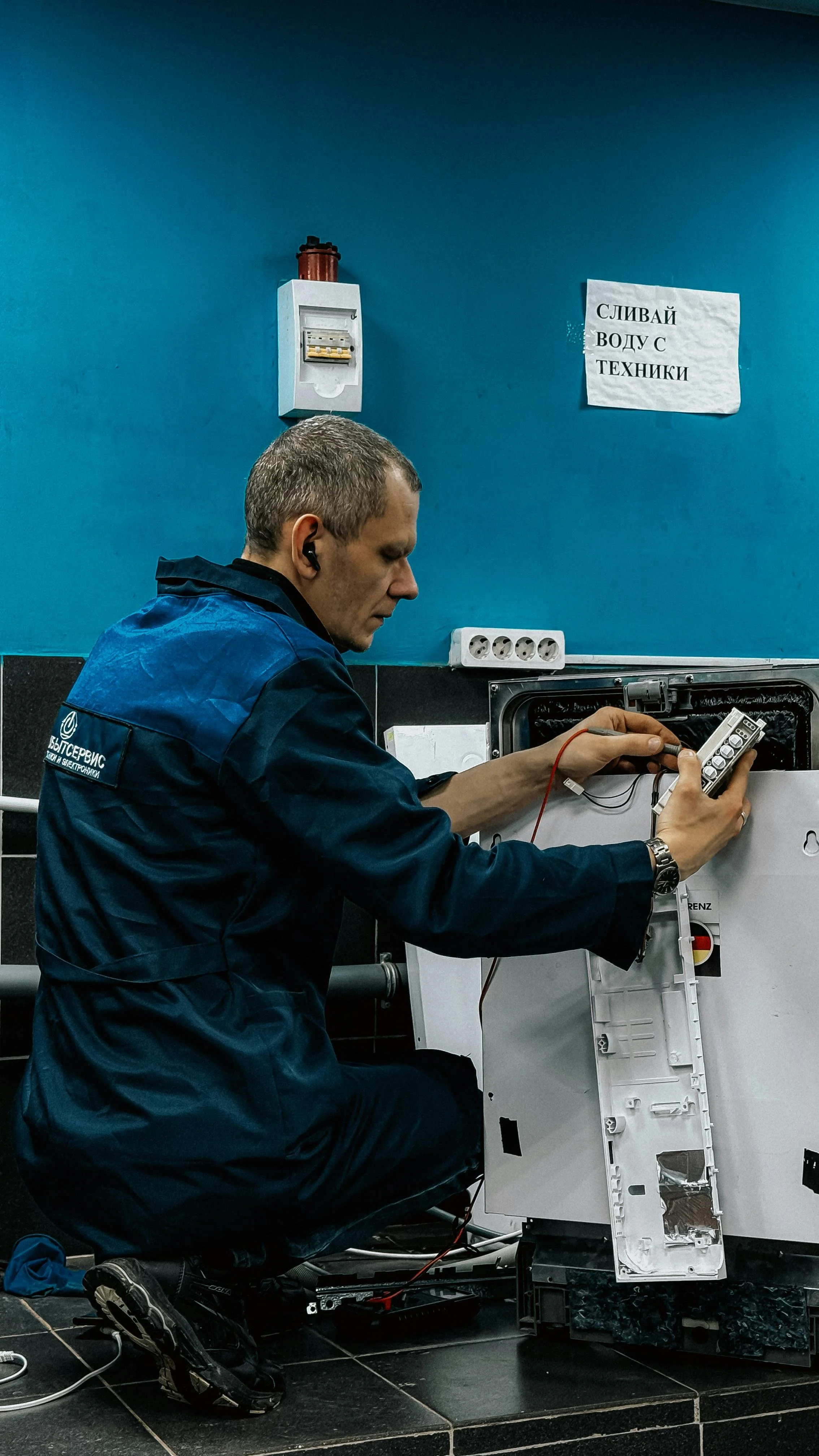


Courtesy of bulat843

Trying to run a more efficient home is a smart goal. But the path to getting there isn’t paved with viral shortcuts. It’s built on using your appliances the way they were designed, maintaining them properly, and knowing which “hacks” to ignore.

While not every tip online holds up, one thing is consistent: when your appliances are working efficiently and used the way they’re designed to, they use less energy and last longer.

This Earth Day, it’s worth remembering that every repair helps extend the life of your appliances and keeps unnecessary waste out of landfills. Small decisions at home can add up to a meaningful impact over time.

If your appliances are acting up, running longer than usual, or not performing the way they should, it may be time to take a closer look. Reach out today, and a trained technician can help get everything back on track—so your home runs efficiently, and a little lighter on the planet.


Website

Call: (214) 599-0055


Are Pet Washers and Dryers Worth It? What Homeowners Need to Know

Courtesy of Geralt

A practical guide to pet hair, performance, and real-world results.

What Are “Pet” Washers & Dryers?

At first glance, pet-specific laundry appliances sound like a niche invention for a very modern problem: homes filled with shedding, slobbering, deeply beloved chaos.

Brands like Maytag, Speed Queen, and Samsung market these machines as specialized tools designed to tackle pet hair, dander, and odor at a level standard machines supposedly can’t reach.

What makes them “pet” machines isn’t a single breakthrough feature. Instead, it’s a bundle of familiar technologies, repackaged with a pet-focused spin:

  • Enhanced filtration systems to trap hair before it recirculates

  • Specialized wash cycles that use more water, agitation, or heat

  • Sanitize or steam functions to break down oils and odors

  • Dryer cycles designed to loosen and capture hair in lint traps

In other words, these machines don’t reinvent laundry. They optimize it for fur.


Who Are They For?

These appliances are aimed squarely at:

  • Multi-pet households

  • Owners of heavy-shedding breeds

  • Homes washing pet bedding, blankets, and towels frequently

  • Anyone tired of pulling “clean” clothes out still wearing a layer of fur

They’re also marketed toward convenience-driven homeowners who want a more automated solution rather than adding extra steps to their routine.

But there’s a subtle divide in the audience:

  • Buyers seeking simplicity → “Give me a machine that handles it”

  • Experienced owners → “I already have a system that works”

That tension shows up clearly in real-world feedback.


When Did This Become a Trend?

Pet-focused laundry features are relatively new, gaining traction in the early 2020s as appliance brands began carving out lifestyle-specific niches.

Instead of competing only on capacity or efficiency, manufacturers started designing around use cases:

  • Pet owners

  • Allergy-sensitive households

  • Smart-home users

The rise of pet ownership, especially post-2020, accelerated this shift. More pets in homes meant more hair in fabrics… and a new marketing opportunity.


Where Do These Machines Actually Differ?

This is where things get interesting.

On paper, pet washers and dryers look distinct. In practice, the differences are often incremental rather than revolutionary.

Example: Maytag Pet Pro System

  • Built-in Pet Pro filter for visible hair removal

  • Pet Pro cycle to lift and capture hair

  • Optional sanitize cycles

But your research highlights a critical real-world issue:

  • Some users report difficult-to-access internal filters, requiring partial disassembly to clean

That’s not a small inconvenience. With pet hair, filters don’t stay clean for long.


Example: Speed Queen Pet Plus

  • Pet-specific dryer cycles that remove hair before washing

  • Steam sanitize and anti-static features

  • Strong durability reputation and long warranty

Notably, the washer details are harder to verify, which raises a flag. When information is thin or inconsistent, it often means the “pet” branding leans more on marketing than engineering transparency.


Example: Samsung Pet Care Washer

  • Dual pet hair filters

  • High-agitation wash cycles

  • Smart features and automation

Yet, reviews suggest a gap between promise and performance, with some users reporting:

  • Clothes not coming out as clean without using heavier settings


Why Do Pet Features Work (and Sometimes Don’t)?

Here’s the core truth hiding beneath all the branding:

Pet hair sticks because of oils, static, and fabric structure, not just because it’s physically present.

To remove it effectively, machines need to:

  • Break down oils (heat, steam, sanitize cycles)

  • Agitate fabrics enough to release trapped hair

  • Flush hair out with sufficient water

  • Capture it before it redeposits

Most “pet” features are simply combinations of these fundamentals.

And here’s the catch:

👉 Standard machines already do these things
…just not always automatically, and not always optimized.


So… Are They Worth It?

This is where your research earns its keep.

Across product listings, reviews, and technician insights, a pattern emerges:

  • The technology is real, but not exclusive

  • The performance gains are often situational

  • The maintenance requirements can actually increase

Meanwhile, practical strategies consistently deliver results:

  • Pre-removing hair (vacuuming, brushing, lint rolling)

  • Washing pet items separately

  • Using proper load sizes and water levels

  • Running extra rinse or spin cycles

  • Keeping filters clean and accessible

In some cases, these habits outperform the premium features entirely.


The Bottom Line

Pet washers and dryers aren’t a gimmick. But they’re not magic either.

They take existing laundry mechanics and tune them toward a specific problem. For some households, that convenience is worth the price.

For others, especially those willing to adjust their routine, the same results can often be achieved with:

  • A well-maintained standard machine

  • A few extra minutes of prep

  • And a better understanding of how laundry actually works

Because at the end of the day, no machine eliminates pet hair completely.

That’s just the cost of living with something that sheds… and is absolutely worth it.


And regardless of which machine is in your laundry room, one thing stays true:

Pet hair, dander, and debris don’t just cling to your clothes. They build up inside your appliance over time.

Routine maintenance and timely repairs aren’t just about performance. They’re about extending the life of the machine you already rely on.


Website

Call: 214-599-0055

Courtesy of Sami TÜRK.


The Strategic Homeowner’s Guide to Refurbishing Instead of Replacing

A practical guide to making your home feel new again—without tearing it apart.

There’s a quiet truth that reveals itself over time in and around homes: the house is almost never the problem. It’s the rush. The rush to tear out. The rush to replace. The rush to “fix” something before understanding why it feels off in the first place.

Most homes don’t need dramatic renovations. They need patience. They need observation. And more often than not, they need small, thoughtful refinements that respect how the space actually functions. Given enough time and attention, a house will make its needs clear.

The Philosophy — Listen, Observe, Delay

Before any tools come out, time in the space matters. Not a weekend. Not a quick walkthrough. Weeks, sometimes months. Watch how light moves across the floor in the morning. Notice which rooms people naturally gather in—and which ones they quietly avoid. Pay attention to hesitation points, tight transitions, and areas where movement doesn’t feel natural. That hesitation is useful information.

Too many homeowners skip this step and move straight to demolition. Kitchens are redesigned before they’re fully used. Walls come down without understanding traffic flow. Thousands are invested into “fixes” that don’t address the underlying issue. A home isn’t static—it’s experienced.

The most effective improvements come from lived patterns: where people walk, where light feels inviting or harsh, which spaces are underused, and why. Delaying decisions long enough to understand those patterns prevents wasted money and leads to changes that actually improve the home.

The Top 10 Refinements That Make a Real Difference

These aren’t dramatic renovations. They’re targeted upgrades that change how a home feels without tearing it apart.

Cabinet pulls and knobs are small details with immediate impact. Replacing dated hardware with a clean, modern option can transform a kitchen or bathroom in under two hours, often for $20 to $200. Matching existing hole spacing keeps the process simple and efficient.

Lighting shapes how every room is experienced. In many cases, fixtures don’t need to be replaced—just updated. Older ceiling fans and fixtures can often be refinished with paint or stain to better align with the room’s tone and balance throughout the day.

If flooring feels off, replacement isn’t always the first move. A well-placed rug can define space, add warmth, and conceal wear while allowing time to make a more informed long-term decision. With minimal effort and a modest budget, the feel of a room can shift significantly.

Surface damage on furniture—scratches, water rings, and scuffs—is rarely a reason for replacement. Most issues can be corrected or minimized with simple techniques such as heat treatment, wood markers, or protective liners. Extending the life of existing pieces avoids unnecessary expense.

A dripping faucet or running toilet is more than an annoyance—it’s a source of ongoing waste. In many cases, the fix is straightforward: replacing a washer, adjusting a flapper, or clearing buildup. These small repairs can be completed in a short amount of time while reducing utility costs.

Before replacing cabinets, it’s worth evaluating whether the issue is functionality rather than structure. Upgrading hinges, replacing drawer slides, or making minor repairs can restore usability and extend lifespan without the disruption of a full replacement.

Exterior surfaces often suffer from gradual buildup that dulls a home’s appearance. Cleaning siding, decks, and driveways—whether by hose or pressure washer—can dramatically improve curb appeal in a single afternoon.

Window film offers a practical solution for privacy, glare, or an undesirable view. It softens incoming light and enhances visual comfort without requiring permanent changes or construction.

Bathtubs that appear worn or outdated don’t always need replacement. Reglazing can restore finish, color, and surface integrity at a fraction of the cost, providing a clean, updated look without major disruption.

Carpets that appear beyond saving are often recoverable. Deep cleaning, patching, or dye correction can restore appearance and extend usability. In many cases, what looks worn is simply years of embedded dirt.

When NOT to Refurbish

Not everything should be saved, and knowing when to stop is just as important as knowing what to fix.

Start by determining whether the item can realistically be repaired. Severe structural damage, rot, or pest-related deterioration typically signals replacement.

Next, consider whether there’s a clear path to repair. If reliable methods, tools, or professional solutions aren’t available, the process becomes guesswork—and guesswork leads to unnecessary cost.

It’s also important to recognize when a project requires a professional. Electrical work, structural changes, and complex plumbing should not be approached as trial-and-error tasks.

Finally, evaluate the numbers. Compare the cost of repair, the expected lifespan after the repair, and the cost of replacement. If a repair approaches replacement cost while offering limited longevity, it’s not a sound investment.


A well-managed home isn’t defined by how often things are replaced, but by how carefully decisions are made. Thoughtful homeowners take the time to understand how their space functions before committing to major changes. Small, well-executed repairs and refinements consistently outperform rushed renovations in both cost and long-term satisfaction. And when those repairs go beyond a simple DIY fix—whether it’s a leaking refrigerator, a failing heating component, or something that needs a trained hand—having a trusted service partner matters. The goal isn’t just to improve your home, but to maintain it intelligently, with the right expertise applied at the right time.

Appliance Recall Awareness: The Overlooked Risk in Modern Homes

A practical guide to understanding recalls, spotting risks, and keeping your home safe

]

There’s a quiet assumption humming in the background of every home. You plug something in, press a button, and trust it to behave. Your dishwasher won’t spark. Your oven won’t betray you. Your washing machine won’t suddenly decide it’s an extreme sport.

Most of the time, that trust holds.

But sometimes, a flaw slips through. And when it does, it doesn’t send a polite warning. It shows up as a recall.

What Is an Appliance Recall? (A Quick Reality Check)

If you’ve been following along this month, you already know the basics. So let’s keep this sharp.

An appliance recall happens when a manufacturer or a government agency identifies a safety issue in a product that’s already in people’s homes. That issue could be faulty wiring, overheating components, gas leaks, or mechanical failures that create a risk of injury or property damage.

In the U.S., recalls are coordinated through the U.S. Consumer Product Safety Commission. Once a risk is confirmed, a recall is issued, and the manufacturer is required to offer a remedy, usually a repair, replacement, or refund.

Here’s the key shift most homeowners never make: a recall isn’t the beginning of a problem. It’s the moment the problem finally becomes visible.

By the time a recall is announced, something has already gone wrong somewhere. The system is working to catch it and correct it.

The Hidden Reality: Why So Many Recalls Go Unnoticed

Appliance recalls aren’t rare events. They happen constantly. Yet millions of recalled appliances are still quietly operating in homes across the country.

Damaged appliance cord showing a potential electrical safety hazard

Courtesy of Deeana Arts

Some estimates suggest that 20–25% of homes contain at least one recalled appliance. Not because homeowners don’t care, but because they never knew.

Recalls are surprisingly easy to miss. The appliance may never have been registered. The original owner may have moved away. The recall itself might not have been issued until years after the appliance was purchased. Sometimes, the notice simply never reaches the right person.

In many cases, recall systems track the buyer, not the appliance. And appliances tend to outlive ownership. That disconnect is where problems quietly settle in.

It creates a situation that feels almost like “Appliance Roulette.” Everything looks normal. Everything works. Until one day, it doesn’t.

Certain appliances show up on recall lists more often than others. Cooking appliances like stoves and ovens carry obvious fire and gas risks. Refrigerators can develop electrical or overheating issues. Dishwashers and washing machines often appear due to wiring or mechanical failures. Even microwaves, despite their simplicity, can develop internal hazards over time.

These aren’t rarely used machines. They’re the everyday backbone of your home.


What Should Homeowners Do in the Event of a Recall?

If you find out that one of your appliances has been recalled, the most important thing is to respond quickly and calmly.

Start by understanding the severity of the recall. Some issues are precautionary, while others involve immediate safety risks. If there’s any chance of fire, electrical shock, or injury, it’s best to stop using the appliance right away.

From there, follow the manufacturer’s instructions carefully. Recall notices are designed to walk you through the next steps, whether that means scheduling a free repair, installing a replacement part, or exchanging the unit entirely. In most cases, these fixes are provided at no cost.

It’s also a good idea to keep records of your communications and any service appointments. While it may seem unnecessary, having documentation can make the process smoother if there are delays or questions later.

One thing homeowners should avoid is assuming that a working appliance is a safe appliance. Many recalled units continue functioning normally until the moment they don’t. That’s exactly why recalls exist.

It’s worth noting that recall-related repairs are handled directly by manufacturers or their authorized service providers. This ensures that any fix meets the safety standards required to resolve the issue completely.


How Homeowners Can Stay Aware (Without Overthinking It)

Staying informed about appliance recalls doesn’t require constant attention. It just requires a simple, repeatable habit.

Registering your appliances when you purchase them is one of the easiest and most effective steps you can take. It ensures that if a recall is issued, you’re far more likely to hear about it.

You can also check for recalls directly through trusted sources. The U.S. Consumer Product Safety Commission maintains a searchable database where you can look up products by brand or category. Most manufacturers offer similar tools on their websites, allowing you to search using your appliance’s model number.

For homeowners who prefer a more streamlined approach, third-party services like RecallChek can compare your appliance information against large recall databases, saving time and effort.

Open dishwasher representing a commonly recalled household appliance

Courtesy of Devilishly Good

Keeping your appliance information organized also makes a difference. Having model numbers, serial numbers, and receipts in one place allows you to check quickly and respond faster if needed.

The most effective shift, though, is mental. Don’t wait for a recall to find you. Treat recall checks as part of your normal home maintenance routine. A quick check once or twice a year is often enough to stay ahead of potential issues.


Everyday Safety Still Matters

Even when a recall isn’t involved, appliance safety is something that plays out in small, everyday moments.

Regularly inspecting cords and plugs for wear, avoiding overloaded outlets, and keeping components like dryer vents and refrigerator coils clean can prevent many common issues. These small actions reduce strain on your appliances and lower the risk of overheating or failure.

It’s also important to pay attention to subtle warning signs. Burning smells, unusual noises, or changes in performance often appear before a larger problem develops. Catching those early signals can make the difference between a simple repair and a much bigger issue.

Appliances rarely fail without warning. Most of the time, they give you clues. You just have to notice them.


Final Thoughts: Recalls Aren’t the Enemy

It’s easy to see recalls as something alarming. In reality, they’re a sign that the system is working to identify and correct problems.

The real risk isn’t the recall itself. It’s not knowing your appliance is part of one.

When you stay informed, check periodically, and act when needed, recalls become manageable. Even routine.

And if something in your home isn’t working the way it should, and it’s not related to a recall, Appliance Rescue Service is here to help. ARS focuses on diagnosing and repairing everyday appliance issues caused by normal wear and tear, helping you keep your home running safely and smoothly.

Because a safe home isn’t about eliminating every risk. It’s about staying aware of the ones that matter and taking action when it counts.


Website

Call: (214) 599-0055

Courtesy of Curtis Adams

From Unsafe Products to Modern Appliance Recalls: How Safety Standards Protect Your Home

A clear look at how product safety evolved and what it means for your home today

Why Do Appliance Recalls Exist?

Have you ever questioned why we have recalls for appliances?

For food, it makes sense. You eat something, it makes you sick, or it contains something it shouldn’t. Appliances, though, are tested before you buy them… right?

Well, as you’ve seen if you’ve followed our blog for a while, that’s not always the case. Sometimes defects slip past testing. Other times, products are assembled across multiple factories, with parts sourced globally, and consistency becomes a case-by-case reality.

What’s surprising is that it used to be far worse.

To understand why appliance recalls exist today, we have to go back to a time before recalls existed at all.

Before Recalls: When Products Were Dangerous by Default

It’s easy to assume recalls began with appliances or household goods. They didn’t.

To find their origin, we have to look at something far more dangerous: food and medicine.

Vintage medicine bottles from early 1900s representing unregulated consumer products

Courtesy of cottonbro studio

At the turn of the 20th century, consumer products were largely unregulated. You could buy opium at the corner pharmacy, and you had no real idea what was in your food. Manufacturers sold patent medicines containing narcotics or toxic ingredients without disclosure. Food producers used unsafe preservatives, dyes, and additives.

Public outrage grew after investigative journalists exposed these dangers. That pressure led Congress to pass the Pure Food and Drug Act, which prohibited interstate commerce in adulterated or misbranded foods, drinks, and drugs.

But even then, regulation was reactive.

Tragedy pushed things further. In 1937, a toxic solvent used in a drug called elixir sulfanilamide killed over 100 people, many of them children. In response, Congress passed the Federal Food, Drug, and Cosmetic Act, which required manufacturers to demonstrate drug safety before marketing.

This marked a turning point: regulation began shifting from reacting after harm to trying to prevent it before it happened.

The Build-Up: Laws Without a System

After World War II, the explosion of consumer goods and synthetic chemicals introduced new risks.

Injuries and toxic exposures increased. Once again, the response was legislative.

Congress passed a series of targeted laws:

  • The Flammable Fabrics Act, after severe burn injuries caused by highly flammable clothing

  • The Federal Hazardous Substances Labeling Act, requiring warnings on dangerous household chemicals

  • The Child Protection Act, allowing regulators to ban unsafe toys outright

  • The Poison Prevention Packaging Act, which introduced child-resistant packaging for medicines and chemicals


Once again, these laws weren’t proactive. They were reactions.

Glass bottles moving along a factory production line, representing early industrial manufacturing before modern consumer safety regulations

Courtesy of Keegan Checks

And while they addressed specific problems, they didn’t create a unified system. Responsibility was scattered across multiple agencies, and there was no central authority overseeing consumer product safety as a whole.

A consistent, nationwide recall system wasn’t yet possible.

The Turning Point: The 1970s

The turning point came in the 1970s.

Rising public awareness of safety and environmental risks pushed the federal government to act more aggressively and more cohesively.

First came the Environmental Protection Agency, which consolidated environmental programs and began regulating pollutants and hazardous substances.

Child-resistant medicine bottle cap introduced by safety regulations

Courtesy of Kevin Bidwell

Then came additional laws that expanded oversight of chemicals and waste, including the Toxic Substances Control Act and the Resource Conservation and Recovery Act.

But the biggest shift for consumer products came with the Consumer Product Safety Act.

After decades of fragmented regulation, this law created a centralized authority: the Consumer Product Safety Commission (CPSC).

The CPSC was given the power to:

  • Develop mandatory safety standards

  • Ban particularly hazardous products

  • Conduct research and educate the public

  • Order recalls or repairs of defective products


It also required manufacturers to report product defects and gave regulators the authority to remove dangerous products from the market.

For the first time, there was a system designed not just to react to danger, but to identify and remove it at scale.

Within thirty years of its creation, injury and death rates associated with consumer products declined by 30%.

From Then to Now: A System That Keeps Evolving

The 1970s didn’t solve everything, but they built the foundation.

As global supply chains expanded in the 1980s and 1990s, regulation evolved to address imported goods. The CPSC increased inspections at ports of entry and worked with international regulators to improve safety standards.

By the 2000s, new challenges emerged with globalization and e-commerce. High-profile safety incidents led to stronger laws, including the Consumer Product Safety Improvement Act, which increased testing requirements and tightened limits on hazardous materials like lead.

Modern home appliances representing current product safety standards

Courtesy of Alex Qian

Today, product safety is enforced across the entire supply chain. Manufacturers, importers, distributors, and retailers all share responsibility.

How Appliance Recalls Actually Work

All of this history leads to the system we have today.

At its core, a recall follows a pattern:

Appliance is sold
→ A defect causes harm or risk
→ The issue is reported and investigated
→ The CPSC gathers data and evaluates the hazard
→ A recall is issued
→ Products are repaired, replaced, or removed

It’s a process built from over a century of lessons, many of them learned the hard way.

Why It Matters

History is something we either learn from or repeat.

The modern recall system exists because people were harmed when it didn’t. Every law, every agency, and every standard came from a moment where something went wrong.

That’s why we take it seriously.

At Appliance Rescue Service, we stay on top of recalls, industry changes, and emerging risks so we can help protect our community. If your appliances are acting unusual or not performing the way they should, it’s worth taking a closer look.

Reach out to schedule a maintenance check, and we’ll work with you to find a time that fits your schedule.

Website
Call: (214) 599-0055


Additional Reading

Is your Whirlpool or Kenmore Washing Machine Eligible for a Rebate?

Navigating the Frigidaire Refrigerator Recall

Steps to Take When Your Appliance is Recalled