home improvement

The Strategic Homeowner’s Guide to Refurbishing Instead of Replacing

A practical guide to making your home feel new again—without tearing it apart.

There’s a quiet truth that reveals itself over time in and around homes: the house is almost never the problem. It’s the rush. The rush to tear out. The rush to replace. The rush to “fix” something before understanding why it feels off in the first place.

Most homes don’t need dramatic renovations. They need patience. They need observation. And more often than not, they need small, thoughtful refinements that respect how the space actually functions. Given enough time and attention, a house will make its needs clear.

The Philosophy — Listen, Observe, Delay

Before any tools come out, time in the space matters. Not a weekend. Not a quick walkthrough. Weeks, sometimes months. Watch how light moves across the floor in the morning. Notice which rooms people naturally gather in—and which ones they quietly avoid. Pay attention to hesitation points, tight transitions, and areas where movement doesn’t feel natural. That hesitation is useful information.

Too many homeowners skip this step and move straight to demolition. Kitchens are redesigned before they’re fully used. Walls come down without understanding traffic flow. Thousands are invested into “fixes” that don’t address the underlying issue. A home isn’t static—it’s experienced.

The most effective improvements come from lived patterns: where people walk, where light feels inviting or harsh, which spaces are underused, and why. Delaying decisions long enough to understand those patterns prevents wasted money and leads to changes that actually improve the home.

The Top 10 Refinements That Make a Real Difference

These aren’t dramatic renovations. They’re targeted upgrades that change how a home feels without tearing it apart.

Cabinet pulls and knobs are small details with immediate impact. Replacing dated hardware with a clean, modern option can transform a kitchen or bathroom in under two hours, often for $20 to $200. Matching existing hole spacing keeps the process simple and efficient.

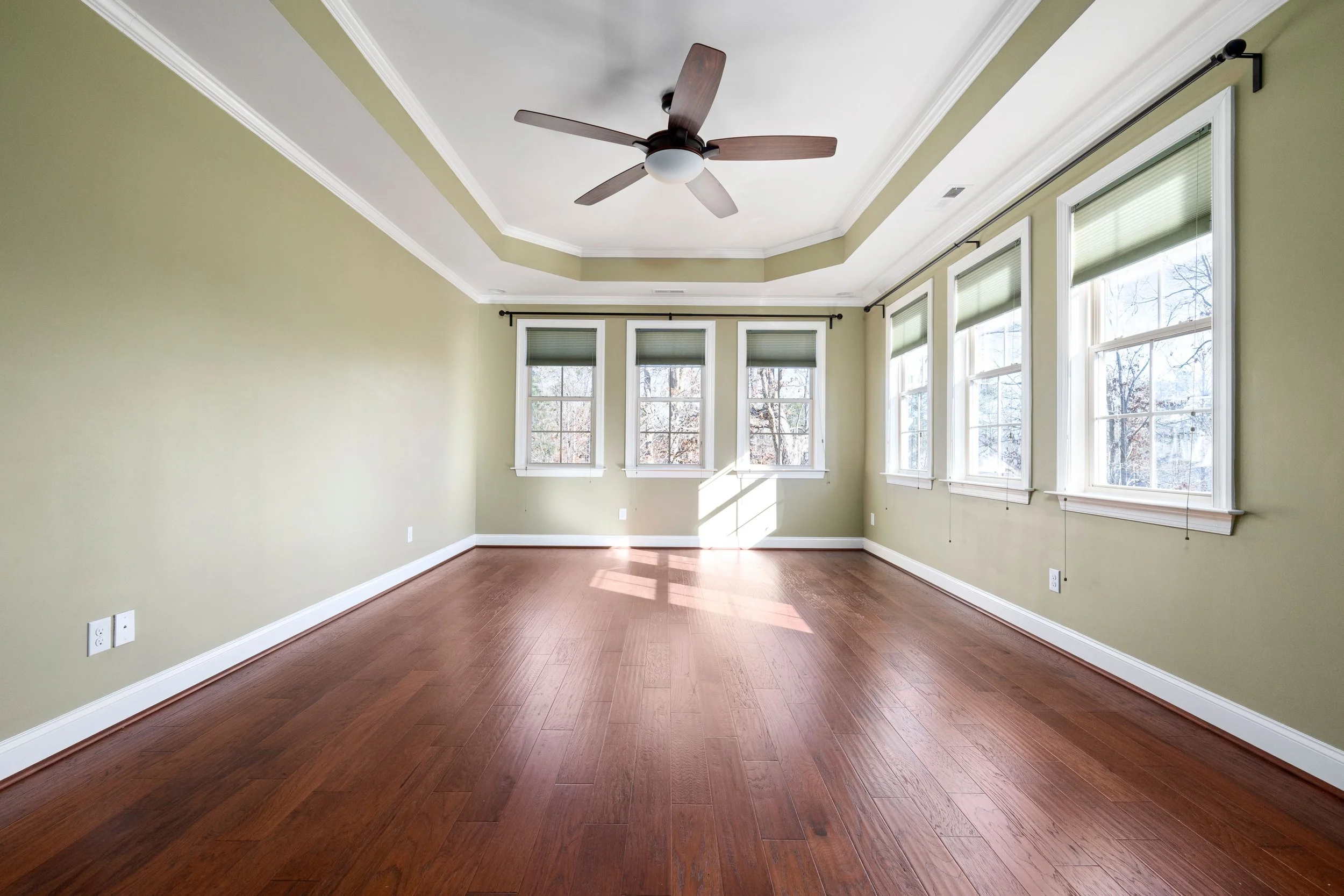
Lighting shapes how every room is experienced. In many cases, fixtures don’t need to be replaced—just updated. Older ceiling fans and fixtures can often be refinished with paint or stain to better align with the room’s tone and balance throughout the day.

If flooring feels off, replacement isn’t always the first move. A well-placed rug can define space, add warmth, and conceal wear while allowing time to make a more informed long-term decision. With minimal effort and a modest budget, the feel of a room can shift significantly.

Surface damage on furniture—scratches, water rings, and scuffs—is rarely a reason for replacement. Most issues can be corrected or minimized with simple techniques such as heat treatment, wood markers, or protective liners. Extending the life of existing pieces avoids unnecessary expense.

A dripping faucet or running toilet is more than an annoyance—it’s a source of ongoing waste. In many cases, the fix is straightforward: replacing a washer, adjusting a flapper, or clearing buildup. These small repairs can be completed in a short amount of time while reducing utility costs.

Before replacing cabinets, it’s worth evaluating whether the issue is functionality rather than structure. Upgrading hinges, replacing drawer slides, or making minor repairs can restore usability and extend lifespan without the disruption of a full replacement.

Exterior surfaces often suffer from gradual buildup that dulls a home’s appearance. Cleaning siding, decks, and driveways—whether by hose or pressure washer—can dramatically improve curb appeal in a single afternoon.

Window film offers a practical solution for privacy, glare, or an undesirable view. It softens incoming light and enhances visual comfort without requiring permanent changes or construction.

Bathtubs that appear worn or outdated don’t always need replacement. Reglazing can restore finish, color, and surface integrity at a fraction of the cost, providing a clean, updated look without major disruption.

Carpets that appear beyond saving are often recoverable. Deep cleaning, patching, or dye correction can restore appearance and extend usability. In many cases, what looks worn is simply years of embedded dirt.

When NOT to Refurbish

Not everything should be saved, and knowing when to stop is just as important as knowing what to fix.

Start by determining whether the item can realistically be repaired. Severe structural damage, rot, or pest-related deterioration typically signals replacement.

Next, consider whether there’s a clear path to repair. If reliable methods, tools, or professional solutions aren’t available, the process becomes guesswork—and guesswork leads to unnecessary cost.

It’s also important to recognize when a project requires a professional. Electrical work, structural changes, and complex plumbing should not be approached as trial-and-error tasks.

Finally, evaluate the numbers. Compare the cost of repair, the expected lifespan after the repair, and the cost of replacement. If a repair approaches replacement cost while offering limited longevity, it’s not a sound investment.


A well-managed home isn’t defined by how often things are replaced, but by how carefully decisions are made. Thoughtful homeowners take the time to understand how their space functions before committing to major changes. Small, well-executed repairs and refinements consistently outperform rushed renovations in both cost and long-term satisfaction. And when those repairs go beyond a simple DIY fix—whether it’s a leaking refrigerator, a failing heating component, or something that needs a trained hand—having a trusted service partner matters. The goal isn’t just to improve your home, but to maintain it intelligently, with the right expertise applied at the right time.

Unlocking Home Harmony: The Role and Benefits of Professional Organizers

How Professional Organizers Can Transform Your Living Spaces

Organized living room showcasing minimalist bookcase and bicycle, demonstrating the benefits of a home organizer's touch.

Ever found yourself staring at a cluttered room, overwhelmed by the thought of organizing it? Enter the Home Organizer—a professional wizard of order and functionality. These experts aren't just tidying up; they're transforming spaces, whether it's a chaotic closet or an entire home in disarray. But how do they work their magic? And more importantly, how can they turn your stress and clutter into serene, organized bliss? Let's delve into the world of Home Organizers and discover how they can bring peace and clarity back into your life.


What is a Home Organizer? 

A professional organizer is someone that is trained to help get the physical spaces in your life organized. This might be a specific room like a craft room or a guest room, or you could hire them to help with your entire home. A professional organizer will talk with you to figure out what you need and what will work with your home and value in order to create a strategy that fits you. You might also see them advertised as clutter coaches or home organizers.


The best home organizers will take into consideration what matters to you, how much space you have, and what will best utilize this space. But I'll also look at how much clutter you have in comparison to the amount of space you have. Their job is to come into your home and get the space that you requested their help for organized in a short period of time. This helps you avoid burnout and decision fatigue, which many of us end up with when trying to organize ourselves.


Is it regulated? Or is it just a thing people do? 


It's a little bit of both. There is the National Association of Professional Organizers. However, you don't have to be certified to become a professional organizer. This means that while the (NAPO) boasts 32 chapters and 4,000 members, that number is most likely much higher than the number of people who actually do the work of a professional organizer.


How does a Home Organizer benefit me? 


Disorganized garage with an overfilled fridge, slumping shelves collapsing under weight, and numerous items in boxes on the ground and shelves.

Do any of the following sound like something you struggle with?
You struggle to keep your home tidy and clean. No matter how much you work at it, you just can’t keep everything organized.

You feel overwhelmed by all of the stuff. Your house would be clean, but there’s just so much to be done! 


You’re busy! You’ve got a career and a family, and keeping the house neat and tidy is just too much to expect on top of it.


You’re moving or remodeling already. In the middle of trying to move houses or doing remodeling work, things go EVERYWHERE, and trying to find or keep track of it all is next to impossible. 


You feel like you can’t get anything done because your life is chaotic and stressful. And because your brain is chaotic and stressful, you can’t get anything done. It’s a vicious cycle that never ceases and it drives you mad. 


You’re tired and need a major change in your home. You’re tired of the clutter and chaos and want to make a clean break. 


You’re going into a new stage of life. Whether that’s moving in with someone, having a new baby, getting married, moving to a new state, or downsizing, life changes are a great time to change up your home. 


If any of these had you nodding along, then a Home Organizer would be of help.  All of these are good examples of times when they can help you get your home back into shape or into shape for the first time in a long while. 


How does a Home Organizer work? 


To start with a Home Organizer will schedule an in-home consultation with you. This way they can see the space you want them to work with and, more importantly, get an idea of what your vision of the space is. They’ll ask you questions about your day to day life, your pain points, the things that frustrat you, and what your core goals are for the space and your home in general. 


From there, they’ll help you figure out how how they can best work with you and your budget. Some home organizers might suggest work on an hourly basis or on a per-project basis. Another option you might discuss is a DIY model. If you can’t quite figure things out but you don’t want someone going through everything for you, this might be for you. Some Home Organizers will offer a roadmap plan that you can implement rather than going through it all with you. 


This is also the stage to discuss what your goals are and what milestones would be for the project. Is this something they think will only take a few hours? A few days? Or will it take more time than that? If so, what can they point to that will help you see the progress? You’ll also want to ask questions about exactly how involved you’ll be in the process. Will it be during the decluttering stage only? Or will they expect you to be there every step of the way? Every Home Organizer will work differently, so it’s an important thing to bring up before you start the work. 


Two women discussing the services of a home organizer, exploring how home organization works and the benefits it provides

Courtesy of Liza Summers

Many Home Organizers mention that their clients are nervous about bringing someone in without having cleaned beforehand. Don’t be. They’ve seen all sorts of homes, from ultra sparse homes with nothing to organize, to hoarders who can’t tell the difference between clutter and sentimental items.  They’re not here to judge you, they’re here to help. That’s part of what you get by enlisting professional help; no more than a doctor would judge you for having a broken bone.


Here’s one thing Home Organizers won’t do, though: Clean your house. That’s just not what they’re there for. They might help with the decluttering process, but that’s about sorting through ‘things I have to keep because they hold sentimental value or use” vs. “I never use this, but I MIGHT, someday” sorts of things. 


If you do opt to look for a Home Organizer, here are the three things that you absolutely want, and three that you need to avoid.  You want to look for someone who has credibility and experience and is able to show it. You also want someone who is able to communicate with you exactly what they see as the starting place and how they’re going to help you. Finally, you want someone who is flexible and puts making you comfortable first. 

These are the three things that you need to avoid, however. You don’t want someone who claims to have a ‘magic’ system. If they’re saying that it’s ‘magic,’ it’s likely they aren’t going to be willing to explain just how that system works. At that point, what good does it do for yo, if you don’t know how that system works?  Next up, avoid anyone who wants to do the work without you being part of the process. It won’t help you to have a system in place if you don’t understand why it is there or how it’s supposed to work. Finally, decluttering is just as important as organizing. If there isn’t any space to organize, how can you organize what you own? All of these are things that you want to avoid when you’re searching for a Home Organizer to help you. 

As you embark on your journey to a more organized and harmonious home, remember that professional guidance can make all the difference. Whether you're tackling a single cluttered space or transforming your entire living environment, a Home Organizer can bring clarity and peace of mind. For more tips and insights, join the conversation on our Facebook page, where we discuss all things related to maintaining and enhancing your home. And if you ever find yourself in need of expert care for your major home appliances, remember that Appliance Rescue Service is here to ensure your home runs smoothly, from organizing solutions to reliable appliance repair and maintenance. We’re here to help you get your home running smoothly again. 


Website
Call ((214) 599-0055)

Additional Reading
Which of These Four Styles is Best For Your Bathroom Renovation?


Kickstarter in the Kitchen