The Fifth Wall: Why Statement Floors and Ceilings Are Transforming Modern Homes

Discover how thoughtful flooring and ceiling choices can add character, warmth, and lasting style without overwhelming your home's design. 

When most of us think about decorating a room, we start with the walls. That's where the paint goes, where the artwork hangs, and where family photos tell our story.
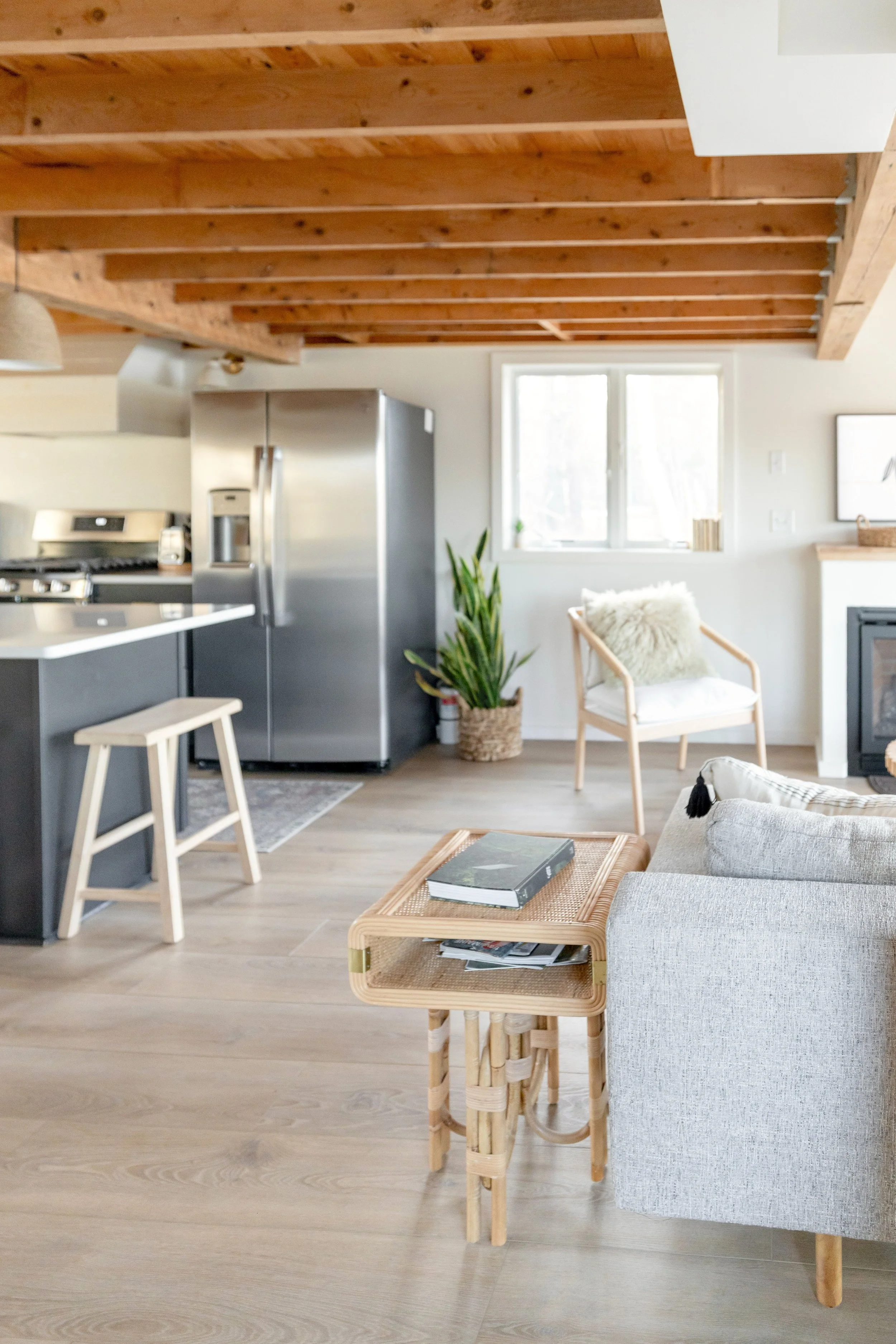
Bright modern living room featuring hardwood floors and decorative ceiling beams

Courtesy of Andrea Davis

But designers have increasingly turned their attention somewhere unexpected: beneath our feet and above our heads.

Floors and ceilings are increasingly being called the "fifth wall," as designers encourage homeowners to think beyond paint colors and furniture. Instead of treating these surfaces as purely functional, many are embracing patterned hardwood, decorative ceiling beams, wallpapered ceilings, bold paint colors, and architectural molding to give rooms more personality.

The appeal isn't simply about following the latest trend. It's about creating a home that feels thoughtfully designed and uniquely yours.

Looking Beyond the Four Walls

Most homeowners want their homes to feel inviting and memorable. At the same time, few people want to invest in a design choice that feels overwhelming or quickly falls out of style.
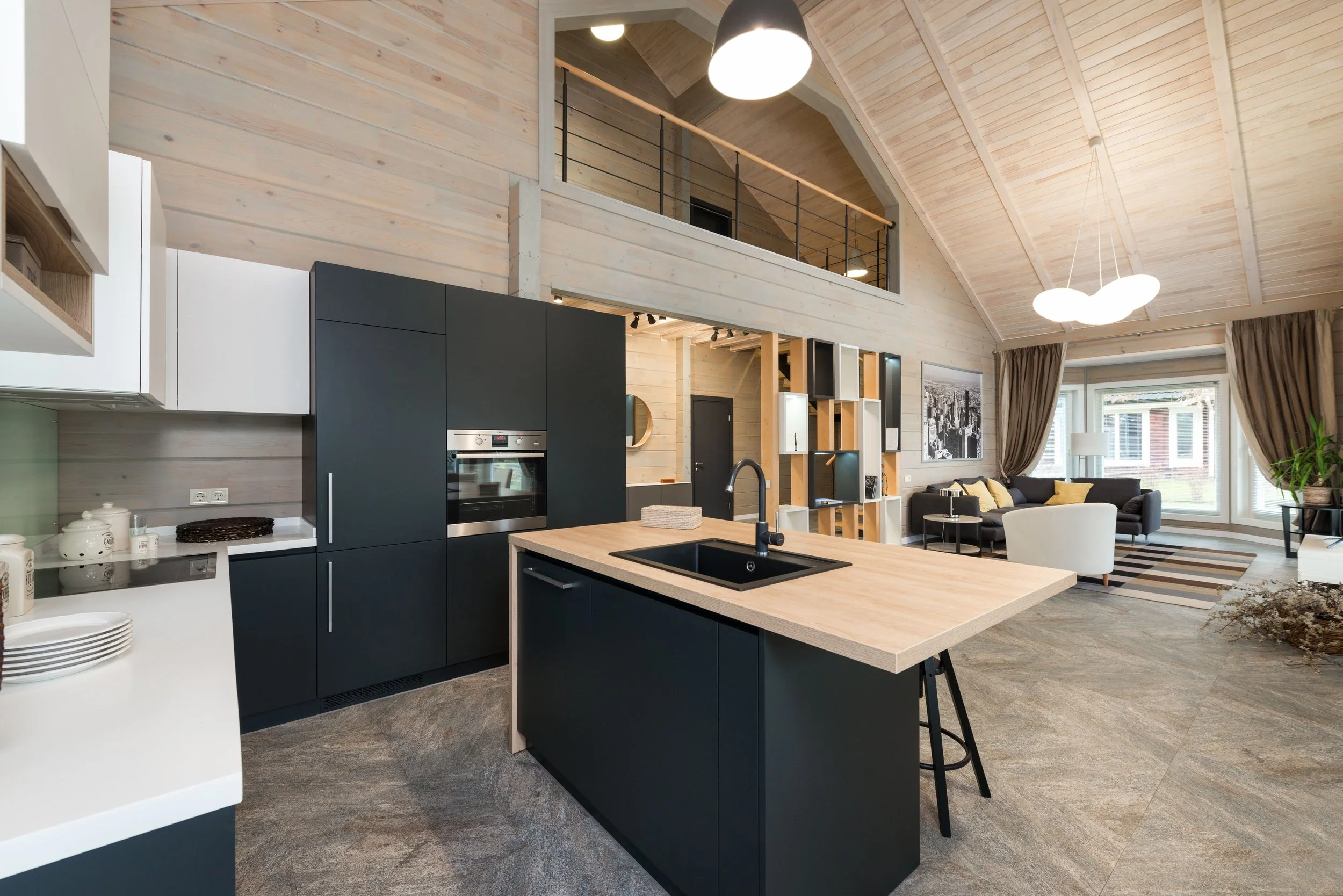
Spacious open-concept home highlighting flooring and ceiling design

Courtesy of Max Vakhtbovych

That's one reason the "fifth wall" movement has gained traction. Instead of filling every room with bold colors and dramatic décor, it encourages homeowners to focus on two of the largest surfaces in the room that often receive the least attention.

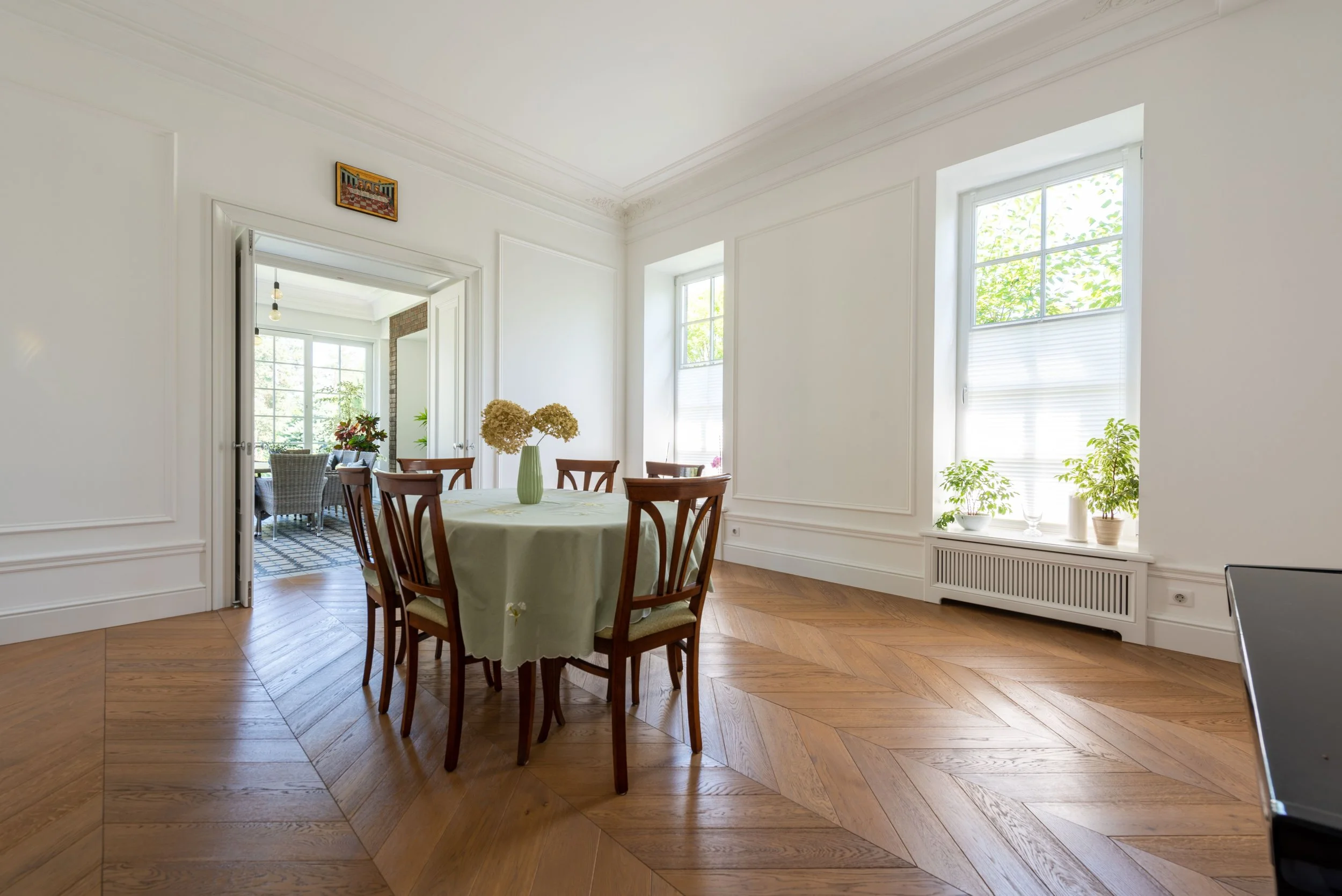
A herringbone hardwood floor can introduce movement without changing the room's color palette. Decorative ceiling beams add warmth, while tray ceilings, wallpaper, or bold paint can turn an overlooked surface into the room's focal point. Rather than competing with every other design element, these features create interest in places homeowners often ignore.

It's less about making a loud statement and more about making an intentional one.

Statement Floors: Building Character from the Ground Up

Flooring has always been expected to work hard. It needs to stand up to daily life, pets, guests, and everything else a busy household throws at it.

But today's designers are also asking it to do something else: tell part of the home's story.

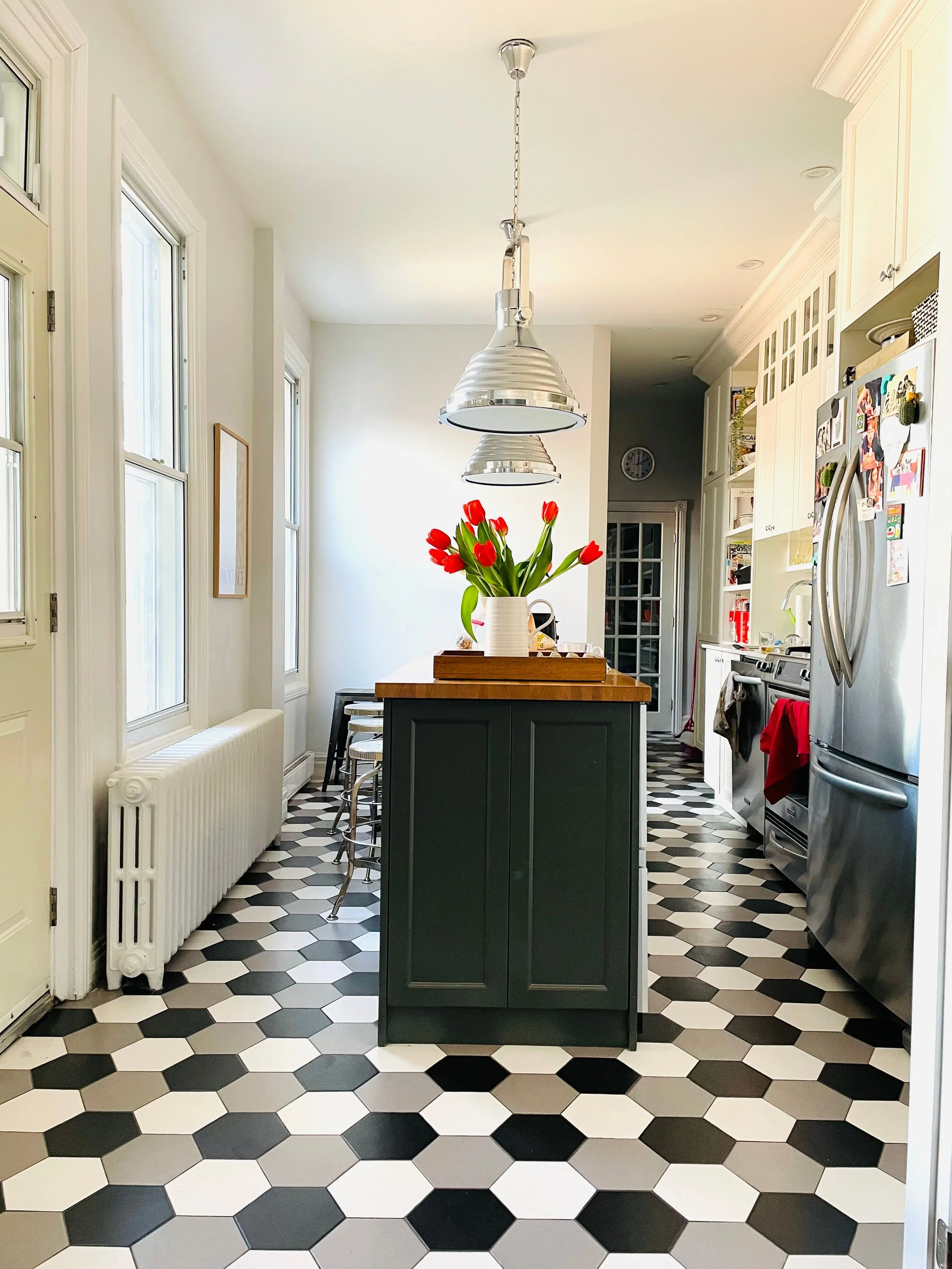
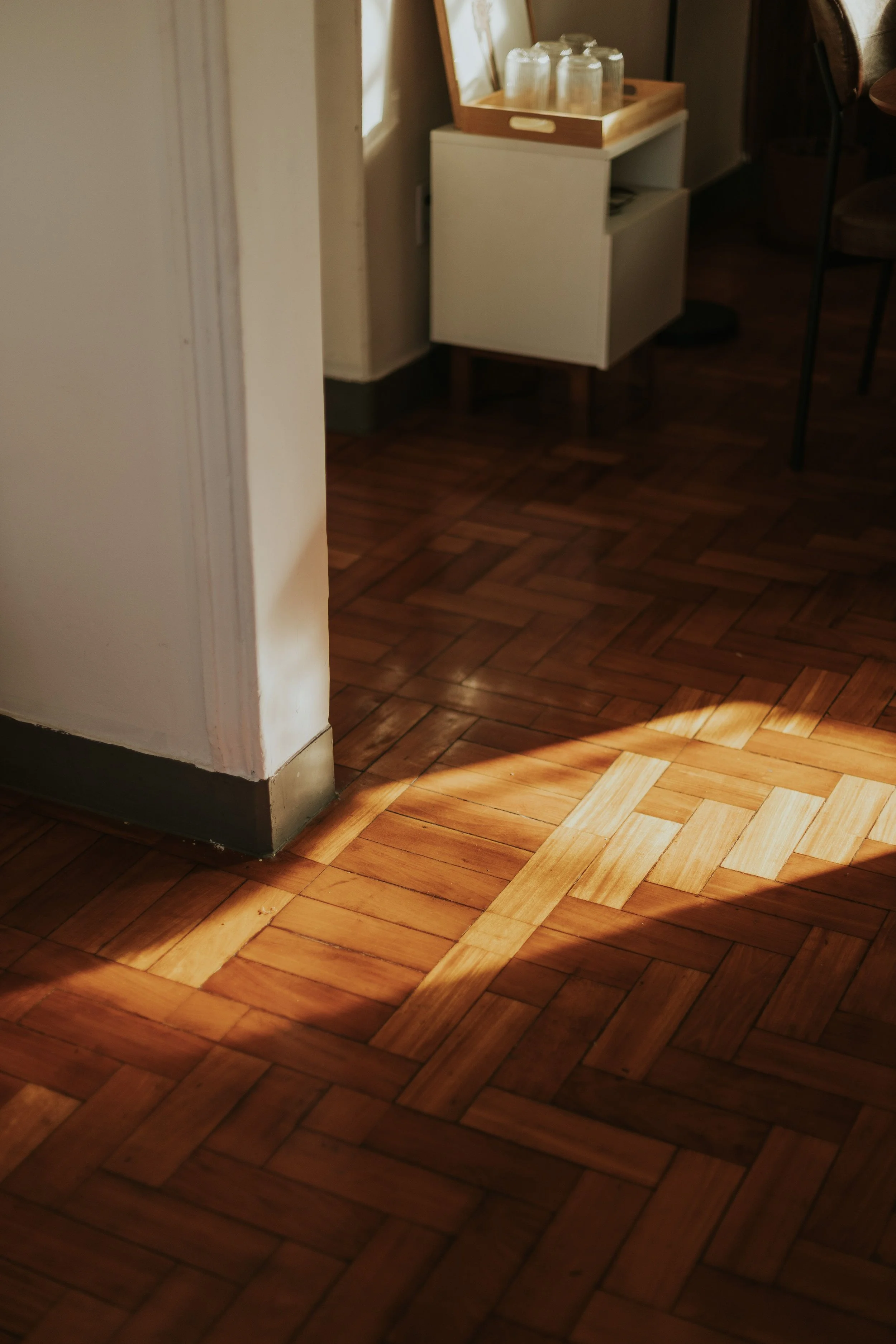
Patterned hardwood floors, particularly herringbone and parquet, have appeared again and again in recent design inspiration. Rather than changing the material itself, these layouts use familiar hardwood in unexpected ways to create visual interest.

While herringbone and parquet remain popular choices, designers are also showcasing checkerboard tile, geometric mosaics, decorative border inlays, cork flooring, and patterned luxury vinyl. Each offers a different look, but they share the same goal: giving the floor a more active role in the room's overall design instead of simply blending into the background.

Although these styles look very different from one another, they all ask homeowners to see the floor as more than something to walk on. It becomes part of the room's design story.

The most successful statement floors often rely on timeless materials while letting the pattern become the feature. That approach helps create rooms that feel fresh today while remaining comfortable to live with for years to come.
Don't Forget to Look Up

If floors have become one half of the "fifth wall" movement, ceilings have become the other.

For decades, ceilings were almost expected to disappear into the background, painted white and rarely noticed unless they needed repair.

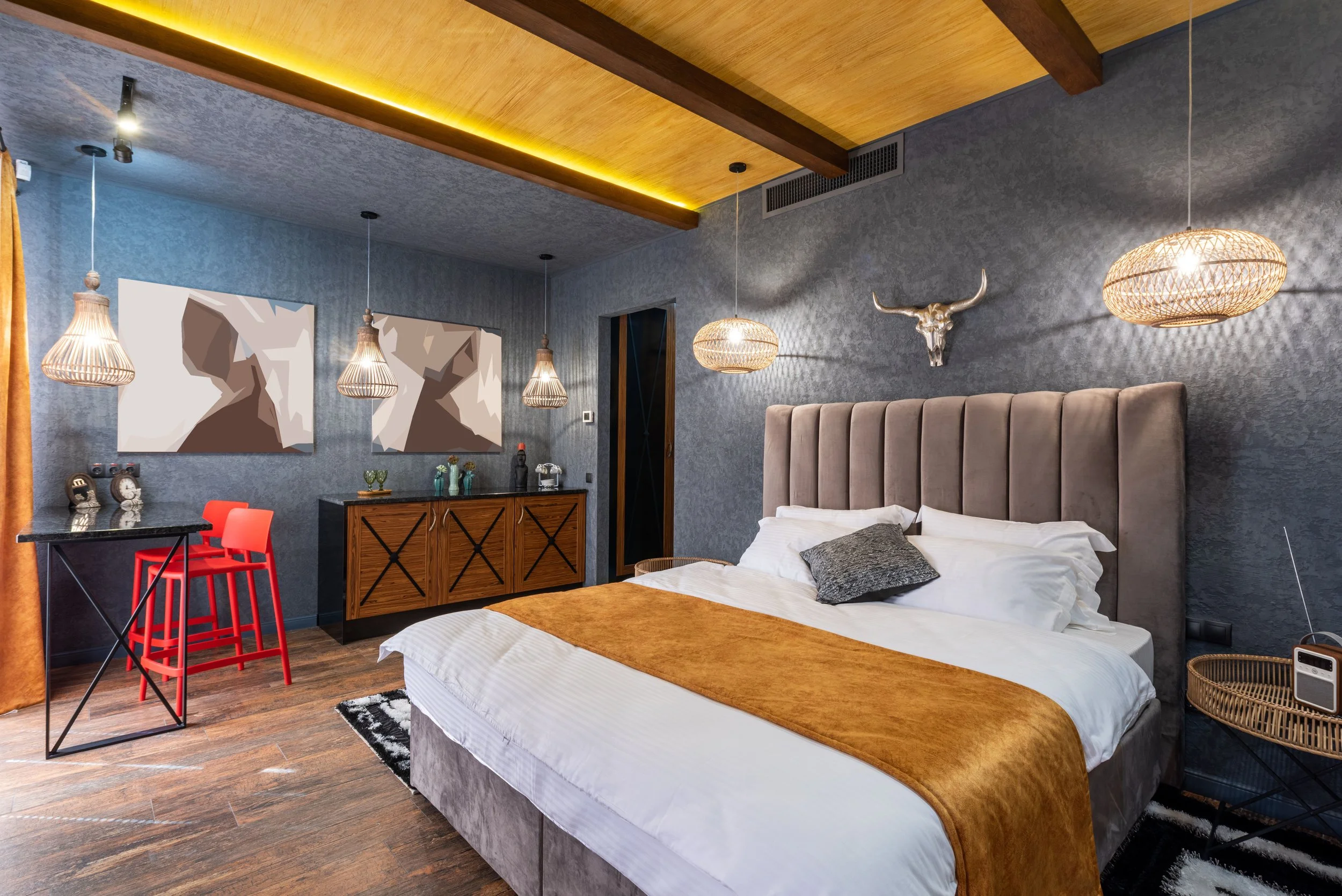
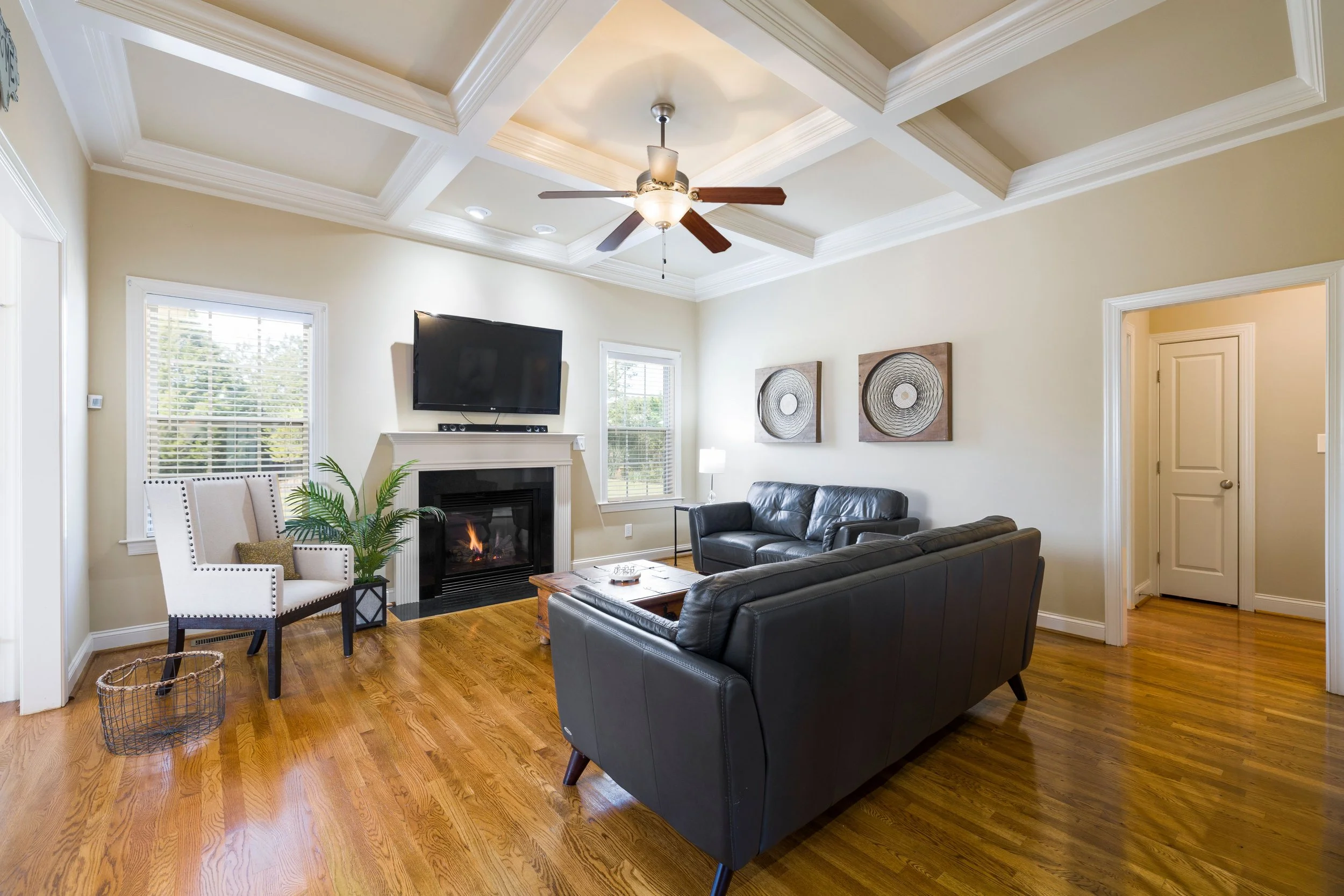
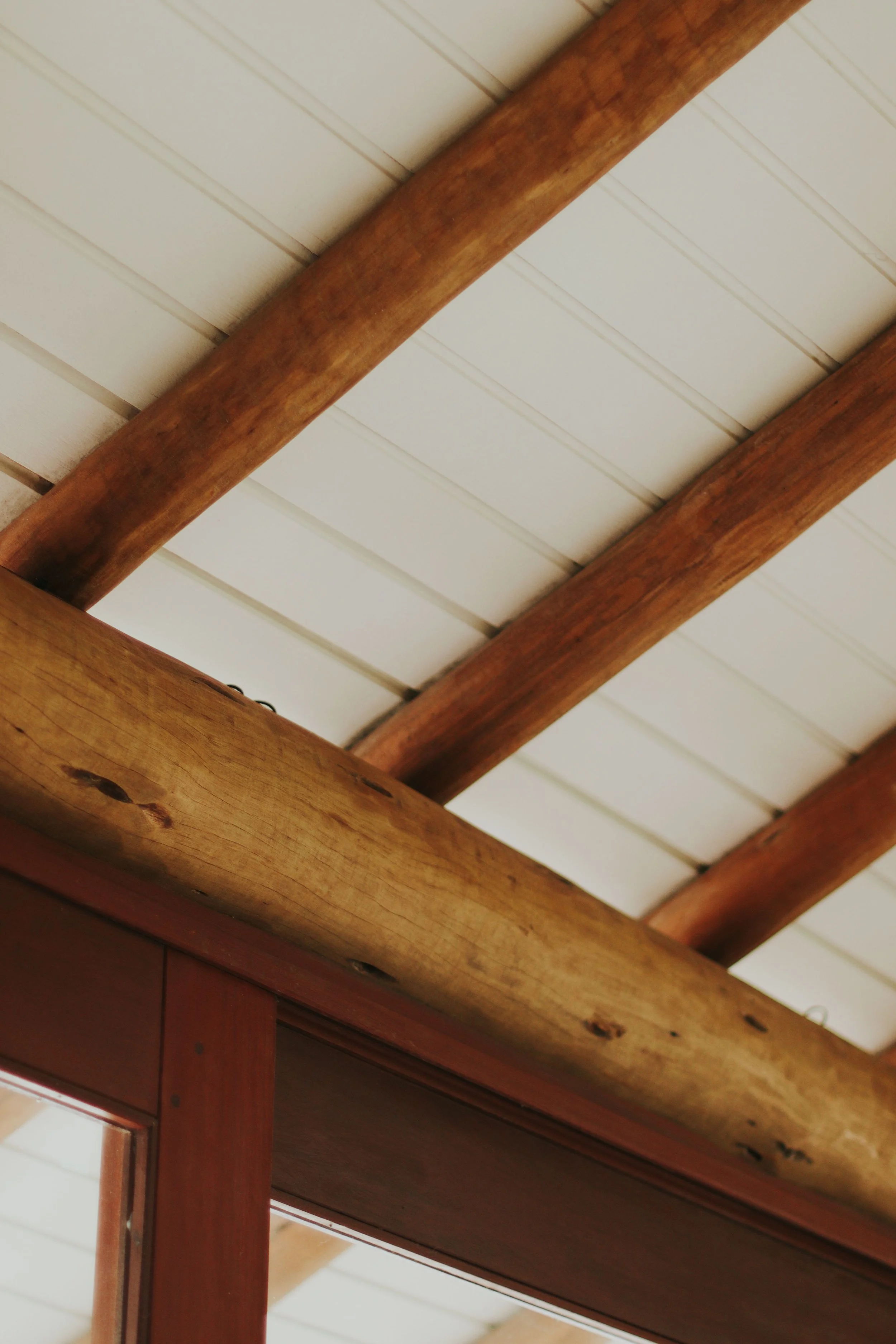
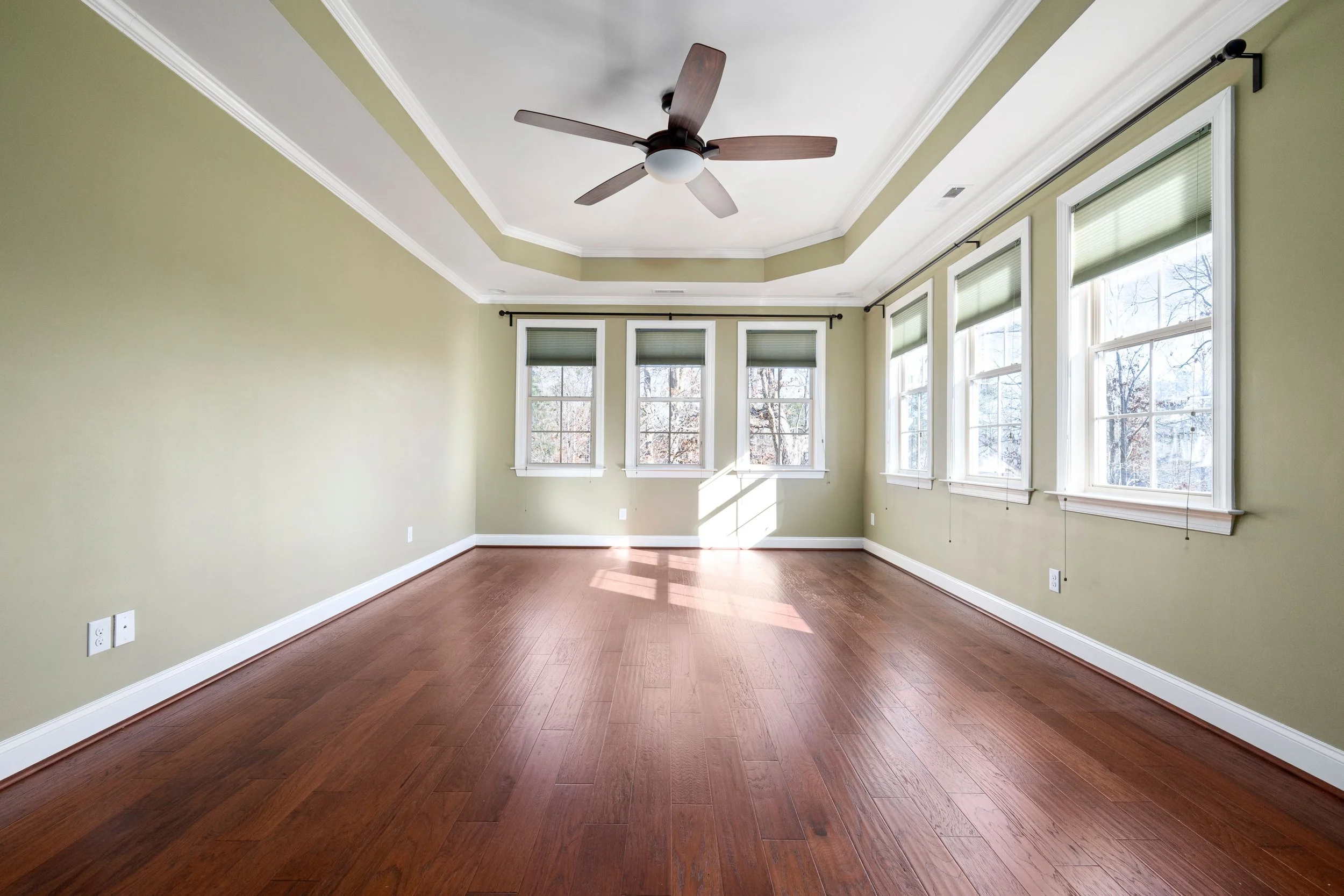
Today's statement ceilings come in many forms. Homeowners are installing exposed wood beams or coffered ceilings to add architectural character. Others are choosing tray ceilings with indirect lighting, applying wallpaper overhead, or painting the ceiling in rich colors that make a room feel cozier or more dramatic. Even simple crown molding or wood paneling can help transform a ceiling from an afterthought into a design feature.

Even subtle changes can have a surprising effect. A ceiling treatment naturally draws the eye upward, changing how a room feels without changing its footprint.

It's a reminder that great design isn't always about adding more. Sometimes it's about looking at familiar spaces in a new way.
Bold Doesn't Have to Mean Busy

One lesson appears throughout this growing design movement: the most memorable rooms aren't necessarily the ones with the most decoration.

A dramatic floor often works best alongside simple furnishings. For example, a striking herringbone floor may become the room's centerpiece when paired with neutral furniture and understated décor. Likewise, a wallpapered ceiling or exposed beams can make an impact without requiring every wall to compete for attention.

A patterned ceiling can become the room's focal point when the surrounding walls remain understated.

By allowing one element to take the spotlight, the rest of the room has space to breathe.

That balance is what gives many of these homes their sense of comfort. They feel curated rather than crowded, distinctive without becoming distracting.

For homeowners, that's an encouraging takeaway. Creating a memorable home doesn't require redesigning every surface. Sometimes one thoughtful choice is enough to transform the entire room.

Designing a Home You'll Love for Years

Trends naturally come and go, but the best design decisions are the ones that continue bringing joy long after the excitement of a renovation has faded.

Whether you're drawn to a timeless herringbone floor, decorative ceiling beams, a bold painted ceiling, or simply appreciate the creativity behind the "fifth wall" movement, the goal isn't to copy someone else's home.

It's to create spaces that feel welcoming, comfortable, and reflective of the people who live there.

When every design decision supports the way you want to live, your home becomes more than a collection of rooms. It becomes a place you genuinely enjoy spending time in, today and for years to come.

Keeping Every Part of Your Home Working Beautifully

Thoughtful homeownership extends beyond great design. The homes people enjoy most are the ones that are both beautiful and well cared for.

At Appliance Rescue Service, we're passionate about helping homeowners make informed decisions about every aspect of homeownership. While we specialize in keeping your major appliances running reliably, we also believe that a well-maintained home is one you'll enjoy for years to come.

If your refrigerator, dishwasher, oven, washer, dryer, or other major appliance needs expert attention, Appliance Rescue Service is here to help homeowners throughout Dallas, Frisco, Plano, Richardson, Garland, McKinney, Allen, The Colony, Addison, Carrollton, Coppell, and the surrounding communities. Contact us today to schedule a repair or ask about our maintenance plans, and keep the heart of your home running as beautifully as the spaces you've created.

Website
Call: (214) 599-0055 


Designing for Calm: Pantone’s 2026 Color of the Year Explained

A closer look at Pantone’s soft white and how it works throughout the home.

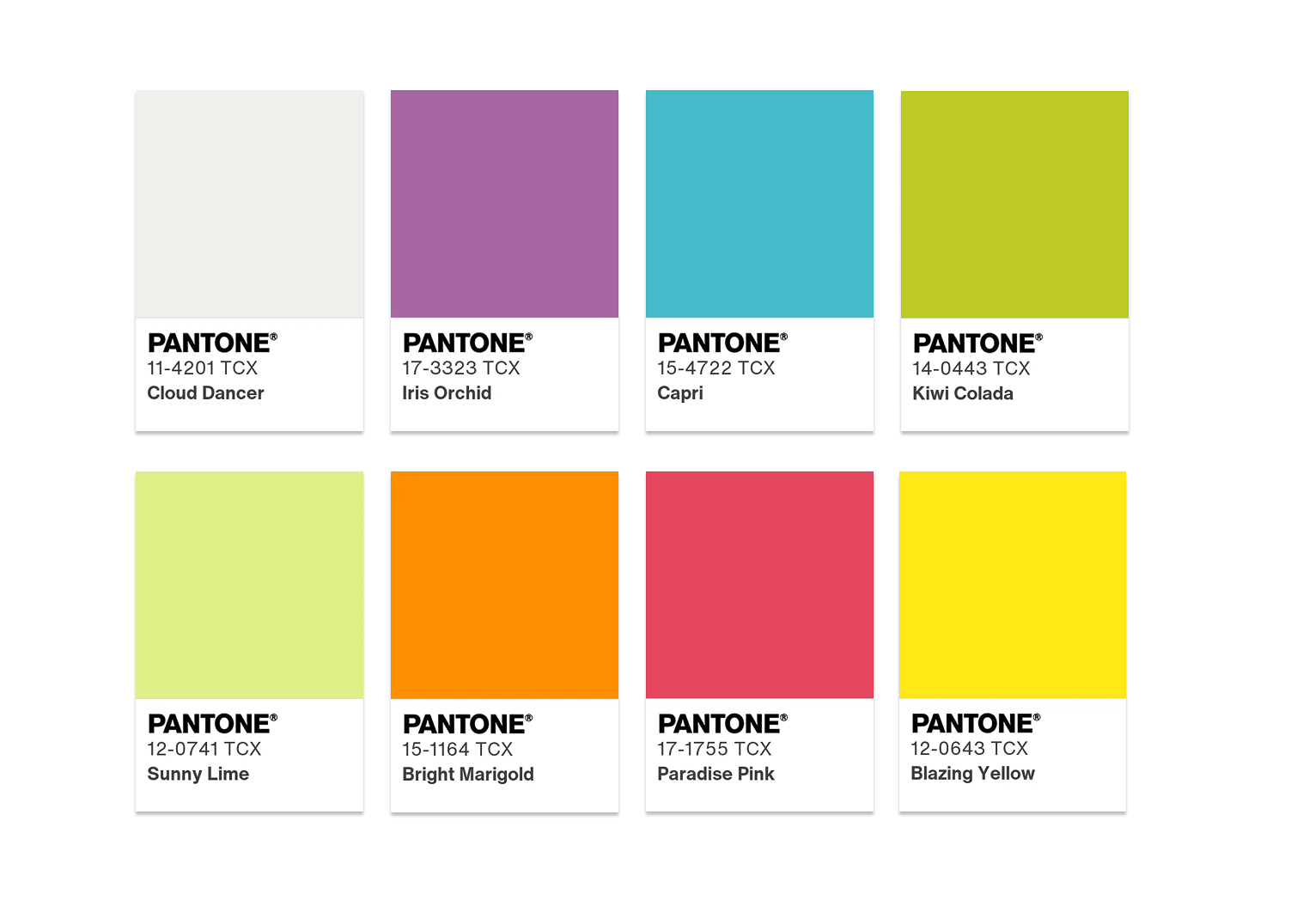
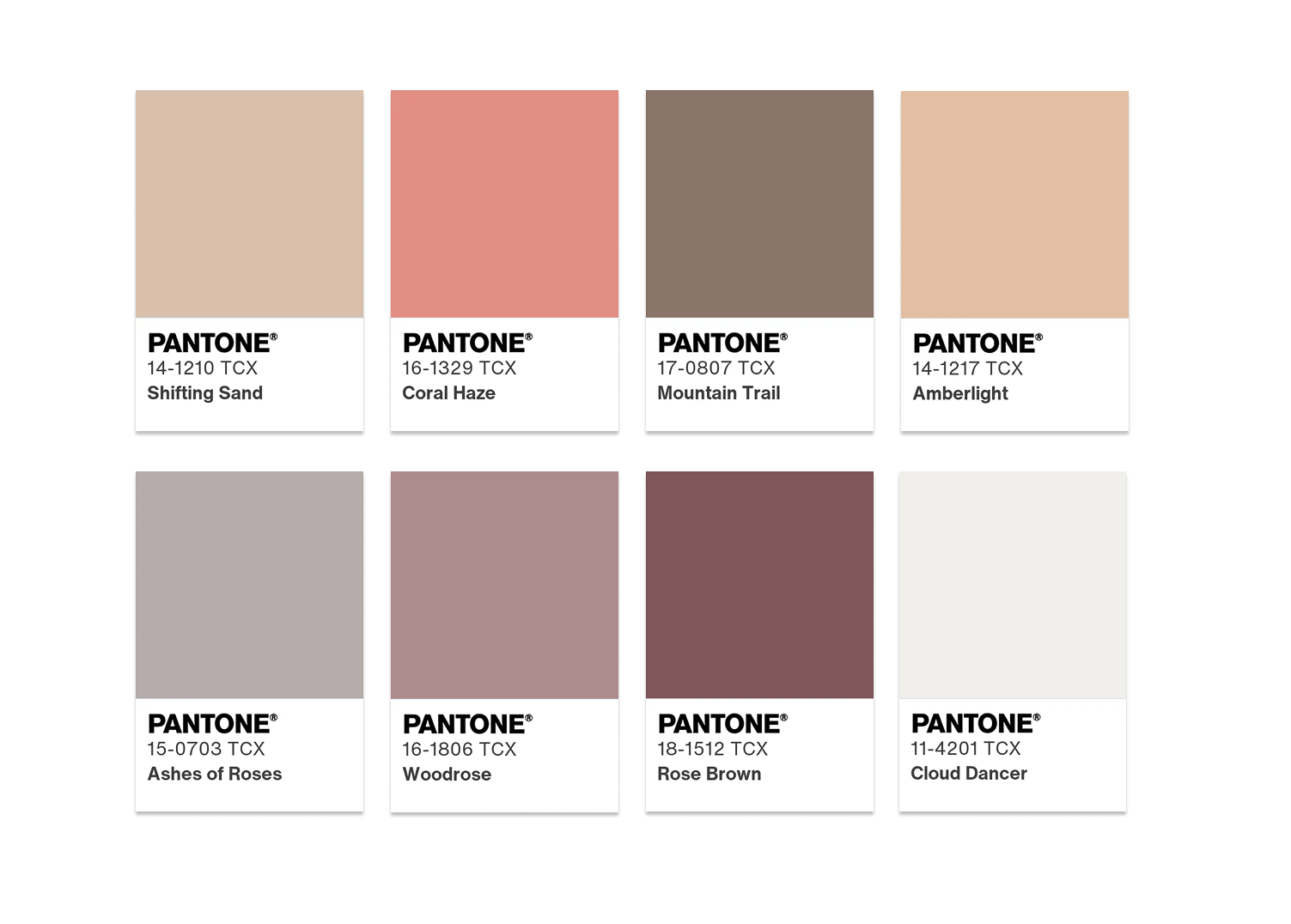
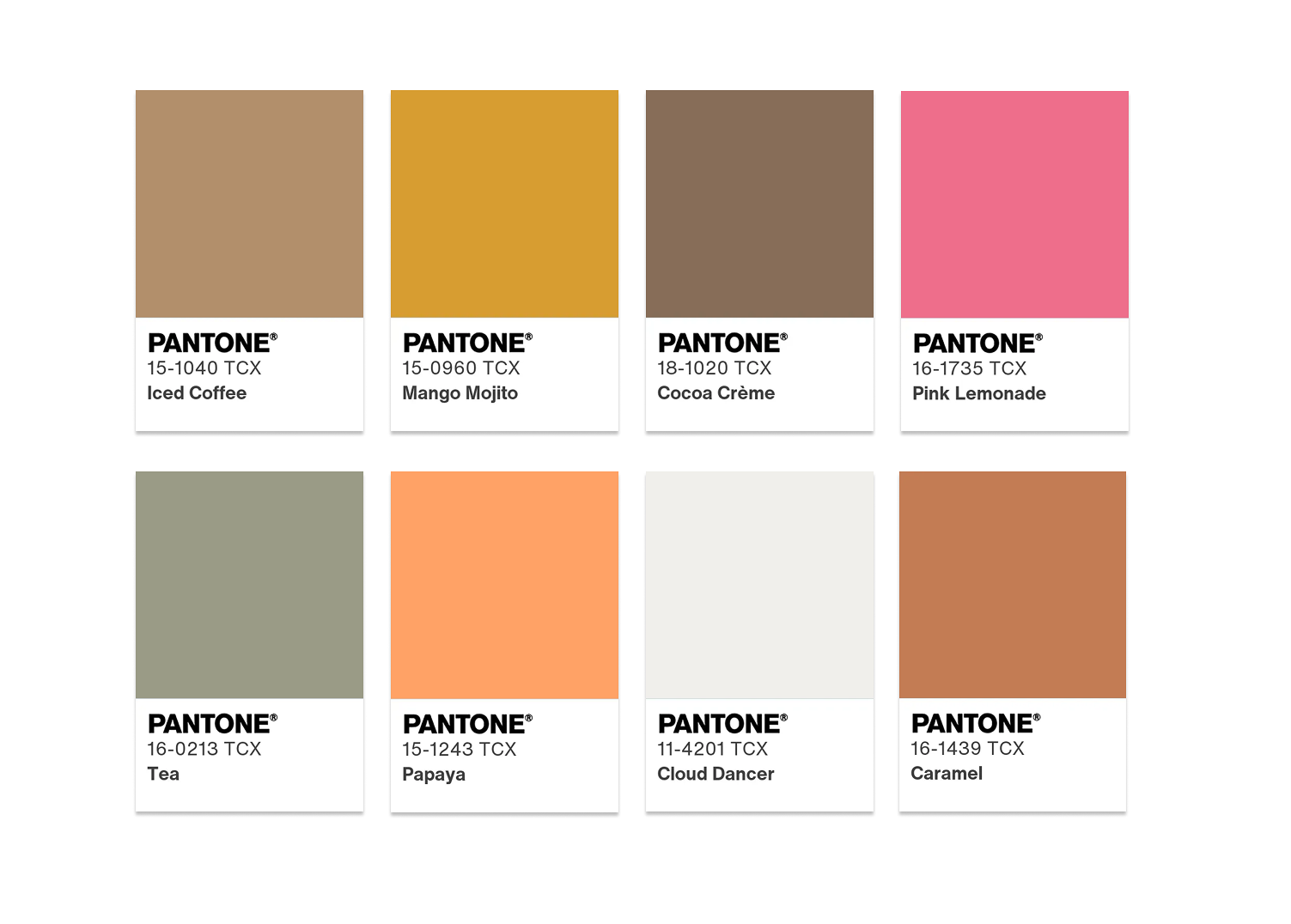
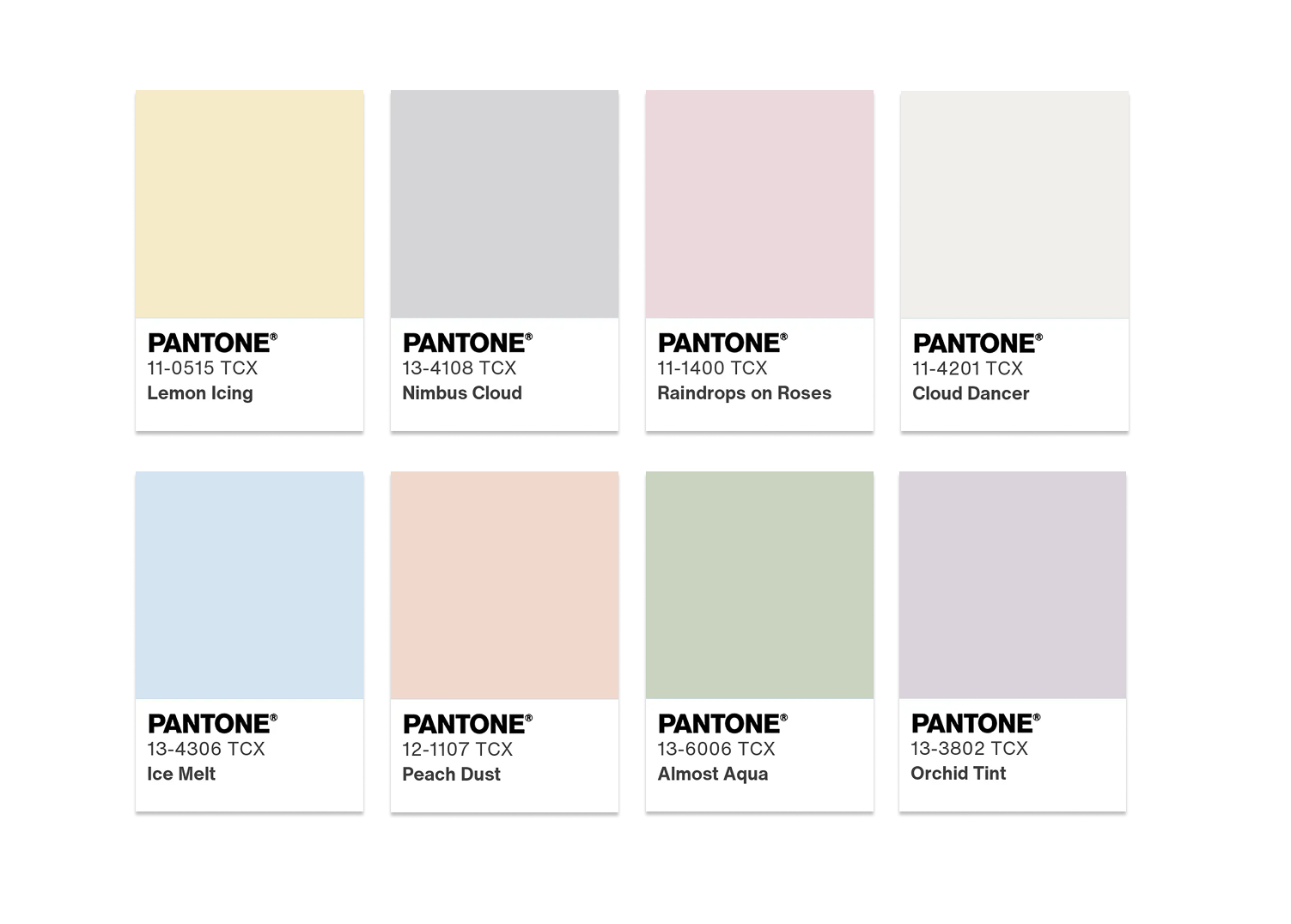
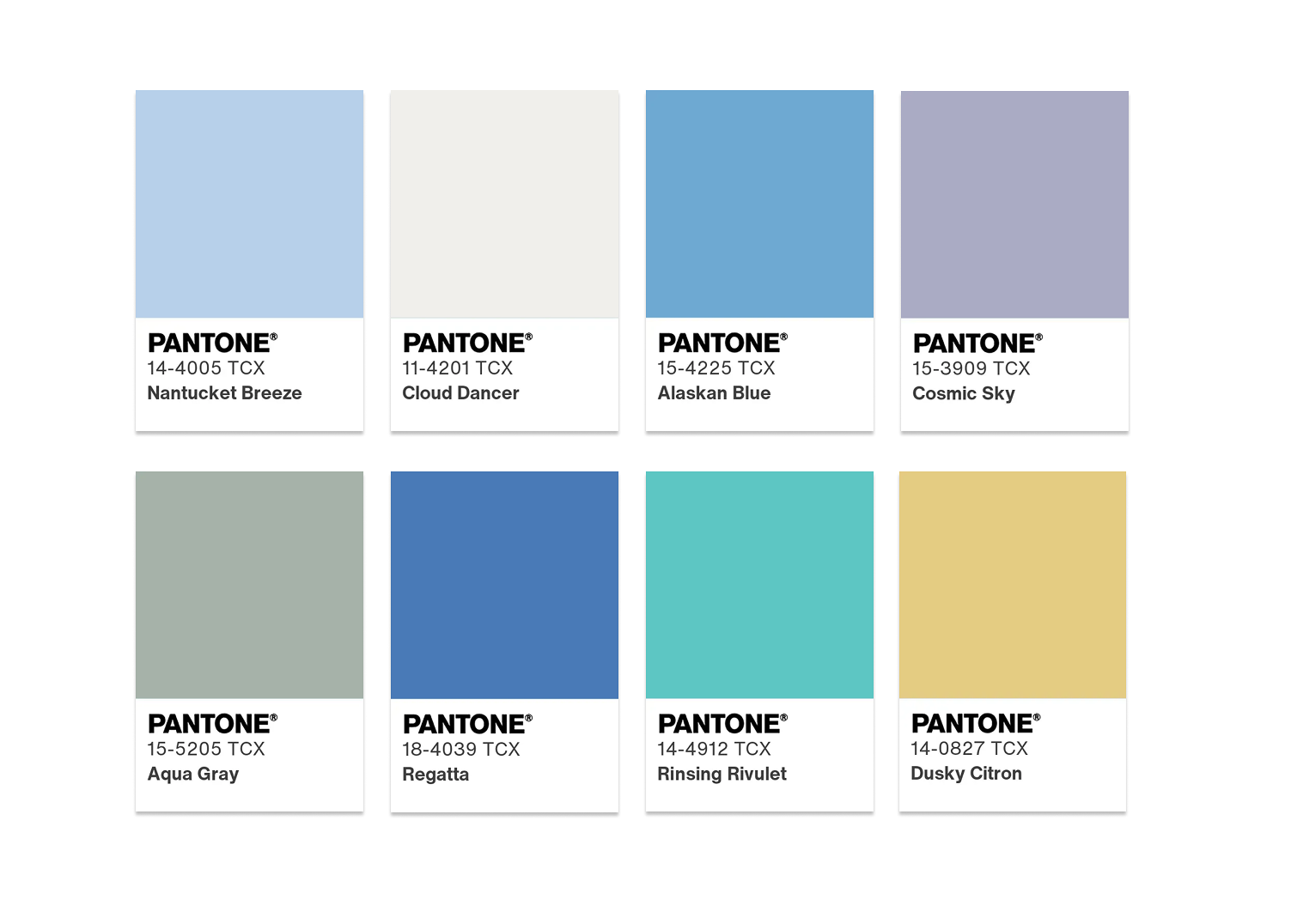
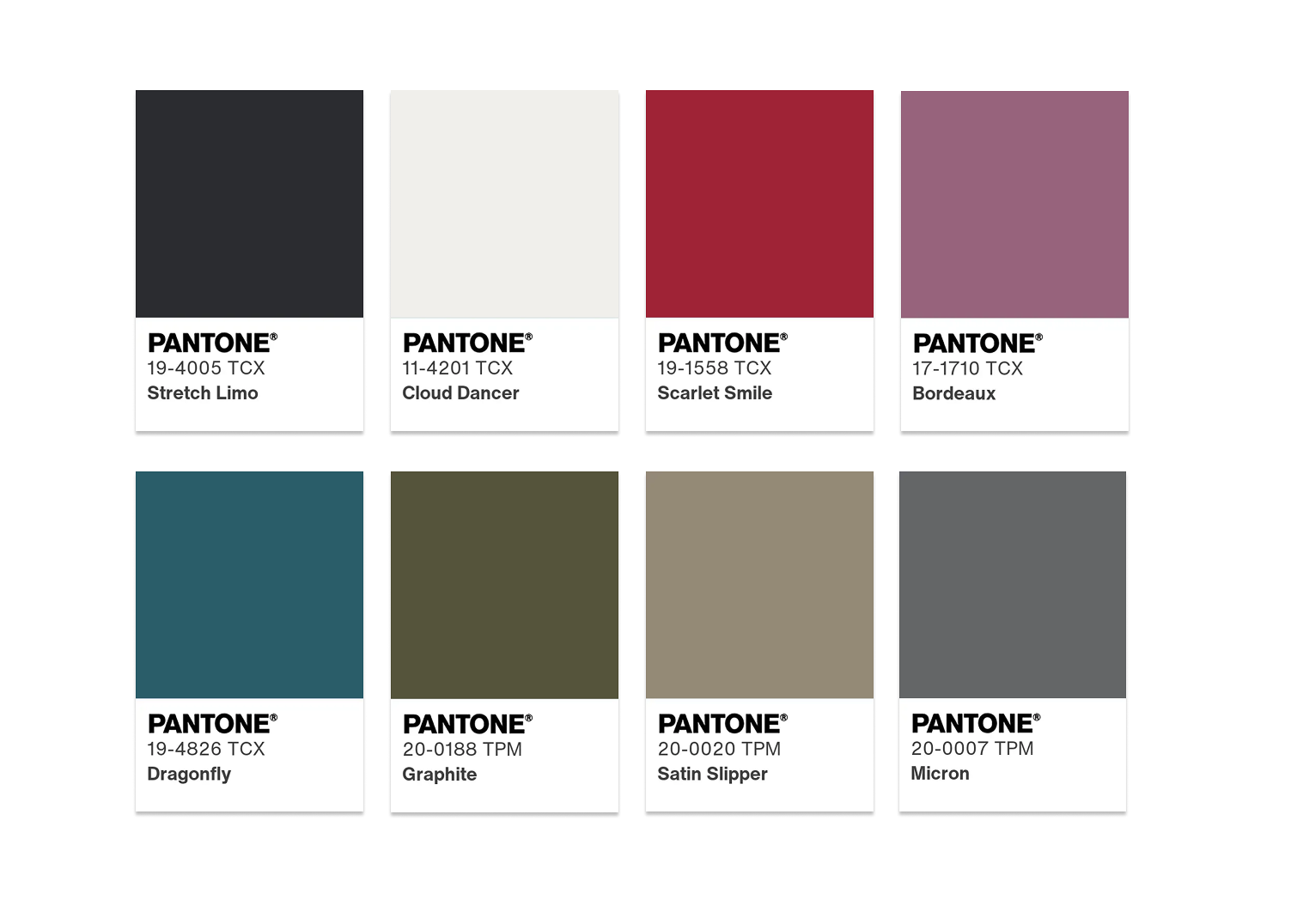
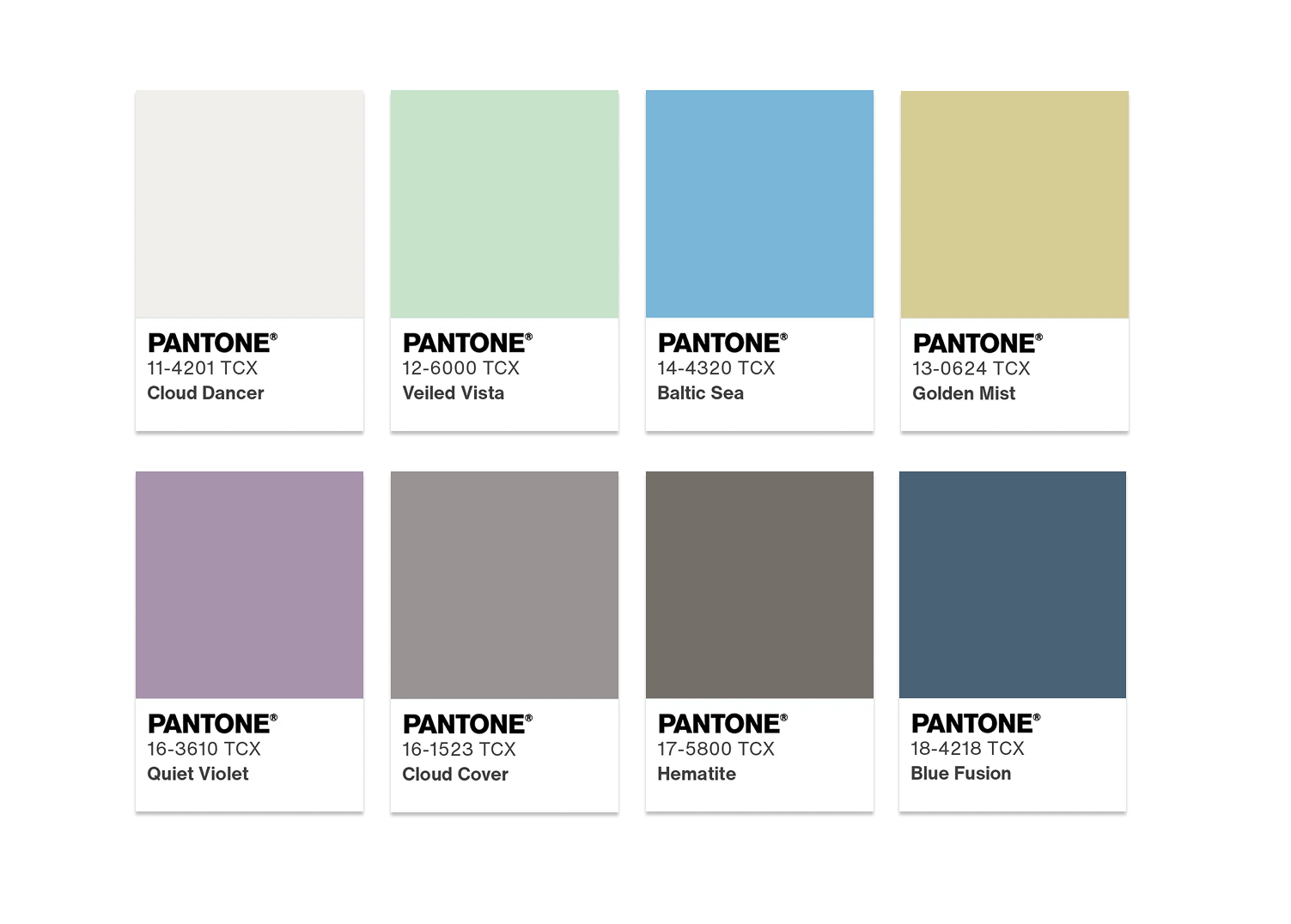
Every year, Pantone announces a Color of the Year — a single shade picked to reflect broader cultural feelings and influence everything from paint choices to interior design trends. For 2026, that color is PANTONE 11-4201 Cloud Dancer, a soft white that leans calm, light, and quietly optimistic. 

Now, white may not sound exciting at first, but that’s kind of the point. This isn’t a bright or icy white. It’s a tone meant to feel natural, inviting, and adaptable for everyday life — especially in homes where balance and comfort matter. In a time when many of us are craving breathing room from visual clutter and busyness, Cloud Dancer fits right into that mindset.

Let’s walk through what Cloud Dancer really is, why Pantone chose it, and how it can be used in your home in ways that feel both fresh and lived-in.


What Cloud Dancer Is (And Isn’t)

Cloud Dancer is described as a soft, balanced white that sits comfortably between cool and warm, with gentle tonal grounding rather than harsh brightness. Pantone’s team chose it with intention: the goal wasn’t to make a statement that screams, but one that whispers.

This white isn’t the sharp, clinical white you might see in a commercial kitchen or medical space. Instead, it feels closer to how soft daylight reflects off fresh paint or clean textiles. In rooms with good lighting, it can make spaces feel open and airy without being stark or flat.

In short: Cloud Dancer won’t overwhelm a space, and it won’t demand attention. That’s what makes it useful — especially in homes where the goal is comfort, not decoration fatigue.


Why Pantone Picked Cloud Dancer

Pantone’s Color of the Year is never just about color preferences in a vacuum. It’s meant to capture something deeper about how people are feeling and what they’re looking for.

In recent years, we’ve seen colors that lean warm and comforting, like Mocha Mousse for 2025. For 2026, the shift to Cloud Dancer reflects a subtle but meaningful trend toward openness, simplicity, and calm.

Think about it this way. Many of us have felt pulled in multiple directions — screens, notifications, tasks, schedules. A color that represents lightness and clarity ties into a broader desire for peace and quiet in our private spaces. Cloud Dancer’s gentle tone feels like that quiet exhale you take when you step into a freshly cleaned room or open a curtain to morning light.

Pantone’s message here isn’t just about paint. It’s about creating environments that feel restful and balanced, acting as a backdrop for the way people actually live.


How Cloud Dancer Works In Your Home

Cloud Dancer is especially effective as a foundation color — a neutral that supports other design elements without dominating them. That makes it really versatile in interior spaces where you want a sense of calm and continuity. Here are practical ways to think about using it throughout the home.


Kitchen: Clean, Bright, and Welcoming

Kitchens are often the busiest spaces in the house. That’s why a soft, warm white like Cloud Dancer works so well here. Use it on cabinets, walls, or even backsplashes to bring in light without feeling overly stark. In natural light, the tone feels open and fresh — perfect for a place where people gather throughout the day.

Cloud Dancer pairs nicely with materials people commonly choose in kitchens: wood grain, brushed metal, stone countertops. Because it plays well with both warm and cool elements, it gives flexibility whether your style leans modern, traditional, or somewhere in between.


Bathroom: Spa-Like But Comfortable

Bathrooms benefit from light, soothing colors that make small spaces feel larger and more restful. Cloud Dancer is ideal here because it reflects light nicely without feeling sterile.

Paired with softer finishes — think matte or honed tile, woven textiles, and gentle lighting — it creates a vibe that’s calm and intentional, like a retreat rather than a clinical interior. Even in smaller bathrooms, it helps keep the space feeling open rather than boxed in.


Living Areas: A Backdrop for Comfort

In shared spaces like living rooms and family rooms, Cloud Dancer acts as a quiet layer that highlights your furniture, artwork, and personal touches. It lets meaningful elements — textures, wood tones, fabrics, and décor — come forward without distraction.

Because it doesn’t compete for attention, this shade feels effortless. It can make a room feel cohesive and calm whether your style is minimalist or layered and cozy.


Bedrooms: Restful and Light

Cloud Dancer works especially well in bedrooms, where the goal is often rest and comfort. On walls or ceilings, it creates a light, soft backdrop that doesn’t demand visual focus. This makes it a great choice if you want your space to feel soothing and easy to unwind in.

Paired with textiles in creams, muted greens, or soft grays, the overall effect feels peaceful and embracing — just right for winding down at the end of the day.


Something to Remember About Cloud Dancer

Cloud Dancer doesn’t define a space so much as support it. It gives rooms a sense of lightness and continuity that lets the other details of your home shine — whether that’s textures, furnishings, or the way you use the space on a daily basis.

This idea of letting your space feel open and uncluttered echoes something practical about comfortable living: when your surroundings feel steady and predictable, the home feels easier to live in.


A peaceful home isn’t just about looks. It’s about how the space feels to live in, how it works, and how you go about your daily routines without friction.

For many homeowners, that comes down to having systems and appliances that run reliably. When something breaks down — whether it’s a fridge that stops cooling or a washer that won’t spin — it throws off more than just one task. It interrupts the rhythm of your day.

That’s where Appliance Rescue Service comes in. We focus on keeping the things that make your home run smoothly running smoothly. When your appliances are doing their job, your space feels more relaxed and under control — and that contributes to the overall calm that colors like Cloud Dancer are meant to support.


A Color That Breathes

Cloud Dancer may not make headlines like bolder Pantone picks of years past, but its quiet strength is part of what makes it useful in real homes. It’s a color that helps rooms breathe, inviting light and comfort without imposing itself on every surface.

If you’re thinking about how to refresh your space for 2026, consider how a soft white foundation like Cloud Dancer can bring a sense of ease throughout your home — and let the things that matter most stand out.


A calm home isn’t created by color alone. It’s built through spaces that function properly, feel comfortable, and don’t add unnecessary stress to daily life. Whether that comes from thoughtful design choices or from appliances that work the way they’re supposed to, clarity at home makes a difference.

At Appliance Rescue Service, we believe the most peaceful homes are the ones where systems run reliably in the background, without demanding attention. When something stops working, we’re here to help restore order, comfort, and confidence, so your home can get back to feeling like the place you want to be.

If your appliances are disrupting the balance of your space, Appliance Rescue Service is ready to step in and help bring things back into alignment.

Website
Call : (214) 599-0055


Easy, High-Impact Updates to Set Your Rental Apart

Practical ideas that make a rental property more inviting and competitive

Easy Upgrades That Make Your Rental Stand Out

If you’ve ever rented out a property, you know the truth: tenants notice everything. They may not say it outright, but the little things — the countertop finish, the lighting, even the storage situation — all add up to whether they see your property as “just another rental” or somewhere they’d actually like to stay awhile. The good news? Making your place more appealing doesn’t mean a remodel, a second mortgage, or a headache for you. With a handful of clever, affordable updates, you can keep your property attractive, fresh, and competitive — all while protecting your investment. Let’s walk through some simple, landlord-friendly upgrades that actually make a difference.

Adhesive Wraps for Everything

Courtesy of Walmart

Adhesive wraps are a landlord’s best friend. They’re easy to apply, easy to remove, and they can give your property a refresh without you needing to bring in contractors. Kitchen counters that need a facelift? Absolutely possible. You can make them look like marble, wood, or even neon green paint. Bathroom looking a little dated? No worries! Pick your poison. Dying for stainless appliances, but your current set are working flawlessly? There’s contact paper for that.  There are even ones for cabinets that could use a refresh (yes, even in wood grain if you want that “custom” vibe). The best part? They’re renter-friendly too. If a tenant wants to personalize their space, they can change them out, and you’re not stuck with permanent damage or costly replacements.

Walls That Work Harder

Courtesy of Tulip

Walls don’t have to be boring — and they don’t have to be riddled with holes when a tenant moves out. You can easily elevate the space (and keep your drywall intact) with a few small changes. Adding trim and molding gives walls a finished look, even if the paint is basic. Command hooks are the unsung hero of rental walls, giving tenants freedom to hang things without you dealing with patch jobs later. If you’ve got the standard builder-grade dome fixtures (and let’s be honest, most rentals do), you can pop a magnet ring around the outside. This lets renters attach shades that fit their style — customizable for them, no damage for you. Removable wallpaper is another great option: it works for feature walls, is easy to swap out between tenants, and it’s a smart way to keep things looking fresh without repainting every single year.

Storage: Always in Short Supply

Ask any tenant what they want more of, and the answer will almost always be storage. You can make your rental instantly more appealing by sneaking in storage options where people don’t usually think to look. Under cabinets, a few hooks or racks can make a huge difference. In closets, add shelving, over-the-door organizers, or modular units to maximize space. Over bathroom outlets, a small shelf above the outlet is a lifesaver if counterspace is limited — and it makes the bathroom feel less cramped. These little touches don’t cost much, but they give renters the sense that the home was thoughtfully designed.

Windows With Personality

Bare windows feel cold and unfinished, but drilling into walls for every tenant’s curtain rod isn’t exactly ideal either. Instead, you can give your windows a touch of style — without the damage. Faux stained glass film or inserts can instantly upgrade the look of a room. It adds charm, filters harsh sunlight, and gives a touch of privacy. Scatter film (yes, that’s the name you were thinking of) adds privacy without blocking natural light, making it great for bathrooms and front-facing windows. And curtain rod brackets that sit on top of the window frame let renters hang curtains without leaving you with swiss-cheese drywall.

Smart Tech for Smart Rentals

If you’re renting to younger tenants, this category is where you win big. Most smart upgrades don’t require rewiring or drilling, but they add a lot of appeal and convenience. Smart thermostats give tenants control and energy savings while helping you protect your HVAC. Ring (or similar) security systems add peace of mind and make tenants feel safer in the home. Smart locks mean no more lost keys or costly lock changes between tenants — just reset the code. And smart plug adaptors are simple, affordable, and let renters control lamps or appliances with their phones. Smart tech not only modernizes your rental but also signals to tenants that you’re keeping up with the times. That’s a small touch with a big payoff.

The Bottom Line

At the end of the day, making your rental property more appealing doesn’t mean you have to sink thousands into renovations. Small, strategic updates — adhesive wraps, removable wallpaper, added storage, clever window solutions, and smart home tech — can transform a space from “just okay” to “this feels like home.” The best part? These upgrades are easy for you, flexible for tenants, and they protect the long-term value of your property. After all, the goal isn’t just to fill the space — it’s to attract tenants who want to stay. And when they do, you’ve got fewer turnovers, less wear and tear, and a rental that basically manages itself.


Upgrades like fresh finishes, clever storage, and smart tech will make your rental more attractive. But the real deal-breakers? The appliances. No tenant wants a broken fridge or a washer that won’t spin. That’s where ARS comes in. From refrigerators to dryers, we keep your rental’s most important appliances running smoothly—so your tenants stay happy and your property keeps its value.


Website

Call : (214) 599-0055


Limewash Magic: Bringing Old-World Charm to Modern Homes

Exploring the Origins of Limewash: From Ancient Techniques to Contemporary Appeal

If you open a home magazine, many will show off walls with a light, textured watercolor look to them. If you're like us and immediately HAD to know what it was and how to get it, you're in luck. This week, we're diving into the world of limewash—exploring its rich history, the unique qualities that set it apart, and how you can use it to transform your own home. Whether you’re aiming for a rustic, old-world charm or a sleek, modern finish, limewash offers a versatile and eco-friendly solution that’s gaining popularity among homeowners and designers alike. Let's discover the magic of limewash and how it can elevate the beauty of your living spaces.


What is Limewash?

Limewash is a wall finish similar to but different from paint in many ways. Rather than being plastic-based, limewash is made of limestone that has been crushed and burned before being mixed with water and pigments. If you were to open up a can of limewash, it looks more similar to putty than paint as we're used to it. When it goes on your walls and has dried, it looks chalky but has a soft feel. It also doesn't have a shiny look but instead is very matte.

This mixture was originally used as a way to both protect and lighten the look of stone and timber. These days limewash is very much associated with an old-world look that you would find in Europe or South America.

Where does it come from?

Limewash has been used for centuries to protect buildings from the elements while making them even more beautiful. It offered a unique finish that would hold up for at least a decade and was environmentally friendly in both its creation and its use.

Courtesy of Lowes

Limewash can be seen to have been used as far back as Egypt, Greece and Rome. It was a wash that allowed buildings to be protected from wind and rain while still allowing them to breathe. Additionally, limewash is anti-bacterial and acts as an insecticide against both woodworms and death-watch beetles. It also has fireproofing qualities, a fact which was written into law after a disastrous fire in England in 1212. At that point, all buildings along the Thames be they made of wood or stone, had to be limewashed.

As time passed limewash became as much an aesthetic look as it was a preventative measure. Because of the putty-like texture while still wet, it can be used to create all sorts of textures and effects.

So where do we get limewash?

Courtesy of Lowes

We start by burning limestone in a kiln burning off the carbon dioxide, and leaving something called quick lime. This would then be added to water to create a putty. After that the putty has to be aged in order for everything to combine together properly. It's only after this aging process that it can be thinned out again with water in order to create the soft almost watercolor look on your walls.

In older methods, limewash is only available in white, which is natural for limestone, or in shades of gray, taupe, and brown which is where the natural pigments come in. These days, it is possible to achieve blues, greens and even yellows and pinks. Keep in mind though that the process is difficult and it is currently difficult to find these colors.

Unlike most barrier paints in the modern age, limewash sinks into the surface that it's painted on and becomes part of the material. The exception to this is newer cement pours and gypsum plaster. Both of these are non-porous and the limewash can't sink into the material.

Why does it help today?

Courtesy of Lowes

As we mentioned in the last section, limewash has had many benefits throughout its long history. And with modern technology, we found even more. Limewash is a rare material that can be used both inside and out of the home, without danger to children or pets after it has safely dried. It also has a high pH level which means it's hypoallergenic. It resists odor, moisture, and fungus, in addition to the insects mentioned above.

It is easily removable for the first 5 days after being applied, which means that if you don't like it, you can take it off or change it. On the other hand, once it has dried, if it's been done properly, it typically won't flake, peel, or chip.

How to Use It

If you've decided that you like the look and you want to start painting, you'll need to gather up your tools. You'll need a primer as most drywall is not immediately ready to accept limewash. You'll also need a block brush and a brush that is at least 6 in wide. You'll also want a collection of rags for smoothing out or washing down the sections, a bucket to hold all of your rags, and a bucket of clean water. As always, a dropcloth will be invaluable. You can apply the limewash in three ways: a horizontal stroke, a vertical stroke, or what professionals call a cloud stroke. We think the cloud stroke gives the softest look.

Wet down your walls and apply the limewash in patches. Once you have it fully coated, use one of your rags to ‘wash’ the walls down, spreading the limewash. As you come against different patches, you can use the rags or your brushes to feather and blend sections.

Due to its flexibility, limewash can be used in any room of your home. Whether it's adding warmth in the living room, creating a quiet and serene bedroom, or making your kitchen even more cozy, there isn't a room where limewash won't fit in.

Are there alternatives?

Although we have been utterly swayed, if you find that limewash isn’t for you, there are alternatives. Roman clay is one of them and is similar in its application, by using a putty knife. It gives a smooth finish, that can be used to create the look of stone, marble or stucco, depending on your preference. Silicate paints work in the same way as a limewash, in that they soak into the substrate. These are also breathable and allow water vapor to exit the walls, similar to how limewash works.

Where to get it

Explore these trusted suppliers to find your perfect shade:

Are you inspired to try limewash in your home? Share your projects with us on our Facebook page—we love hearing from our readers!


 While we can't help with painting your kitchen, we can help with keeping your kitchen running. If you're doing a kitchen redo because your dishwasher flooded, we can help. Or if your oven sent up sparks, Appliance Rescue  Service are the people to call. We work with you to set a time and date that fits your schedule and your needs. We’ll send our best technicians to diagnose the problems and get your home running smoothly again. You can reach us by giving us a call at ((214) 599-0055), or by going to our website and starting a conversation.


Peach Fuzz: A Color Conundrum in Interior Design

When Subtlety Isn't Enough: The Case Against Pantone's Pick

In the realm of interior design, each year brings with it Pantone's eagerly awaited color of the year. It's a moment of anticipation, a time when we explore how this chosen hue will infiltrate our homes and influence our design choices. However, there are times when Pantone's selection leaves us scratching our heads, and Peach Fuzz of recent memory is one such instance.


For years, we've enthusiastically delved into the depths of Pantone's color choices, from the unexpected grey and bright yellow combination of 2021 to other vibrant selections. Yet, Peach Fuzz failed to capture our imagination. It's been described by one of our team members as "the saltine cracker of colors" – bland, unremarkable, and lacking in character.

Despite the accolades it receives from interior design blogs and professionals, claiming its versatility and sophistication, Peach Fuzz's ubiquitous nature is precisely its downfall. It blends in effortlessly, but at what cost? Where is the excitement, the personality, the vibrancy that a bold color brings to a room?

Let's dissect why Peach Fuzz might not be the ideal choice for your home.


1. A Bold Room


If you're the type of person who resonates with the allure of Hollywood Glamour, seeking a room that exudes charisma, sophistication, and captivates attention, Peach Fuzz isn't your ally. Hollywood Glamour is all about drama, elegance, and opulence. Picture plush fabrics, bold patterns, and luxurious finishes. It's an aesthetic that demands attention, where every element contributes to the overall ambiance of grandeur.

Peach Fuzz, with its soft, muted tones, simply doesn't possess the gravitas required to anchor a room in the Hollywood Glamour style. While it may find its place as subtle accents or complementary hues, it lacks the necessary punch to serve as the primary color in a bold, glamorous space. Hollywood Glamour thrives on rich jewel tones, striking contrasts, and sumptuous textures, elements that are sorely lacking in Peach Fuzz's understated palette.


2. A Minimalist Aesthetic

Minimalism isn't just a design choice; it's a lifestyle. It's about simplicity, functionality, and the deliberate elimination of excess. Picture clean lines, uncluttered spaces, and a focus on essential elements. Minimalist interiors are characterized by a sense of calm, balance, and harmony.

In the world of minimalism, every design decision is intentional, every element carefully curated to enhance the overall sense of serenity. It's a stark departure from the soft, muted tones of Peach Fuzz. Minimalism thrives on sharp contrasts, monochromatic color schemes, and the judicious use of negative space. It's a visual statement that celebrates the beauty of simplicity, where less is truly more.


Peach Fuzz's gentle hues and subtle undertones simply don't align with the bold, uncompromising aesthetic of minimalism. While it may find its place in more eclectic design schemes, its soft, understated demeanor stands in stark contrast to the boldness and clarity of a minimalist palette. In the world of minimalism, Peach Fuzz is a square peg in a round hole—an anomaly amidst a sea of clean lines and unadorned surfaces.


3. If You Want to Use Any Other Color

Designers often advise against taking the color Peach Fuzz literally, steering towards more vibrant alternatives like copper, salmon, or coral. While these hues share a semblance with Peach Fuzz, they offer a vitality and warmth that its blandness lacks. Pantone's color of the year should be a focal point, not a muted backdrop.


4. A Full Wall Treatment

Imagine enveloping an entire room in Peach Fuzz – it conjures images of living within a seashell, perhaps a quaint notion reminiscent of Ariel's undersea abode. However, the reality is far from whimsical. Peach Fuzz lacks the depth and character required to sustain interest across an entire space.


5. If You Like Wood Grain

Despite its neutrality, Peach Fuzz fails to complement natural elements like wood grain. Its subdued tones clash with the warmth of wooden furniture, detracting from the harmony of Nordic-inspired designs.


In essence, Peach Fuzz falls short in igniting passion or infusing vitality into a room. It fails to evoke strong emotions or leave a lasting impression. If your goal is to create a space that is vibrant, dynamic, or daring, Peach Fuzz is best left untouched.


However, for those seeking harmony and tranquility, Peach Fuzz may find its niche. Its versatility allows for seamless integration into various design schemes, from soft, muted tones to more dynamic color palettes.


When incorporating Peach Fuzz into your home, consider its compatibility with existing colors and furnishings. Start small with accent pieces before committing to larger undertakings. Whether you aspire to cultivate a serene sanctuary or a lively oasis, Peach Fuzz offers a canvas upon which to paint your vision.


In conclusion, while Peach Fuzz may lack the flamboyance of its counterparts, its adaptability renders it a valuable addition to your design repertoire. Embrace its subtlety and explore the myriad possibilities it presents for transforming your living space.


There you have it, ladies and gentlemen, our tips for how NOT to use Peach Fuzz in your home, and a few times it might work. Do you agree? Do you disagree? Let us know on our Facebook page as we enjoy hearing your feedback!


Remember, it isn't just saving your home from interior design disasters that we specialize in; it's saving your home from appliance disasters. If your dishwasher is refusing to drain or your dryer just isn't getting your clothes dry, you can count on us. Appliance Rescue Service is here for you to get your home running smoothly again. We will work with you to find a time and date that works for our experienced technicians to come out and diagnose the problem. More importantly, we will only stop once you're satisfied that the problem has been solved. You can reach out to us via our website or by giving us a call at [(214) 599-0055].