recalled appliances

Appliance Recall Awareness: The Overlooked Risk in Modern Homes

A practical guide to understanding recalls, spotting risks, and keeping your home safe

]

There’s a quiet assumption humming in the background of every home. You plug something in, press a button, and trust it to behave. Your dishwasher won’t spark. Your oven won’t betray you. Your washing machine won’t suddenly decide it’s an extreme sport.

Most of the time, that trust holds.

But sometimes, a flaw slips through. And when it does, it doesn’t send a polite warning. It shows up as a recall.

What Is an Appliance Recall? (A Quick Reality Check)

If you’ve been following along this month, you already know the basics. So let’s keep this sharp.

An appliance recall happens when a manufacturer or a government agency identifies a safety issue in a product that’s already in people’s homes. That issue could be faulty wiring, overheating components, gas leaks, or mechanical failures that create a risk of injury or property damage.

In the U.S., recalls are coordinated through the U.S. Consumer Product Safety Commission. Once a risk is confirmed, a recall is issued, and the manufacturer is required to offer a remedy, usually a repair, replacement, or refund.

Here’s the key shift most homeowners never make: a recall isn’t the beginning of a problem. It’s the moment the problem finally becomes visible.

By the time a recall is announced, something has already gone wrong somewhere. The system is working to catch it and correct it.

The Hidden Reality: Why So Many Recalls Go Unnoticed

Appliance recalls aren’t rare events. They happen constantly. Yet millions of recalled appliances are still quietly operating in homes across the country.
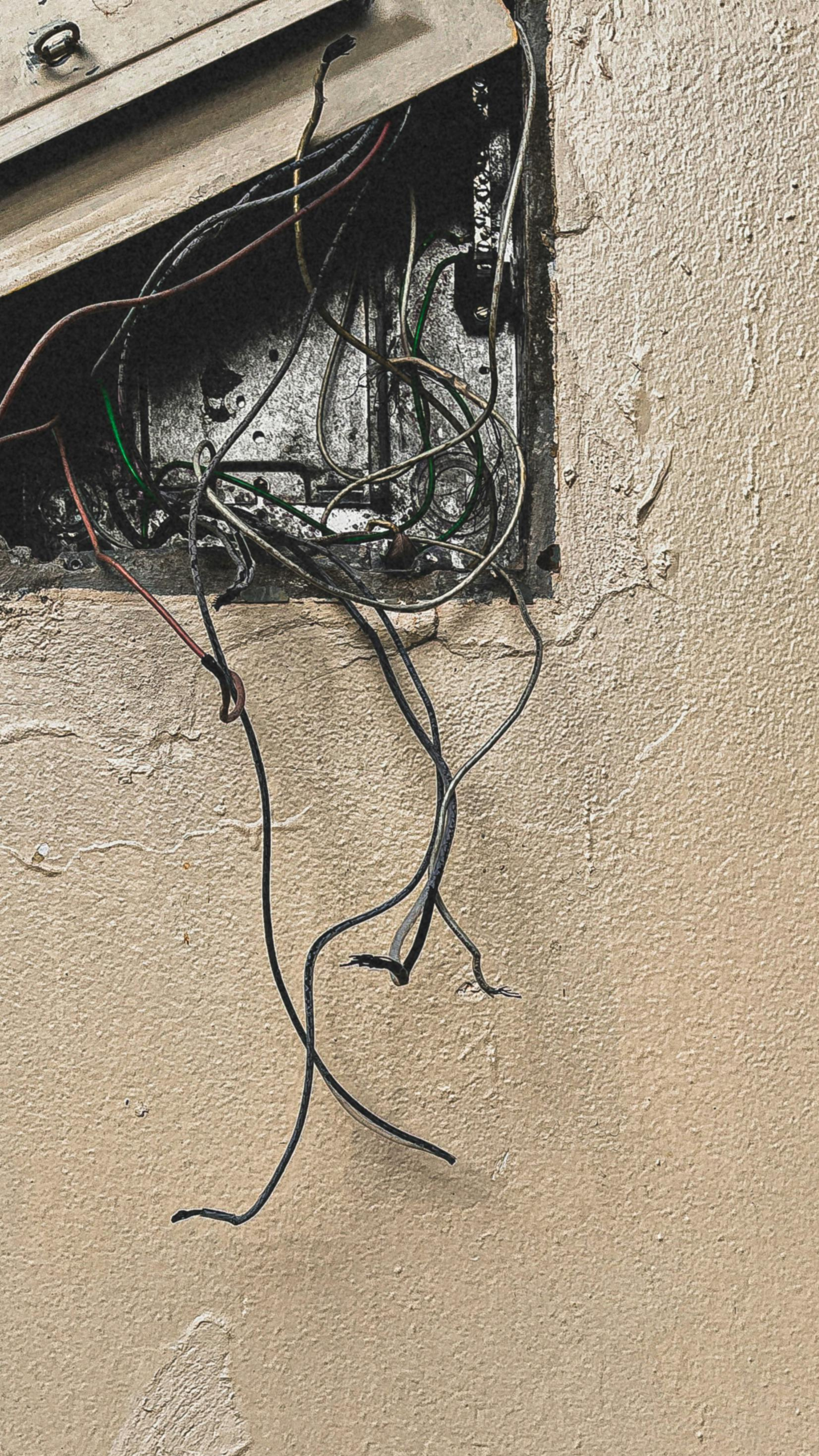
Damaged appliance cord showing a potential electrical safety hazard

Courtesy of Deeana Arts

Some estimates suggest that 20–25% of homes contain at least one recalled appliance. Not because homeowners don’t care, but because they never knew.

Recalls are surprisingly easy to miss. The appliance may never have been registered. The original owner may have moved away. The recall itself might not have been issued until years after the appliance was purchased. Sometimes, the notice simply never reaches the right person.

In many cases, recall systems track the buyer, not the appliance. And appliances tend to outlive ownership. That disconnect is where problems quietly settle in.

It creates a situation that feels almost like “Appliance Roulette.” Everything looks normal. Everything works. Until one day, it doesn’t.

Certain appliances show up on recall lists more often than others. Cooking appliances like stoves and ovens carry obvious fire and gas risks. Refrigerators can develop electrical or overheating issues. Dishwashers and washing machines often appear due to wiring or mechanical failures. Even microwaves, despite their simplicity, can develop internal hazards over time.

These aren’t rarely used machines. They’re the everyday backbone of your home.


What Should Homeowners Do in the Event of a Recall?

If you find out that one of your appliances has been recalled, the most important thing is to respond quickly and calmly.

Start by understanding the severity of the recall. Some issues are precautionary, while others involve immediate safety risks. If there’s any chance of fire, electrical shock, or injury, it’s best to stop using the appliance right away.

From there, follow the manufacturer’s instructions carefully. Recall notices are designed to walk you through the next steps, whether that means scheduling a free repair, installing a replacement part, or exchanging the unit entirely. In most cases, these fixes are provided at no cost.

It’s also a good idea to keep records of your communications and any service appointments. While it may seem unnecessary, having documentation can make the process smoother if there are delays or questions later.

One thing homeowners should avoid is assuming that a working appliance is a safe appliance. Many recalled units continue functioning normally until the moment they don’t. That’s exactly why recalls exist.

It’s worth noting that recall-related repairs are handled directly by manufacturers or their authorized service providers. This ensures that any fix meets the safety standards required to resolve the issue completely.


How Homeowners Can Stay Aware (Without Overthinking It)

Staying informed about appliance recalls doesn’t require constant attention. It just requires a simple, repeatable habit.

Registering your appliances when you purchase them is one of the easiest and most effective steps you can take. It ensures that if a recall is issued, you’re far more likely to hear about it.

You can also check for recalls directly through trusted sources. The U.S. Consumer Product Safety Commission maintains a searchable database where you can look up products by brand or category. Most manufacturers offer similar tools on their websites, allowing you to search using your appliance’s model number.

For homeowners who prefer a more streamlined approach, third-party services like RecallChek can compare your appliance information against large recall databases, saving time and effort.
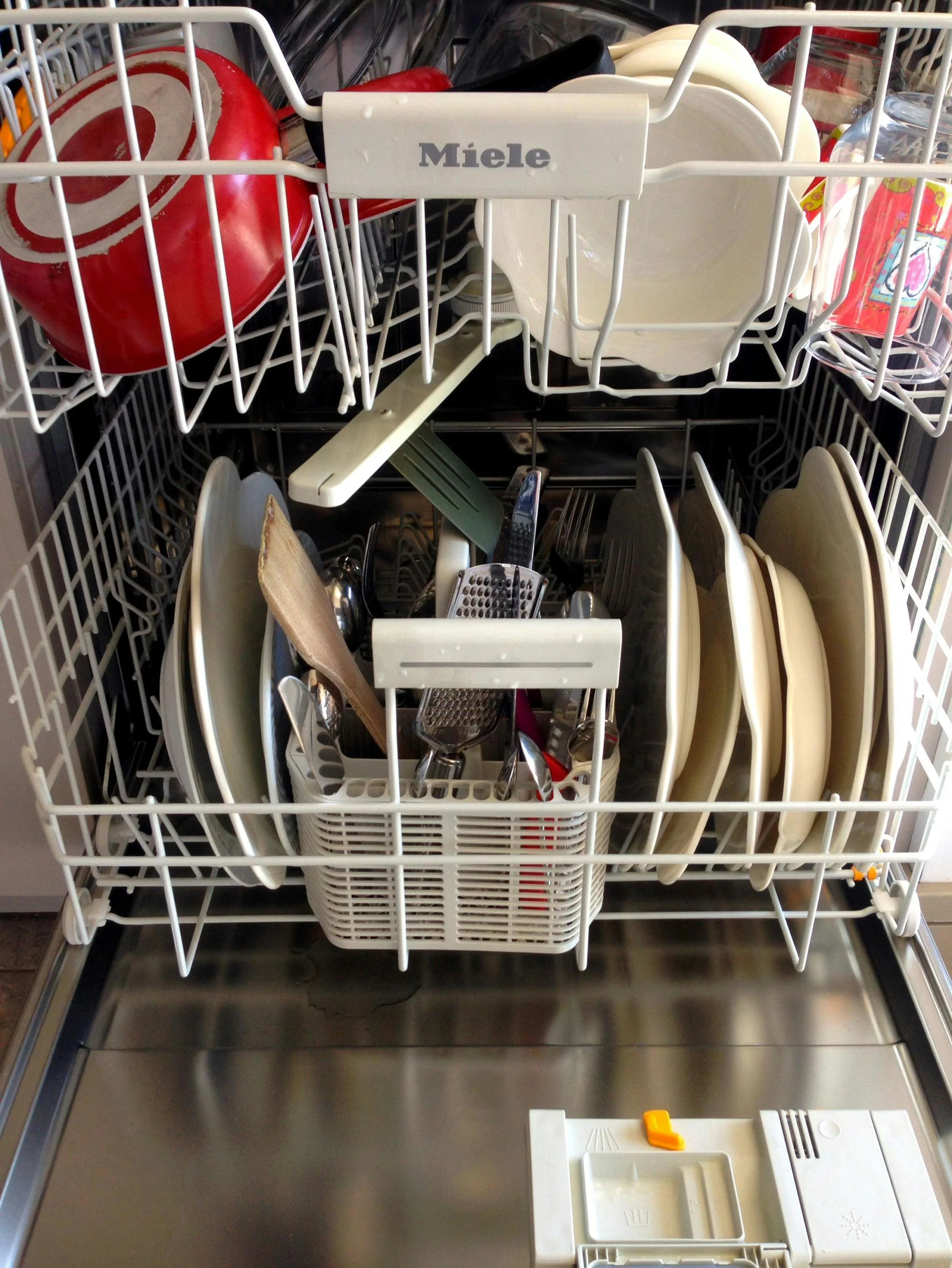
Open dishwasher representing a commonly recalled household appliance

Courtesy of Devilishly Good

Keeping your appliance information organized also makes a difference. Having model numbers, serial numbers, and receipts in one place allows you to check quickly and respond faster if needed.

The most effective shift, though, is mental. Don’t wait for a recall to find you. Treat recall checks as part of your normal home maintenance routine. A quick check once or twice a year is often enough to stay ahead of potential issues.


Everyday Safety Still Matters

Even when a recall isn’t involved, appliance safety is something that plays out in small, everyday moments.

Regularly inspecting cords and plugs for wear, avoiding overloaded outlets, and keeping components like dryer vents and refrigerator coils clean can prevent many common issues. These small actions reduce strain on your appliances and lower the risk of overheating or failure.

It’s also important to pay attention to subtle warning signs. Burning smells, unusual noises, or changes in performance often appear before a larger problem develops. Catching those early signals can make the difference between a simple repair and a much bigger issue.

Appliances rarely fail without warning. Most of the time, they give you clues. You just have to notice them.


Final Thoughts: Recalls Aren’t the Enemy

It’s easy to see recalls as something alarming. In reality, they’re a sign that the system is working to identify and correct problems.

The real risk isn’t the recall itself. It’s not knowing your appliance is part of one.

When you stay informed, check periodically, and act when needed, recalls become manageable. Even routine.

And if something in your home isn’t working the way it should, and it’s not related to a recall, Appliance Rescue Service is here to help. ARS focuses on diagnosing and repairing everyday appliance issues caused by normal wear and tear, helping you keep your home running safely and smoothly.

Because a safe home isn’t about eliminating every risk. It’s about staying aware of the ones that matter and taking action when it counts.


Website

Call: (214) 599-0055

Courtesy of Curtis Adams

Steps to Take When Your Appliance is Recalled

Protect your home by knowing what to do when an appliance poses a safety risk

Did you know that 50% of homes are likely to have at least one product that’s been part of a recall? Over the past five years alone, more than 15 million appliances have been recalled. That’s a staggering number! If you ever find yourself in this situation, knowing what to do next is essential—especially if the recall is related to a safety issue. Let’s walk through the steps you should take if an appliance in your home has been recalled.

Why Are Appliances Recalled?

courtesy of OpenClipart-Vectors.

Recalls usually happen for one of two reasons: either a design flaw prevents the appliance from working properly, or the defect makes the appliance downright dangerous to use. These issues could range from something as minor as a faulty part to something as serious as a fire risk. Once a recall is issued, the appliance in question can no longer be sold and should not be used until it’s been repaired, replaced, or refunded.

What’s the Impact of a Recall?

The impact depends on the nature of the recall. In some cases, it’s a minor fix. Other times, it’s a serious safety concern that requires you to stop using the appliance immediately. Either way, a recall can cause some disruption, but it’s always done with your safety in mind. Addressing it promptly could help prevent potential accidents in your home.

Who Handles Recalls?

There are six different agencies in the U.S. responsible for managing recalls, each overseeing different types of products:

  1. Consumer Product Safety Commission (CPSC) – The main agency for home appliances and general consumer products.

  2. Food and Drug Administration (FDA) – Oversees food, drugs, and medical devices.

  3. National Highway Traffic Safety Administration (NHTSA) – Handles motor vehicle safety.

  4. Environmental Protection Agency (EPA) – Regulates things like pesticides and hazardous chemicals.

  5. Department of Agriculture (USDA) – Manages recalls for meat, poultry, and eggs.

  6. Coast Guard – Deals with boats and watercraft safety.

Courtesy of Cyber Rabbit.

As you can see, although they all handle ‘recalls’ only one of them deals specifically with home appliances. We point this out so that if you hear of a recall that isn’t coming from them, you should know to do more research. 

I Heard About a Recall—What Should I Do?

Let’s use a recent example: imagine you’ve just heard about a recall for Frigidaire appliances. Here’s what you need to do:

  1. Check the CPSC Website
    Head over to the Consumer Product Safety Commission’s website and look up the recall. You’ll need the model and serial number of your appliance to confirm whether it’s part of the recall. They will always tell you where you should look to find your model number. 

  2. Contact the Manufacturer
    Once you’ve confirmed that your appliance is included, get in touch with the manufacturer. They’ll give you instructions on what to do next. Depending on the recall, they may offer you a repair, replacement, refund, or rebate.

  3. Refund vs. Rebate: What’s the Difference?

    • Refund: You get your money back.

    • Rebate: You get a partial refund or credit toward another product from the same company.

  4. Keep Detailed Records
    Be sure to document everything! This includes dates, names of people you speak to, reference numbers, and any communication you have with the manufacturer. Keeping track of these details will help you if any issues arise.

  5. Discuss the Recall with Your Household
    It’s important to talk with everyone in the house about the recall. Here’s why:

    • Awareness: Make sure everyone knows not to use the appliance.

    • Assess the Risk: Decide whether the issue is minor or major based on your needs. A broken oven light might be one thing, but a fire hazard is another.

    • Make a Plan: Depending on the situation, you may need to change your routine. This could be as simple as planning alternative meals while waiting on a repair, or keeping a close eye on the appliance if you continue to use it.

Courtesy of StockSnap

Prioritize Safety When Dealing with a Recalled Appliance

Once you’ve confirmed that your appliance is part of a recall, the most important step is to stop using it immediately. Even if the issue seems minor—like a malfunctioning light or a door that doesn’t seal properly—there could be hidden risks that aren’t immediately obvious. Unplug the appliance or turn off its circuit breaker to prevent any accidental use while you wait for the repair or replacement. Safety should always come first, especially when it involves risks like overheating, electrical malfunctions, or potential fire hazards.

While waiting for a solution, consider the impact of the recalled appliance on your household. For example, if the issue is with your refrigerator or oven, you’ll need to find safe alternatives for storing food or preparing meals until the appliance is fixed. In cases where the recall affects something more critical, like a washing machine with a potential water leak, it’s essential to prevent further damage by keeping the appliance unplugged and notifying all household members about the issue.

Finally, take extra precautions if the appliance is located in a high-traffic area or is used frequently. If the recall notice mentions fire risks or electrical hazards, make sure the area around the appliance is clear of any flammable materials. Stay vigilant and check for any additional signs of malfunction, such as strange smells, sparks, or unusual noises. Acting swiftly and staying informed are the best ways to protect your home and loved ones while you wait for the manufacturer to address the issue.


Be Proactive: Register Your Appliances

Even if none of your current appliances are on recall, it’s a good idea to register them now. That way, if something does come up, you’ll be notified right away. Registering appliances takes just a few minutes but can save you a lot of time and stress in the long run.


Appliance recalls can feel overwhelming, but taking the right steps will ensure your home stays safe. While Appliance Rescue Service doesn’t handle recalls directly, we’re here to help keep your appliances running smoothly. Whether it’s routine maintenance or handling repairs after a recall, our technicians are just a call or click away. Visit our website to schedule an appointment or give us a call if you need assistance with your appliances.


Website
Call ((214) 599-0055) 


Examples of Appliance Recalls

  • Maytag Dishwasher Recall (2010): Maytag recalled over 1.7 million dishwashers after discovering that the heating element could overheat and pose a fire risk.

  • Frigidaire Stove Recall (2023): A recall was issued for certain Frigidaire stove models due to a malfunction that caused ovens to overheat, creating a potential fire hazard.

  • Whirlpool Wall Ovens Recall (2016): Whirlpool recalled certain models of its wall ovens due to the potential for the oven racks to fall when they were in use. While this didn’t pose a fire hazard, it could cause burns or injuries from hot dishes falling. The recall was minor, involving a fix to adjust the placement of the racks.


Additional Reading
Navigating the Frigidaire Refrigerator Recall

Kitchen Safety 101: Protecting Your Little Ones at Home
Kitchen Hazards Unveiled