home maintenance tips

Are These Viral Home Tips Wasting Your Money?

Not every tip online saves money. Here’s what homeowners should know. 

How many changes around your house have you made in the name of saving energy or cutting down on waste? Scroll through TikTok, Instagram, Pinterest, YouTube, or Facebook, and you’ll find an endless stream of “lifehacks” promising to shrink your bills, streamline your routine, and make your home run like a well-oiled machine. Some of them genuinely help. Others… not so much. And a surprising number land somewhere in that murky middle ground where they sound smart but don’t quite deliver.

With Earth Day around the corner, many homeowners are looking for simple ways to reduce waste and lower energy use at home. It’s a great goal, but not every tip circulating online actually delivers on that promise. 

From baking eggshells in the oven to reviving the backyard clothesline, homeowners are experimenting with all kinds of ideas to keep more money in their pockets and reduce waste. It’s an understandable goal. But here’s the catch: not every hack works the way it claims to. In fact, some can quietly cost you more time, more energy, and more wear on your appliances.

That gap between expectation and reality is bigger than most people realize. In a survey of 2,000 adults, over half said they’d tried a social media hack, but 21 percent found those tricks didn’t live up to the promise. Even more telling, nearly 80 percent admitted viral hacks aren’t always as effective as they first appear. The most commonly tested tips? Cooking shortcuts, DIY fixes, kitchen cleaning tricks, and ways to save money around the house. In other words, the exact areas where a little misinformation can go a long way.


The challenge is that not all “energy-saving” habits actually reduce your environmental impact. Some increase water usage, some strain your appliances, and others simply don’t work at all. Over time, that can lead to more waste, not less.  Let’s take a closer look at a few popular home “hacks” that might be doing more harm than good.

Running a spin-only cycle before using the dryer
At first glance, this one seems clever. Spin your clothes again to remove extra moisture, then shorten dryer time. In reality, most modern washers are already optimized to extract as much water as possible during their final spin. Running an extra cycle adds time, uses more electricity, and increases wear on your washer without delivering much of a payoff. Instead of saving energy, you may just be stretching out your laundry routine for marginal gains.

Cooking in your dishwasher
Yes, this is a real trend. And while it might earn points for creativity, it raises more than a few eyebrows when it comes to food safety. Dishwashers aren’t designed for consistent, food-safe cooking temperatures, and the detergent environment alone makes this a questionable choice. Even if it “works,” it’s not exactly a reliable or efficient way to prepare a meal. Some hacks are better left as internet curiosities than real-life habits.
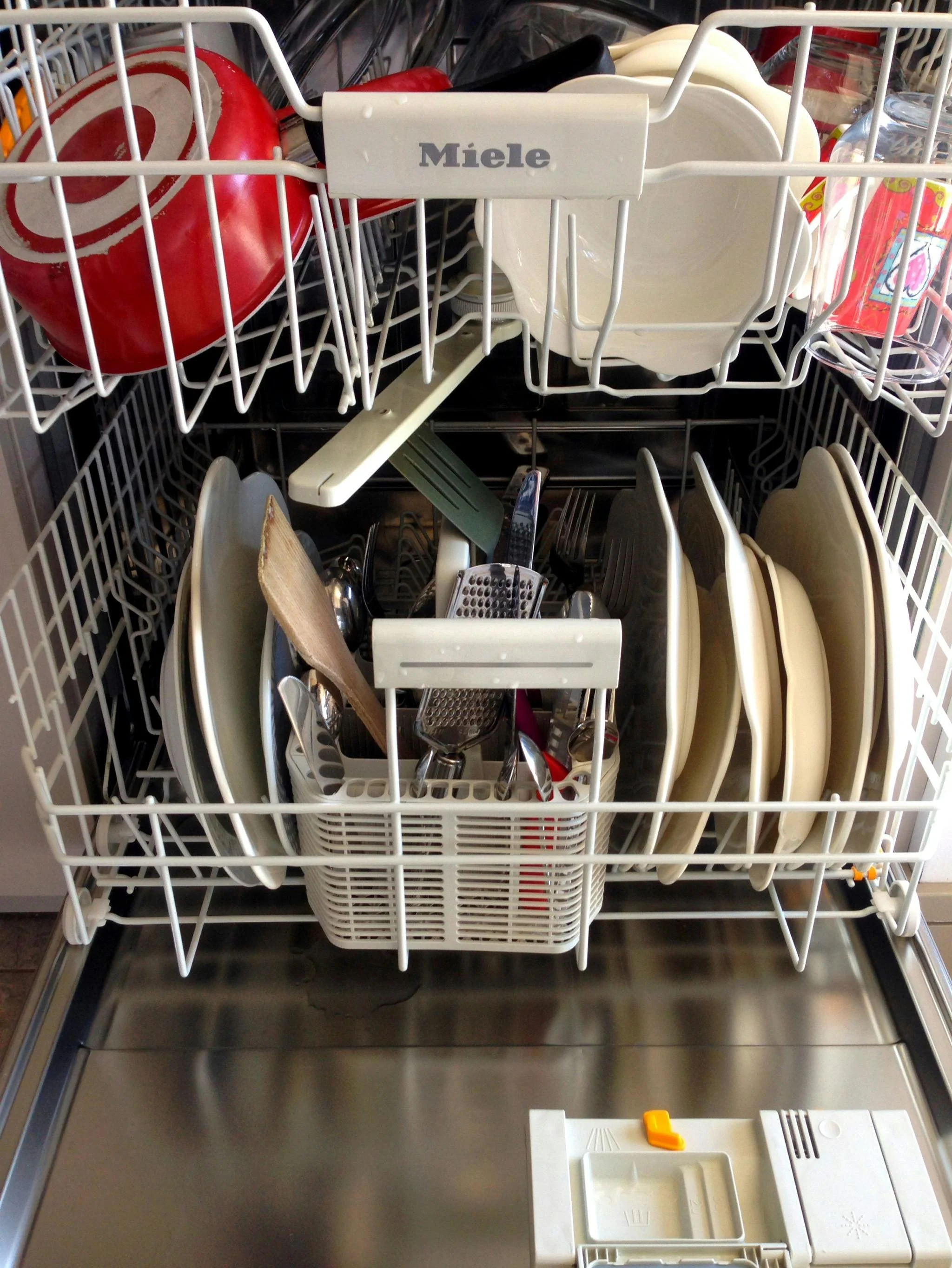
Courtesy of Devlishly Good

Running your washer or dishwasher at maximum capacity
This one feels logical: fewer loads should mean less water and energy, right? Not quite. Both washers and dishwashers rely on space to circulate water and detergent effectively. When they’re packed too tightly, items don’t get properly cleaned, which often leads to re-running the cycle. That second run cancels out any savings and adds extra strain to your appliance. A full load is good. An overstuffed one is a different story entirely.

When appliances aren’t used correctly, they often need to work harder or run multiple cycles, which quietly increases both energy use and household waste. 
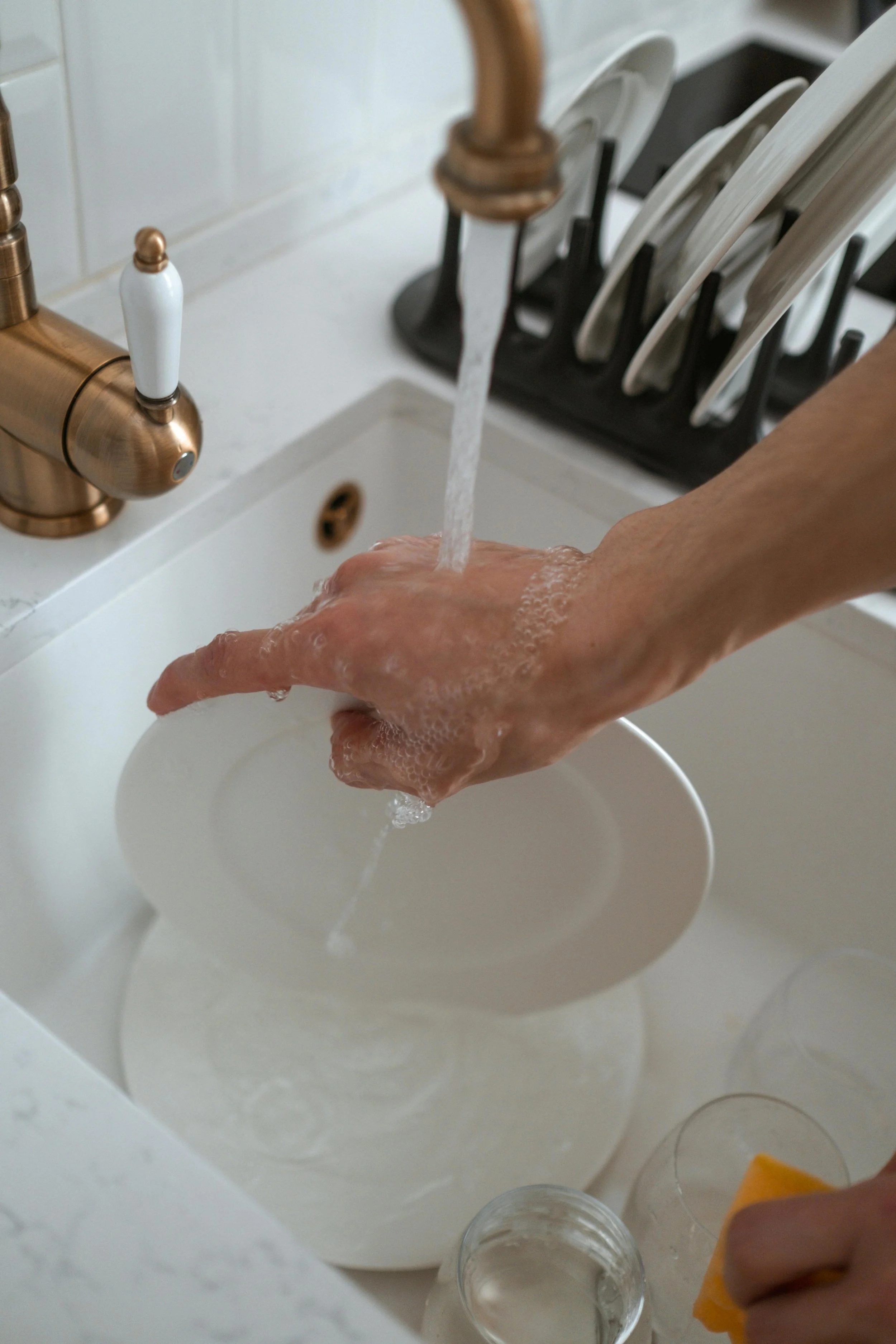
Person handwashing dishes in a kitchen sink

Courtesy of Cottonbro

Handwashing dishes to save water (and pre-rinsing for the dishwasher)
This myth has been around for years, but modern appliances have changed the game. Today’s dishwashers are designed to be highly water-efficient, often using less water than handwashing a full sink of dishes. And pre-rinsing? In most cases, it’s unnecessary. Dishwashers are built to handle food residue, and pre-rinsing just sends perfectly usable water down the drain. Ironically, trying to “help” your dishwasher can make the process less efficient overall.

Using appliances less to make them last longer
It sounds like common sense: less use equals less wear and tear. But appliances aren’t museum pieces, they’re built to be used. In fact, regular use helps keep internal components functioning properly. Take your dishwasher, for example. Its seals are designed to stay flexible in a moist environment. When it sits unused for long periods, those seals can dry out, crack, and eventually fail. Instead of extending the life of your appliance, avoiding it can lead to repairs sooner than expected.

Energy-saving boxes
If a small plug-in device promises to cut your energy bill by 20 to 35 percent, it’s worth a second look, and not in a good way. These so-called “energy-saving boxes” claim to stabilize voltage and optimize appliance performance, but there’s no credible evidence they actually reduce energy usage. What’s more concerning is the safety risk. Investigations have found that many of these devices fail basic electrical safety standards, making them potential fire and shock hazards. In short, they don’t just fail to save energy, they can actively put your home at risk.
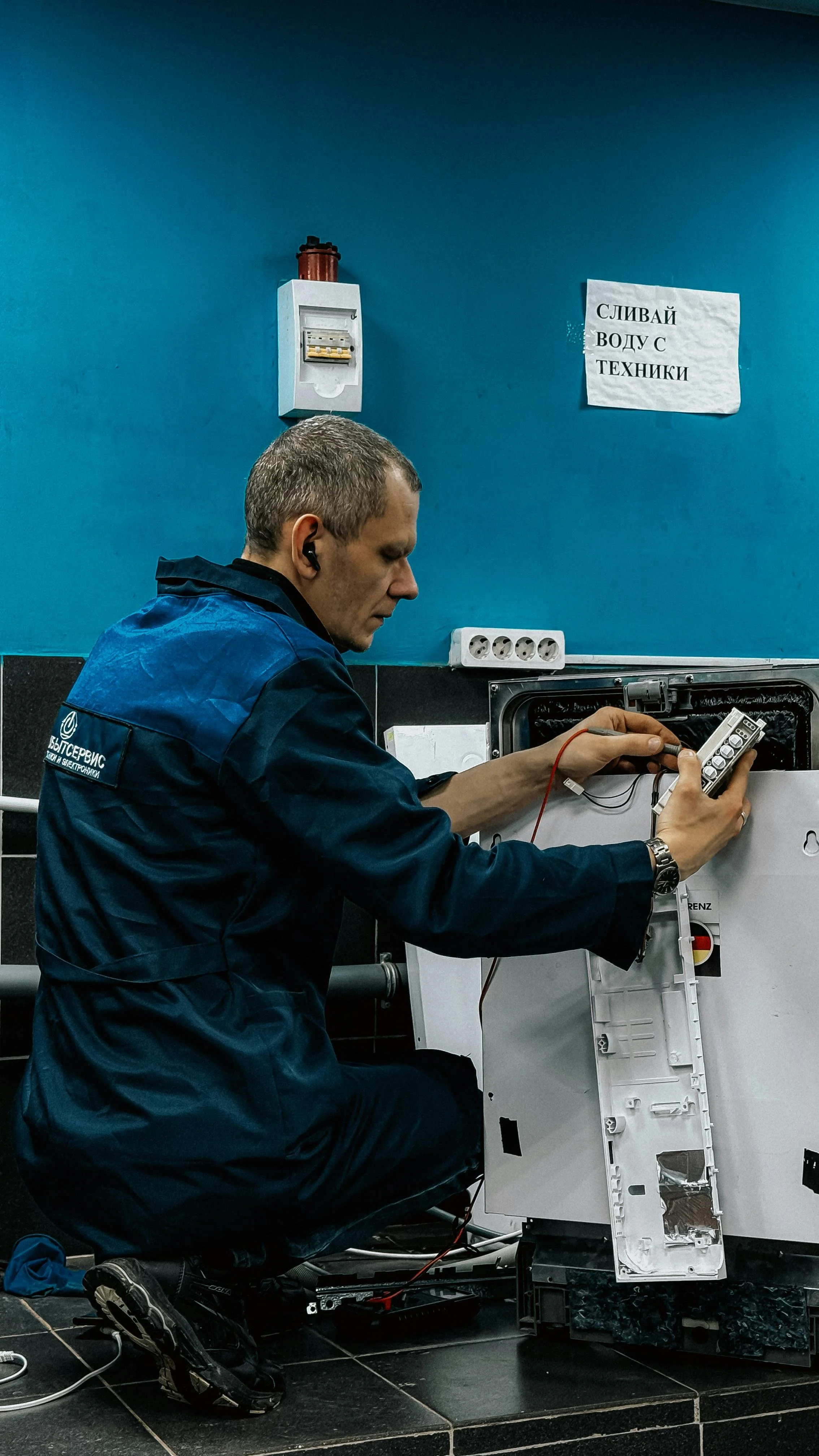


Courtesy of bulat843

Trying to run a more efficient home is a smart goal. But the path to getting there isn’t paved with viral shortcuts. It’s built on using your appliances the way they were designed, maintaining them properly, and knowing which “hacks” to ignore.

While not every tip online holds up, one thing is consistent: when your appliances are working efficiently and used the way they’re designed to, they use less energy and last longer.

This Earth Day, it’s worth remembering that every repair helps extend the life of your appliances and keeps unnecessary waste out of landfills. Small decisions at home can add up to a meaningful impact over time.

If your appliances are acting up, running longer than usual, or not performing the way they should, it may be time to take a closer look. Reach out today, and a trained technician can help get everything back on track—so your home runs efficiently, and a little lighter on the planet.


Website

Call: (214) 599-0055


The Strategic Homeowner’s Guide to Refurbishing Instead of Replacing

A practical guide to making your home feel new again—without tearing it apart.

There’s a quiet truth that reveals itself over time in and around homes: the house is almost never the problem. It’s the rush. The rush to tear out. The rush to replace. The rush to “fix” something before understanding why it feels off in the first place.

Most homes don’t need dramatic renovations. They need patience. They need observation. And more often than not, they need small, thoughtful refinements that respect how the space actually functions. Given enough time and attention, a house will make its needs clear.

The Philosophy — Listen, Observe, Delay

Before any tools come out, time in the space matters. Not a weekend. Not a quick walkthrough. Weeks, sometimes months. Watch how light moves across the floor in the morning. Notice which rooms people naturally gather in—and which ones they quietly avoid. Pay attention to hesitation points, tight transitions, and areas where movement doesn’t feel natural. That hesitation is useful information.

Too many homeowners skip this step and move straight to demolition. Kitchens are redesigned before they’re fully used. Walls come down without understanding traffic flow. Thousands are invested into “fixes” that don’t address the underlying issue. A home isn’t static—it’s experienced.

The most effective improvements come from lived patterns: where people walk, where light feels inviting or harsh, which spaces are underused, and why. Delaying decisions long enough to understand those patterns prevents wasted money and leads to changes that actually improve the home.

The Top 10 Refinements That Make a Real Difference

These aren’t dramatic renovations. They’re targeted upgrades that change how a home feels without tearing it apart.

Cabinet pulls and knobs are small details with immediate impact. Replacing dated hardware with a clean, modern option can transform a kitchen or bathroom in under two hours, often for $20 to $200. Matching existing hole spacing keeps the process simple and efficient.

Lighting shapes how every room is experienced. In many cases, fixtures don’t need to be replaced—just updated. Older ceiling fans and fixtures can often be refinished with paint or stain to better align with the room’s tone and balance throughout the day.

If flooring feels off, replacement isn’t always the first move. A well-placed rug can define space, add warmth, and conceal wear while allowing time to make a more informed long-term decision. With minimal effort and a modest budget, the feel of a room can shift significantly.

Surface damage on furniture—scratches, water rings, and scuffs—is rarely a reason for replacement. Most issues can be corrected or minimized with simple techniques such as heat treatment, wood markers, or protective liners. Extending the life of existing pieces avoids unnecessary expense.

A dripping faucet or running toilet is more than an annoyance—it’s a source of ongoing waste. In many cases, the fix is straightforward: replacing a washer, adjusting a flapper, or clearing buildup. These small repairs can be completed in a short amount of time while reducing utility costs.

Before replacing cabinets, it’s worth evaluating whether the issue is functionality rather than structure. Upgrading hinges, replacing drawer slides, or making minor repairs can restore usability and extend lifespan without the disruption of a full replacement.

Exterior surfaces often suffer from gradual buildup that dulls a home’s appearance. Cleaning siding, decks, and driveways—whether by hose or pressure washer—can dramatically improve curb appeal in a single afternoon.

Window film offers a practical solution for privacy, glare, or an undesirable view. It softens incoming light and enhances visual comfort without requiring permanent changes or construction.

Bathtubs that appear worn or outdated don’t always need replacement. Reglazing can restore finish, color, and surface integrity at a fraction of the cost, providing a clean, updated look without major disruption.

Carpets that appear beyond saving are often recoverable. Deep cleaning, patching, or dye correction can restore appearance and extend usability. In many cases, what looks worn is simply years of embedded dirt.

When NOT to Refurbish

Not everything should be saved, and knowing when to stop is just as important as knowing what to fix.

Start by determining whether the item can realistically be repaired. Severe structural damage, rot, or pest-related deterioration typically signals replacement.

Next, consider whether there’s a clear path to repair. If reliable methods, tools, or professional solutions aren’t available, the process becomes guesswork—and guesswork leads to unnecessary cost.

It’s also important to recognize when a project requires a professional. Electrical work, structural changes, and complex plumbing should not be approached as trial-and-error tasks.

Finally, evaluate the numbers. Compare the cost of repair, the expected lifespan after the repair, and the cost of replacement. If a repair approaches replacement cost while offering limited longevity, it’s not a sound investment.


A well-managed home isn’t defined by how often things are replaced, but by how carefully decisions are made. Thoughtful homeowners take the time to understand how their space functions before committing to major changes. Small, well-executed repairs and refinements consistently outperform rushed renovations in both cost and long-term satisfaction. And when those repairs go beyond a simple DIY fix—whether it’s a leaking refrigerator, a failing heating component, or something that needs a trained hand—having a trusted service partner matters. The goal isn’t just to improve your home, but to maintain it intelligently, with the right expertise applied at the right time.

Love at First Service: Why Regular Maintenance is the Key to Happy Appliances

Protect your investment and avoid surprise repair bills. Here’s why routine maintenance is the smartest way to keep your appliances happy and healthy.

Your appliances are the heart of your home, working tirelessly day in and day out. From keeping your food fresh to making sure your clothes come out clean and dry, these machines are essential to your everyday routine. But just like any long-term relationship, they need care and attention to stay in top shape. Regular maintenance is the key to ensuring your appliances stay happy, healthy, and running smoothly for years to come.

The Benefits of Routine Maintenance

Neglecting maintenance can lead to breakdowns, costly repairs, and even the premature replacement of expensive appliances. Here are five reasons why giving your appliances a little TLC is the smartest investment you can make:

Extend Their Lifespan – Regular check ups can help keep small issues from turning into major failures. This allows your appliances to continue running efficiently for years.


Save Money on Repairs – catching problems while they're small means you avoid hefty repair bills, or having to do a full replacement.


Improve Energy Efficiency – appliances that are well cared for use less energy which keeps your utility bills low.


Ensure Safety – Appliances that are faulty pose serious risks. Dangers can range from electrical fires to gas leaks to flooding. Regular inspections help keep your home safe.

Prevent Surprise Breakdowns – None of us want to deal with a broken refrigerator in the middle of summer or a washer that won't drain in winter. Scheduled maintenance keep things running smoothly year-round.


What Regular Maintenance Looks Like

Many homeowners, prior to having something break for the first time, think that maintenance and repair are the same thing. In fact there's a key difference between the two. Maintenance is about preventing problems. Like regular talking to a partner to avoid a fight, you check in and clean to keep your appliances running smoothly. Repairs are after something has broken. Or to continue our previous analogy after you've already had a major fight. By staying on top of maintenance, you can avoid expensive repairs and keep your relationship running strong for years to come.


Every appliance in your home has specific maintenance needs. A professional service check can ensure that everything stays in top condition. Here are a few things that a maintenance visit might include: 

Refrigerator Love

Give your refrigerator some love by doing these three tasks. 

Clean the condenser coils to ensure efficient cooling. Getting clogged with dust is all too easy given most refrigerators are pressed close to a wall. 

Check and replace water and air filters as needed. (We suggest every 4-6 months for the water filter and at least once a year for the air filters.) 

Courtesy of RDNE

Inspect door seals to prevent cold air leaks. This one should be on your quarterly list, this way your food stays fresh for longer. 


Dishwasher Care

Given many of us use our dishwasher on a daily basis, they need regular love. These three tasks can be done once a month to keep it in top shape. 

Clean filters and spray arms for optimal performance. Using a diluted solution of vinegar with a soft toothbrush, helps to keep it clean.

Check seals and drainage to prevent leaks. 

Run a deep-cleaning cycle to eliminate buildup.


Laundry Room TLC

Your washer and dryer both need tlc on a regular basis, to keep them functioning and to keep your home safe. 

Inspect washing machine hoses for leaks or damage.

Clean dryer vents to prevent fire hazards.

Ensure proper drainage and spin cycle efficiency. 

Oven & Stove Check-Up

These three tasks are easy to do and give your range some much-needed love. 

Test temperature accuracy for even cooking. A digital thermometer is the best way to handle this one, but a technician can help if you don’t have one. 

Inspect your gas lines and igniters for safety. 

Ensure that the fans and door seals are working properly.

Courtesy of Liliana Drew

Make Maintenance a Habit

The best way to avoid major appliance troubles is to schedule routine maintenance. While every six months is great, a simple annual check-up can make all the difference in keeping your appliances running smoothly. Whether it’s your refrigerator, oven, dishwasher, or dryer, showing your appliances a little love today means fewer headaches tomorrow.


At Appliance Rescue Service, our skilled technicians are ready to help you protect your investment. Give us a call to schedule your maintenance check and keep your home running effortlessly. We’ll work with you to find a date and time that fit your schedule best. After all, a happy appliance means a happy home. 


Website

Call  (214) 599-0055

Additional Reading
Don't Let Your Dryer Become a Fire Hazard 

Stay Cozy This Winter: Key Chores for Your Home

Fact Check: Common Appliance Maintenance Beliefs Debunked


Avoid the Break-Up: How Overloading Appliances Can Lead to Disaster

 Think cramming in that extra load will save time? Think again!

We all want our household chores to be as quick and efficient as possible. Tossing in an extra sweater, cramming in a few more dishes, or stuffing the dryer to the brim might seem like a great time-saver. But is it?

Overloading your appliances doesn’t just mean a subpar clean or an extra drying cycle. It causes real damage—broken parts, clogged drains, and costly repairs that could have been avoided. Worse, it shortens the lifespan of your machines, meaning you’ll be shopping for a replacement much sooner than expected.


In this article, we’ll take a look at the risks of overloading your dishwasher, washer, and dryer, along with some telltale signs that your appliances are crying out for a break.


Dishwasher

Let's start off with the one we’re all probably guilty of. Overloading the dishwasher. 


It's the end of a long week, and all you want is to go to sleep, and you just need to fit a few more dishes in. You don't want to wash them by hand, and surely you can find a way to make them fit. That is the type of thinking that we are all guilty of at least every now and then. But as you can tell, since you're here, that leads to many problems. 


The biggest one for that late-night version of you? Tomorrow-you is going to have to wash all of those dishes again. When there's not enough space in the dishwasher water and soap cannot flow easily and they struggle to clean everything fully. This means that you're going to be pulling out plates with food still stuck on them or silverware that is still oily from the day before. 


Putting in cookware and facing it downwards rather than to the side will act like a shield. That blocks the spray arm, which not only causes your other dishes to stay dirty but can also end up breaking your spray arm. 

If you pack things too tightly, you can end up having broken dishes from things being pushed during the wash cycle. 

Courtesy of jhenning

You can also end up dealing with clogged drainage which will then lead eventually to water leaking across your kitchen. It all starts with the food and oily residue that we mentioned before. When you're overloading the dishwasher, there's too much for it to handle and so not everything gets washed out. From there the drain's clog and not only does that cause issues with bacteria breeding, but it can also lead to water leaking out of the dishwasher because there's nowhere else for it to go.


Washer

Still dealing with water oriented appliances, let's take a look at the washer in your laundry room. Overloading your washing machine can come in one of two forms, either you are putting items that are two bulky and take up too much space, or you're putting an items that are too heavy. 


Both of these, however, will result in many problems, the least of which is having to rerun the load. 

Overloading your washing machine puts strain on the motor and faster wear and tear from that strain means the motor will die that much more quickly.


Like we mentioned, you'll have to rewash the load because the water is unable to reach everything during the first load. So you can either run it twice or deal with the clothes not being as clean as they should be. 

 Having your clothes packed tightly together is also likely to damage your clothing. Buttons, zippers, and other closures can catch on hems, stray strings, or even delicate fabrics and cause rips. This means your carefully curated wardrobe dies far more quickly than you would want.


Courtesy of RDNE Stock Project

You can also lose pieces. Have you ever wondered what happens to your  socks? When you know you put two pairs in and you only get one of each back? One of the reasons that can happen is that smaller items are easier to get sucked down the drainage of your washer. Which leads to its own problems, like clogged pipes or leaks depending on the size of the item. 


Dryer 

Your dryer has the easiest signs to spot if you're overloading it. If you dryer is producing lots of lint, and we do mean lots. If you are needing to dry a load more than once in order to get it completely dry. Or if you pull out excessively wrinkled clothing straight from the dryer. These are all signs that your dryer is overloaded. 


Courtesy of Planet Care

These are problems in and of themselves, but larger ones are the damage to the dryer itself. The belt, pulley assembly, and bearings, these are critical components. If these break, your dryer is non-functional. a


Overloading your appliances might seem like a non-issue or even a way to save time and money. But as we pointed out in each section, continual overloading means that you save neither. Overloading stops things from either getting cleaned or dried appropriately, as neither water nor air can flow easily. So you end up having to run a load twice maybe even three times, depending on what you were doing. Then, you end up with an even higher electric bill. With enough time and repeated overloading, you also wear down your appliance. This means that you then need to call in a technician to diagnose and fix the problem. Which, although we are here to fix your appliances, is not something we want for you. We’re always here to help with repairs, but preventing damage in the first place saves you time, money, and the frustration of an appliance breakdown.


Appliance Rescue Service is here for you—whether your appliances are brand new or have been with you for years. Our goal? To get them back in top shape so they serve you well for years to come.  You can reach out to us to via our website or by giving us a call and we’ll work with you to help you find a date and time that works for you.


Website
Call: (214) 599-0055


Additional Reading
Signs Your Appliances Are Overheating, and What to Do About It


DIY Repairs vs. Your Appliance Warranty: What’s the Real Cost?

Prepare Your Home for Fall: Essential Maintenance Tips