
Not every tip online saves money. Here’s what homeowners should know.
How many changes around your house have you made in the name of saving energy or cutting down on waste? Scroll through TikTok, Instagram, Pinterest, YouTube, or Facebook, and you’ll find an endless stream of “lifehacks” promising to shrink your bills, streamline your routine, and make your home run like a well-oiled machine. Some of them genuinely help. Others… not so much. And a surprising number land somewhere in that murky middle ground where they sound smart but don’t quite deliver.
With Earth Day around the corner, many homeowners are looking for simple ways to reduce waste and lower energy use at home. It’s a great goal, but not every tip circulating online actually delivers on that promise.
From baking eggshells in the oven to reviving the backyard clothesline, homeowners are experimenting with all kinds of ideas to keep more money in their pockets and reduce waste. It’s an understandable goal. But here’s the catch: not every hack works the way it claims to. In fact, some can quietly cost you more time, more energy, and more wear on your appliances.
That gap between expectation and reality is bigger than most people realize. In a survey of 2,000 adults, over half said they’d tried a social media hack, but 21 percent found those tricks didn’t live up to the promise. Even more telling, nearly 80 percent admitted viral hacks aren’t always as effective as they first appear. The most commonly tested tips? Cooking shortcuts, DIY fixes, kitchen cleaning tricks, and ways to save money around the house. In other words, the exact areas where a little misinformation can go a long way.
The challenge is that not all “energy-saving” habits actually reduce your environmental impact. Some increase water usage, some strain your appliances, and others simply don’t work at all. Over time, that can lead to more waste, not less. Let’s take a closer look at a few popular home “hacks” that might be doing more harm than good.
Running a spin-only cycle before using the dryer
At first glance, this one seems clever. Spin your clothes again to remove extra moisture, then shorten dryer time. In reality, most modern washers are already optimized to extract as much water as possible during their final spin. Running an extra cycle adds time, uses more electricity, and increases wear on your washer without delivering much of a payoff. Instead of saving energy, you may just be stretching out your laundry routine for marginal gains.
Cooking in your dishwasher
Yes, this is a real trend. And while it might earn points for creativity, it raises more than a few eyebrows when it comes to food safety. Dishwashers aren’t designed for consistent, food-safe cooking temperatures, and the detergent environment alone makes this a questionable choice. Even if it “works,” it’s not exactly a reliable or efficient way to prepare a meal. Some hacks are better left as internet curiosities than real-life habits.
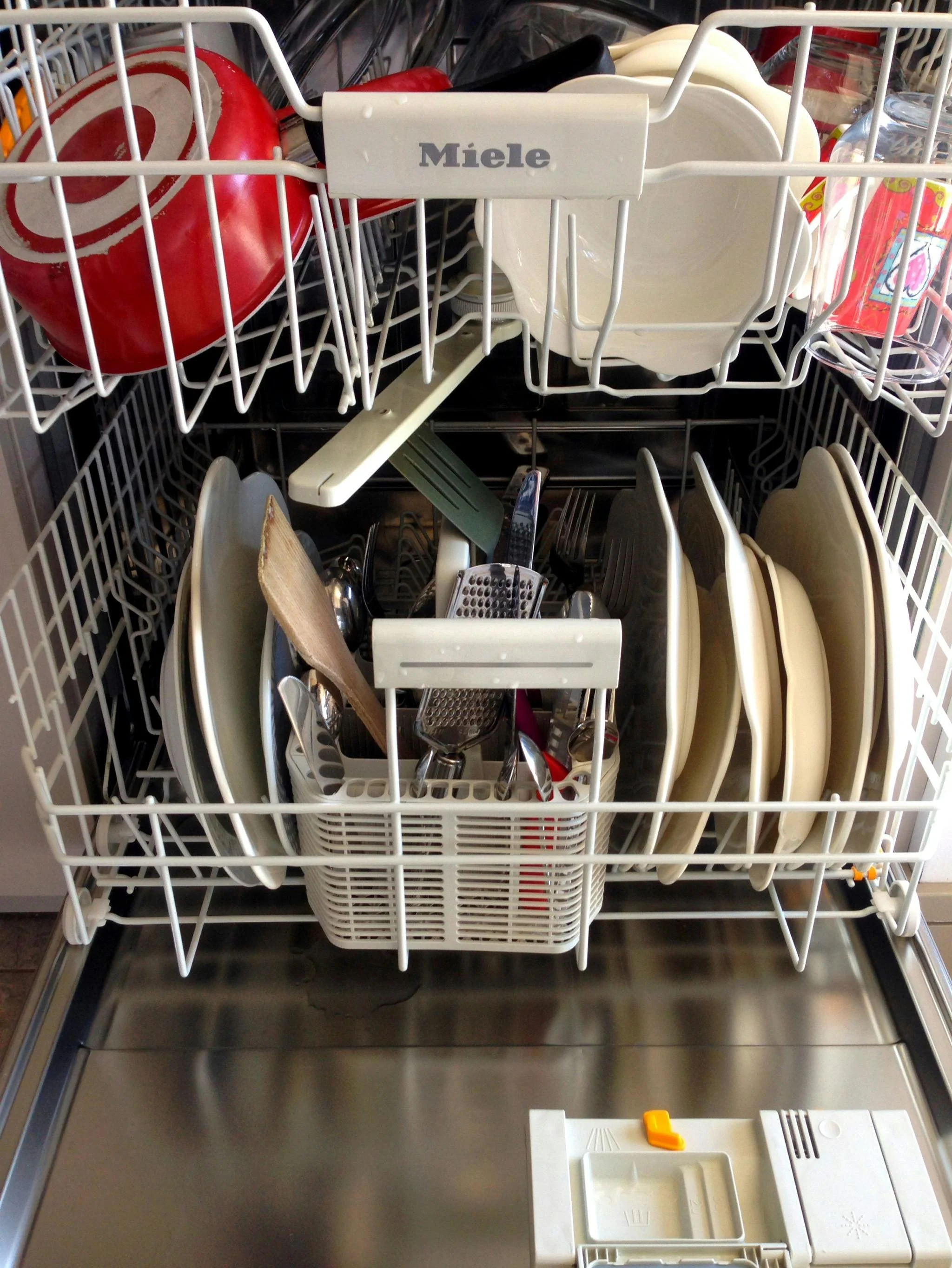
Courtesy of Devlishly Good
Running your washer or dishwasher at maximum capacity
This one feels logical: fewer loads should mean less water and energy, right? Not quite. Both washers and dishwashers rely on space to circulate water and detergent effectively. When they’re packed too tightly, items don’t get properly cleaned, which often leads to re-running the cycle. That second run cancels out any savings and adds extra strain to your appliance. A full load is good. An overstuffed one is a different story entirely.
When appliances aren’t used correctly, they often need to work harder or run multiple cycles, which quietly increases both energy use and household waste.
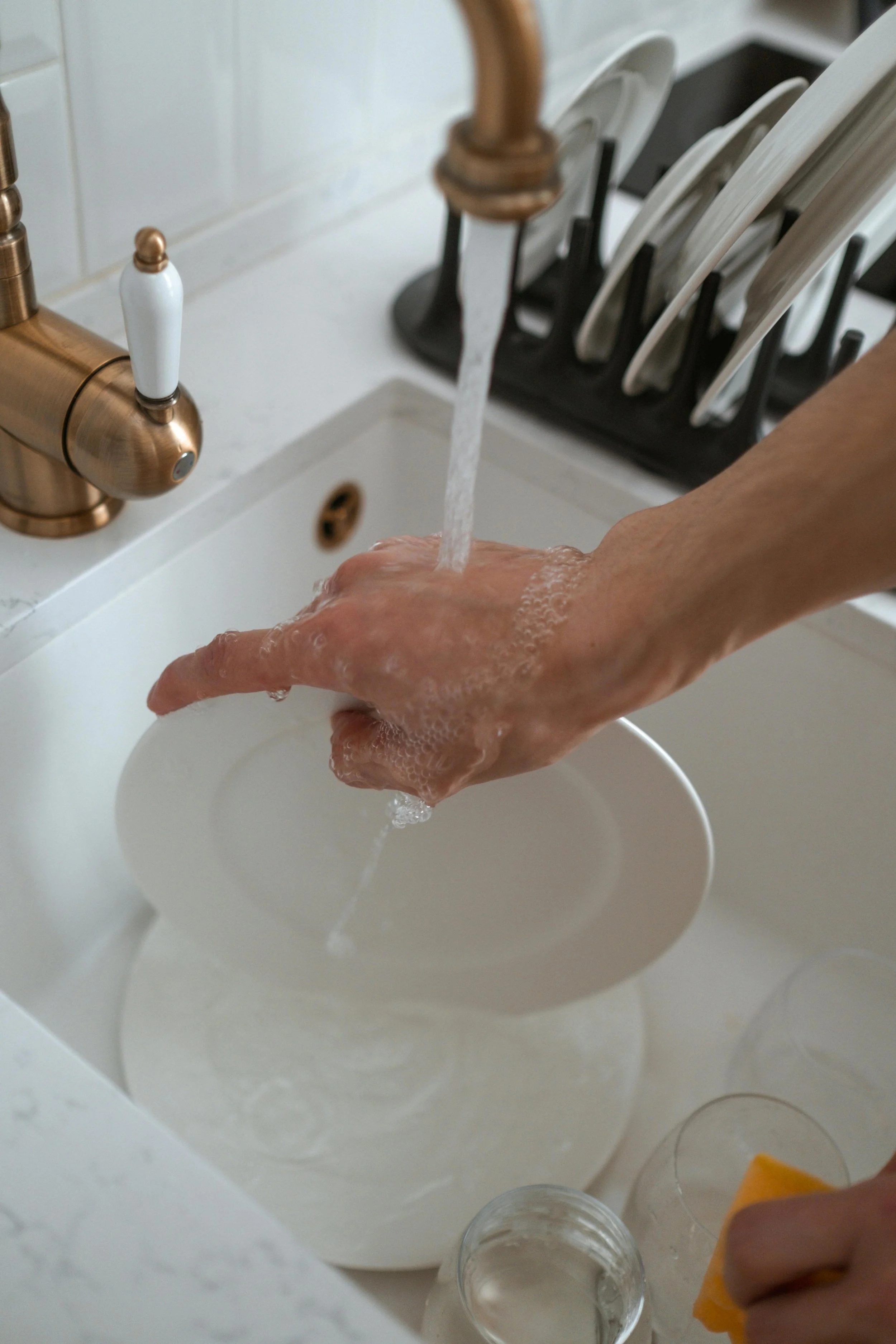
Courtesy of Cottonbro
Handwashing dishes to save water (and pre-rinsing for the dishwasher)
This myth has been around for years, but modern appliances have changed the game. Today’s dishwashers are designed to be highly water-efficient, often using less water than handwashing a full sink of dishes. And pre-rinsing? In most cases, it’s unnecessary. Dishwashers are built to handle food residue, and pre-rinsing just sends perfectly usable water down the drain. Ironically, trying to “help” your dishwasher can make the process less efficient overall.
Using appliances less to make them last longer
It sounds like common sense: less use equals less wear and tear. But appliances aren’t museum pieces, they’re built to be used. In fact, regular use helps keep internal components functioning properly. Take your dishwasher, for example. Its seals are designed to stay flexible in a moist environment. When it sits unused for long periods, those seals can dry out, crack, and eventually fail. Instead of extending the life of your appliance, avoiding it can lead to repairs sooner than expected.
Energy-saving boxes
If a small plug-in device promises to cut your energy bill by 20 to 35 percent, it’s worth a second look, and not in a good way. These so-called “energy-saving boxes” claim to stabilize voltage and optimize appliance performance, but there’s no credible evidence they actually reduce energy usage. What’s more concerning is the safety risk. Investigations have found that many of these devices fail basic electrical safety standards, making them potential fire and shock hazards. In short, they don’t just fail to save energy, they can actively put your home at risk.
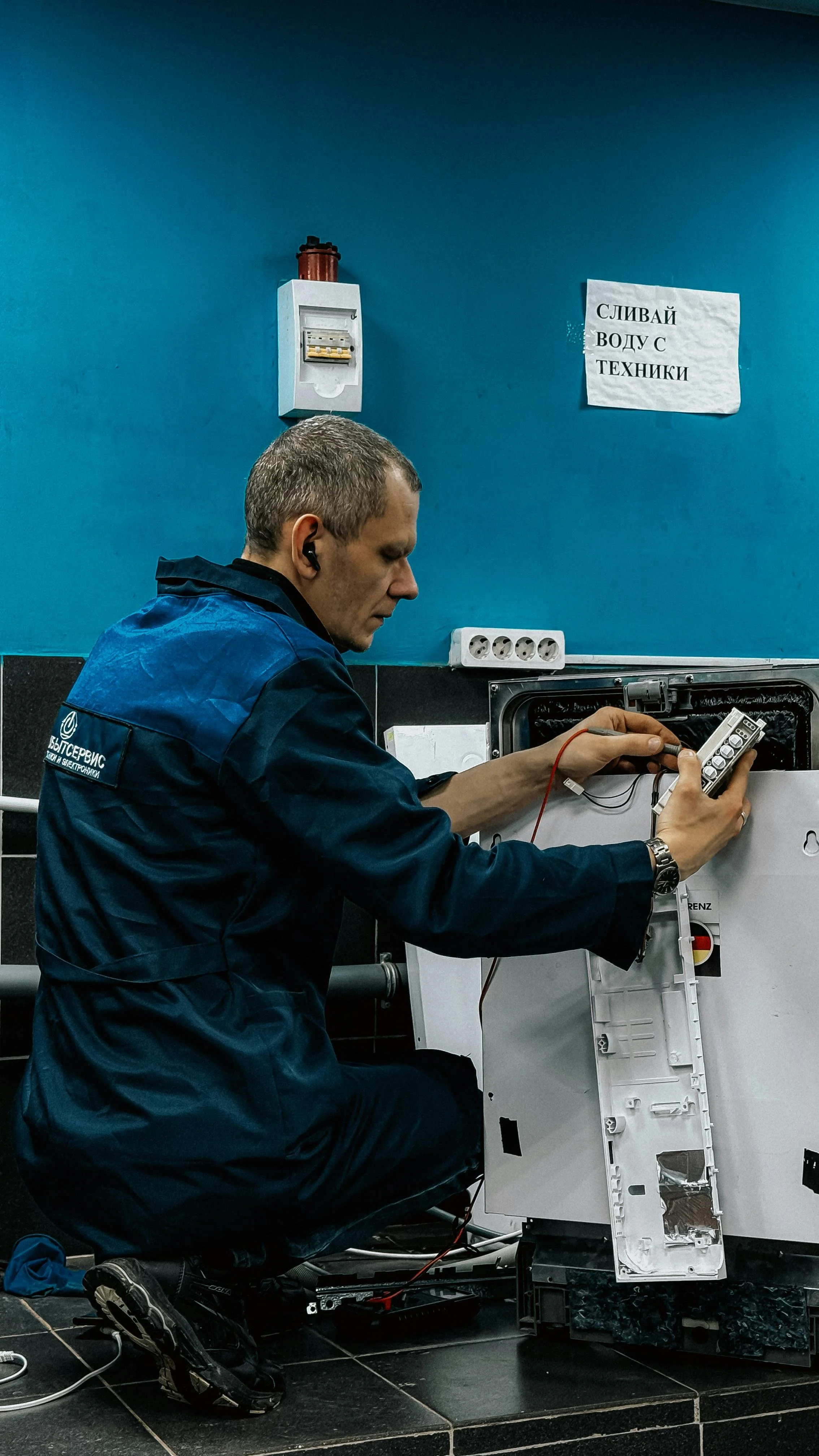
Courtesy of bulat843
Trying to run a more efficient home is a smart goal. But the path to getting there isn’t paved with viral shortcuts. It’s built on using your appliances the way they were designed, maintaining them properly, and knowing which “hacks” to ignore.
While not every tip online holds up, one thing is consistent: when your appliances are working efficiently and used the way they’re designed to, they use less energy and last longer.
This Earth Day, it’s worth remembering that every repair helps extend the life of your appliances and keeps unnecessary waste out of landfills. Small decisions at home can add up to a meaningful impact over time.
If your appliances are acting up, running longer than usual, or not performing the way they should, it may be time to take a closer look. Reach out today, and a trained technician can help get everything back on track—so your home runs efficiently, and a little lighter on the planet.
Call: (214) 599-0055