
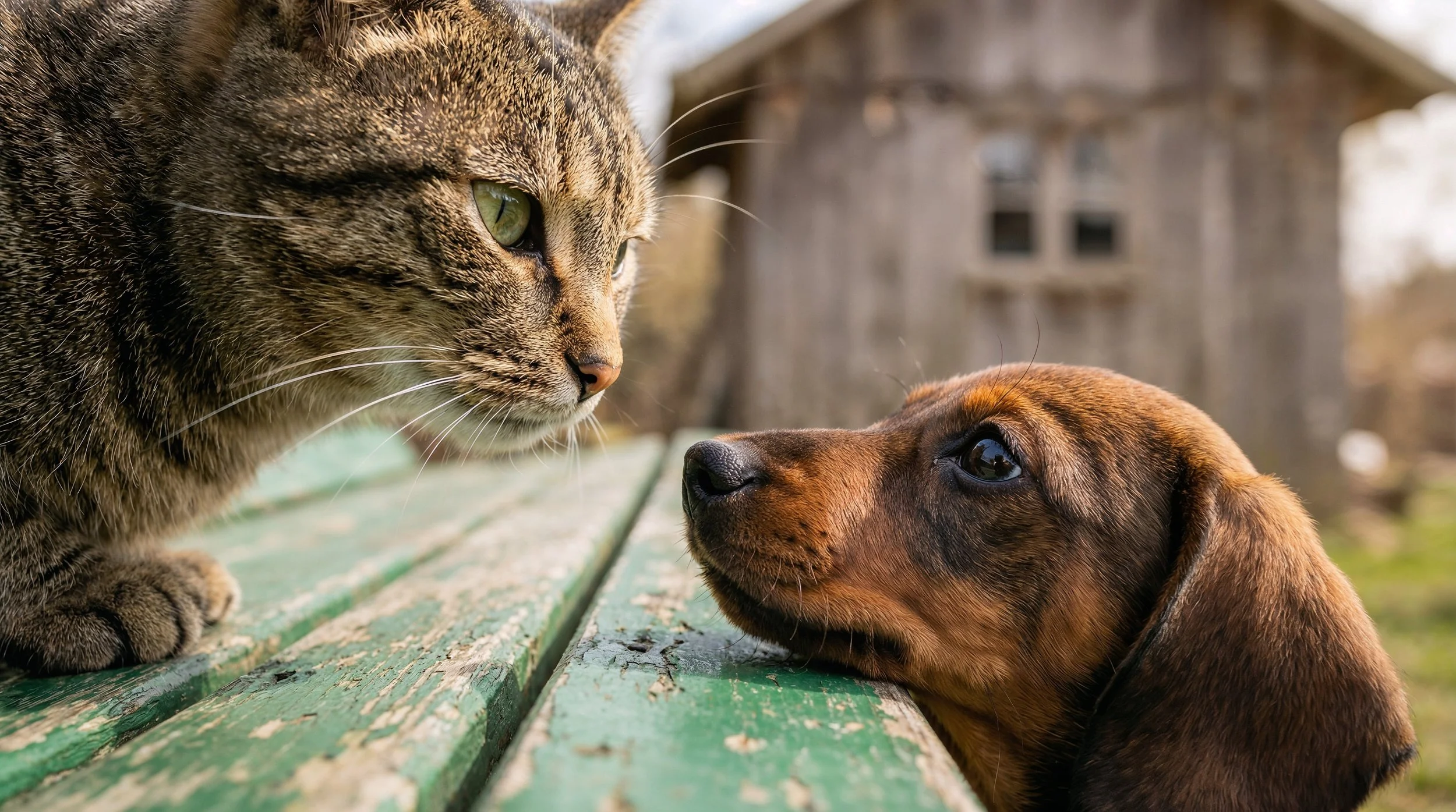
Courtesy of Geralt
A practical guide to pet hair, performance, and real-world results.
What Are “Pet” Washers & Dryers?
At first glance, pet-specific laundry appliances sound like a niche invention for a very modern problem: homes filled with shedding, slobbering, deeply beloved chaos.
Brands like Maytag, Speed Queen, and Samsung market these machines as specialized tools designed to tackle pet hair, dander, and odor at a level standard machines supposedly can’t reach.
What makes them “pet” machines isn’t a single breakthrough feature. Instead, it’s a bundle of familiar technologies, repackaged with a pet-focused spin:
Enhanced filtration systems to trap hair before it recirculates
Specialized wash cycles that use more water, agitation, or heat
Sanitize or steam functions to break down oils and odors
Dryer cycles designed to loosen and capture hair in lint traps
In other words, these machines don’t reinvent laundry. They optimize it for fur.
Who Are They For?
These appliances are aimed squarely at:
Multi-pet households
Owners of heavy-shedding breeds
Homes washing pet bedding, blankets, and towels frequently
Anyone tired of pulling “clean” clothes out still wearing a layer of fur
They’re also marketed toward convenience-driven homeowners who want a more automated solution rather than adding extra steps to their routine.
But there’s a subtle divide in the audience:
Buyers seeking simplicity → “Give me a machine that handles it”
Experienced owners → “I already have a system that works”
That tension shows up clearly in real-world feedback.
When Did This Become a Trend?
Pet-focused laundry features are relatively new, gaining traction in the early 2020s as appliance brands began carving out lifestyle-specific niches.
Instead of competing only on capacity or efficiency, manufacturers started designing around use cases:
Pet owners
Allergy-sensitive households
Smart-home users
The rise of pet ownership, especially post-2020, accelerated this shift. More pets in homes meant more hair in fabrics… and a new marketing opportunity.
Where Do These Machines Actually Differ?
This is where things get interesting.
On paper, pet washers and dryers look distinct. In practice, the differences are often incremental rather than revolutionary.
Example: Maytag Pet Pro System
Built-in Pet Pro filter for visible hair removal
Pet Pro cycle to lift and capture hair
Optional sanitize cycles
But your research highlights a critical real-world issue:
Some users report difficult-to-access internal filters, requiring partial disassembly to clean
That’s not a small inconvenience. With pet hair, filters don’t stay clean for long.
Example: Speed Queen Pet Plus
Pet-specific dryer cycles that remove hair before washing
Steam sanitize and anti-static features
Strong durability reputation and long warranty
Notably, the washer details are harder to verify, which raises a flag. When information is thin or inconsistent, it often means the “pet” branding leans more on marketing than engineering transparency.
Example: Samsung Pet Care Washer
Dual pet hair filters
High-agitation wash cycles
Smart features and automation
Yet, reviews suggest a gap between promise and performance, with some users reporting:
Clothes not coming out as clean without using heavier settings
Why Do Pet Features Work (and Sometimes Don’t)?
Here’s the core truth hiding beneath all the branding:
Pet hair sticks because of oils, static, and fabric structure, not just because it’s physically present.
To remove it effectively, machines need to:
Break down oils (heat, steam, sanitize cycles)
Agitate fabrics enough to release trapped hair
Flush hair out with sufficient water
Capture it before it redeposits
Most “pet” features are simply combinations of these fundamentals.
And here’s the catch:
👉 Standard machines already do these things
…just not always automatically, and not always optimized.
So… Are They Worth It?
This is where your research earns its keep.
Across product listings, reviews, and technician insights, a pattern emerges:
The technology is real, but not exclusive
The performance gains are often situational
The maintenance requirements can actually increase
Meanwhile, practical strategies consistently deliver results:
Pre-removing hair (vacuuming, brushing, lint rolling)
Washing pet items separately
Using proper load sizes and water levels
Running extra rinse or spin cycles
Keeping filters clean and accessible
In some cases, these habits outperform the premium features entirely.
The Bottom Line
Pet washers and dryers aren’t a gimmick. But they’re not magic either.
They take existing laundry mechanics and tune them toward a specific problem. For some households, that convenience is worth the price.
For others, especially those willing to adjust their routine, the same results can often be achieved with:
A well-maintained standard machine
A few extra minutes of prep
And a better understanding of how laundry actually works
Because at the end of the day, no machine eliminates pet hair completely.
That’s just the cost of living with something that sheds… and is absolutely worth it.
And regardless of which machine is in your laundry room, one thing stays true:
Pet hair, dander, and debris don’t just cling to your clothes. They build up inside your appliance over time.
Routine maintenance and timely repairs aren’t just about performance. They’re about extending the life of the machine you already rely on.
Call: 214-599-0055
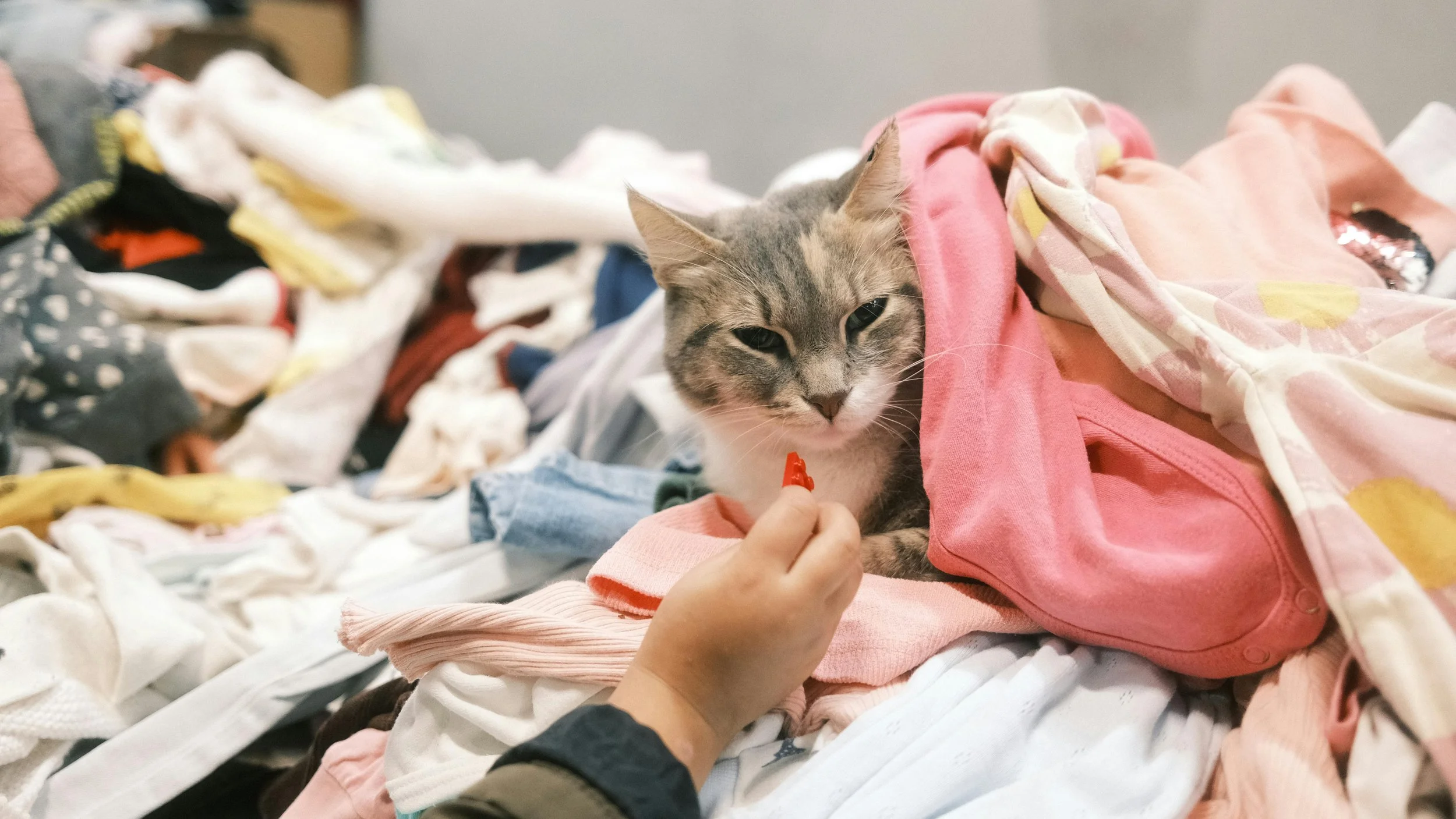
Courtesy of Sami TÜRK.