A clear look at how product safety evolved and what it means for your home today
Why Do Appliance Recalls Exist?
Have you ever questioned why we have recalls for appliances?
For food, it makes sense. You eat something, it makes you sick, or it contains something it shouldn’t. Appliances, though, are tested before you buy them… right?
Well, as you’ve seen if you’ve followed our blog for a while, that’s not always the case. Sometimes defects slip past testing. Other times, products are assembled across multiple factories, with parts sourced globally, and consistency becomes a case-by-case reality.
What’s surprising is that it used to be far worse.
To understand why appliance recalls exist today, we have to go back to a time before recalls existed at all.
Before Recalls: When Products Were Dangerous by Default
It’s easy to assume recalls began with appliances or household goods. They didn’t.
To find their origin, we have to look at something far more dangerous: food and medicine.
Courtesy of cottonbro studio
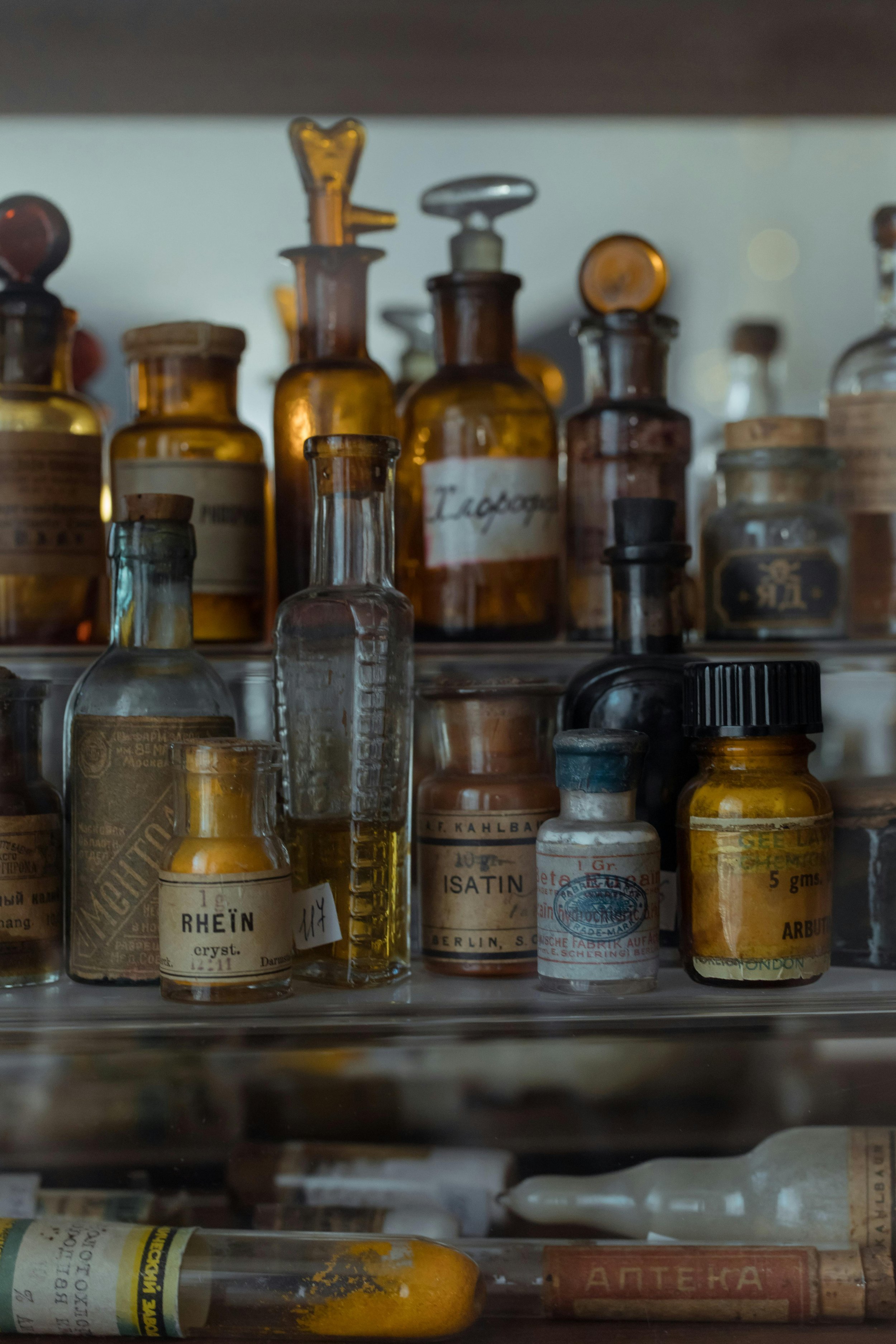
At the turn of the 20th century, consumer products were largely unregulated. You could buy opium at the corner pharmacy, and you had no real idea what was in your food. Manufacturers sold patent medicines containing narcotics or toxic ingredients without disclosure. Food producers used unsafe preservatives, dyes, and additives.
Public outrage grew after investigative journalists exposed these dangers. That pressure led Congress to pass the Pure Food and Drug Act, which prohibited interstate commerce in adulterated or misbranded foods, drinks, and drugs.
But even then, regulation was reactive.
Tragedy pushed things further. In 1937, a toxic solvent used in a drug called elixir sulfanilamide killed over 100 people, many of them children. In response, Congress passed the Federal Food, Drug, and Cosmetic Act, which required manufacturers to demonstrate drug safety before marketing.
This marked a turning point: regulation began shifting from reacting after harm to trying to prevent it before it happened.
The Build-Up: Laws Without a System
After World War II, the explosion of consumer goods and synthetic chemicals introduced new risks.
Injuries and toxic exposures increased. Once again, the response was legislative.
Congress passed a series of targeted laws:
The Flammable Fabrics Act, after severe burn injuries caused by highly flammable clothing
The Federal Hazardous Substances Labeling Act, requiring warnings on dangerous household chemicals
The Child Protection Act, allowing regulators to ban unsafe toys outright
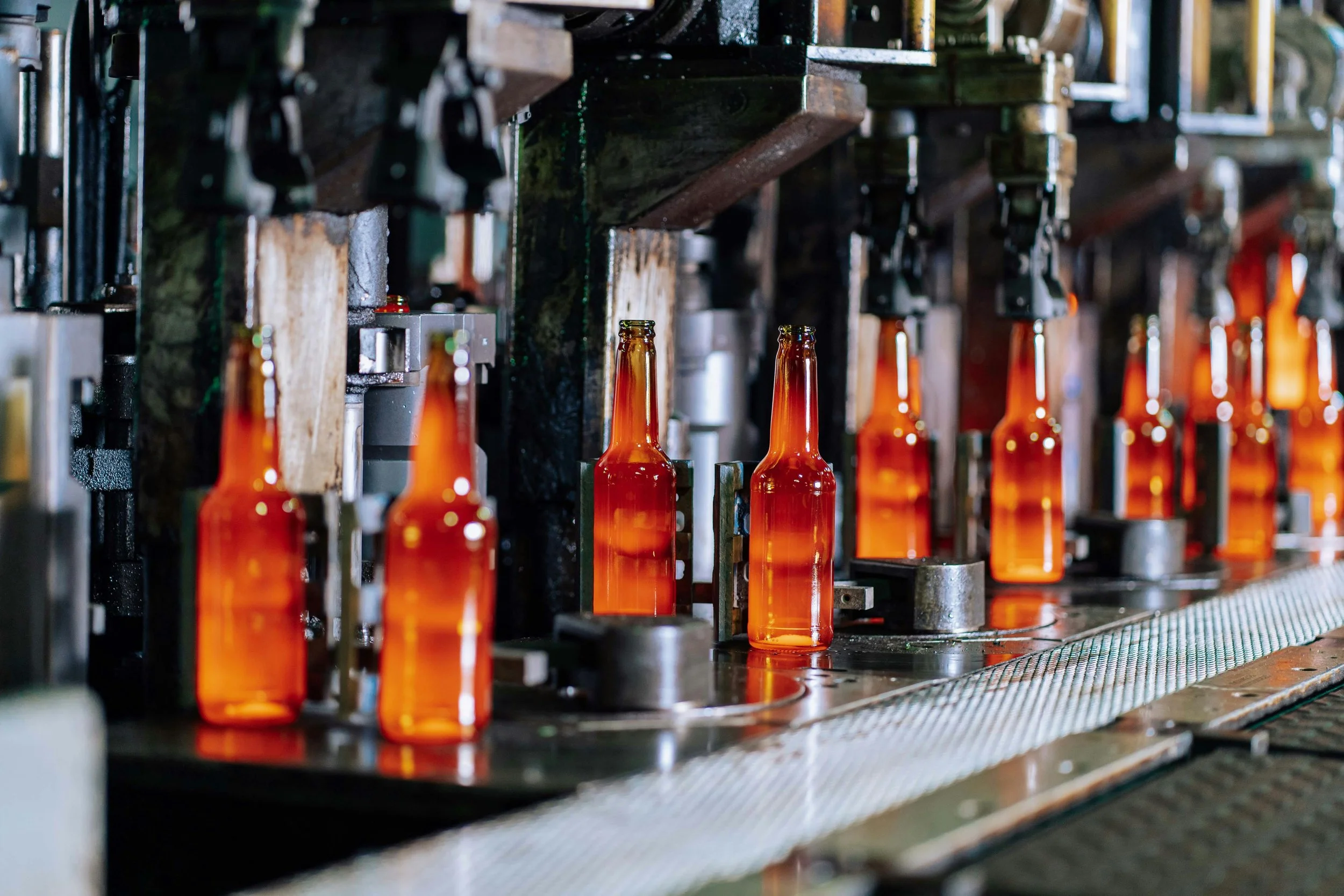
The Poison Prevention Packaging Act, which introduced child-resistant packaging for medicines and chemicals
Once again, these laws weren’t proactive. They were reactions.
Courtesy of Keegan Checks
And while they addressed specific problems, they didn’t create a unified system. Responsibility was scattered across multiple agencies, and there was no central authority overseeing consumer product safety as a whole.
A consistent, nationwide recall system wasn’t yet possible.
The Turning Point: The 1970s
The turning point came in the 1970s.
Rising public awareness of safety and environmental risks pushed the federal government to act more aggressively and more cohesively.
First came the Environmental Protection Agency, which consolidated environmental programs and began regulating pollutants and hazardous substances.
Courtesy of Kevin Bidwell
Then came additional laws that expanded oversight of chemicals and waste, including the Toxic Substances Control Act and the Resource Conservation and Recovery Act.
But the biggest shift for consumer products came with the Consumer Product Safety Act.
After decades of fragmented regulation, this law created a centralized authority: the Consumer Product Safety Commission (CPSC).
The CPSC was given the power to:
Develop mandatory safety standards
Ban particularly hazardous products
Conduct research and educate the public
Order recalls or repairs of defective products
It also required manufacturers to report product defects and gave regulators the authority to remove dangerous products from the market.
For the first time, there was a system designed not just to react to danger, but to identify and remove it at scale.
Within thirty years of its creation, injury and death rates associated with consumer products declined by 30%.
From Then to Now: A System That Keeps Evolving
The 1970s didn’t solve everything, but they built the foundation.
As global supply chains expanded in the 1980s and 1990s, regulation evolved to address imported goods. The CPSC increased inspections at ports of entry and worked with international regulators to improve safety standards.
By the 2000s, new challenges emerged with globalization and e-commerce. High-profile safety incidents led to stronger laws, including the Consumer Product Safety Improvement Act, which increased testing requirements and tightened limits on hazardous materials like lead.

Courtesy of Alex Qian
Today, product safety is enforced across the entire supply chain. Manufacturers, importers, distributors, and retailers all share responsibility.
How Appliance Recalls Actually Work
All of this history leads to the system we have today.
At its core, a recall follows a pattern:
Appliance is sold
→ A defect causes harm or risk
→ The issue is reported and investigated
→ The CPSC gathers data and evaluates the hazard
→ A recall is issued
→ Products are repaired, replaced, or removed
It’s a process built from over a century of lessons, many of them learned the hard way.
Why It Matters
History is something we either learn from or repeat.
The modern recall system exists because people were harmed when it didn’t. Every law, every agency, and every standard came from a moment where something went wrong.
That’s why we take it seriously.
At Appliance Rescue Service, we stay on top of recalls, industry changes, and emerging risks so we can help protect our community. If your appliances are acting unusual or not performing the way they should, it’s worth taking a closer look.
Reach out to schedule a maintenance check, and we’ll work with you to find a time that fits your schedule.
Website
Call: (214) 599-0055