appliance recalls

Appliance Recall Awareness: The Overlooked Risk in Modern Homes

A practical guide to understanding recalls, spotting risks, and keeping your home safe

]

There’s a quiet assumption humming in the background of every home. You plug something in, press a button, and trust it to behave. Your dishwasher won’t spark. Your oven won’t betray you. Your washing machine won’t suddenly decide it’s an extreme sport.

Most of the time, that trust holds.

But sometimes, a flaw slips through. And when it does, it doesn’t send a polite warning. It shows up as a recall.

What Is an Appliance Recall? (A Quick Reality Check)

If you’ve been following along this month, you already know the basics. So let’s keep this sharp.

An appliance recall happens when a manufacturer or a government agency identifies a safety issue in a product that’s already in people’s homes. That issue could be faulty wiring, overheating components, gas leaks, or mechanical failures that create a risk of injury or property damage.

In the U.S., recalls are coordinated through the U.S. Consumer Product Safety Commission. Once a risk is confirmed, a recall is issued, and the manufacturer is required to offer a remedy, usually a repair, replacement, or refund.

Here’s the key shift most homeowners never make: a recall isn’t the beginning of a problem. It’s the moment the problem finally becomes visible.

By the time a recall is announced, something has already gone wrong somewhere. The system is working to catch it and correct it.

The Hidden Reality: Why So Many Recalls Go Unnoticed

Appliance recalls aren’t rare events. They happen constantly. Yet millions of recalled appliances are still quietly operating in homes across the country.
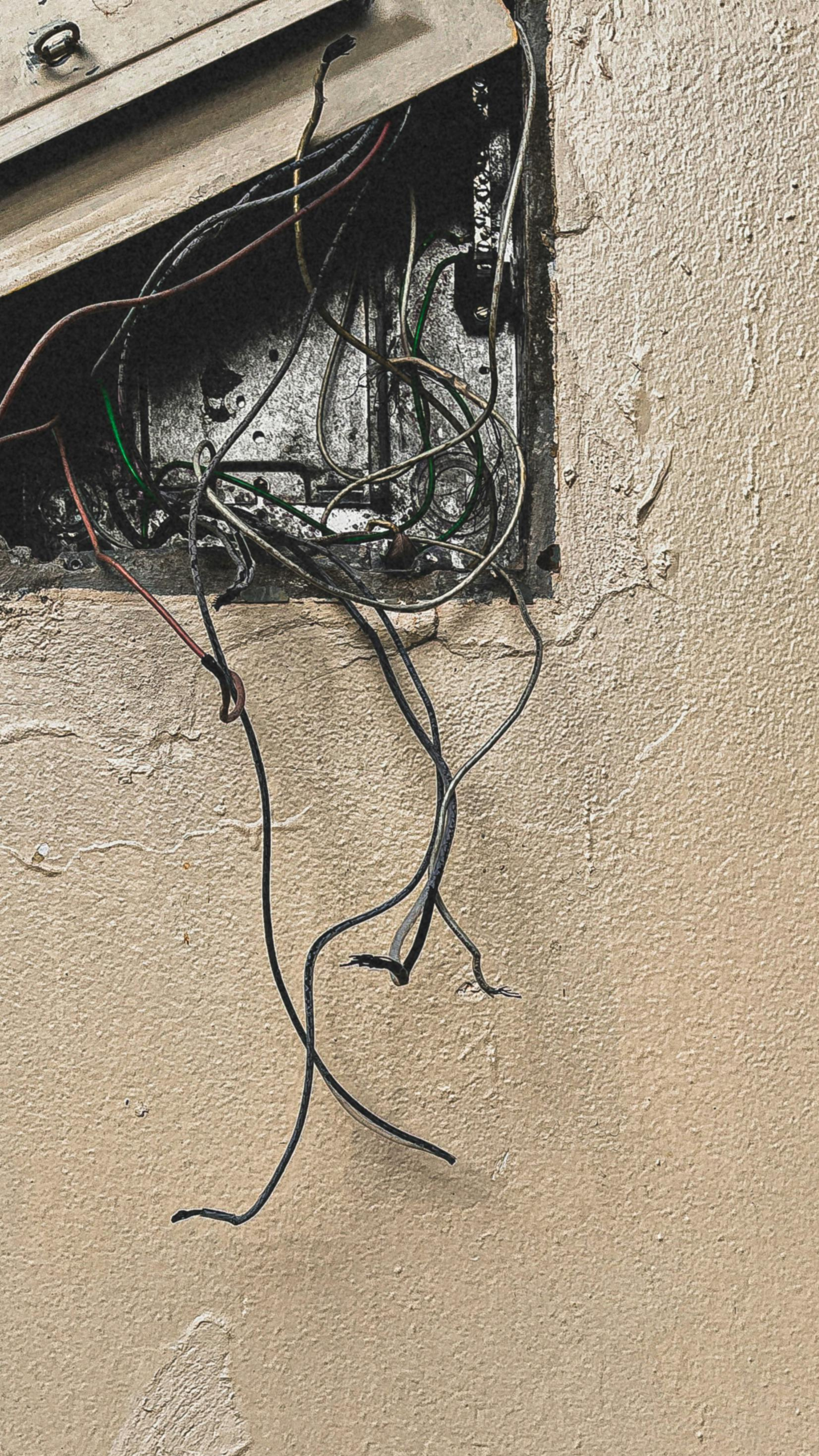
Damaged appliance cord showing a potential electrical safety hazard

Courtesy of Deeana Arts

Some estimates suggest that 20–25% of homes contain at least one recalled appliance. Not because homeowners don’t care, but because they never knew.

Recalls are surprisingly easy to miss. The appliance may never have been registered. The original owner may have moved away. The recall itself might not have been issued until years after the appliance was purchased. Sometimes, the notice simply never reaches the right person.

In many cases, recall systems track the buyer, not the appliance. And appliances tend to outlive ownership. That disconnect is where problems quietly settle in.

It creates a situation that feels almost like “Appliance Roulette.” Everything looks normal. Everything works. Until one day, it doesn’t.

Certain appliances show up on recall lists more often than others. Cooking appliances like stoves and ovens carry obvious fire and gas risks. Refrigerators can develop electrical or overheating issues. Dishwashers and washing machines often appear due to wiring or mechanical failures. Even microwaves, despite their simplicity, can develop internal hazards over time.

These aren’t rarely used machines. They’re the everyday backbone of your home.


What Should Homeowners Do in the Event of a Recall?

If you find out that one of your appliances has been recalled, the most important thing is to respond quickly and calmly.

Start by understanding the severity of the recall. Some issues are precautionary, while others involve immediate safety risks. If there’s any chance of fire, electrical shock, or injury, it’s best to stop using the appliance right away.

From there, follow the manufacturer’s instructions carefully. Recall notices are designed to walk you through the next steps, whether that means scheduling a free repair, installing a replacement part, or exchanging the unit entirely. In most cases, these fixes are provided at no cost.

It’s also a good idea to keep records of your communications and any service appointments. While it may seem unnecessary, having documentation can make the process smoother if there are delays or questions later.

One thing homeowners should avoid is assuming that a working appliance is a safe appliance. Many recalled units continue functioning normally until the moment they don’t. That’s exactly why recalls exist.

It’s worth noting that recall-related repairs are handled directly by manufacturers or their authorized service providers. This ensures that any fix meets the safety standards required to resolve the issue completely.


How Homeowners Can Stay Aware (Without Overthinking It)

Staying informed about appliance recalls doesn’t require constant attention. It just requires a simple, repeatable habit.

Registering your appliances when you purchase them is one of the easiest and most effective steps you can take. It ensures that if a recall is issued, you’re far more likely to hear about it.

You can also check for recalls directly through trusted sources. The U.S. Consumer Product Safety Commission maintains a searchable database where you can look up products by brand or category. Most manufacturers offer similar tools on their websites, allowing you to search using your appliance’s model number.

For homeowners who prefer a more streamlined approach, third-party services like RecallChek can compare your appliance information against large recall databases, saving time and effort.
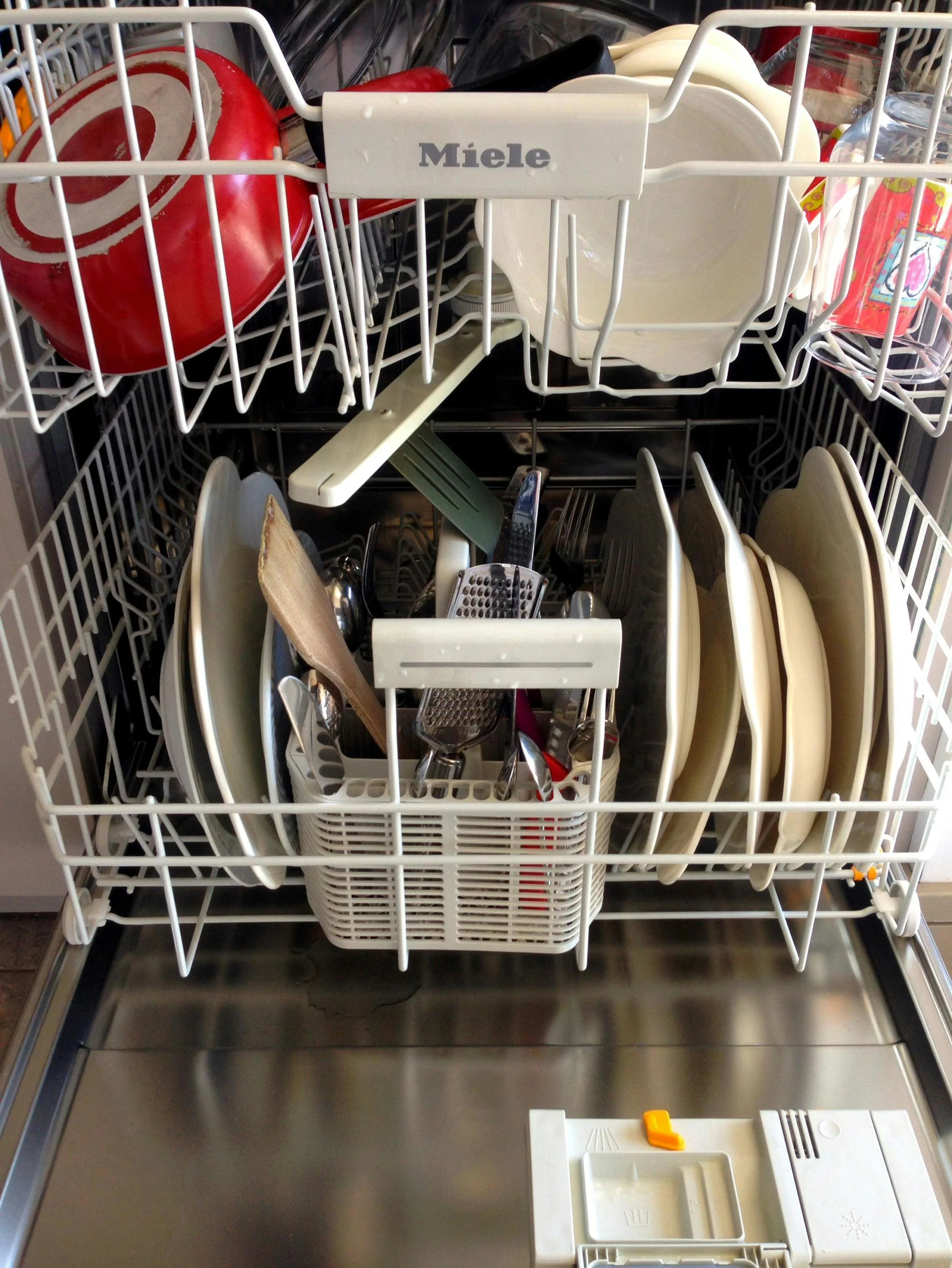
Open dishwasher representing a commonly recalled household appliance

Courtesy of Devilishly Good

Keeping your appliance information organized also makes a difference. Having model numbers, serial numbers, and receipts in one place allows you to check quickly and respond faster if needed.

The most effective shift, though, is mental. Don’t wait for a recall to find you. Treat recall checks as part of your normal home maintenance routine. A quick check once or twice a year is often enough to stay ahead of potential issues.


Everyday Safety Still Matters

Even when a recall isn’t involved, appliance safety is something that plays out in small, everyday moments.

Regularly inspecting cords and plugs for wear, avoiding overloaded outlets, and keeping components like dryer vents and refrigerator coils clean can prevent many common issues. These small actions reduce strain on your appliances and lower the risk of overheating or failure.

It’s also important to pay attention to subtle warning signs. Burning smells, unusual noises, or changes in performance often appear before a larger problem develops. Catching those early signals can make the difference between a simple repair and a much bigger issue.

Appliances rarely fail without warning. Most of the time, they give you clues. You just have to notice them.


Final Thoughts: Recalls Aren’t the Enemy

It’s easy to see recalls as something alarming. In reality, they’re a sign that the system is working to identify and correct problems.

The real risk isn’t the recall itself. It’s not knowing your appliance is part of one.

When you stay informed, check periodically, and act when needed, recalls become manageable. Even routine.

And if something in your home isn’t working the way it should, and it’s not related to a recall, Appliance Rescue Service is here to help. ARS focuses on diagnosing and repairing everyday appliance issues caused by normal wear and tear, helping you keep your home running safely and smoothly.

Because a safe home isn’t about eliminating every risk. It’s about staying aware of the ones that matter and taking action when it counts.


Website

Call: (214) 599-0055

Courtesy of Curtis Adams
From Unsafe Products to Modern Appliance Recalls: How Safety Standards Protect Your Home

A clear look at how product safety evolved and what it means for your home today

Why Do Appliance Recalls Exist?

Have you ever questioned why we have recalls for appliances?

For food, it makes sense. You eat something, it makes you sick, or it contains something it shouldn’t. Appliances, though, are tested before you buy them… right?

Well, as you’ve seen if you’ve followed our blog for a while, that’s not always the case. Sometimes defects slip past testing. Other times, products are assembled across multiple factories, with parts sourced globally, and consistency becomes a case-by-case reality.

What’s surprising is that it used to be far worse.

To understand why appliance recalls exist today, we have to go back to a time before recalls existed at all.

Before Recalls: When Products Were Dangerous by Default

It’s easy to assume recalls began with appliances or household goods. They didn’t.

To find their origin, we have to look at something far more dangerous: food and medicine.

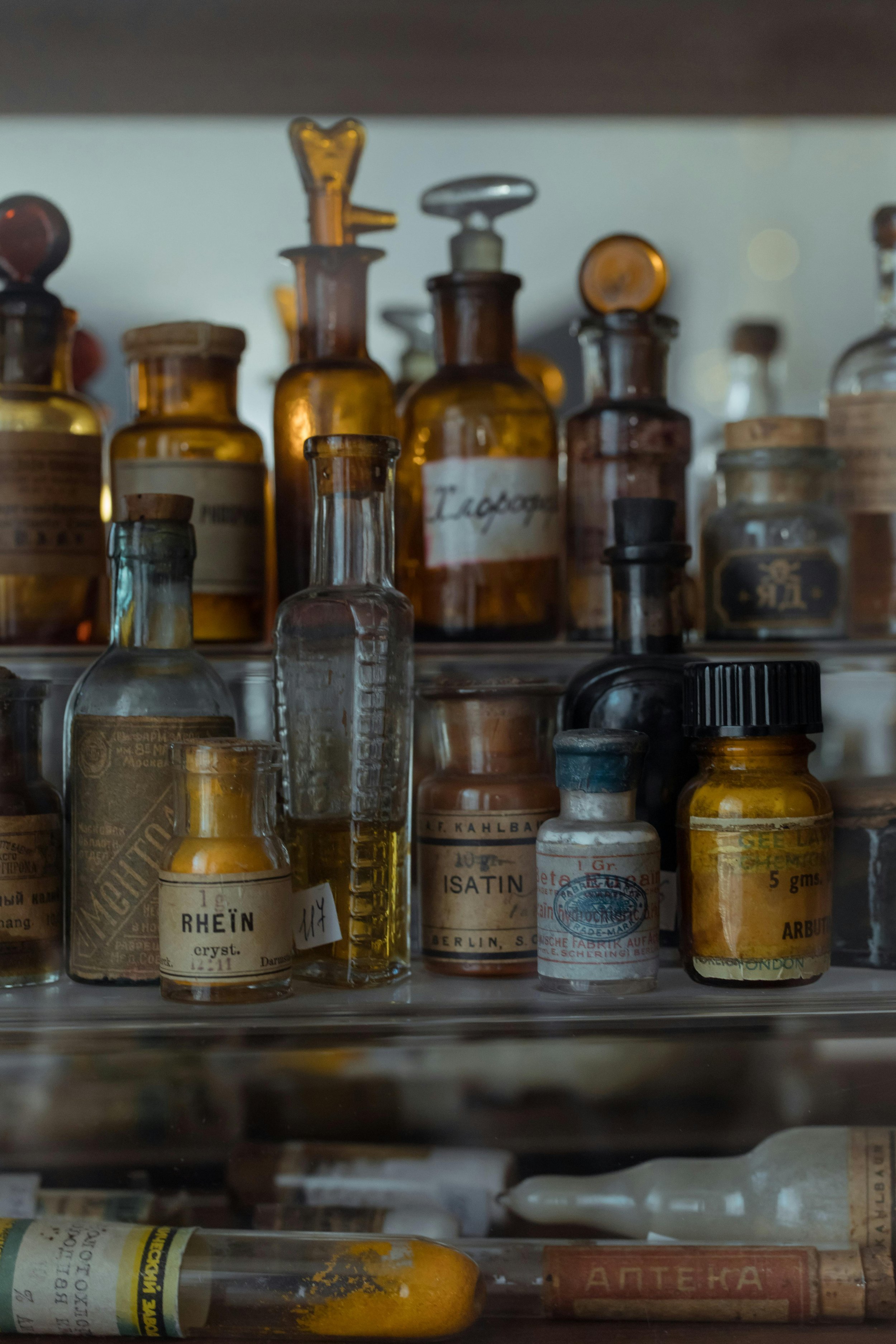
Vintage medicine bottles from early 1900s representing unregulated consumer products

Courtesy of cottonbro studio

At the turn of the 20th century, consumer products were largely unregulated. You could buy opium at the corner pharmacy, and you had no real idea what was in your food. Manufacturers sold patent medicines containing narcotics or toxic ingredients without disclosure. Food producers used unsafe preservatives, dyes, and additives.

Public outrage grew after investigative journalists exposed these dangers. That pressure led Congress to pass the Pure Food and Drug Act, which prohibited interstate commerce in adulterated or misbranded foods, drinks, and drugs.

But even then, regulation was reactive.

Tragedy pushed things further. In 1937, a toxic solvent used in a drug called elixir sulfanilamide killed over 100 people, many of them children. In response, Congress passed the Federal Food, Drug, and Cosmetic Act, which required manufacturers to demonstrate drug safety before marketing.

This marked a turning point: regulation began shifting from reacting after harm to trying to prevent it before it happened.

The Build-Up: Laws Without a System

After World War II, the explosion of consumer goods and synthetic chemicals introduced new risks.

Injuries and toxic exposures increased. Once again, the response was legislative.

Congress passed a series of targeted laws:

  • The Flammable Fabrics Act, after severe burn injuries caused by highly flammable clothing

  • The Federal Hazardous Substances Labeling Act, requiring warnings on dangerous household chemicals

  • The Child Protection Act, allowing regulators to ban unsafe toys outright

  • The Poison Prevention Packaging Act, which introduced child-resistant packaging for medicines and chemicals


Once again, these laws weren’t proactive. They were reactions.

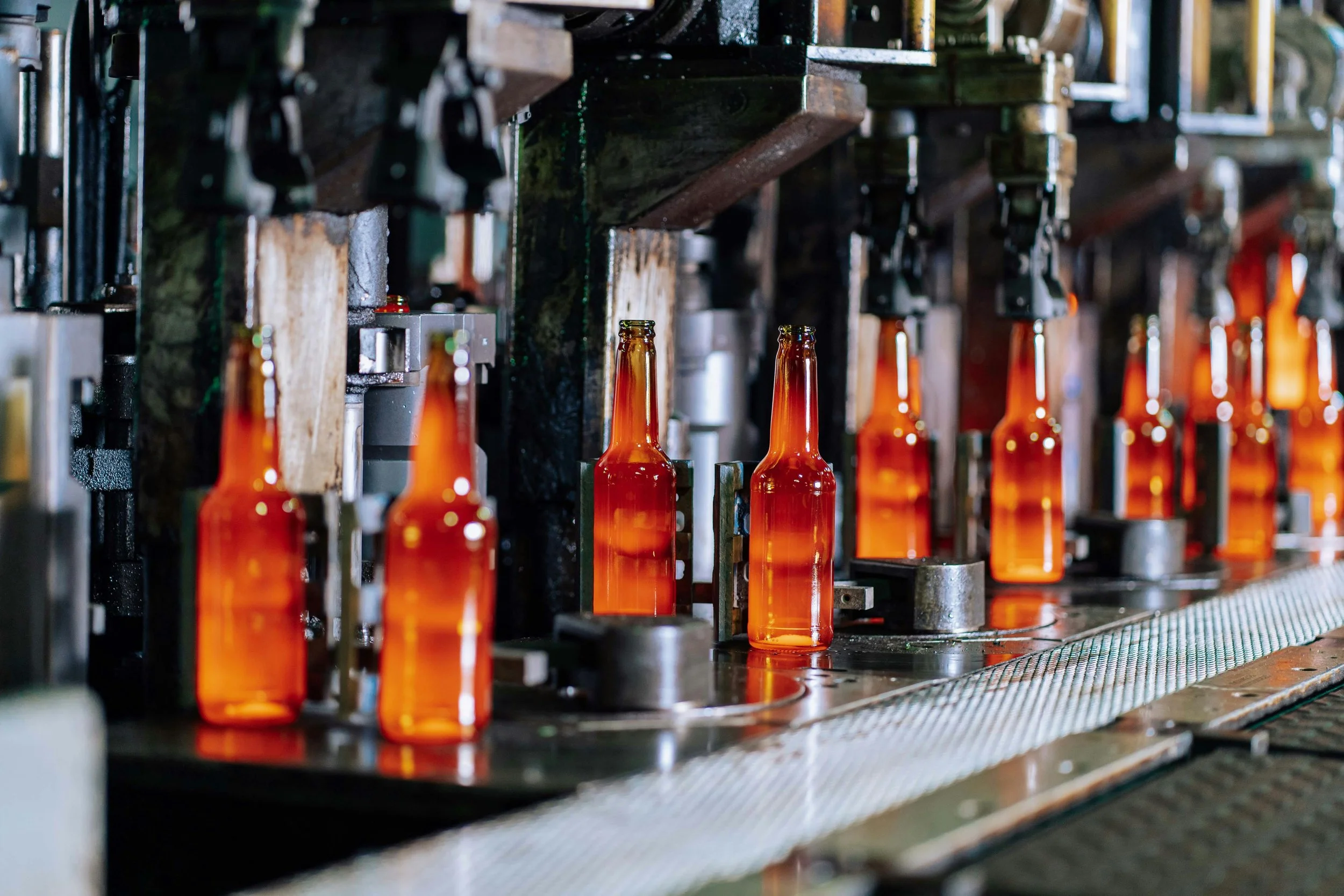
Glass bottles moving along a factory production line, representing early industrial manufacturing before modern consumer safety regulations

Courtesy of Keegan Checks

And while they addressed specific problems, they didn’t create a unified system. Responsibility was scattered across multiple agencies, and there was no central authority overseeing consumer product safety as a whole.

A consistent, nationwide recall system wasn’t yet possible.

The Turning Point: The 1970s

The turning point came in the 1970s.

Rising public awareness of safety and environmental risks pushed the federal government to act more aggressively and more cohesively.

First came the Environmental Protection Agency, which consolidated environmental programs and began regulating pollutants and hazardous substances.

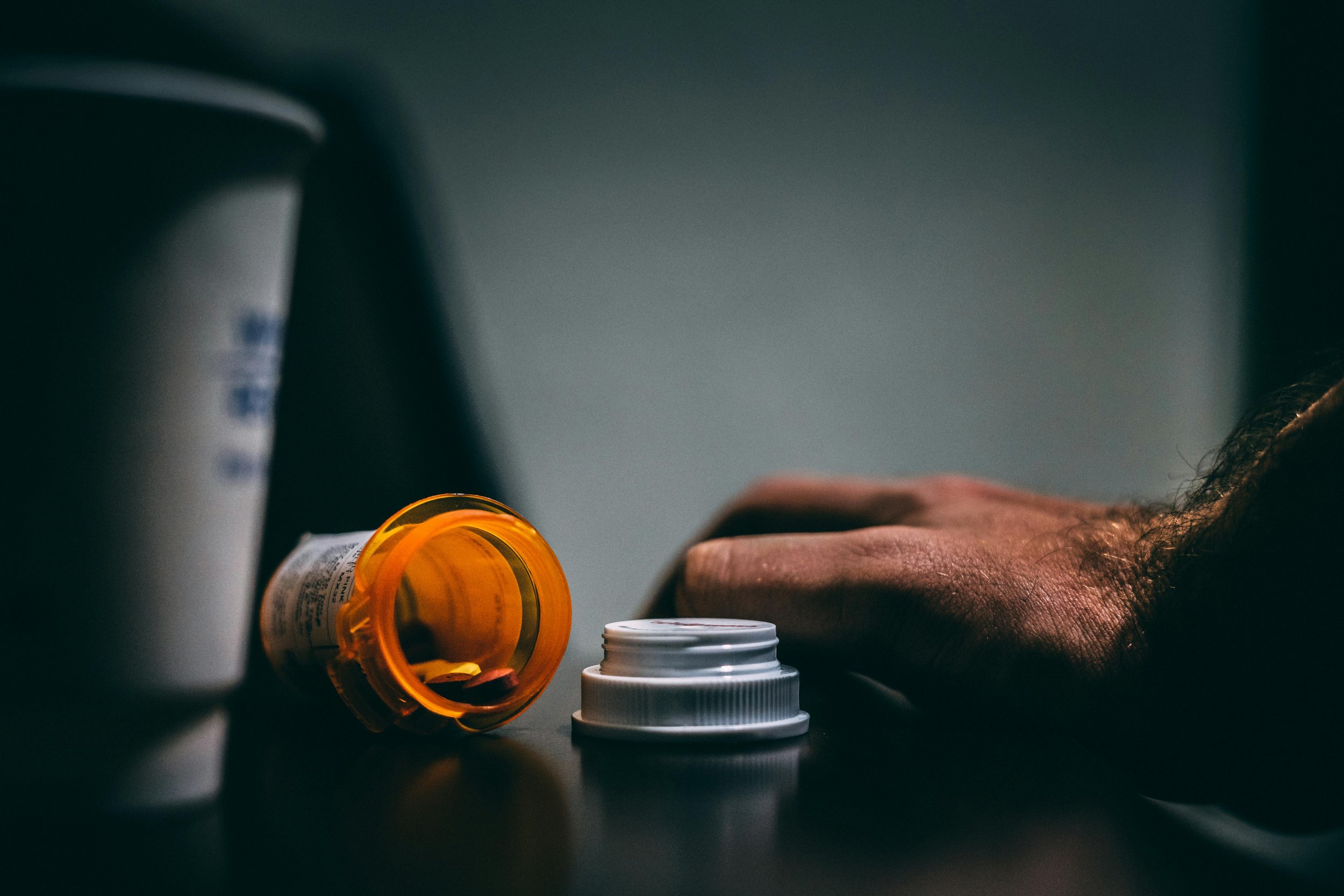
Child-resistant medicine bottle cap introduced by safety regulations

Courtesy of Kevin Bidwell

Then came additional laws that expanded oversight of chemicals and waste, including the Toxic Substances Control Act and the Resource Conservation and Recovery Act.

But the biggest shift for consumer products came with the Consumer Product Safety Act.

After decades of fragmented regulation, this law created a centralized authority: the Consumer Product Safety Commission (CPSC).

The CPSC was given the power to:

  • Develop mandatory safety standards

  • Ban particularly hazardous products

  • Conduct research and educate the public

  • Order recalls or repairs of defective products


It also required manufacturers to report product defects and gave regulators the authority to remove dangerous products from the market.

For the first time, there was a system designed not just to react to danger, but to identify and remove it at scale.

Within thirty years of its creation, injury and death rates associated with consumer products declined by 30%.

From Then to Now: A System That Keeps Evolving

The 1970s didn’t solve everything, but they built the foundation.

As global supply chains expanded in the 1980s and 1990s, regulation evolved to address imported goods. The CPSC increased inspections at ports of entry and worked with international regulators to improve safety standards.

By the 2000s, new challenges emerged with globalization and e-commerce. High-profile safety incidents led to stronger laws, including the Consumer Product Safety Improvement Act, which increased testing requirements and tightened limits on hazardous materials like lead.

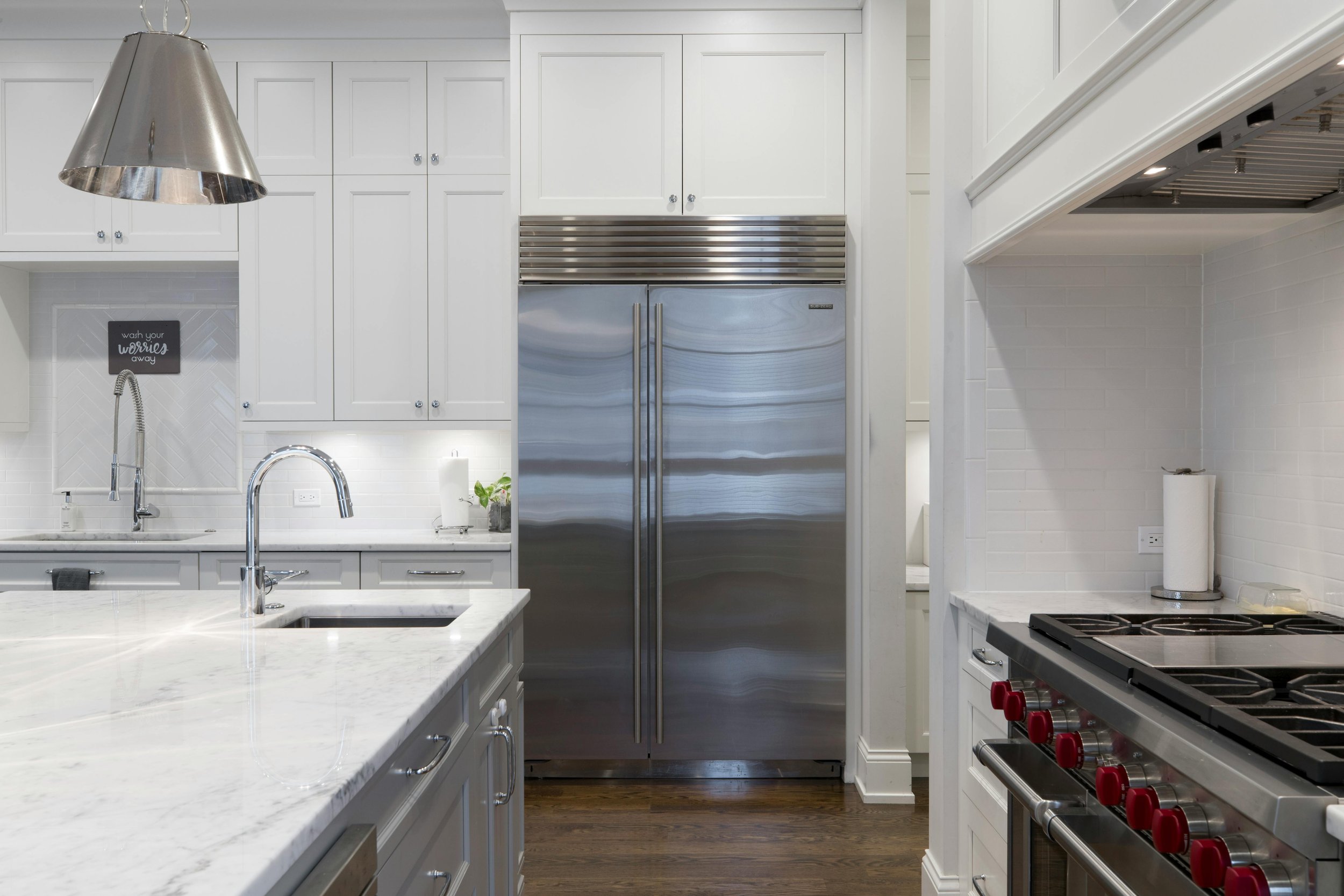
Modern home appliances representing current product safety standards

Courtesy of Alex Qian

Today, product safety is enforced across the entire supply chain. Manufacturers, importers, distributors, and retailers all share responsibility.

How Appliance Recalls Actually Work

All of this history leads to the system we have today.

At its core, a recall follows a pattern:

Appliance is sold
→ A defect causes harm or risk
→ The issue is reported and investigated
→ The CPSC gathers data and evaluates the hazard
→ A recall is issued
→ Products are repaired, replaced, or removed

It’s a process built from over a century of lessons, many of them learned the hard way.

Why It Matters

History is something we either learn from or repeat.

The modern recall system exists because people were harmed when it didn’t. Every law, every agency, and every standard came from a moment where something went wrong.

That’s why we take it seriously.

At Appliance Rescue Service, we stay on top of recalls, industry changes, and emerging risks so we can help protect our community. If your appliances are acting unusual or not performing the way they should, it’s worth taking a closer look.

Reach out to schedule a maintenance check, and we’ll work with you to find a time that fits your schedule.

Website
Call: (214) 599-0055


Additional Reading

Is your Whirlpool or Kenmore Washing Machine Eligible for a Rebate?

Navigating the Frigidaire Refrigerator Recall

Steps to Take When Your Appliance is Recalled

Why Appliance Recalls Matter More Than Ever for Today’s Homeowners

What historic appliance recalls teach us about modern home safety.

Appliance Recalls Through the Years: Why Homeowners Should Pay Attention


Most people don’t think about appliance recalls until one shows up in the news with a brand name they recognize. Even then, many homeowners assume it doesn’t apply to them and move on.


That can be a dangerous assumption.


Recalls exist for a reason. They happen when a manufacturer or regulatory agency determines that a product has a defect that could lead to injuries, fires, or worse. In the United States, these actions are usually handled by the U.S. Consumer Product Safety Commission (CPSC). When a recall is issued, the goal is simple: get dangerous products out of homes before someone gets hurt.


But appliances have a unique problem compared to many other consumer goods.


They last a long time.

Vintage mid-century refrigerator in a retro kitchen representing early appliance designs.

Courtesy of Alex Cooper.

A refrigerator, stove, or washing machine can easily stay in service for 7 to 10 years. In some cases, much longer. That means a dangerous appliance can still be operating a decade or more after it was manufactured, long after the company that made it has changed ownership or disappeared entirely.


And history shows that when recalls are ignored, the consequences can be serious.


The Appliance That Outlived Its Safety System

One of the most striking examples involves gas-powered refrigerators manufactured by Servel between 1933 and 1957.

At the time, these refrigerators were designed for homes without electricity, cabins, hunting lodges, and rural properties. Instead of using electricity, they operated using a gas burner. For many households, they were a practical and reliable solution.

The problem appeared decades later.

Over time, dust, rust, or debris could block the burner system. When that happened, the refrigerator could begin producing carbon monoxide in dangerous amounts.

According to the CPSC, at least 39 incidents in the United States were linked to these refrigerators, resulting in 22 deaths and 55 injuries. Additional cases in Ontario, Canada resulted in another 60 deaths.


That means a product manufactured before World War II was still causing fatalities in the late twentieth century.


In response, a recall program was launched in 1990 and later reinforced by a public warning in 1998. Because Servel had gone out of business decades earlier, there was no repair program available. The only solution was disposal.

Owners who turned in their units could receive a $100 rebate and reimbursement for disposal costs. By the late 1990s, more than 22,000 refrigerators had been destroyed through the program.

Even then, officials believed thousands were still in use.

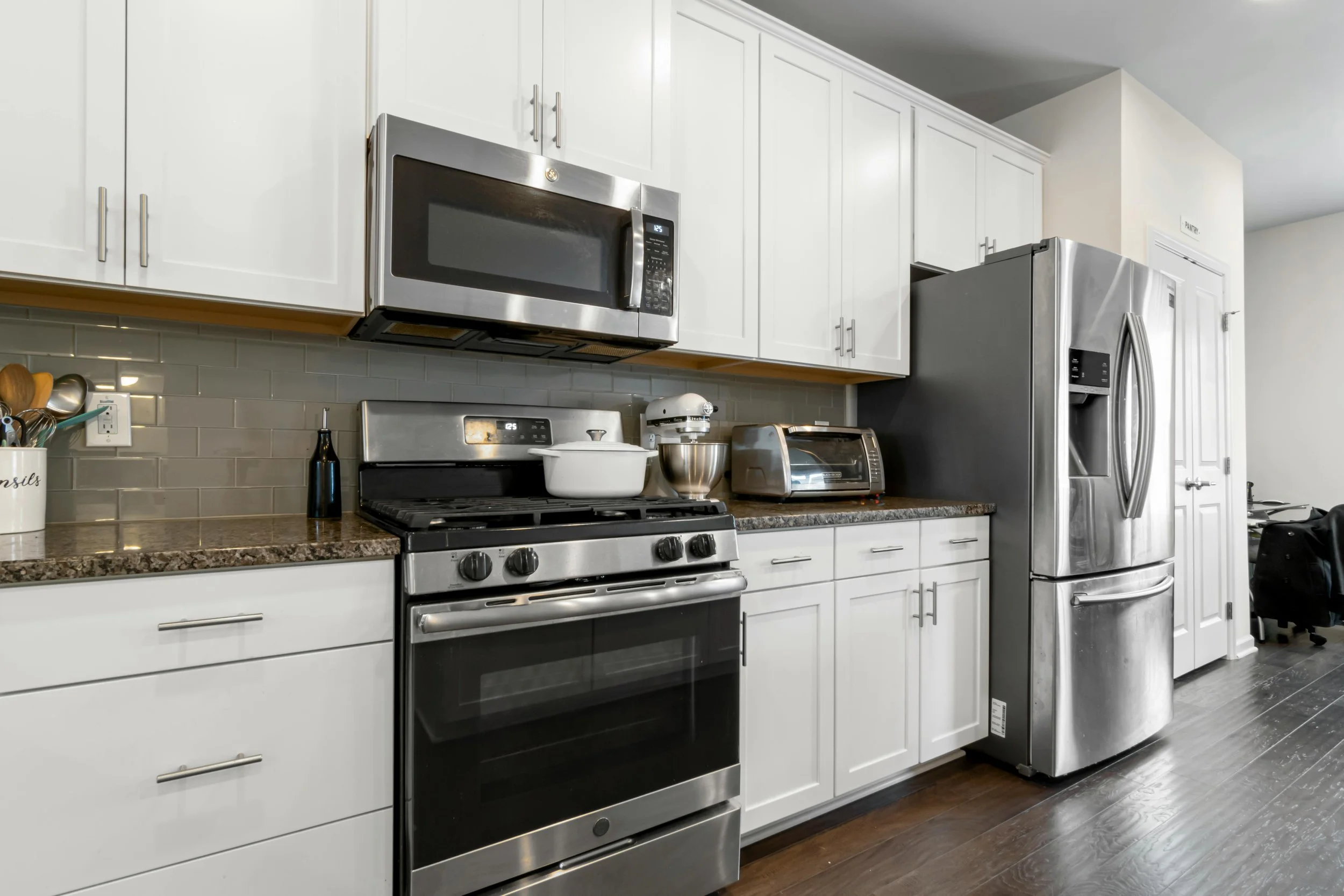
Modern kitchen featuring stainless steel appliances commonly found in today’s homes.

Courtesy of Curtis Adams


The Servel case highlights a simple truth: appliances often outlive the systems designed to monitor their safety.


When Recalls Became Massive

By the late 1980s, manufacturing had changed dramatically. Appliances were being produced at larger scales and distributed nationwide through major retailers.

That meant a single design flaw could affect millions of homes.


One example occurred in 1989 when General Electric discovered a major problem with compressors installed in millions of refrigerators. These compressors were prone to failure as temperatures increased, causing refrigerators to break down in waves across the country as the weather warmed.

Investigators eventually determined that approximately 3.3 million refrigerators were affected.

Repairing them turned into a logistical nightmare. Compressors were in short supply, technicians were overwhelmed, and many units had to be serviced more than once.

The financial damage was enormous. GE ultimately recorded a $500 million charge to handle the crisis, one of the largest recall-related losses in the company’s history at the time.


The lesson was clear.

damage from a kitchen appliance fire.

Courtesy of F. Hektor

When millions of identical appliances are produced, a single engineering mistake can become incredibly expensive.


The Age of Mega Recalls


In the 2000s and 2010s, recalls began affecting even larger numbers of products.


This was partly due to global supply chains and mass retail distribution. When a product design fails, it no longer affects a small group of customers. It can affect millions.


Several large recalls during this period demonstrate the scale these events can reach.


Magnetic toy sets recalled in 2006 and 2007 involved nearly 8 million units after magnets began detaching and being swallowed by children. In some cases, the magnets attracted each other inside the body, causing serious internal injuries.


In 2010, more than 11 million window shades and blinds were recalled due to strangulation hazards from cords.


A 2013 recall involving surge protectors affected approximately 15 million units after hundreds of overheating incidents were reported.


And in 2017, one of the largest recalls in recent history involved nearly 38 million fire extinguishers that could fail to discharge during an emergency.


These examples highlight how modern recalls can grow quickly once defects are discovered.


When products are manufactured in large numbers and distributed nationwide or even globally, problems can spread just as quickly.

Why Recalls Are Surging Again


In recent years, recalls have started climbing again.


Research looking at consumer product safety data found that recalls in the United States have increased significantly over the past five years. In 2025 alone, federal safety officials issued more than 300 recall notices within the first seven months of the year, affecting more than 24 million products.


Fire hazards continue to be one of the leading causes.


Modern appliances rely heavily on electronics, motors, and lithium-ion batteries. When something goes wrong in those systems, overheating and fires are often the result.


Several major recalls in 2025 illustrate the growing trend.


More than 3.8 million adjustable dumbbells were recalled after plates detached during use, causing injuries.


Approximately 3.6 million expandable garden hoses were recalled after reports that they could burst under normal water pressure.


Nearly 1.85 million pressure cookers were recalled after the lids were found to open unexpectedly during use, causing serious burn injuries.


And more than 1.1 million power banks were recalled after multiple incidents involving overheating batteries and fires.


On our own site alone, we have already covered multiple appliance recalls in 2025, including ovens, ranges, and refrigerators with potential safety risks.


These stories appear more frequently because modern products are more complex, supply chains are larger, and defects can affect far more households at once.


What This Means for Homeowners

Looking at these cases across several decades reveals a few important patterns.


First, appliances often last longer than the safety systems designed to track them. A product built decades ago may still be operating in someone’s home today.


Second, modern recalls tend to be massive. When millions of identical products are sold nationwide, a single defect can quickly become a large safety issue.


Third, engineering failures can be extremely expensive for manufacturers. Large recalls can cost hundreds of millions of dollars once repairs, replacements, and legal expenses are considered.


And finally, fire hazards remain one of the most common reasons appliances are recalled. Electrical components, overheating motors, and lithium-ion batteries are involved in many modern incidents.


For homeowners, the takeaway is simple.

Homeowner reviewing an appliance manual to check safety instructions.

Courtesy of Mikhail Nilov

Pay attention to recall notices.


What to Do If You Think Your Appliance Is Affected

If you hear about a recall involving an appliance you own, start by locating the model and serial number on the appliance itself. This information is usually found on a label inside the door, behind a drawer, or on the back panel.


Next, compare that information against the official recall notice. The CPSC maintains a searchable database where consumers can check whether their appliances are affected.


If your appliance is part of the recall, follow the manufacturer’s instructions. Depending on the situation, the company may offer a repair, replacement, refund, or disposal instructions.


Even if your appliance is not part of a recall, unusual behavior should never be ignored. Appliances should not randomly shut off, overheat, make loud electrical noises, or operate unpredictably.


If something seems wrong, it is always better to have the unit inspected.


At Appliance Rescue Service, we work with homeowners every day to diagnose and repair appliances that are behaving unexpectedly. Our technicians are experienced with both modern and older appliances, and we can help determine whether a problem is related to wear and tear, a known defect, or something that needs immediate attention.


Appliances should make life easier, not leave you wondering if something in your home might be unsafe.

If you have questions about a malfunctioning appliance or need help scheduling a service visit, reach out to us anytime.


Website

Call: (214) 599-0055