Why Appliances “Snap” in January After the Holiday Rush

How December Overuse Leads to January Breakdowns in Dallas Homes

We’re at the end of January now, and many are experiencing or have already experienced issues with their appliances post-holidays. The thing is, it’s not your appliances that are the issue. It’s the strain of December. Just like most of us feel exhausted in that week after Christmas and before New Year's, our appliances do too. Let’s take a look at why your appliances feel the strain, whether new appliances are any better, and what you can do as a homeowner to take care of them. 

The Hidden Toll the Holidays Take on Your Appliances

December puts strain on all of us. It’s chaos, decorations, parties, gifts, and shopping, and so much food. Before you know it, the month is gone, and you’re struggling to figure out where it went. During that you expect your appliances to be able to keep up. From the endless hours of cooking, washing linens over and over, both for display and for guests, plus holiday clothes. Not to mention keeping all the food at proper storage temperatures. Your appliances feel the strain just as much as you do. Is it any surprise that your appliances might be exhausted once it’s all over? Then after the holidays, you work to get your house back in order, while slipping into the “New Year, new me!” mindset. This means that your household appliances may or may not get a break after the holidays, and so is it any surprise when they buckle under the strain? 

As our owner pointed out from experience, the appliances that fail the most are refrigerators and washing machines, while other sources note that the problems extend to dishwashers and ovens as well.
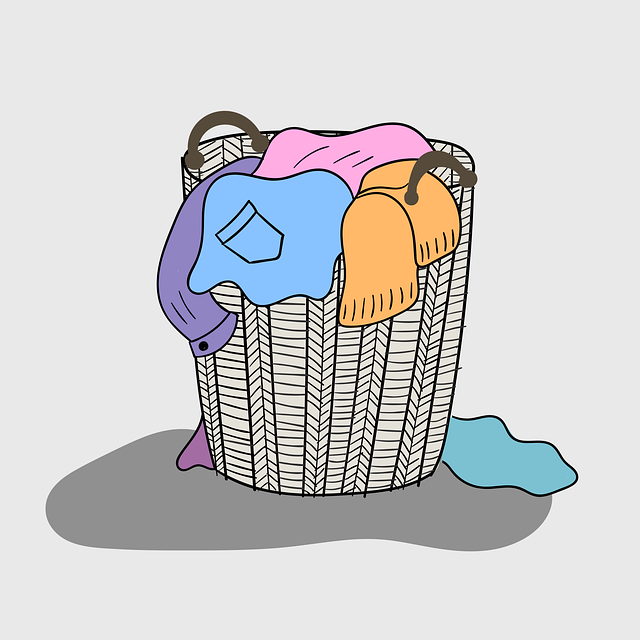


Washing machine handling heavy laundry loads after the holidays

Courtesy of Piyapong Saydaung

Especially in Dallas, it’s not the cold that gets to our appliances, it’s the consistent work. So January isn’t when things break due to the cold for us. Instead, it’s when the problems that developed in December really come to the forefront.  


Do New Appliances Bounce Back Better, or Just Have Fancier Error Messages?

It’s a fair question, especially if you’ve invested in newer appliances over the last few years. Intuitively, it feels like newer machines should handle holiday stress better than older ones. In reality, that isn’t quite how it plays out.

Newer appliances are not immune to post-holiday issues. December still puts heavy strain on the same core components that have always done the real work behind the scenes. Pumps, bearings, seals, heating elements, and motors all experience increased wear when machines are run longer, more frequently, and at higher capacities than usual. That stress doesn’t disappear just because the appliance is newer.

What has changed is how that stress shows up.

Modern appliances are far more likely to surface problems through technology. Error codes, sensor warnings, and performance alerts often appear shortly after the holidays. While this can feel frustrating, it doesn’t necessarily mean the appliance is more fragile. In many cases, it simply means the machine is telling you sooner that something is off.

Older appliances often degraded quietly. A seal might weaken, a bearing might start wearing down, or a pump might struggle long before a homeowner noticed anything was wrong. Newer appliances, with their added electronic components, tend to flag those issues earlier. That added transparency can be helpful, but it also introduces more potential failure points through sensors, control boards, and software-driven systems.
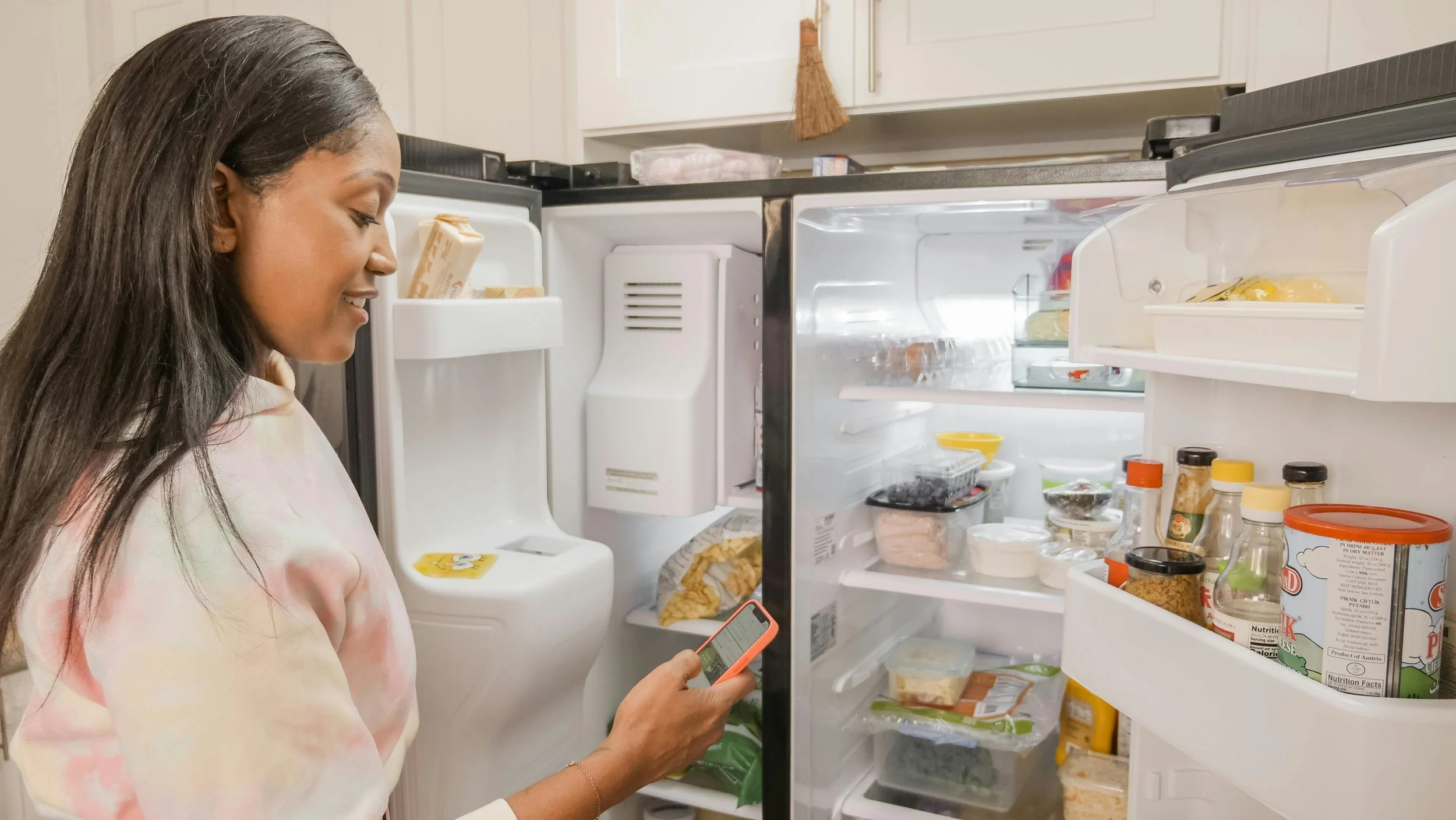
Overloaded refrigerator after the holidays in a home kitchen

Courtesy of Kindel Media

The safe takeaway is this: new appliances don’t really “bounce back” better after the holidays. They just communicate stress sooner. The wear still happens, it’s just more visible. Catching it early is a good thing, but it doesn’t mean the underlying strain is any less real.


What Can Homeowners Do After the Holidays?

January is the best time to slow things down and give your appliances a chance to recover. A few small adjustments and basic checks can go a long way toward preventing a minor issue from turning into a major repair.

One of the most important steps is avoiding continued overloading. After weeks of holiday-level use, running back-to-back max-capacity cycles in January keeps stress levels high. Space out heavy laundry loads and dishwasher cycles when possible, and avoid stuffing machines to their limits right away.
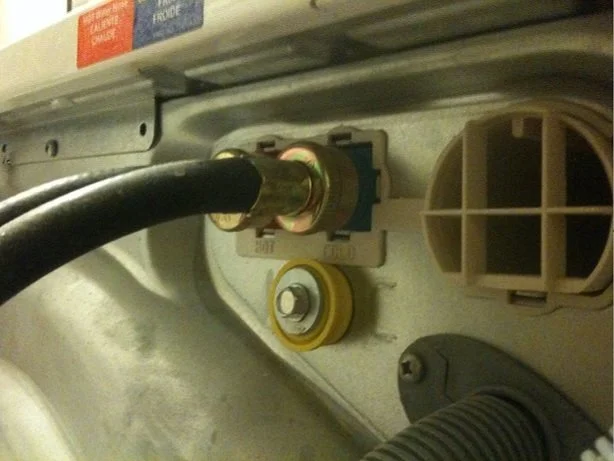
Homeowner inspecting washing machine for post-holiday wear

Courtesy of BD2412.

Simple post-holiday maintenance checks also make a real difference. Cleaning dishwasher filters helps prevent drainage and pump issues. Checking washer hoses and door seals can catch early wear before leaks develop. Emptying dryer lint traps and making sure vent airflow is clear improves efficiency and reduces strain on the motor. Wiping down refrigerator door seals helps maintain proper temperatures without forcing the compressor to work overtime.

Equally important is paying attention to early warning signs. Unusual noises, longer cycle times, poor cleaning or drying results, temperature inconsistencies, or new error codes are all signs that an appliance may be struggling. These issues don’t usually resolve on their own, but they are often easier and less expensive to address early.

January service calls are frequently more straightforward than emergency repairs later in the year. Addressing a small problem now can prevent a complete failure down the road, when schedules are tighter and disruptions are bigger.


Why January Issues Are Usually Cumulative, Not Sudden

When appliances fail in January, it rarely comes out of nowhere. In most cases, holiday stress simply exposes wear that was already there. Components that were borderline get pushed past their comfort zone in December. Once normal routines resume, those small issues finally become noticeable.

This lines up with what we see in real-world service data. January service calls tend to focus on essential appliances like refrigerators and washing machines. People often act when daily life is disrupted, not when the first subtle warning signs appear. By the time an appliance affects food storage, laundry, or basic routines, the issue has become impossible to ignore.

The good news is that this also means many January problems are preventable with timely attention.

Your appliances feel the strain just as much as you do. They’re the workhorses that keep your home running smoothly month after month, and after the holidays, they deserve a little extra care. If something feels off, sounds different, or just isn’t performing the way it should, it’s worth having it checked.

If your appliances are showing signs of post-holiday stress, give Appliance Rescue Service a call. We’ll work with you to find a time that fits your schedule and send out a technician to give them the attention they need. You can call us directly or visit our website to schedule an appointment today.


Website
Call: (214) 599-0055

Why Does My Oven Keep Flipping the Circuit Breaker?

Modern appliance showing an error code after heavy use

Courtesy of Polina Zimmerman

Why Is AI Suddenly in Our Fridges? What Homeowners Need to Know

What today’s smart refrigerators actually do, why manufacturers built them, and what homeowners should consider before buying. 

Why Is AI Suddenly in Our Fridges?

A refrigerator used to be one of the simplest machines in the house. It cooled, it hummed, and if you were lucky, it lasted fifteen years without asking for anything more than the occasional cleaning.

Somewhere along the way, that changed.

In the last few years, major manufacturers have quietly begun turning refrigerators into computers with doors. Cameras inside the cabinet. Touchscreens on the outside. Constant internet connections. Voice assistants listening for instructions. What was once cold storage is now being positioned as a planning tool, a shopping assistant, an energy manager, and in some cases, the center of a household’s entire smart‑home system.

Part of this shift is simple timing. Smart homes are no longer a novelty. Thermostats, doorbells, lights, speakers, and security systems are already connected in millions of houses. The kitchen was always going to be next, and the refrigerator sits at the center of it.

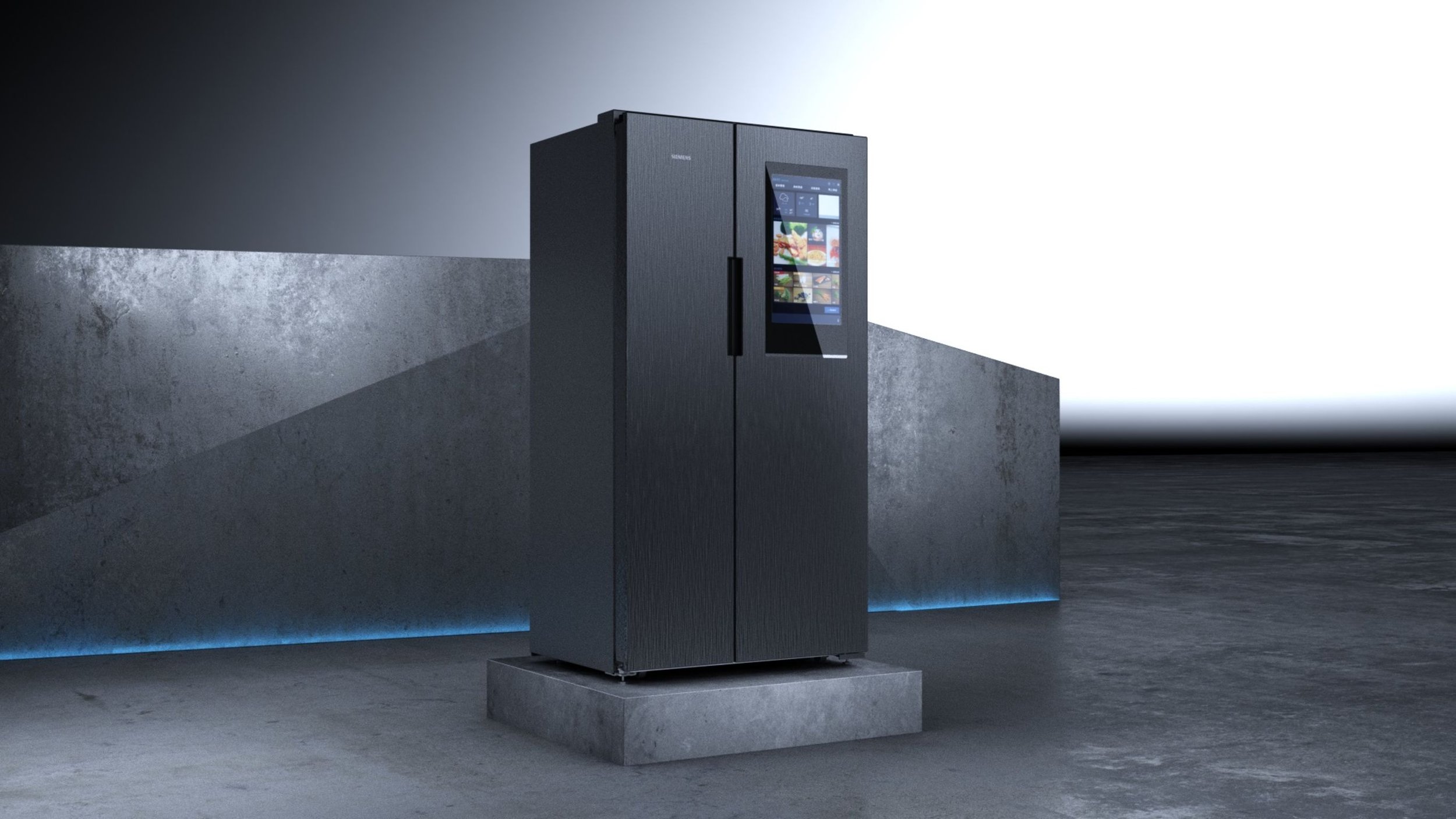
Courtesy of SIemens

The other reason is more practical. Food is one of the few things we interact with every single day. Manufacturers see opportunity in that. If a fridge can track what you buy, what you eat, how often you open the door, and when food expires, it can start making suggestions, creating lists, and offering services. From their perspective, that is not just a refrigerator anymore. That is a daily data source. 


Who Is Doing It?

This isn’t a fringe experiment. The largest appliance brands in the world are already there.

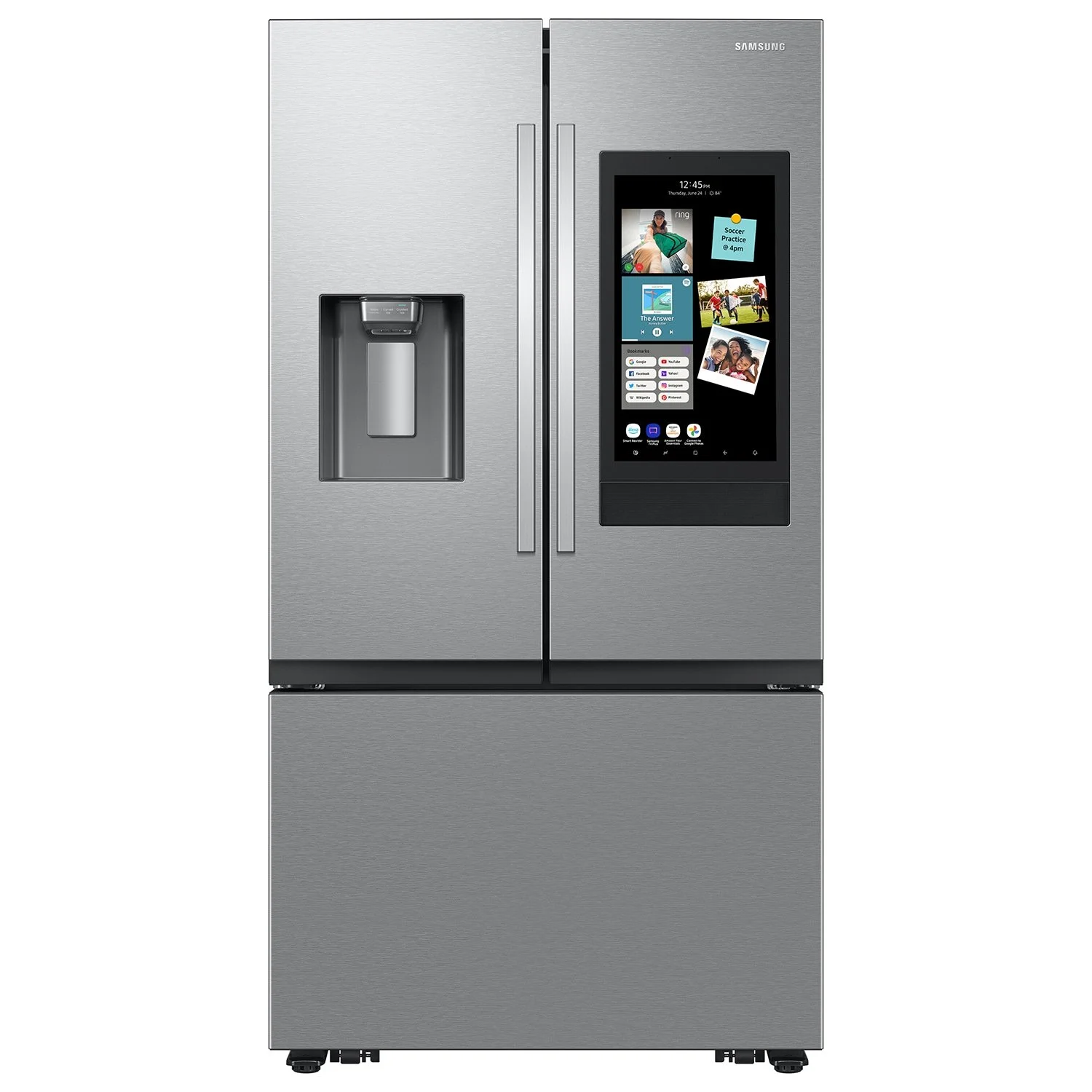
Samsung leads the charge with its Family Hub and Bespoke AI models, integrating internal cameras, large touchscreens, and connections to Bixby, Alexa, and Google’s Gemini AI. LG follows closely with its ThinQ platform, using habit‑learning cooling systems and energy optimization. GE Profile offers barcode scanning and inventory systems through SmartHQ. Bosch, Siemens, and Thermador fold refrigerators into their broader connected‑home ecosystems.

These are not concept models tucked away at trade shows. These are top‑tier refrigerators sitting on showroom floors, sold as premium upgrades in the same price brackets as high‑end traditional models.

In many cases, you do not opt into AI so much as discover that it is already included.


What Is It Supposed to Do?

On paper, the list sounds helpful.

Modern smart refrigerators can:

• Track inventory using internal cameras or barcode scanners
• Send expiration alerts when food is about to go bad
• Suggest meals based on what is inside
• Turn recipe videos into step‑by‑step instructions
• Generate grocery lists automatically
• Order food directly through delivery services
• Adjust cooling patterns based on household habits
• Act as a control hub for lights, thermostats, and other appliances
• Monitor performance and predict maintenance issues

Some of these features genuinely reduce waste and improve efficiency. Energy optimization can lower utility bills. Expiration alerts can cut down on forgotten leftovers. Diagnostics can catch cooling problems early.

Others are conveniences that quickly become habits. A screen for calendars and notes. Voice control for timers and reminders. A shopping list that quietly builds itself.

Individually, none of this is alarming. Collectively, it changes what a refrigerator is.


Why the Hell Did They Do This?

This is the point where things get… ugly.

As the old adage goes, “if someone is offering you something for free, the product is you.” Mind, this is still speculation on our part, as nothing has officially been stated by the companies now selling AI refrigerators. But the business incentives are not too difficult to read.

Appliances are traditionally a one‑time sale. You buy a refrigerator, and the relationship largely ends for a decade or more. Software changes that. Once a fridge is connected, it can generate ongoing value through services, partnerships, subscriptions, and data.

Courtesy of Samsung

Grocery integration creates referral revenue. Recipe platforms create brand partnerships. Smart‑home ecosystems create lock‑in, making it harder to switch brands later. Usage data reveals shopping habits, meal patterns, energy behavior, and household routines.

None of this necessarily means anything improper is happening today. But it does explain the urgency.

Hardware margins are thin. Software margins are not.

There is also the matter of competition. Refrigerators are a mature product category. Cooling technology does not change much year to year. AI features give manufacturers something new to sell, a reason to justify higher prices, and a way to position themselves as leaders rather than commodity brands.

Convenience sells. So does novelty. And in a crowded market, standing still is rarely an option.


Finally, How Do They Plan to Protect Our Homes, If at All?

The short answer, at least for now, is “yes, but.”

Like all appliances, manufacturers do not intend to provide updates and security support forever. One of the clearer commitments we found comes from Samsung, which promises up to seven years of software updates from the time of purchase. That does not cover the full expected lifespan of a refrigerator, which often exceeds fifteen years. They also offer a ten‑year compressor warranty, but only if the unit remains connected through the SmartThings app.

After that, the future becomes less certain.

Smart refrigerators, like most connected devices, are potential entry points into a home network. Because manufacturers often prioritize features over security protocols, much of the responsibility falls on the homeowner.

That means:

• Using strong, unique Wi‑Fi passwords
• Running modern routers with current security standards
• Installing firmware updates as soon as they are released
• Limiting unnecessary app permissions
• Treating the refrigerator as a networked computer, not just an appliance

Internal cameras and microphones introduce additional privacy questions. Always‑on connections create persistent exposure. Older models that stop receiving updates can become vulnerable long before the hardware itself wears out.

In other words, the fridge may last fifteen years. The software may not.


Where Does That Leave Us?

What started as a plan to make food storage easier and more convenient has brought AI into our homes in ways that not everyone wants. Now these features exist in some of the most popular brands on the market, and depending on your price point, they can be difficult to avoid.

From cameras and microphones inside refrigerators, to constant connectivity and unanswered questions about data sharing, we are being asked to look at a very old appliance in an entirely new way.

Refrigerators are no longer just the centers of our kitchens. With added connectivity, they are trying to become the centers of our homes and our smart ecosystems.

The question is not whether the technology is clever. It is where we choose to draw the line.


When Something Goes Wrong

If your appliances have run into a problem, preferably one that does not involve attempting to overthrow the neighborhood, you can reach out to us through our website or by giving us a call.

Whether it is your fridge or your oven, your washer or your freezer, Appliance Rescue Service is here to help.

Call Us: (214) 599-0055

Website 


From Smart Kitchens to Cleaner Homes: CES 2026’s Most Useful Innovations

What this year’s biggest appliance innovations mean for real kitchens and real routines

Every year at CES the appliance world dazzles us with futuristic bells, whistles, and smart-connected gizmos that sound like they belong on tomorrow’s magazine covers. But what doesn’t belong there — what actually matters to real families right now — is functionality, safety, durability, and usefulness in everyday life.

In 2026, we’re seeing a fascinating mix of both genuinely helpful innovations and flashy concepts that still leave homeowners asking: “Is this actually worth it?” From smart fridges that see inside themselves to ventilation systems that can make gas cooking safer than ever, this year’s batch of products is shaping up to be one of the most interesting in recent memory.

Here are ten standout CES innovations that tell the story of where home tech actually is in 2026 — and why it matters to you.

1. Smart Ventilation Hoods That Do More Than Look Good

Gas stoves are beloved for their control and cooking power, but they come with a well-known concern: combustion gases like nitrogen dioxide can linger in your kitchen air. The new GE Profile Smart Ventilation Hoods don’t just suck up steam and smoke — they actively monitor indoor air quality, checking levels of nitrogen oxide and other pollutants and giving clear visual feedback right on the hood, plus alerts through the SmartHQ app. When used properly, this isn’t just a convenience feature — it’s a safety improvement that makes cooking over open flame cleaner and healthier for your whole household.

2. A Triple-Threat for Food Freshness

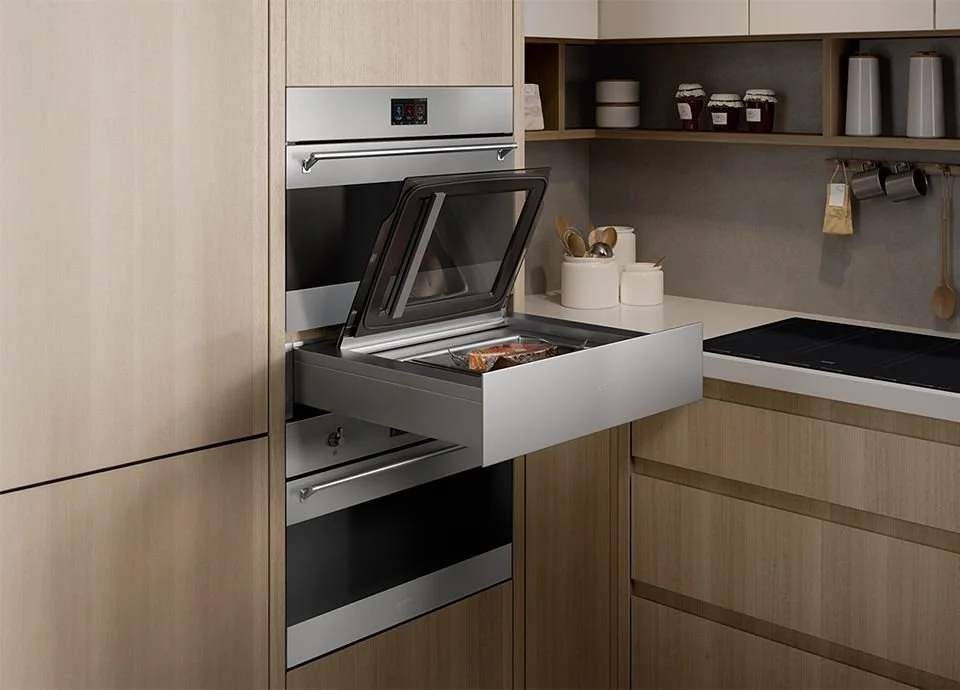
courtesy of Smeg - All three pieces of the Vitality System

Food waste is a real pain point for kitchens everywhere. The Smeg Vitality System takes a smart, layered approach by combining a blast chiller, vacuum preservation drawer, and combi-steam oven into an appliance  ecosystem designed to keep food fresher — and usable — for longer. Blast chilling extends life and preserves nutrients, vacuum sealing cuts down oxidation, and steam cooking brings versatility to everyday meals. These tools together elevate a kitchen’s performance for health-oriented households or anyone tired of tossing forgotten produce.

3. Invisible Cooking That Maximizes Space

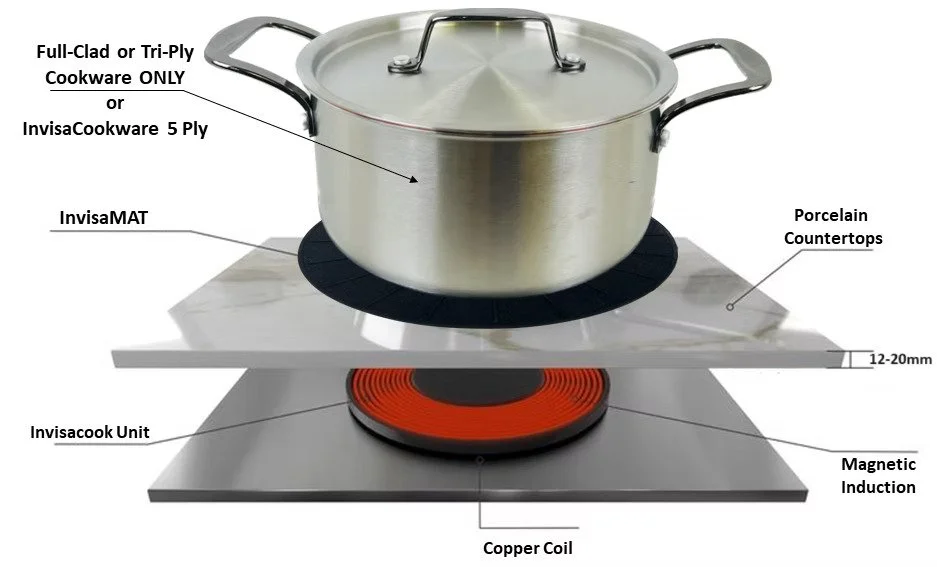
Courtesy of invisacook

Here’s a category that looks like future design but works beautifully in compact kitchens: Invisacook Technology. These induction cooktops are installed underneath your counter and work through the surface, without causing any damage. It allows you to reclaim counter space without losing an appliance, and gain a cleaner, more minimalist design in your kitchen. Rather than having to purchase give up counter space, consumers can now ask if induction is the way to go. 


4. Fridges That Think (and See) for Themselves

Two major CES highlights were Samsung’s Bespoke Refrigerators and the GE Profile Smart 4-Door Refrigerator — both embracing technology with practical benefits.

Samsung’s Bespoke models include internal cameras and smart tracking that helps you see and manage your food from your phone, cutting down on forgotten leftovers and impulse grocery runs. These features can literally save money by reducing waste.

GE’s Smart 4-Door Refrigerator takes it a step further with barcode scanning and Instacart integration built in. Imagine your fridge noticing that spinach is about to spoil and suggesting recipes or triggering a restock order — that’s real hands-off help.

5. A Smart Wardrobe That Actually Cares

Courtesy of Samsung

Laundry tech gets personal with Samsung’s Bespoke AI AirDresser. This isn’t just a steamer — it refreshes clothes, reduces odors, and even eliminates viruses and bacteria using advanced cycles. It works hand-in-hand with the Samsung laundry ecosystem to help you treat delicate or lightly worn clothes without washing them every time, saving time and wear-and-tear on fabrics.

6. Dishwashing Reinvented for Modern Kitchens

Next up in practicality: the Fisher & Paykel DishDrawer Dishwasher. The DishDrawer, depending on the model is two stacked drawers that allow you to run half-loads at a time, with quiet cycles and ease of access. It’s great for those who are constantly busy, and need to load up the dishes at the end of the night, whether or not the washer is full. Instead of a gimmick, we see this as a down-to-earth solution for daily life in smaller families. It’s also easier to load, as the counter height drawer doesn’t require bending over repeatedly. 


7. A Dual-Chamber Air Fryer That Really Delivers

Air fryers have become a kitchen staple, but the Dreame Feast DS50 Dual-Chamber Air Fryer gives home cooks even more flexibility. With two separate cooking zones you can prepare different foods at different temperatures and finish times, which makes weeknight dinners or party appetizers that much easier to pull off without juggling multiple appliances.

8. A Robot That Thinks Like a Roommate

Cleaning floors used to be at the bottom of everyone’s weekend to-do list, but the Eufy Robot Vacuum Omni S2 takes a big step toward true autonomy. This robot doesn’t just push dust around — it combines vacuuming and mopping with self-sanitizing functions and obstacle avoidance smart enough to navigate around toys, cables, and pet bowls. Little touches like these add up to more time back in your day.

9. Turning Waste Into Good Habits

Environmental consciousness is increasingly part of modern home tech — and the Clear Drop Soft Plastic Compactor is a great example. Designed to compress soft plastics like bags and wrappers, it helps homeowners prepare recyclables more efficiently and responsibly. It’s a small device but part of a larger shift toward smarter waste habits.

10. The Smarter Refrigerator Future

Rounding out the list is another Samsung Bespoke Refrigerator highlight focused on lifestyle flexibility, food preservation, and connectivity that bring smart features into everyday routines without overwhelming users.


Why Innovation Still Needs Real Support

Taken together, these products show that home tech in 2026 isn’t just about flashy screens or apps — it’s about practical improvements to how we live. Smarter ventilation that protects health. Fridges that actually help you manage food. Dishwashers designed around real use patterns.

But here’s the kicker: no matter how advanced the technology, things still break, get out of sync, or simply need a tune-up — and that’s where Appliance Rescue Service comes in. When cutting-edge machines stop behaving the way they should, when smart features confuse more than they help, or when you just need your core appliances to work reliably, Appliance Rescue Service has your back with expert diagnosis, honest assessment, and repair work that gets your home running smoothly again.

Because no matter how smart your home gets, what matters most is peace of mind — and the confidence that someone’s there to help when real life gets in the way of the tech.

Website
Call: (214) 599-0055


Your 2025 Appliance Report Card: What’s Working, What’s Failing, What’s Next

 A homeowner-focused breakdown of 2025’s features, failures, and the technology headed our way next.

Every January, the appliance world tries to convince us it has reinvented the wheel. The newest lineup rolls out with glossy marketing, big promises, and enough smart features to make you wonder whether your fridge is about to start offering life advice. And like clockwork, homeowners brace themselves for another round of “Is this actually useful, or is this just another thing that will need a firmware update?”

This past year was no exception. 2025 arrived with the usual enthusiasm, but instead of delivering a neat, predictable upgrade cycle, it turned into something far more revealing. Between the satisfaction studies, reliability reports, and real-world user feedback, the year pulled back the curtain on what’s actually working in our homes — and what’s quietly driving people up the wall.

Courtesy of Photo by Curtis Adams

What follows is an honest look at the products, features, trends, and misfires that shaped the appliance landscape in 2025. Not the showroom version, but the homeowner version: the one where the dishwasher either does its job or it doesn’t, and where “smart” still has to prove it means “better.”

Let’s take a look at what really happened this year.

Smarter Features… Everywhere

Manufacturers went all in on connected features. Smart fridges gave recipe nudges and more detailed temperature tracking. Ranges became mini command centers, with some adding weather access, internal oven cameras, and giant touchscreen displays.

Samsung’s Bespoke induction range is the poster child of this new era. Fast boil times? Great. Steady baking? Also great. A seven-inch display that lets you monitor your Ring doorbell and look up recipes while your food cooks? That’s where the industry is clearly headed — a hybrid between appliance and smart-home device.

On the opposite end of the pricing spectrum, Hisense quietly put out one of the best-performing French-door refrigerators in its bracket. No nonsense, steady temps, plenty of usable space, useful smart touches, and somehow still affordable. A refreshing shift.


Laundry Upgrades That Actually Meant Something

2025 wasn’t subtle about trying to reinvent laundry day.

GE leaned into practicality with antimicrobial coatings, smart soil sensors, and huge detergent reservoirs. Samsung’s next-gen wash tower handled detergent switching automatically and used AI to adjust cycles in real time.

Meanwhile, Electrolux continued its trend of quietly dominating stain removal. Their internal heater pushed sanitizing cycles well above the typical 120°F, which finally gave homeowners the level of cleaning manufacturers have been hinting at for years.


Premium Performance at Mid-Range Prices

This was the year value stepped forward. No more needing to drop a small fortune to get solid engineering and thoughtful features. Homeowners love premium performance, but what they love even more is not feeling swindled on delivery day.


Where Things Went Wrong

Of course, with every new idea comes the part manufacturers hope you won’t notice. Except… homeowners always notice.


Smart Appliances Caused More Problems Than They Solved

Courtesy of Mikhail Nilov

The reliability numbers weren’t kind this year.

  • 87 problems per 100 smart units

  • 63 problems per 100 traditional units

  • 92 problems per 100 units when people actually used the smart features


That last one says everything.

Younger buyers expected these features to work seamlessly. Instead, they got confusing menus, buggy apps, and connectivity issues that felt like the appliance equivalent of “sorry, have you tried turning it off and on again?”


Over-Complicated Controls Hurt Satisfaction

Across the board, satisfaction dropped. Durability, features, ease of use… all down.

The issue wasn’t lack of capability. It was excess. Too many settings, too many nested menus, too many features that sounded exciting in a product briefing but didn’t translate to real kitchens.

People don’t want to study to run a dishwasher. They want clean plates.


Design Choices That Had People Scratching Their Heads

Samsung made an otherwise excellent induction range with an… experimental burner layout. A 3:1 setup that practically begged users to tilt their heads and wonder who approved it.

That became something of a metaphor for the year: bold ideas that landed somewhere between intriguing and inconvenient.


Reliability Still Needs Work

Front-load washers topped the failure list. Smart refrigerators needed more service calls. Parts shortages dragged out repair times. And smart interfaces only stacked additional complexity onto already complex machines.

Reliability didn’t collapse in 2025 — but it certainly didn’t improve.


Courtesy of Tiger Lily

Where We’re Heading (and Why It Actually Looks Promising)

Despite the stumble points, the appliance industry seems poised for a calmer, more consumer-focused direction in 2026 and beyond.


Smarter — But Finally Simpler

Manufacturers appear to have received the message: homeowners don’t want an appliance that behaves like an overexcited smartphone.

The next wave of tech will likely center on:

  • Predictive maintenance

  • Energy monitoring

  • Intuitive interfaces

  • Smarter (and fewer) cycles

  • Troubleshooting that doesn’t require a tech dictionary


A refreshing pivot.

Energy Efficiency Is About to Take Center Stage

With energy costs continuing to creep upward and federal incentives still in play, expect the big players to double down on:

  • Eco modes

  • Heat pump technologies

  • Better insulation

  • Lower-draw compressors

Efficiency isn’t just a selling point anymore; it’s becoming a practical necessity.

A Big Replacement Cycle Is Coming

Dishwashers, refrigerators, and AC units are all entering natural replacement windows. Homeowners are going to be prioritizing:

  • Reliability ratings

  • Brand service networks

  • Warranty coverage

  • Actual performance over flashy add-ons


This is where brands like LG, Bosch, GE, and Whirlpool tend to thrive.

Premium Features Will Keep Drifting Down to Mid-Range Models

This trend started in 2025 and won’t be slowing down. Homeowners want value, not just hype, and the market is shifting accordingly.


Trust Is Becoming a Deciding Factor

After a year where satisfaction slipped, the brands that communicate clearly, support their products, and build dependable machines will win.


For all the noise around innovation this year, 2025 ended up being a reminder of something homeowners already know: the best appliances are the ones that work when you need them, don’t fight with you, and don’t turn every simple task into a small tech adventure. We all love a good feature upgrade, but reliability is still the thing that makes or breaks the relationship.

And that’s the part of the conversation that tends to get lost between press releases and product rankings — the reality that every home eventually needs service, maintenance, or a second opinion on whether a machine is worth fixing at all. When something stops behaving the way it should, it’s never about touchscreen specs or cycle names. It’s about getting your kitchen or laundry room back to normal as quickly as possible.

If that moment ever hits your home, that’s where Appliance Rescue Service steps in.
This is what we do, every day: diagnose the real issue, give you an honest assessment, handle repairs with care, and help you get more life out of the appliances you’ve already invested in. No drama, no pressure — just experienced techs who understand the machines and the homeowners behind them.

When the data gets messy or the smart features get too clever for their own good, you don’t need a new app. You just need someone who can fix the problem.
ARS is here when you need us.

Website

Call: (214) 599-0055


Appliance Repairs, Manufacturer Roadblocks, and Your Right to Choose

You paid for your appliances. Shouldn’t you be able to fix them?

It’s frustrating when an appliance you rely on starts to fail — especially when the fix turns out to be simple, but the manufacturer won’t let anyone but their technicians handle it. Maybe you’ve been told parts are “unavailable,” or that using a local repair company might void your warranty. It’s enough to make anyone wonder: who actually owns this appliance — you or the manufacturer?

That question lies at the heart of the Right to Repair movement. It’s about more than fixing a fridge or a washing machine — it’s about your right, as a homeowner, to decide what happens to the things you’ve paid for.


What is the Right to Repair?


The “right to repair” refers to consumers’ and independent repair providers’ ability to access the parts, tools, documentation, firmware and other resources needed to diagnose, maintain, or repair a product that they own. According to The Repair Association, the movement is grounded in the principle: “You bought it, you own it. Period.”In practical terms, a right-to-repair regime would require manufacturers to make available, on fair terms, the same service manuals, replacement parts, diagnostic tools and software updates that their authorized repair networks use.
Historically the issue has grown because as more home appliances and other products incorporate embedded software, sensors, proprietary tool-locks and “paired” parts, consumers and independent shops increasingly find themselves locked out of repairs unless they go through the manufacturer’s authorized channel.
For homeowners and appliance repair companies alike, the right to repair means that when a refrigerator, washer, dryer or other household appliance fails, the owner (or a trusted local technician) should have the choice to repair it — not be compelled to replace it or send it to a factory-only repair facility.


 Why is it important?


The right to repair is important for a number of intersecting reasons: economic, environmental, consumer-rights and market-competition.
From the consumer’s side, restricting access to repair tools and parts can raise costs, delay fixes, reduce choice and push replacement instead of repair. As the Federal Trade Commission concluded, “lack of repair options increases costs to consumers.”
From the environmental side, enabling repair helps extend product lifespans, reduce waste and mitigate the resource and energy consumption involved in manufacturing and disposal.
From the market side, when only manufacturer-authorized repair channels exist, independent and local repair businesses are locked out, reducing competition and consumer choice. As one explainer puts it: “Repair restrictions have squeezed independent repair shops, which are overwhelmingly small, local businesses.”
And finally, from the consumer-rights side, when you buy a product you expect to own it, use it, maintain it and repair it — not be forced into “licensing” your product or being captive to a manufacturer’s repair monopoly. Taken together, these factors make the right to repair a foundational issue for homeowners who rely on appliances, for local repair businesses that serve homeowners, and for a fair, sustainable marketplace.


Courtesy of Vikas Raghav.

Why do we want it?
We want the right to repair for several key reasons.
First, because it restores choice and control: homeowners gain the ability to have their appliance fixed (or make themselves the choice) rather than being forced into expensive replacements or manufacturer-only service. This means fewer surprises, less frustration and potentially lower lifetime costs for appliances.
Second, because it supports competition: when independent repair shops – especially local ones – have access to the same parts, tools and information as authorized channels, they can offer competitive pricing, faster service, and more convenience. According to Congress’s record, “Independent repair shops frequently offer lower prices than larger manufacturers.”
Third, because it aligns with sustainability: enabling repair keeps appliances in service longer, reduces e-waste (and the associated environmental damage), and makes the most of the resources already invested in the product.
Finally, because it strengthens community-based businesses: small, local appliance repair companies are plugged into their neighborhoods, know homeowners by name, provide personal service and invest locally. Giving them a level playing field helps local economies — not just big manufacturer service-networks.


Why does this matter to you, as a homeowner?
For homeowners served by a local company like Appliance Rescue Service, the right to repair means more reliable, affordable, timely service when an appliance breaks. When independent local repair shops have unfettered access to OEM parts, tools, repair documentation and software diagnostics, they can offer faster turnaround, lower fees and more flexibility (for example, offering used or aftermarket parts when appropriate).
In practical effect: if a homeowner’s refrigerator starts malfunctioning, a local technician can diagnose the problem onsite, order the correct part quickly (rather than waiting several days for “authorized dealer only” parts), and complete the repair — avoiding a full replacement or extended downtime. That saves the homeowner money, keeps their household running smoothly, and supports local businesses

.
From the business side, when repair restrictions are removed, local repair shops don’t have to steer homeowners toward costly manufacturer-only service or replacement. They can compete, maintain a margin, and grow, which means they can reinvest in training, tools, stock parts, and rapid response, which benefits homeowners in turn. As noted in policy discussions: repair restrictions “negatively impact small firms by raising costs and limiting repair options for small businesses that depend on machinery.” While that quote was directed at agriculture, the same logic applies to appliance repair.
When homeowners know their local repair shop is equipped, empowered and fairly able to service their appliance, it builds trust, promotes home appliance longevity, and spares costly “replace-because-repair isn’t affordable” outcomes.


What does it mean if we as Americans don’t have the option for right to repair?
If Americans lose or never secure the right to repair, the practical consequences ripple through homeowners, repair businesses, communities and the economy. For homeowners: repair costs will likely stay higher, service options fewer, downtime longer, and replacement more common as the default — which means more money out of pocket, more waste, less flexibility.
For local repair shops: restricted access means fewer tools and parts, higher overhead, dependence on manufacturer channels, less ability to serve their community, higher prices, fewer jobs, and weaker local economies. For instance, independent shops may have to charge more or wait longer for parts, decreasing competitiveness.


For communities and the environment, more appliances get discarded instead of repaired, increasing waste streams, piling up in landfills, consuming more manufacturing resources, and generating more emissions. Homeowners may feel powerless, and repair becomes unaffordable for many — disproportionately those in rural or low-income communities, where local repair shops often fill the gap. For the broader market, a repair monopoly by manufacturers means less competition, less innovation in repair service business models, fewer choices for consumers, and fewer incentives for appliances to be made repair-friendly. Simply put: lack of the right to repair stifles choice, increases cost, rewards replacement over repair and undermines local service capacity.


If we don’t act, homeowners may increasingly be forced into either buying new or paying high authorized‐dealer rates, local repair shops may shrink or disappear, and our built-in household infrastructure (appliances, etc.) will become more disposable and less resilient.


As homeowners, we’re not just customers — we’re caretakers of the homes we’ve built and the things that keep them running. The Right to Repair is one small part of protecting that independence. When we lose the freedom to fix what we own, we lose control over cost, convenience, and even sustainability in our own homes.

At Appliance Rescue Service, we believe every homeowner deserves honest, affordable repair options — not locked systems and forced replacements. Our technicians take pride in helping Dallas-area families extend the life of their appliances through reliable, local service.

Call: (214) 599-0055

Website