appliance maintenance tips

Why Appliances “Snap” in January After the Holiday Rush

How December Overuse Leads to January Breakdowns in Dallas Homes

We’re at the end of January now, and many are experiencing or have already experienced issues with their appliances post-holidays. The thing is, it’s not your appliances that are the issue. It’s the strain of December. Just like most of us feel exhausted in that week after Christmas and before New Year's, our appliances do too. Let’s take a look at why your appliances feel the strain, whether new appliances are any better, and what you can do as a homeowner to take care of them. 

The Hidden Toll the Holidays Take on Your Appliances

December puts strain on all of us. It’s chaos, decorations, parties, gifts, and shopping, and so much food. Before you know it, the month is gone, and you’re struggling to figure out where it went. During that you expect your appliances to be able to keep up. From the endless hours of cooking, washing linens over and over, both for display and for guests, plus holiday clothes. Not to mention keeping all the food at proper storage temperatures. Your appliances feel the strain just as much as you do. Is it any surprise that your appliances might be exhausted once it’s all over? Then after the holidays, you work to get your house back in order, while slipping into the “New Year, new me!” mindset. This means that your household appliances may or may not get a break after the holidays, and so is it any surprise when they buckle under the strain? 

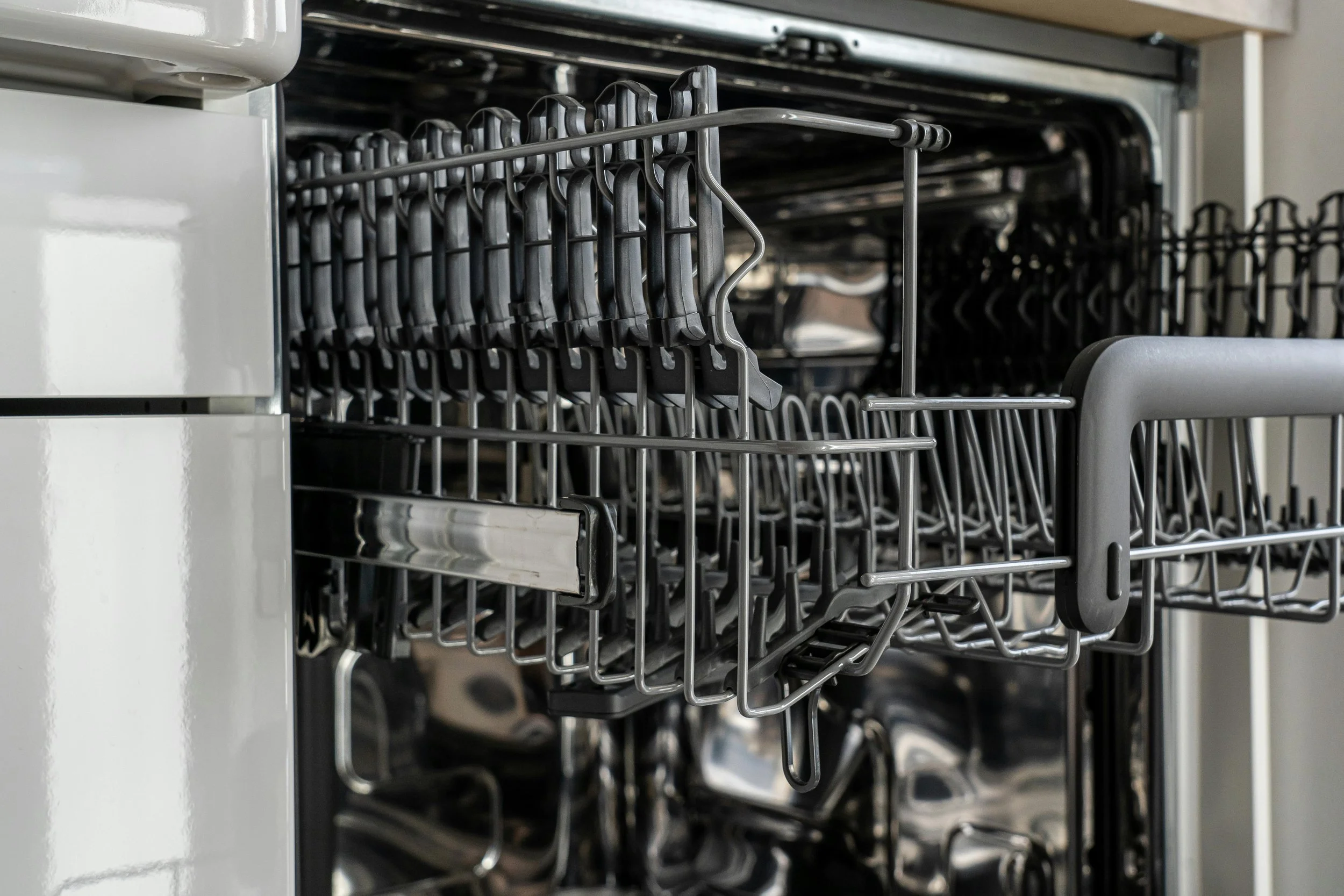
As our owner pointed out from experience, the appliances that fail the most are refrigerators and washing machines, while other sources note that the problems extend to dishwashers and ovens as well.


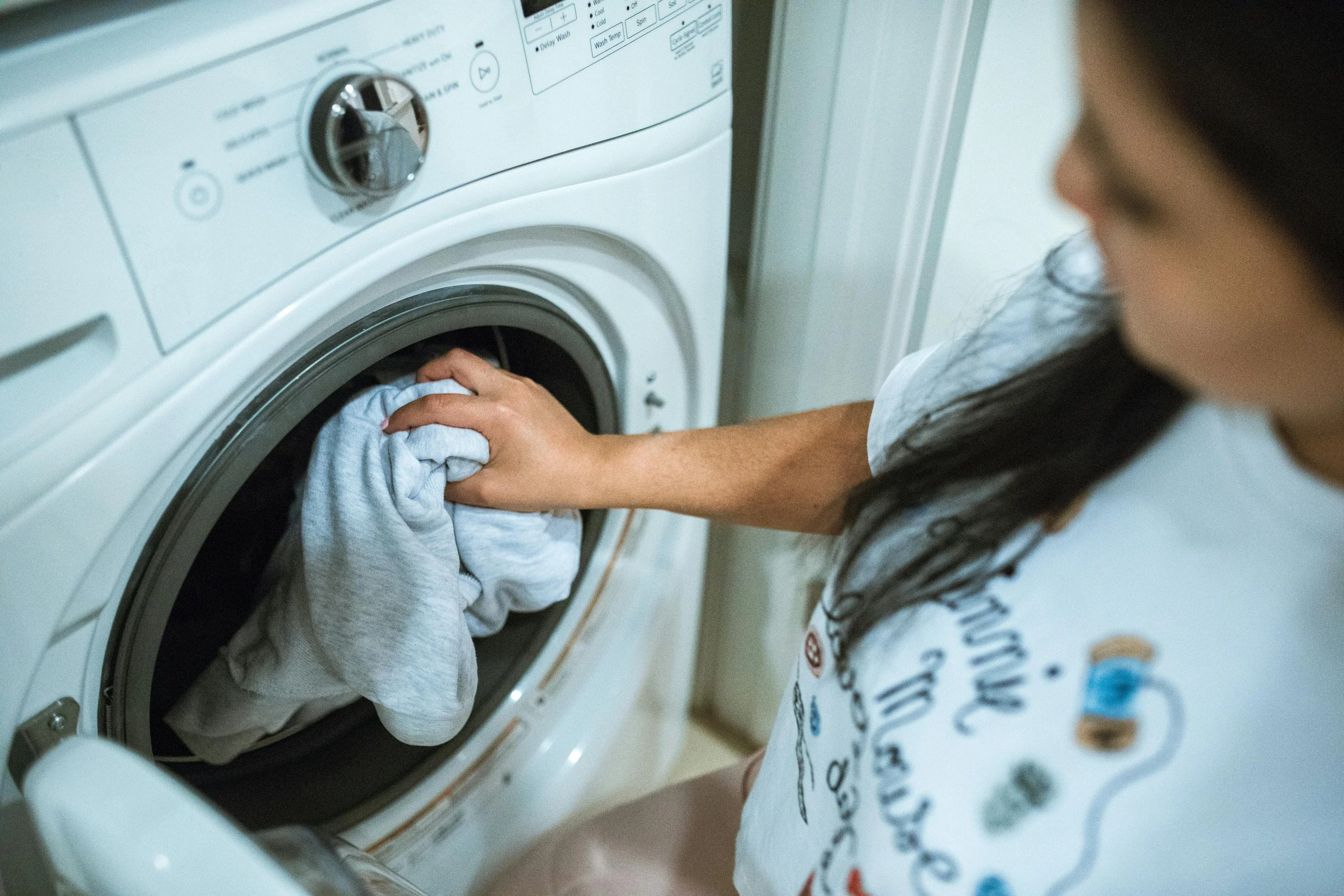
Washing machine handling heavy laundry loads after the holidays

Courtesy of Piyapong Saydaung

Especially in Dallas, it’s not the cold that gets to our appliances, it’s the consistent work. So January isn’t when things break due to the cold for us. Instead, it’s when the problems that developed in December really come to the forefront.  


Do New Appliances Bounce Back Better, or Just Have Fancier Error Messages?

It’s a fair question, especially if you’ve invested in newer appliances over the last few years. Intuitively, it feels like newer machines should handle holiday stress better than older ones. In reality, that isn’t quite how it plays out.

Newer appliances are not immune to post-holiday issues. December still puts heavy strain on the same core components that have always done the real work behind the scenes. Pumps, bearings, seals, heating elements, and motors all experience increased wear when machines are run longer, more frequently, and at higher capacities than usual. That stress doesn’t disappear just because the appliance is newer.

What has changed is how that stress shows up.

Modern appliances are far more likely to surface problems through technology. Error codes, sensor warnings, and performance alerts often appear shortly after the holidays. While this can feel frustrating, it doesn’t necessarily mean the appliance is more fragile. In many cases, it simply means the machine is telling you sooner that something is off.

Older appliances often degraded quietly. A seal might weaken, a bearing might start wearing down, or a pump might struggle long before a homeowner noticed anything was wrong. Newer appliances, with their added electronic components, tend to flag those issues earlier. That added transparency can be helpful, but it also introduces more potential failure points through sensors, control boards, and software-driven systems.

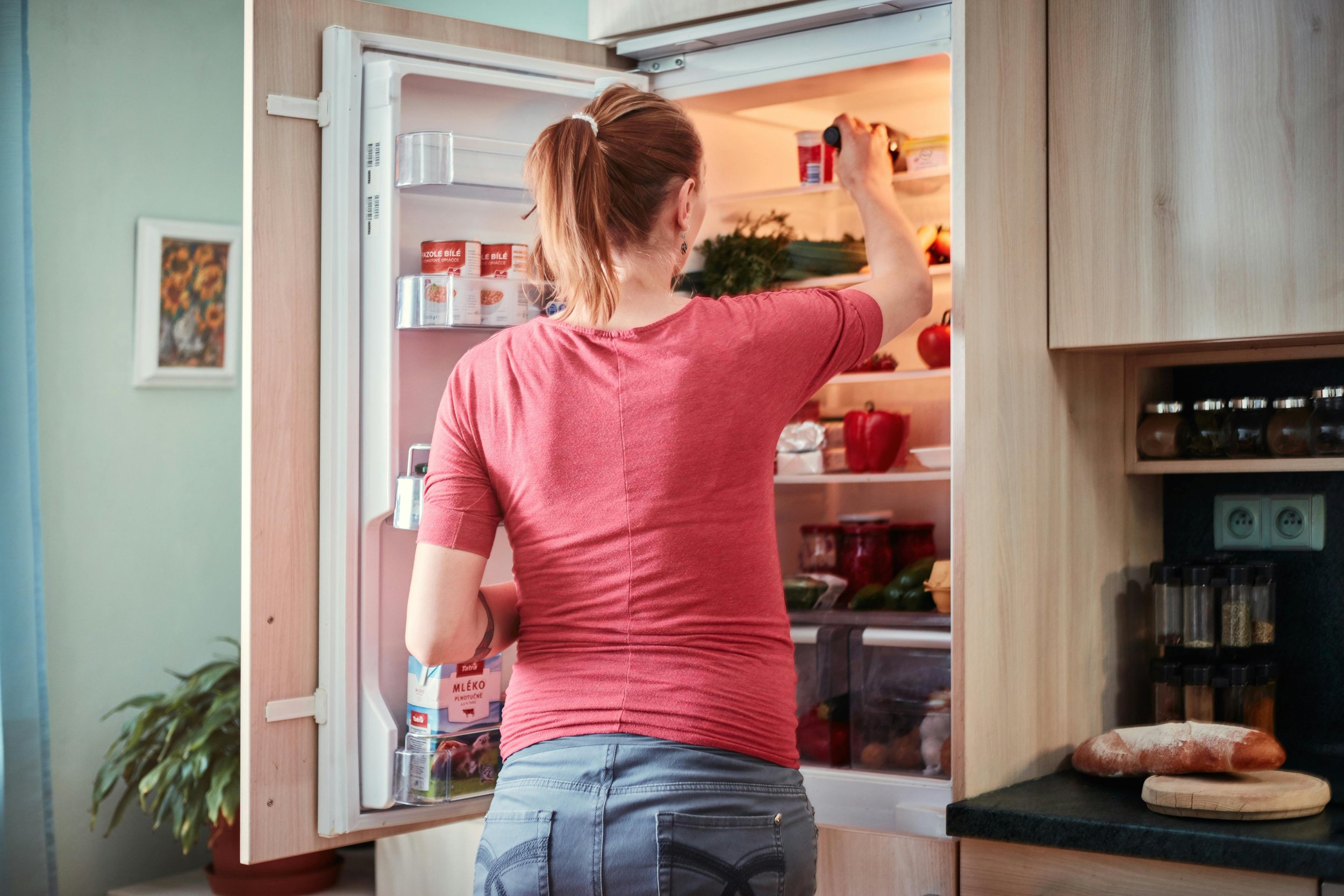
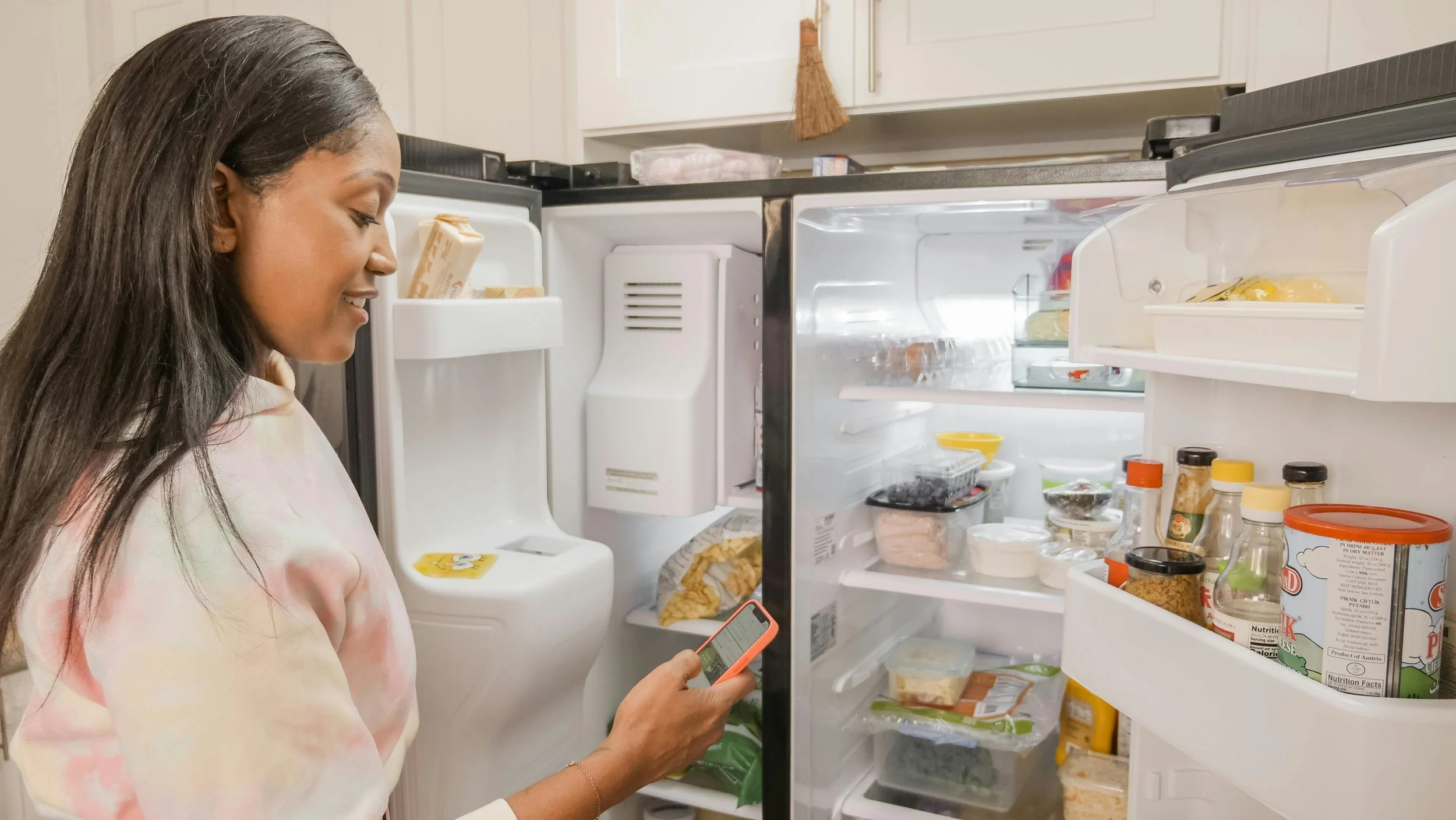
Overloaded refrigerator after the holidays in a home kitchen

Courtesy of Kindel Media

The safe takeaway is this: new appliances don’t really “bounce back” better after the holidays. They just communicate stress sooner. The wear still happens, it’s just more visible. Catching it early is a good thing, but it doesn’t mean the underlying strain is any less real.


What Can Homeowners Do After the Holidays?

January is the best time to slow things down and give your appliances a chance to recover. A few small adjustments and basic checks can go a long way toward preventing a minor issue from turning into a major repair.

One of the most important steps is avoiding continued overloading. After weeks of holiday-level use, running back-to-back max-capacity cycles in January keeps stress levels high. Space out heavy laundry loads and dishwasher cycles when possible, and avoid stuffing machines to their limits right away.

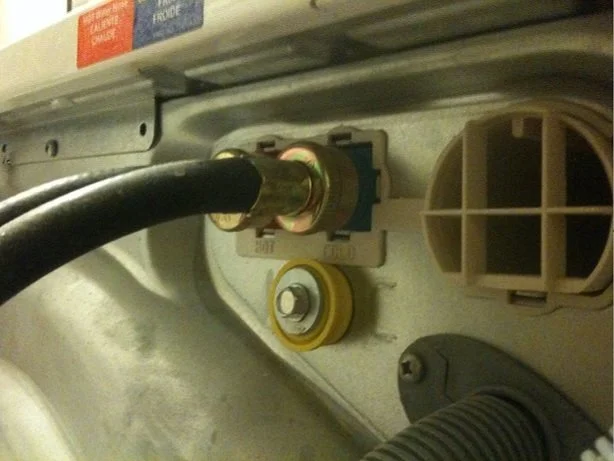
Homeowner inspecting washing machine for post-holiday wear

Courtesy of BD2412.

Simple post-holiday maintenance checks also make a real difference. Cleaning dishwasher filters helps prevent drainage and pump issues. Checking washer hoses and door seals can catch early wear before leaks develop. Emptying dryer lint traps and making sure vent airflow is clear improves efficiency and reduces strain on the motor. Wiping down refrigerator door seals helps maintain proper temperatures without forcing the compressor to work overtime.

Equally important is paying attention to early warning signs. Unusual noises, longer cycle times, poor cleaning or drying results, temperature inconsistencies, or new error codes are all signs that an appliance may be struggling. These issues don’t usually resolve on their own, but they are often easier and less expensive to address early.

January service calls are frequently more straightforward than emergency repairs later in the year. Addressing a small problem now can prevent a complete failure down the road, when schedules are tighter and disruptions are bigger.


Why January Issues Are Usually Cumulative, Not Sudden

When appliances fail in January, it rarely comes out of nowhere. In most cases, holiday stress simply exposes wear that was already there. Components that were borderline get pushed past their comfort zone in December. Once normal routines resume, those small issues finally become noticeable.

This lines up with what we see in real-world service data. January service calls tend to focus on essential appliances like refrigerators and washing machines. People often act when daily life is disrupted, not when the first subtle warning signs appear. By the time an appliance affects food storage, laundry, or basic routines, the issue has become impossible to ignore.

The good news is that this also means many January problems are preventable with timely attention.

Your appliances feel the strain just as much as you do. They’re the workhorses that keep your home running smoothly month after month, and after the holidays, they deserve a little extra care. If something feels off, sounds different, or just isn’t performing the way it should, it’s worth having it checked.

If your appliances are showing signs of post-holiday stress, give Appliance Rescue Service a call. We’ll work with you to find a time that fits your schedule and send out a technician to give them the attention they need. You can call us directly or visit our website to schedule an appointment today.


Website
Call: (214) 599-0055

Why Does My Oven Keep Flipping the Circuit Breaker?

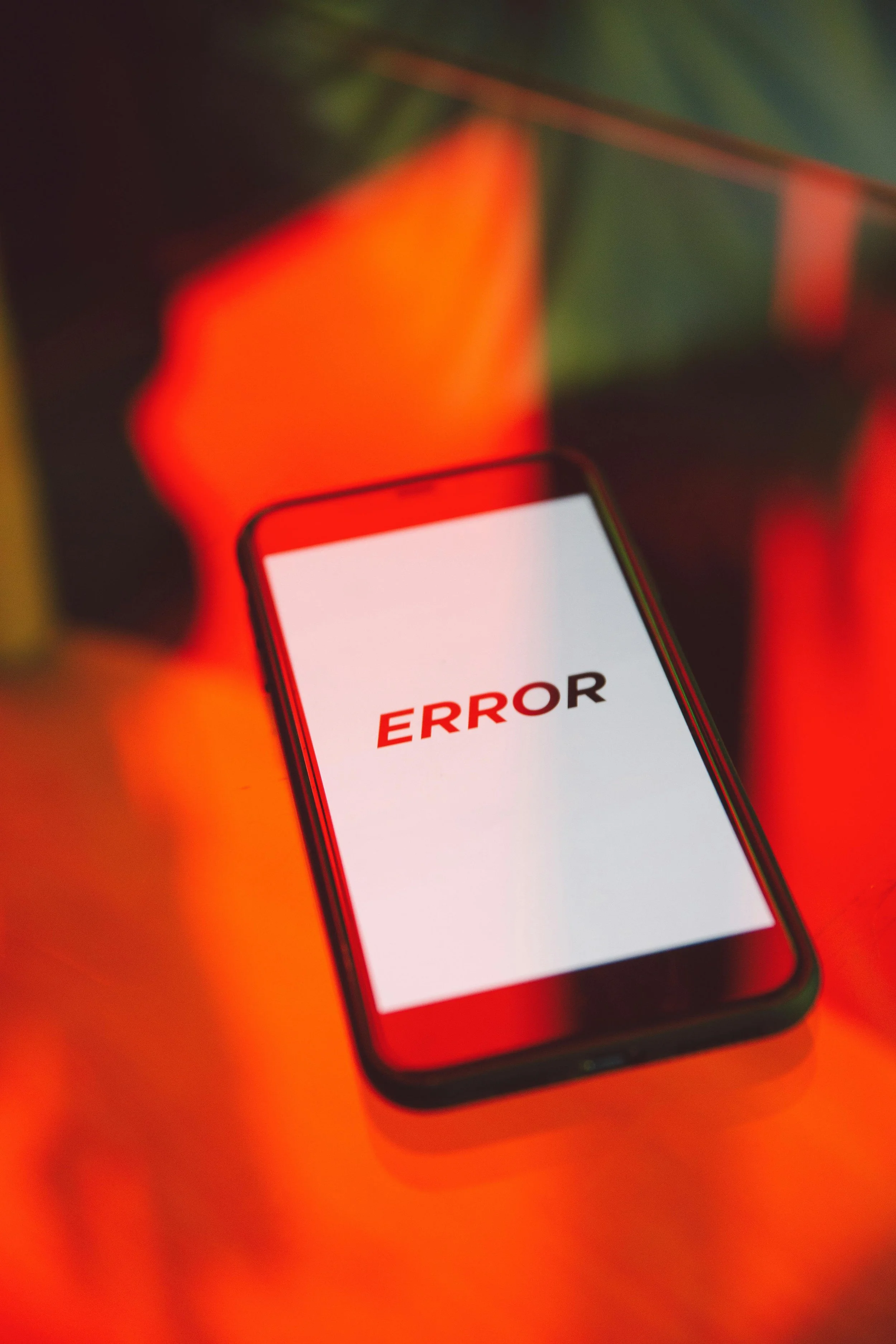
Modern appliance showing an error code after heavy use

Courtesy of Polina Zimmerman

Troubleshoot Your Home Bar Appliances and Keep the Drinks Flowing

Common issues with ice makers, wine coolers, and kegerators—and how to fix them.

Having a well-functioning home bar makes hosting gatherings a breeze. Whether you're chilling wine, trying out your newest cocktail idea, or pouring a pint for friends, everything runs smoothly—until it doesn't. Just like any appliance, things can go wrong. Luckily, most common issues aren't too difficult to troubleshoot. Whether your wine cooler isn't cooling, your kegerator is daring to serve foamy beer, or your ice maker isn’t making ice, we’re here to walk you through what might be the problem.

In this guide, we'll cover some of the most common issues and troubleshooting tips for three home bar favorites: wine coolers, ice makers, and kegerators. Remember, before diving into any major repairs, it’s always a good idea to check your appliance’s warranty. Let’s get started!


General Troubleshooting Tips for All Home Bar Appliances

Before we dive into specific fixes, here are some general troubleshooting steps that apply to all home bar appliances:

  • Check Power Supply: Make sure your appliance is plugged in and the outlet is working. If you’re unsure, try plugging it into another outlet or resetting the circuit breaker.

  • Inspect Electrical Cords: Look for frayed or damaged cords that could be causing intermittent power issues.

  • Read the User Manual: Sometimes, the solution is hiding in plain sight! User manuals often have troubleshooting steps and maintenance tips.

  • Keep It Clean: Dust, dirt, and debris can cause malfunctions. Regular cleaning can prevent a host of issues.

Wine Cooler Troubleshooting

Compressor Not Running
The compressor is the heart of your wine cooler—and if it’s not running, neither is your cooler. If the temperature is all over the place, it could mean the compressor isn’t doing its job. It’s responsible for circulating refrigerant and pulling heat out of the unit.

How to Fix: First, unplug the cooler and give it a few minutes to cool off (pun intended). After about 5 to 10 minutes, plug it back in and listen for any buzzing or humming—those are good signs that your compressor is working. If you don’t hear anything, or if your cooler’s suddenly louder than when it was new, you might have a compressor problem on your hands.

Overheating Compressor
If your compressor’s hotter than usual (we’re talking “ouch” levels), it might be on the verge of shutting down. Excessive heat can bring everything to a halt, so it’s worth checking on.

How to Fix: Carefully touch the compressor and see if it’s extremely hot. If it’s too hot to touch, clean the condenser coils with a coil brush or vacuum. Also, check the fan near the compressor. If it’s not running, the fan may need to be replaced. In rare cases, adding refrigerant oil might be necessary—but that’s definitely a job for a professional.

Courtesy of Newair

Dirty Evaporator Fan
Noticing warm spots in your wine cooler? That’s often a sign of a dirty evaporator fan. The fan keeps cool air flowing evenly, so if it’s clogged with dust or grime, things won’t chill the way they should. And nobody wants warm wine!

How to Fix: Unplug the fridge and clean the fan blades with a soft brush or cloth. If that doesn’t restore airflow, the fan might need to be replaced. At that point, check your warranty and consider reaching out to a professional.

Malfunctioning Thermostat
A faulty thermostat can cause your cooler to cool unevenly. This can happen due to wiring problems, sensor failures, or just plain old age.

How to Fix: Use a thermometer to compare the actual temperature inside the fridge to the setting on the thermostat. If there’s a difference, recalibrating or replacing the thermostat might be necessary. Since this can be tricky, it’s usually best to call a pro.


Ice Maker Troubleshooting

An ice maker is essential for most homes, and especially for home bars. But if it stops working, you’ll want to get it back in action fast.

Ice Maker Not Producing Ice
If your ice maker isn’t producing ice, it could be an electrical issue, a clogged water line, or even frozen components.

How to Fix: Start with the basics—make sure the ice maker is plugged in and the outlet works. Then, check the water line for blockages or kinks. If the line’s frozen, try defrosting it by turning off the machine or using a hair dryer on a low setting. If that doesn’t help, the water inlet valve might need replacing.

Clogged Condensers
Just like your fridge, your ice maker has condenser coils. If these are dirty, it can slow ice production or stop it altogether.

How to Fix: Locate the condenser coils (usually at the back or bottom of the machine) and clean them with a brush or vacuum. It’s a good idea to do this every six months to keep things running smoothly.

Courtesy of Kissair

Noisy Ice Maker
Is your ice maker getting a bit too loud? It could be vibrating or sitting on an uneven surface.

How to Fix: Grab a level and check if the machine is sitting evenly. Make sure all four corners are secure and resting on a flat surface. Then, give the drip cap and other parts a quick once-over to make sure everything’s tightened. A little noise is normal, just like with your fridge, but if it gets too loud, it’s worth checking the fan.

Ice Tastes Bad
No one wants ice that tastes off. If your ice has a strange flavor, it’s probably due to a dirty water filter or buildup inside the machine.

How to Fix: Replace the water filter if it hasn’t been changed in a while. Most filters need changing every six months or so. Also, clean the machine’s interior with a manufacturer-recommended solution to get rid of any buildup.


Kegerator Troubleshooting

A kegerator is a great way to serve beer on tap, but when it’s not working right, it can be a real headache—especially if you’re hosting guests. Thankfully, most issues are easy to fix.

Cloudy Beer
Cloudy beer usually means the temperature is too low or the beer lines are dirty.

How to Fix: Raise the kegerator’s temperature to at least 36°F and make sure the lines are clean. Regular cleaning after every keg change is key to a good pour.

Flat Beer
Flat beer is often caused by improper pouring, dirty glasses, or a lack of CO2.

How to Fix: Make sure you’re pouring with a quick, steady pull on the tap. Check your glassware—greasy or soapy residue can kill carbonation, so clean glasses thoroughly. Lastly, ensure the CO2 tank is full and set the pressure between 10-12 PSI for most beers.

Courtesy of EdgeStar

Foamy Beer
Nobody likes a glass full of foam. Over-carbonation and warm beer lines are usually the main culprits behind that frothy pour.

How to Fix: Try lowering the CO2 pressure a bit and make sure your beer lines are staying cold. If the lines leave the fridge section, you might need a tower cooler to keep them chilled. Also, check for any kinks or blockages in the lines—they can mess with the flow and leave you with a glass full of foam.

No Beer Flow
If your kegerator has stopped dispensing beer entirely, you could be dealing with a gas leak, a blockage, or an empty CO2 tank.

How to Fix: Check if the CO2 tank is empty or if the gas regulator is faulty. If everything seems fine, inspect the beer line for blockages, especially if you’ve dry-hopped the beer in the keg.


When to Call a Professional

While you can handle many home bar appliance issues on your own, sometimes it’s best to call in the pros. Appliance Rescue Service specializes in ice maker repairs, making sure your setup is always party-ready. From strange noises to no ice at all, we’ve seen it all—and we’re here to help. We don’t handle kegerators or wine coolers, but when it comes to ice makers, you can count on our technicians to get the job done. Give us a call, and we’ll keep your home running smoothly with plenty of ice to go around!

Website

Call ((214) 599-0055)


Additional Reading
Revolutionizing Home Cooking: The Hottest Kitchen Tech Trends from CES 2024

The Labyrinth of Limescale

7 Most Common Issues With Your Ice Maker & Their Causes