How December Overuse Leads to January Breakdowns in Dallas Homes
We’re at the end of January now, and many are experiencing or have already experienced issues with their appliances post-holidays. The thing is, it’s not your appliances that are the issue. It’s the strain of December. Just like most of us feel exhausted in that week after Christmas and before New Year's, our appliances do too. Let’s take a look at why your appliances feel the strain, whether new appliances are any better, and what you can do as a homeowner to take care of them.
The Hidden Toll the Holidays Take on Your Appliances
December puts strain on all of us. It’s chaos, decorations, parties, gifts, and shopping, and so much food. Before you know it, the month is gone, and you’re struggling to figure out where it went. During that you expect your appliances to be able to keep up. From the endless hours of cooking, washing linens over and over, both for display and for guests, plus holiday clothes. Not to mention keeping all the food at proper storage temperatures. Your appliances feel the strain just as much as you do. Is it any surprise that your appliances might be exhausted once it’s all over? Then after the holidays, you work to get your house back in order, while slipping into the “New Year, new me!” mindset. This means that your household appliances may or may not get a break after the holidays, and so is it any surprise when they buckle under the strain?
As our owner pointed out from experience, the appliances that fail the most are refrigerators and washing machines, while other sources note that the problems extend to dishwashers and ovens as well.
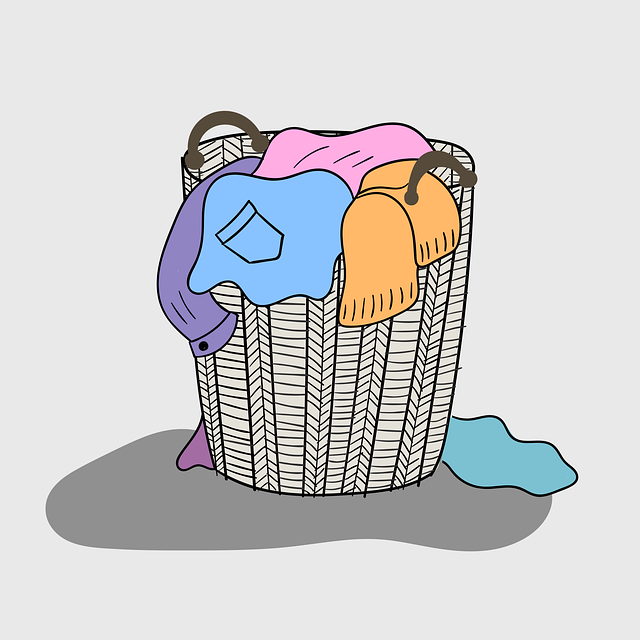
Courtesy of Piyapong Saydaung
Especially in Dallas, it’s not the cold that gets to our appliances, it’s the consistent work. So January isn’t when things break due to the cold for us. Instead, it’s when the problems that developed in December really come to the forefront.
Do New Appliances Bounce Back Better, or Just Have Fancier Error Messages?
It’s a fair question, especially if you’ve invested in newer appliances over the last few years. Intuitively, it feels like newer machines should handle holiday stress better than older ones. In reality, that isn’t quite how it plays out.
Newer appliances are not immune to post-holiday issues. December still puts heavy strain on the same core components that have always done the real work behind the scenes. Pumps, bearings, seals, heating elements, and motors all experience increased wear when machines are run longer, more frequently, and at higher capacities than usual. That stress doesn’t disappear just because the appliance is newer.
What has changed is how that stress shows up.
Modern appliances are far more likely to surface problems through technology. Error codes, sensor warnings, and performance alerts often appear shortly after the holidays. While this can feel frustrating, it doesn’t necessarily mean the appliance is more fragile. In many cases, it simply means the machine is telling you sooner that something is off.
Older appliances often degraded quietly. A seal might weaken, a bearing might start wearing down, or a pump might struggle long before a homeowner noticed anything was wrong. Newer appliances, with their added electronic components, tend to flag those issues earlier. That added transparency can be helpful, but it also introduces more potential failure points through sensors, control boards, and software-driven systems.
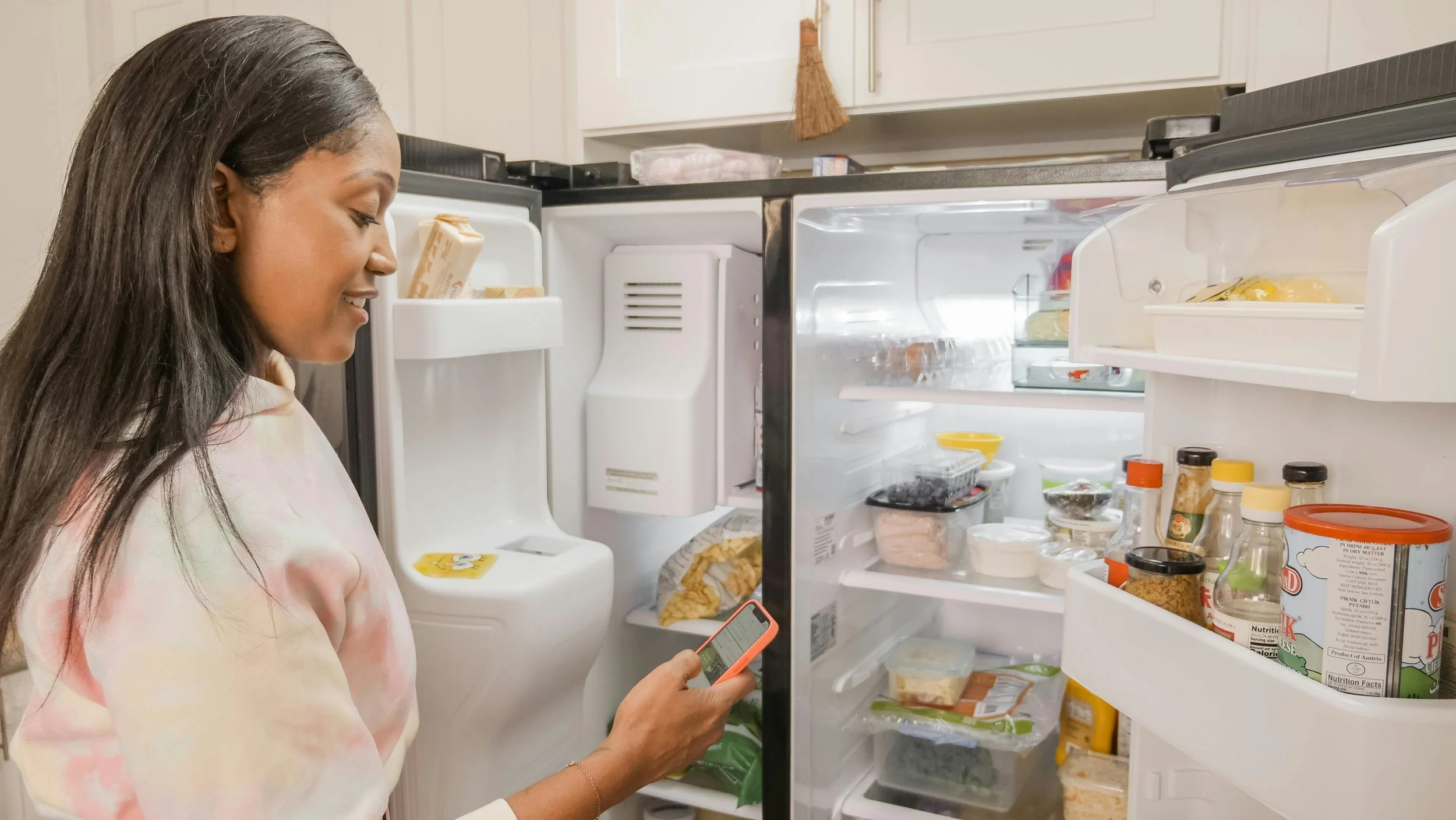
Courtesy of Kindel Media
The safe takeaway is this: new appliances don’t really “bounce back” better after the holidays. They just communicate stress sooner. The wear still happens, it’s just more visible. Catching it early is a good thing, but it doesn’t mean the underlying strain is any less real.
What Can Homeowners Do After the Holidays?
January is the best time to slow things down and give your appliances a chance to recover. A few small adjustments and basic checks can go a long way toward preventing a minor issue from turning into a major repair.
One of the most important steps is avoiding continued overloading. After weeks of holiday-level use, running back-to-back max-capacity cycles in January keeps stress levels high. Space out heavy laundry loads and dishwasher cycles when possible, and avoid stuffing machines to their limits right away.
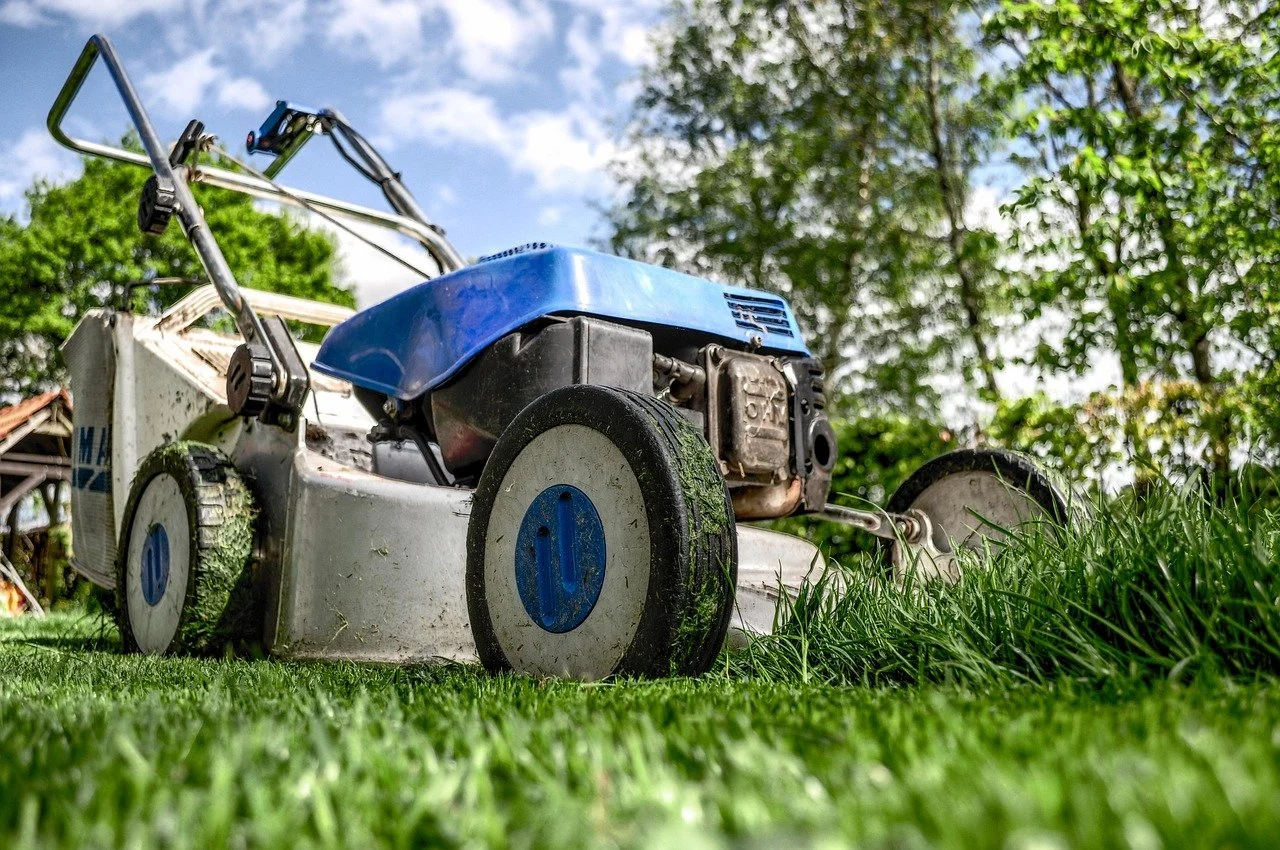
Courtesy of BD2412.
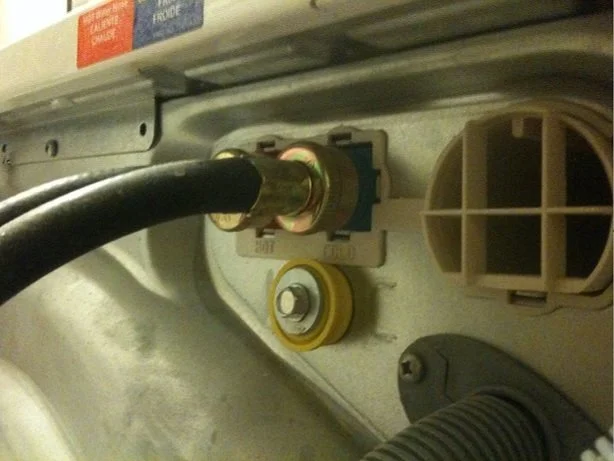
Simple post-holiday maintenance checks also make a real difference. Cleaning dishwasher filters helps prevent drainage and pump issues. Checking washer hoses and door seals can catch early wear before leaks develop. Emptying dryer lint traps and making sure vent airflow is clear improves efficiency and reduces strain on the motor. Wiping down refrigerator door seals helps maintain proper temperatures without forcing the compressor to work overtime.
Equally important is paying attention to early warning signs. Unusual noises, longer cycle times, poor cleaning or drying results, temperature inconsistencies, or new error codes are all signs that an appliance may be struggling. These issues don’t usually resolve on their own, but they are often easier and less expensive to address early.
January service calls are frequently more straightforward than emergency repairs later in the year. Addressing a small problem now can prevent a complete failure down the road, when schedules are tighter and disruptions are bigger.
Why January Issues Are Usually Cumulative, Not Sudden
When appliances fail in January, it rarely comes out of nowhere. In most cases, holiday stress simply exposes wear that was already there. Components that were borderline get pushed past their comfort zone in December. Once normal routines resume, those small issues finally become noticeable.
This lines up with what we see in real-world service data. January service calls tend to focus on essential appliances like refrigerators and washing machines. People often act when daily life is disrupted, not when the first subtle warning signs appear. By the time an appliance affects food storage, laundry, or basic routines, the issue has become impossible to ignore.
The good news is that this also means many January problems are preventable with timely attention.
Your appliances feel the strain just as much as you do. They’re the workhorses that keep your home running smoothly month after month, and after the holidays, they deserve a little extra care. If something feels off, sounds different, or just isn’t performing the way it should, it’s worth having it checked.
If your appliances are showing signs of post-holiday stress, give Appliance Rescue Service a call. We’ll work with you to find a time that fits your schedule and send out a technician to give them the attention they need. You can call us directly or visit our website to schedule an appointment today.
Website
Call: (214) 599-0055
Courtesy of Polina Zimmerman