dishwasher repair

Why Appliances “Snap” in January After the Holiday Rush

How December Overuse Leads to January Breakdowns in Dallas Homes

We’re at the end of January now, and many are experiencing or have already experienced issues with their appliances post-holidays. The thing is, it’s not your appliances that are the issue. It’s the strain of December. Just like most of us feel exhausted in that week after Christmas and before New Year's, our appliances do too. Let’s take a look at why your appliances feel the strain, whether new appliances are any better, and what you can do as a homeowner to take care of them. 

The Hidden Toll the Holidays Take on Your Appliances

December puts strain on all of us. It’s chaos, decorations, parties, gifts, and shopping, and so much food. Before you know it, the month is gone, and you’re struggling to figure out where it went. During that you expect your appliances to be able to keep up. From the endless hours of cooking, washing linens over and over, both for display and for guests, plus holiday clothes. Not to mention keeping all the food at proper storage temperatures. Your appliances feel the strain just as much as you do. Is it any surprise that your appliances might be exhausted once it’s all over? Then after the holidays, you work to get your house back in order, while slipping into the “New Year, new me!” mindset. This means that your household appliances may or may not get a break after the holidays, and so is it any surprise when they buckle under the strain? 

As our owner pointed out from experience, the appliances that fail the most are refrigerators and washing machines, while other sources note that the problems extend to dishwashers and ovens as well.
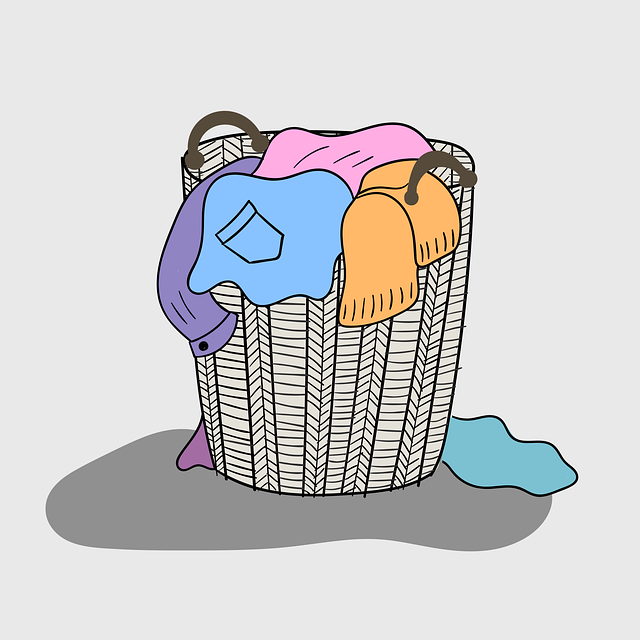


Washing machine handling heavy laundry loads after the holidays

Courtesy of Piyapong Saydaung

Especially in Dallas, it’s not the cold that gets to our appliances, it’s the consistent work. So January isn’t when things break due to the cold for us. Instead, it’s when the problems that developed in December really come to the forefront.  


Do New Appliances Bounce Back Better, or Just Have Fancier Error Messages?

It’s a fair question, especially if you’ve invested in newer appliances over the last few years. Intuitively, it feels like newer machines should handle holiday stress better than older ones. In reality, that isn’t quite how it plays out.

Newer appliances are not immune to post-holiday issues. December still puts heavy strain on the same core components that have always done the real work behind the scenes. Pumps, bearings, seals, heating elements, and motors all experience increased wear when machines are run longer, more frequently, and at higher capacities than usual. That stress doesn’t disappear just because the appliance is newer.

What has changed is how that stress shows up.

Modern appliances are far more likely to surface problems through technology. Error codes, sensor warnings, and performance alerts often appear shortly after the holidays. While this can feel frustrating, it doesn’t necessarily mean the appliance is more fragile. In many cases, it simply means the machine is telling you sooner that something is off.

Older appliances often degraded quietly. A seal might weaken, a bearing might start wearing down, or a pump might struggle long before a homeowner noticed anything was wrong. Newer appliances, with their added electronic components, tend to flag those issues earlier. That added transparency can be helpful, but it also introduces more potential failure points through sensors, control boards, and software-driven systems.
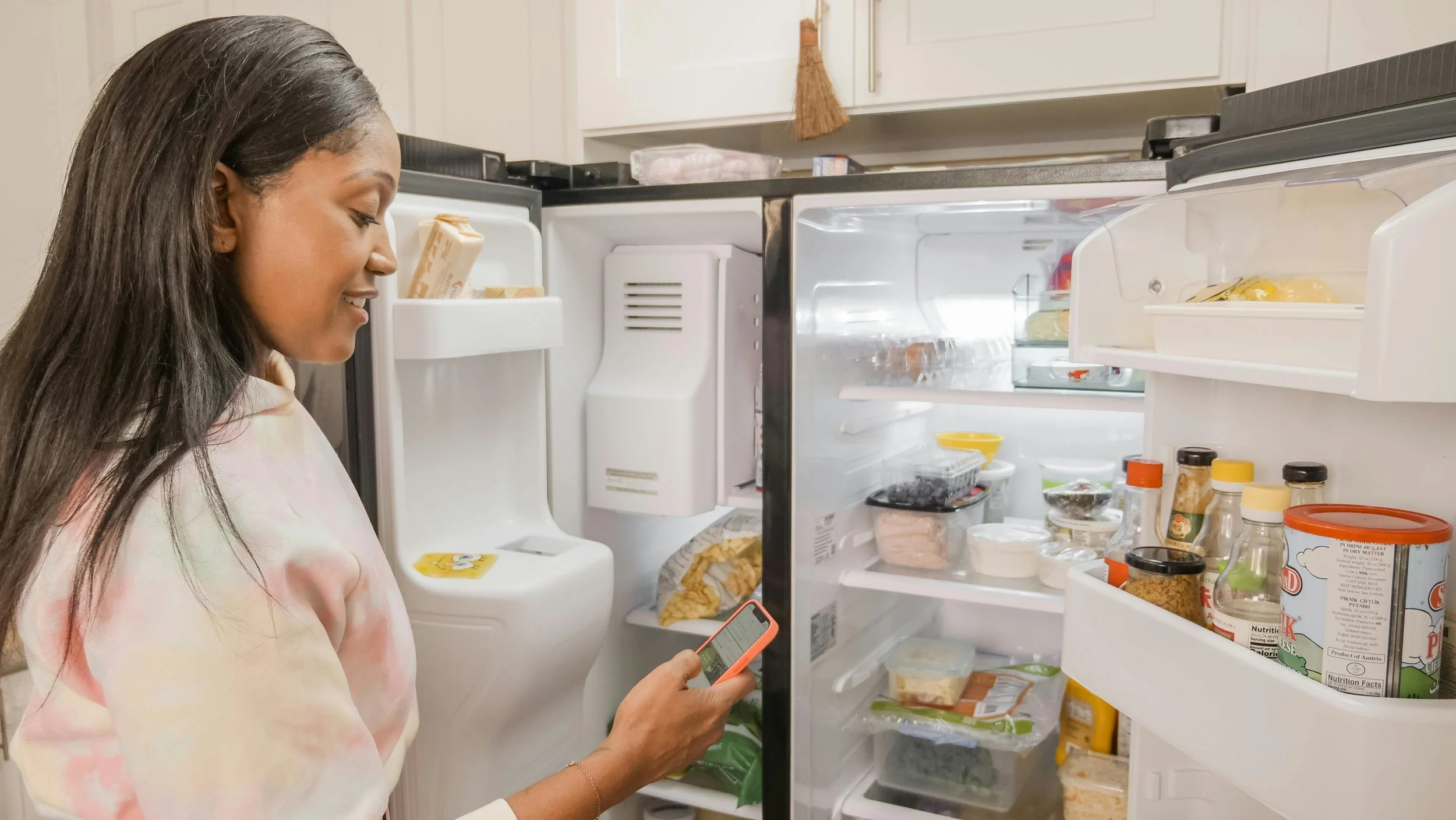
Overloaded refrigerator after the holidays in a home kitchen

Courtesy of Kindel Media

The safe takeaway is this: new appliances don’t really “bounce back” better after the holidays. They just communicate stress sooner. The wear still happens, it’s just more visible. Catching it early is a good thing, but it doesn’t mean the underlying strain is any less real.


What Can Homeowners Do After the Holidays?

January is the best time to slow things down and give your appliances a chance to recover. A few small adjustments and basic checks can go a long way toward preventing a minor issue from turning into a major repair.

One of the most important steps is avoiding continued overloading. After weeks of holiday-level use, running back-to-back max-capacity cycles in January keeps stress levels high. Space out heavy laundry loads and dishwasher cycles when possible, and avoid stuffing machines to their limits right away.
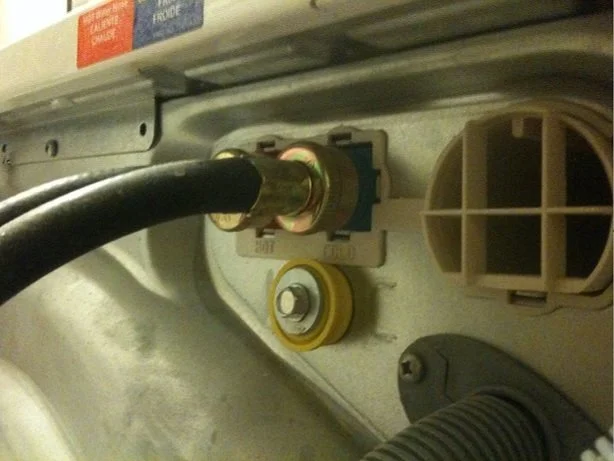
Homeowner inspecting washing machine for post-holiday wear

Courtesy of BD2412.

Simple post-holiday maintenance checks also make a real difference. Cleaning dishwasher filters helps prevent drainage and pump issues. Checking washer hoses and door seals can catch early wear before leaks develop. Emptying dryer lint traps and making sure vent airflow is clear improves efficiency and reduces strain on the motor. Wiping down refrigerator door seals helps maintain proper temperatures without forcing the compressor to work overtime.

Equally important is paying attention to early warning signs. Unusual noises, longer cycle times, poor cleaning or drying results, temperature inconsistencies, or new error codes are all signs that an appliance may be struggling. These issues don’t usually resolve on their own, but they are often easier and less expensive to address early.

January service calls are frequently more straightforward than emergency repairs later in the year. Addressing a small problem now can prevent a complete failure down the road, when schedules are tighter and disruptions are bigger.


Why January Issues Are Usually Cumulative, Not Sudden

When appliances fail in January, it rarely comes out of nowhere. In most cases, holiday stress simply exposes wear that was already there. Components that were borderline get pushed past their comfort zone in December. Once normal routines resume, those small issues finally become noticeable.

This lines up with what we see in real-world service data. January service calls tend to focus on essential appliances like refrigerators and washing machines. People often act when daily life is disrupted, not when the first subtle warning signs appear. By the time an appliance affects food storage, laundry, or basic routines, the issue has become impossible to ignore.

The good news is that this also means many January problems are preventable with timely attention.

Your appliances feel the strain just as much as you do. They’re the workhorses that keep your home running smoothly month after month, and after the holidays, they deserve a little extra care. If something feels off, sounds different, or just isn’t performing the way it should, it’s worth having it checked.

If your appliances are showing signs of post-holiday stress, give Appliance Rescue Service a call. We’ll work with you to find a time that fits your schedule and send out a technician to give them the attention they need. You can call us directly or visit our website to schedule an appointment today.


Website
Call: (214) 599-0055
Why Does My Oven Keep Flipping the Circuit Breaker?

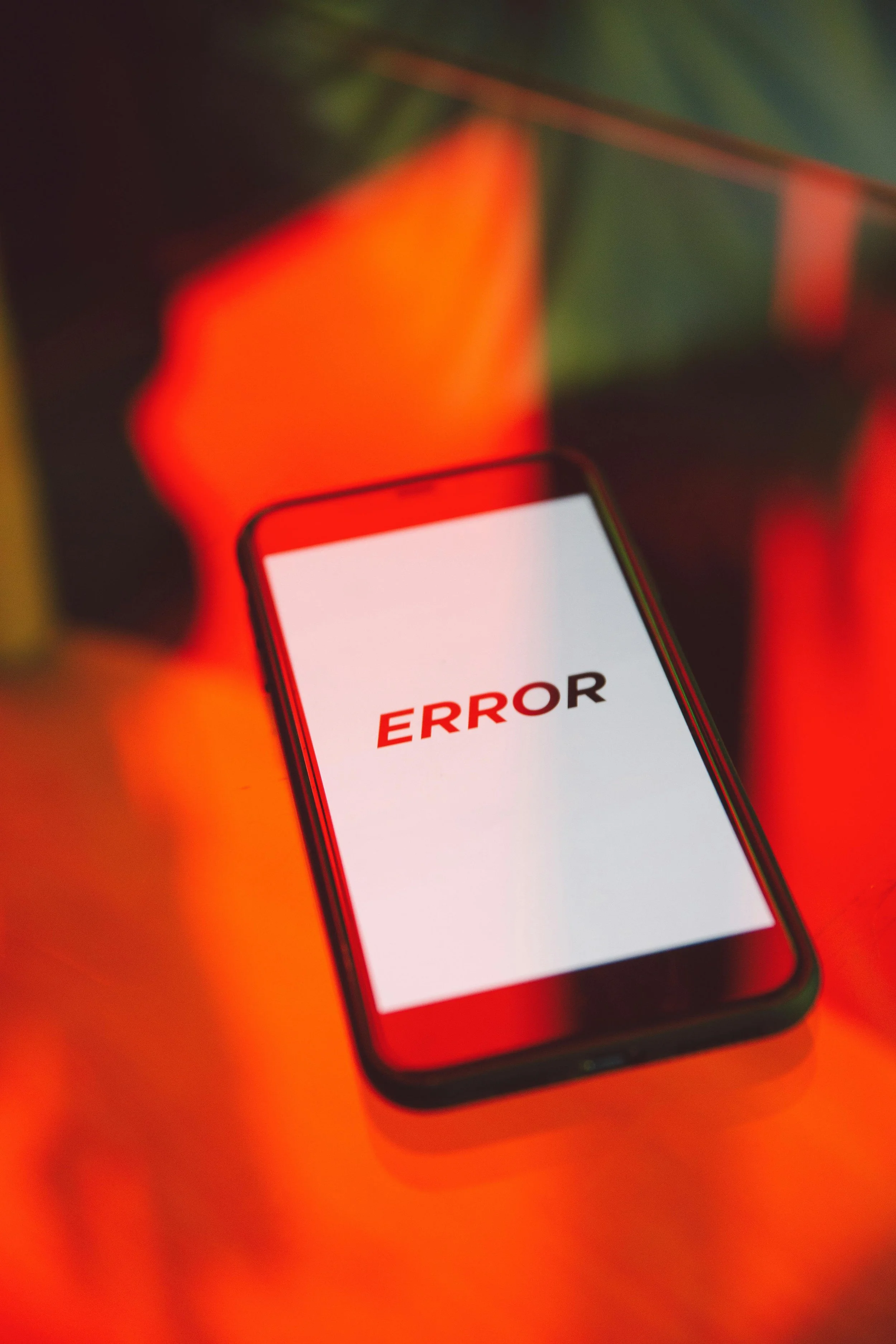
Modern appliance showing an error code after heavy use

Courtesy of Polina Zimmerman

How Long Should Rental Appliances Last—and When to Swap Them Out

From fridges to dryers, here’s how to know when replacement is worth it.

 When one tenant moves out and another is about to move in, most landlords go through the usual turnover checklist—fresh paint, deep cleaning, maybe new flooring. But what about the appliances?  The major appliances are a major part of how tenants will experience their home on the day to day. Refrigerators, ovens, dishwashers, washers, and dryers are more than just conveniences they are the work horses of a home.  The question of whether to repair or replace them isn’t always simple or straight forward. Factors like age, condition, energy efficiency, and tenant expectations all play a role, and some may weigh more heavily at different times. Here’s a room-by-room look at when it makes sense to invest in replacements and when repairs may be enough.


Refrigerator
We’ll start in the kitchen, with arguably the most essential appliance in any home, the refrigerator. Most refrigerators last between 10-12 years these days, but issues will show up sooner. Frequent breakages, odd noises and inconsistent cooling are all examples of warning signs. An unreliable refrigerator isn’t just an inconvenience to your tenants, it can lead to spoiled food and possible illness. 

If your current refrigerator is pushing a decade, it’s a good time to start saving up. While a good repairman can surprise you, miracles aren’t in our repertoire. If something is well and truly dead, repair isn’t always an option. Modern models also offer energy savings that your tenants will appreciate, especially if they’re paying the electric bill. A sleek updated fridge also makes the space instantly more appealing to prospective renters. 


Courtesy of USDA

Tip: if you don’t replace all of the appliances, make sure that the refrigerator matches the finish of all of the other appliances in the kitchen. When in doubt, this can be achieved by using contact paper, as we covered last week. Mismatched appliances make the kitchen feel disjointed and piecemeal. 


Oven and Stove
Like refrigerators, ovens, and stoves will typically last you about 10 to 15 years. The good news is that burners and heating elements can often be replaced, as can many electronic components. However, consistent problems and failing controls are warning signs that you’ll need a replacement sooner rather than later. 

Courtesy of LG

If your range is still functional, consider whether it benefits you to upgrade it at this point. While an electric stove will quickly show its age based on the features it has, a gas stove that’s well maintained is harder to tell. So, you might not need to yet. On the other hand, an energy-efficient model cuts down on utility costs, and a brand new range can make the entire kitchen feel fresh and exciting with new features, often justifying a slightly higher rent. 


Tip: Gas stoves are often seen as a premium feature, but electric models tend to be easier and cheaper to maintain in rental settings. Choose based on your tenant demographic and property type.


Dishwasher
Dishwashers will typically last between 8 & 10 years, which is shorter than other major appliances, due to how hard they work. Over time they can start to leak, make noise and smell making which are signs a repair is needed, and possibly a replacement. .

While a broken dishwasher may not seem like an urgent repair, it’s definitely one you’d want to either replace or repair before new tenants move in. In a competitive market like Dallas, Frisco and McKinney, many tenants view it as a must-have. Offering a reliable, modern suite of appliances in the kitchen, including the dishwasher, can make your property stand out. And because new dishwashers are more water- and energy-efficient, replacing an aging one saves everyone in the long run. 


Tip: Consider mid-range models with stainless steel interiors—they’re durable, quieter, and more appealing to prospective tenants.


Washer

 A top-loading washer typically lasts about 10 years, while a front-loading one can last up to 12. Signs it may be time for replacement include leaks, excessive shaking, banging, and difficulty draining. In a rental, where machines see heavy and sometimes rough use, washers may wear out faster.

Courtesy of RDNE Stock project

Offering an in-unit washer is a big selling point for tenants, especially younger renters or families who value convenience. If your washer is more than a decade old, replacing it before a new tenant moves in can prevent future complaints and add appeal to your listing.

Tip:Top load washers are often cheaper, but they aren’t as appealing, and can be a hassle for accessibility. Make sure to consider your demographic when looking at a new one. 


Dryer
Dryers generally last 10 to 13 years. While they’re fairly simple machines, problems like inefficient drying, overheating, or loud thumping noises can signal that it’s nearing the end of its life.

Courtesy of LG

Replacing an unreliable dryer doesn’t just improve tenant satisfaction—it also reduces the risk of safety issues. Lint buildup in older dryers can be a fire hazard, making proactive replacement a smart investment.

Tip: Make sure dryer vents are cleaned between tenants. This simple step extends the life of the appliance and improves safety.


Replacing appliances between renters can feel like a big expense, but it’s often a smart, long-term investment. Updated, efficient appliances not only reduce repair calls but also help attract and retain quality tenants who are willing to stay longer and pay a little more for modern conveniences.

If you’re unsure whether to repair or replace, consider the age of the appliance, how often it’s been serviced, and whether it’s meeting today’s efficiency standards. In many cases, replacing an outdated model before it becomes a problem saves money and stress down the line.

And if you ever run into trouble with your refrigerator, oven, dishwasher, washer, or dryer, you don’t have to tackle it alone. Appliance Rescue Service is here to help keep your home running smoothly. Call us for an appointment whenever you need a maintenance run, or a repair.

Call: (214) 599-0055

Website 


Additional Reading

Quick Fix or Costly Mistake? Myths About Appliance Repairs

Laundry 101: Extend the Life of Your Washer with These Tips

The Risks of DIY Appliance Repairs and How to Avoid Them