Small seasonal checks that help homeowners prevent repairs, improve efficiency, and extend appliance life.
Winter has a way of lingering in a home long after the decorations are packed away. Between holiday cooking, heavier laundry loads, colder temperatures, and months of closed windows, appliances quietly carry more of the workload than we tend to notice. They keep running, keep performing, and rarely ask for attention until something finally feels off.
Spring changes that rhythm. (We might call it Summer Version 1 in Texas)
As the weather softens and daily routines shift, small appliance issues often begin to surface. A refrigerator sounds slightly louder. The dryer takes longer than usual. The dishwasher suddenly seems less efficient. These changes are rarely random. More often, spring simply reveals the wear that accumulated over winter.
Taking a little time now to check in on your appliances can make the transition into warmer months smoother, quieter, and far less expensive than dealing with a sudden breakdown later.
Why Post-Winter Checks Matter
Appliances experience gradual stress rather than sudden failure. During winter, heating systems run longer, kitchens see heavier use, and ventilation inside the home decreases. Dust settles where airflow slows, seals contract in colder temperatures, and moving components operate under steady demand for months at a time.
When spring arrives, appliances begin operating under different conditions. Humidity rises, temperatures fluctuate, and systems shift from heating to cooling cycles. These seasonal changes often expose small problems that went unnoticed during winter.
What makes spring particularly useful is timing. It sits between peak-use seasons, which makes it an ideal moment to catch early wear before summer heat or holiday activity places new demands on household systems.
Courtesy of castorlystock
A seasonal check is less about fixing problems and more about understanding how your appliances are performing after months of hard work
Simple Checks Homeowners Can Safely Make
Most spring appliance care does not involve repairs. In fact, the most valuable steps homeowners can take are observational and preventative.
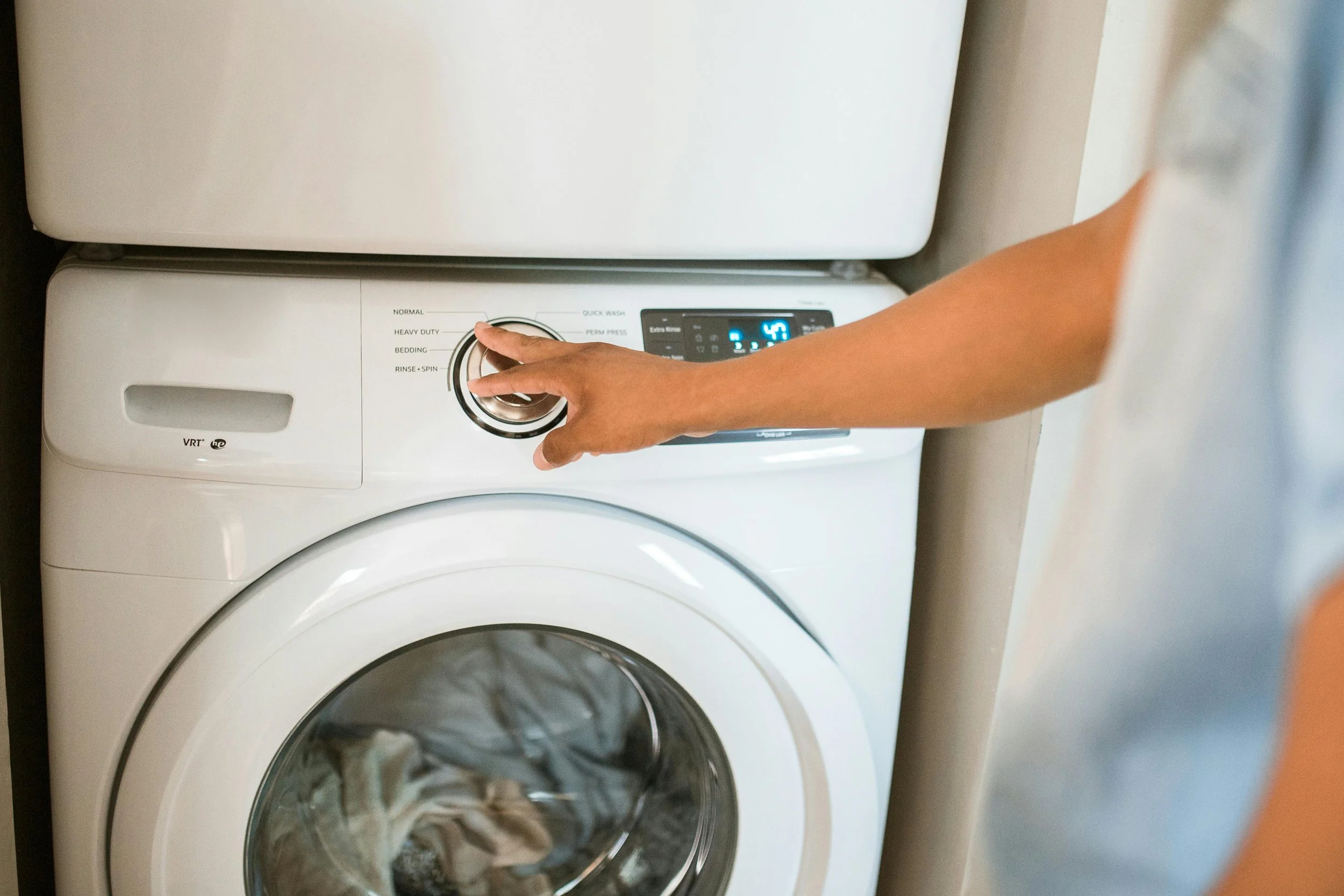
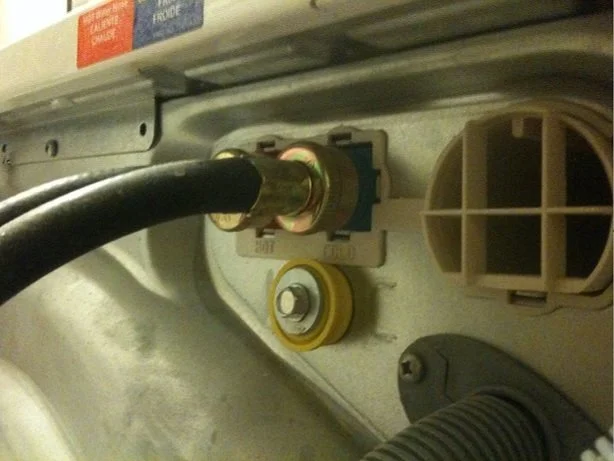
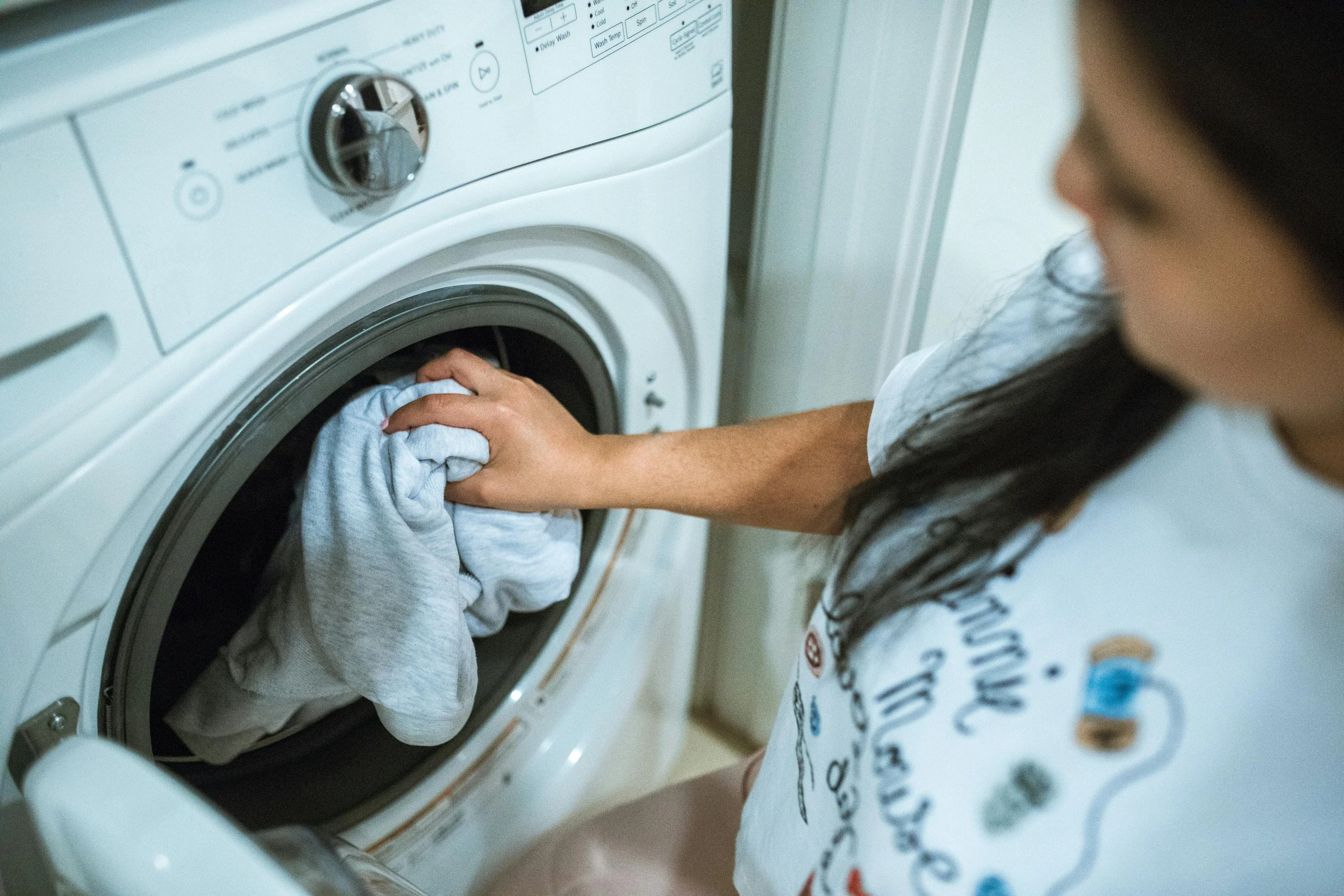
Laundry appliances are a good place to start. Washing machine hoses naturally age over time, and winter temperature swings can accelerate cracking or loosening at connection points. A quick visual inspection for moisture, bulging, or stiffness can prevent slow leaks that often go unnoticed until flooring damage appears. Dryers benefit from attention as well. Cleaning the lint filter is routine, but spring is an excellent time to make sure the exterior vent remains clear and airflow feels strong. Restricted airflow not only reduces efficiency but can also create unnecessary heat buildup.
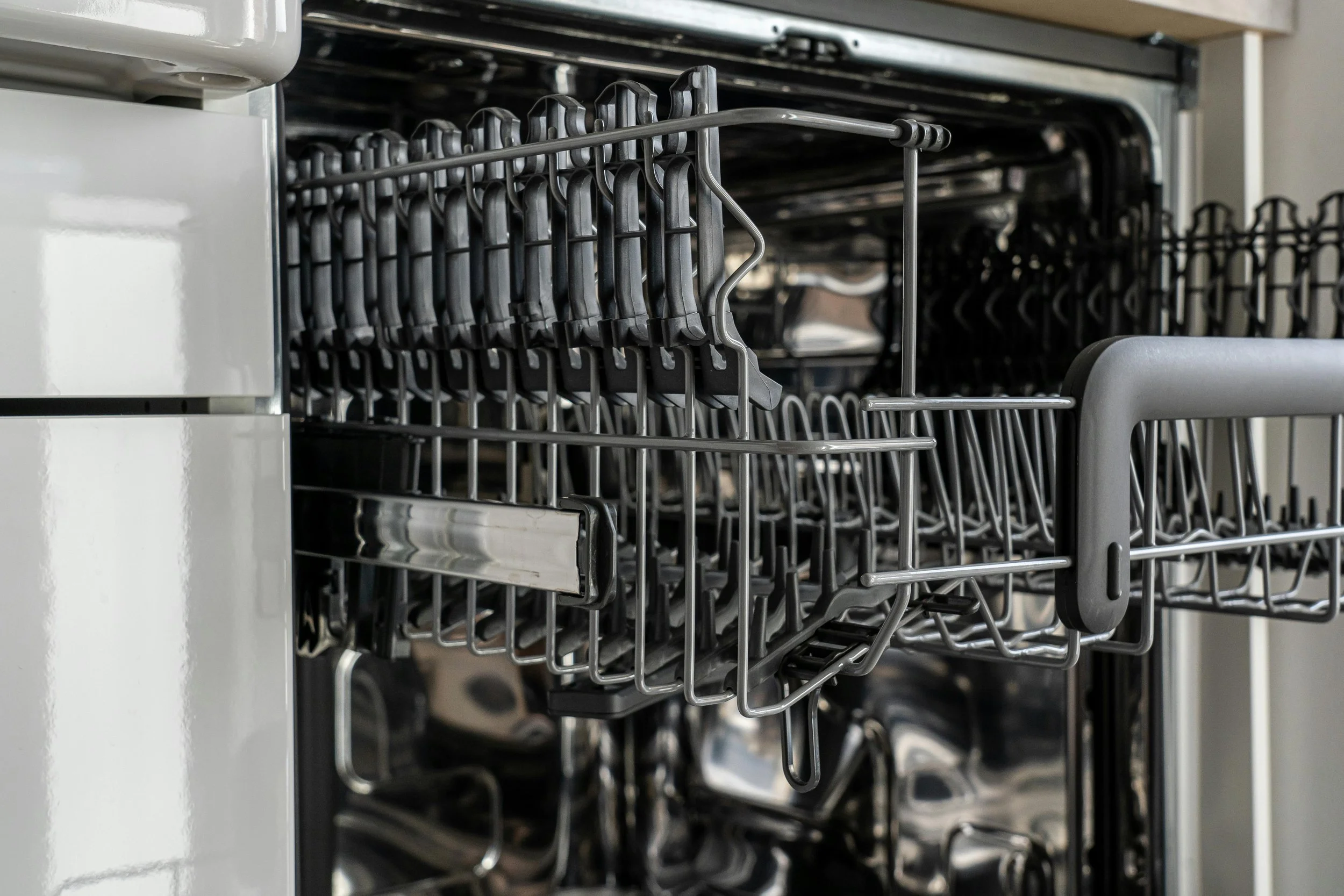
Dishwashers tend to show winter buildup in quieter ways. Filters and spray arms can collect grease or food residue, leading to unusual sounds or dishes that no longer come out fully clean. A simple cleaning cycle and a quick look at the door seal can restore performance without any technical work.
Refrigerators, one of the hardest-working appliances in the home, often reveal issues through subtle signs. Door seals may loosen, coils accumulate dust, and small amounts of interior moisture begin to appear. Ensuring the doors close tightly and keeping airflow areas clean helps the appliance maintain steady temperatures without overworking itself.
Cooking appliances also benefit from seasonal attention. After months of heavy use, ovens and ranges may carry grease buildup or residue that contributes to odors or uneven heating. Cleaning accessible surfaces and paying attention to performance changes helps identify concerns early without attempting repairs.
Courtesy of RDNE Stock project
Across all appliances, the goal remains the same: observe, clean, and maintain basic care. Anything involving wiring, internal components, or part replacement belongs in professional hands.
Warning Signs You Shouldn’t Ignore
Appliances rarely fail without warning. Most problems announce themselves quietly before becoming urgent.
Leaks are among the most important signals to take seriously. Water pooling near a refrigerator, dampness around washer connections, or unexpected moisture near HVAC equipment often indicates blocked drainage or worn components. Addressing these signs early helps prevent mold growth and structural damage inside the home.
Changes in smell also deserve attention. A musty odor may suggest trapped moisture or buildup, while a burning smell can indicate overheating or electrical concerns that should never be ignored. Even persistent food odors from appliances can signal cleaning or airflow issues affecting performance.
Noise changes are another common early indicator. Appliances naturally make sound, but grinding, rattling, or sudden increases in volume often point to wear on motors, belts, or moving parts. These sounds rarely resolve on their own.
Modern appliances may also communicate directly through performance changes or error messages. Longer cycle times, inconsistent temperatures, or recurring alerts typically mean the appliance is working harder than it should. Rather than waiting for a full breakdown, these moments are ideal opportunities to schedule an evaluation.
What a Professional Checkup Can Catch
While homeowner awareness plays an important role, professional maintenance provides a deeper level of protection.
Technicians are trained to identify early component wear, airflow restrictions, calibration issues, and drainage problems long before they become emergencies. Small adjustments, lubrication, or cleaning performed during a routine visit can significantly extend appliance lifespan and improve efficiency.
Spring inspections are particularly valuable because they prepare systems for the demands ahead. Cooling equipment begins ramping up for warmer weather, refrigerators face higher ambient temperatures, and laundry appliances often see increased use as seasonal routines change.

Courtesy of Lucie Liz
The goal of a professional check is not repair, but reassurance. Preventative service allows homeowners to move into the next season confident that their appliances are operating safely and efficiently.
A Seasonal Reset, Not an Emergency
Many homeowners wait until an appliance stops working before calling for service. By that point, options are often limited to urgent repairs or replacement decisions made under pressure.
Spring offers a different approach.
A simple seasonal checkup shifts appliance care from reactive to proactive. Instead of responding to failure, homeowners create stability before problems develop. Appliances run more efficiently, energy use remains predictable, and unexpected disruptions become far less likely.
As you open windows, refresh living spaces, and welcome a new season, your appliances benefit from the same reset. A little attention now helps ensure they continue supporting your home quietly, reliably, and without surprises in the months ahead.
If you want to schedule an appliance checkup, give us a call, or visit our website to set up an appointment that fits your schedule.
Call : (214) 599-0055

Courtesy of ClickerHappy