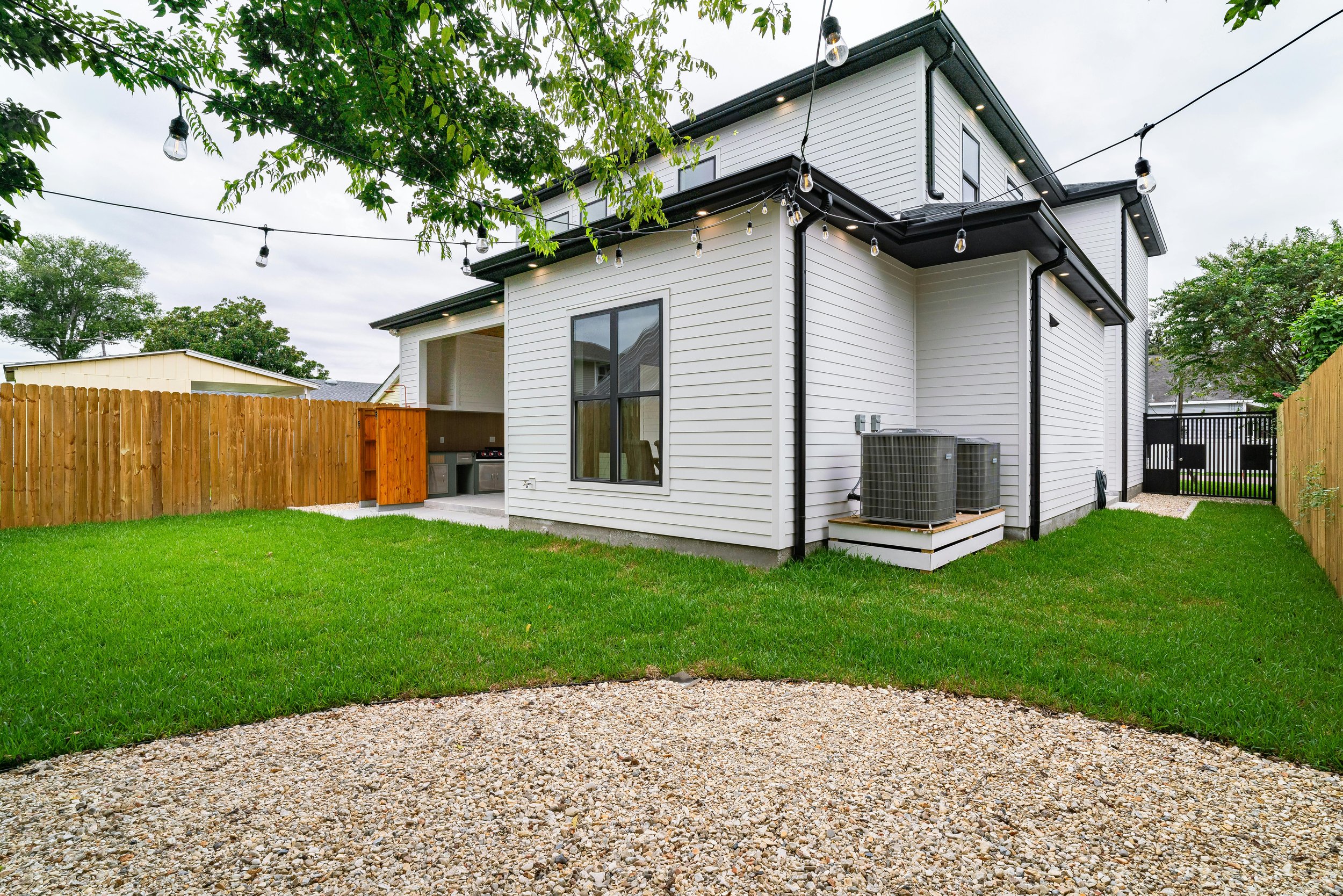
From refrigerators and dryers to your air conditioner, a few common summer habits may be making your appliances work harder than they need to.

Courtesy of Art Bovich
When temperatures climb into the triple digits, most homeowners expect their air conditioner to work a little harder. After all, keeping a house cool during a Texas summer is no small task.
What many people don't realize is that the air conditioner isn't the only appliance feeling the heat.
Your refrigerator, freezer, dryer, dishwasher, and even some of your everyday household routines can create extra strain on appliances during the hottest months of the year. In some cases, seemingly harmless habits can lead to higher utility bills, reduced efficiency, and increased wear and tear on the appliances you rely on every day.
The good news? A few simple adjustments can help your appliances perform more efficiently while making life a little easier on your home's cooling system.
Opening the Refrigerator Like It's a Grocery Store Display
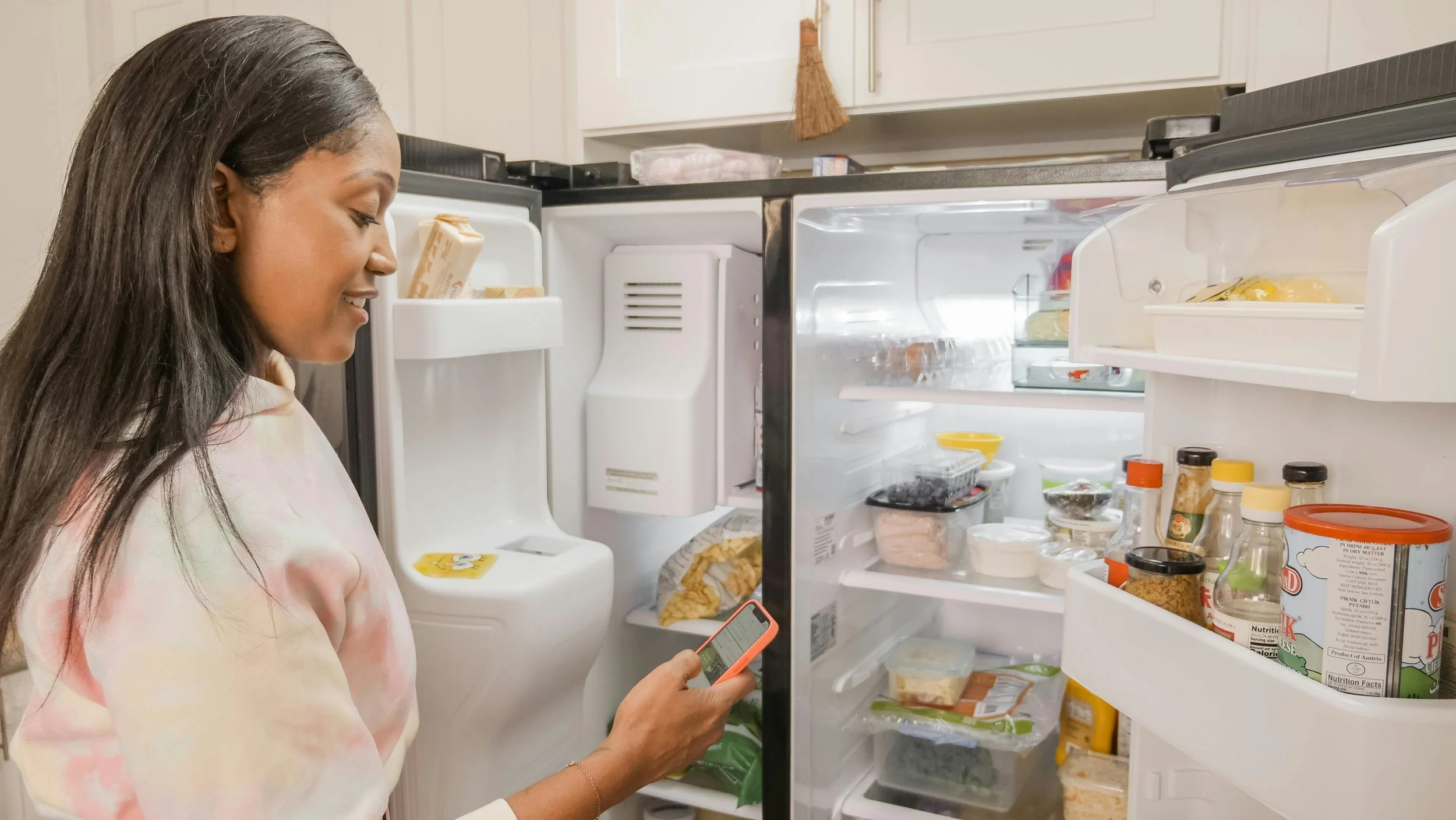
During the summer, it's natural to reach for cold drinks more often. Kids are in and out of the house, guests stop by, and everyone seems to be looking for something refreshing.
The problem is that every time the refrigerator door opens, warm air rushes inside.

Courtesy of Toàn Đỗ Công
Your refrigerator then has to remove that heat and restore the proper temperature. During a heat wave, when the appliance is already working harder to keep food cool, frequent door openings add even more strain.
Instead of standing in front of an open refrigerator deciding what sounds good, try planning ahead. Gather everything you need at once and close the door promptly. It may seem like a small habit, but over time it can make a noticeable difference.
Overloading the Fridge Before a Party
Summer is prime time for backyard cookouts, family gatherings, and holiday celebrations. It's also the season when many homeowners suddenly find themselves trying to squeeze an entire grocery cart into the refrigerator.
While having plenty of food on hand is great for entertaining, an overcrowded refrigerator can restrict airflow inside the appliance. Cold air needs room to circulate in order to maintain consistent temperatures throughout the compartment.
If airflow becomes blocked, certain areas may stay colder than others, causing the refrigerator to work harder to maintain the proper temperature.
A little organization can go a long way. Keeping shelves reasonably clear allows air to circulate more freely and helps the appliance do its job more efficiently.
Ignoring the Space Around Your Refrigerator
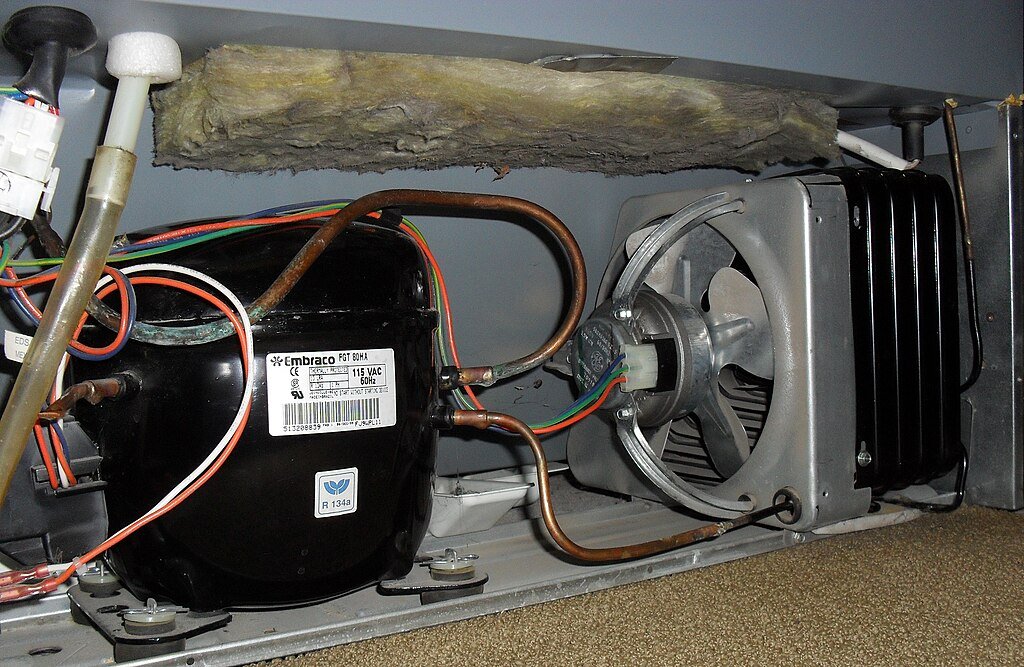
Most homeowners rarely think about the area behind their refrigerator.
Out of sight often means out of mind.
However, refrigerators need adequate airflow around them to release heat. When a unit is pushed tightly against a wall or surrounded by dust and debris, that heat becomes more difficult to dissipate.
The result is a refrigerator that has to work harder than necessary.
Summer is a great time to pull the appliance out carefully, vacuum accumulated dust, and make sure there's adequate clearance around the unit. It's not the most glamorous household task, but your refrigerator will appreciate it.
Running the Dryer During the Hottest Part of the Day
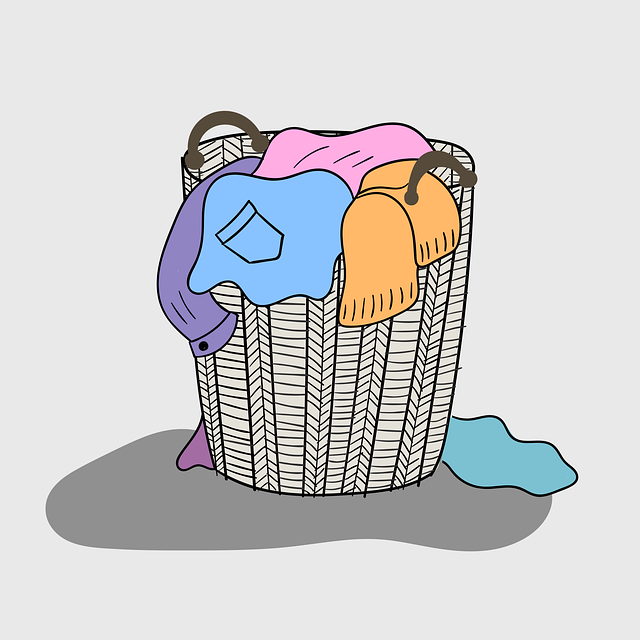
Laundry doesn't stop just because it's hot outside.
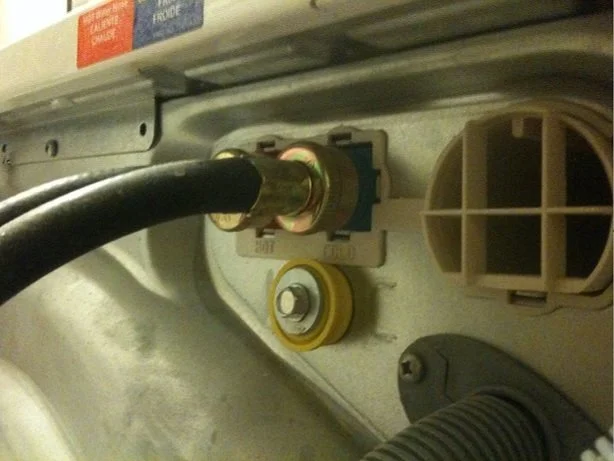
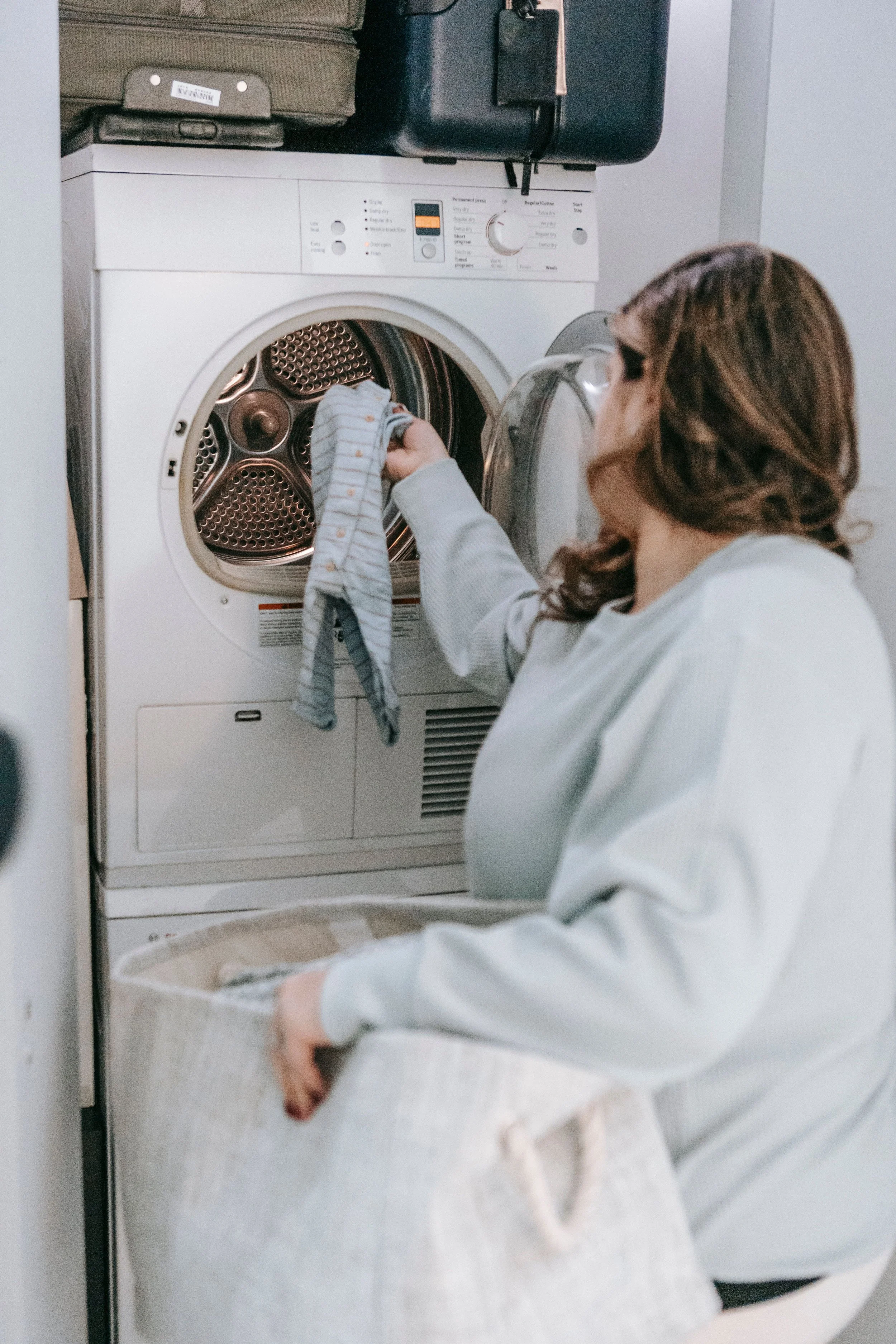
However, when you run the dryer in the middle of a summer afternoon, you're essentially adding another heat-producing appliance to a house that's already battling outdoor temperatures.
Courtesy of Sarah Chai.
That extra heat can make your air conditioner work harder to maintain a comfortable indoor environment.
If possible, consider running laundry in the early morning or later in the evening when temperatures are lower. Some homeowners also find it helpful to run multiple loads back-to-back instead of spacing them throughout the day.
While you're at it, don't forget about dryer maintenance. Clean lint filters regularly and make sure vents remain clear. Summer heat can increase the importance of proper airflow and ventilation.
Turning the Kitchen Into a Furnace
There's something wonderful about a home-cooked meal, but your oven and stovetop generate a surprising amount of heat.
When outdoor temperatures are already pushing your cooling system to its limits, cooking large meals during the hottest hours of the day can create additional work for your air conditioner.
This doesn't mean you have to survive on sandwiches all summer.

Courtesy of RDNE Stock project
Instead, consider shifting larger cooking projects to the evening when temperatures begin to drop. Outdoor grilling can also help keep excess heat outside where it belongs.
Forgetting About Refrigerator Maintenance
Most homeowners wouldn't drive their vehicle for years without basic maintenance, yet many appliances operate for long periods without any attention at all.
Summer has a way of exposing small problems before they become big ones.
Dirty condenser coils, worn door gaskets, and blocked airflow can all reduce refrigerator efficiency. During moderate weather, you may never notice. During a heat wave, those same issues can suddenly become much more apparent.
A quick inspection of the refrigerator's seals and a routine cleaning can help prevent unnecessary strain during the hottest months of the year.
Expecting Your Air Conditioner to Do All the Work
When the forecast calls for extreme heat, many homeowners instinctively lower the thermostat.
While understandable, the rest of the home still plays a role in staying comfortable.
Simple habits such as closing blinds during the hottest part of the day, keeping curtains drawn on sun-facing windows, and limiting heat-producing activities indoors can help reduce the burden on your cooling system.
Think of it as teamwork. The less heat entering the home, the less work your air conditioner has to do.
Small Habits, Big Difference
Most appliance breakdowns don't happen because someone made one catastrophic mistake. More often, they result from a collection of small stresses that build over time.
Summer heat naturally increases the workload on many household appliances. The habits we practice every day can either make that workload heavier or help appliances operate more efficiently.
By paying attention to how and when we use refrigerators, dryers, ovens, and air conditioners, homeowners can help reduce unnecessary strain, improve efficiency, and potentially extend the life of some of the hardest-working appliances in the home.
Need Appliance Repair in The Colony?
If one of your appliances is already showing signs of struggling with the Texas heat, don't wait for a complete breakdown. The experienced team at Appliance Rescue Service proudly serves homeowners throughout The Colony and surrounding communities with professional appliance diagnosis and repair.
Whether your refrigerator isn't staying cold, your dryer isn't performing efficiently, or another household appliance isn't operating as it should, Appliance Rescue Service is here to help keep your home running smoothly all summer long.