Appliance Deep Dive Round Up

Putting It All Together To See What Makes Appliances Tick

Appliances might not be the most interesting topic in the world, but they are a basic part of the American home. They make our lives easier, most of the time. According to Merriam-Webster, “ an appliance is a device or piece of equipment designed to perform a specific task, typically a domestic one.”  Over the last year we’ve broken down every major appliance in the home, to go deep into what makes the different appliances work and what matters. 


Each of the posts covers the important parts of their appliances. How do the appliances work? What sort of variations are there? What are the differences that are important to know if you’re looking to purchase? What features would you expect to find? So that’s the way each one works. We want to highlight the different posts, make them easier to find, and most importantly, show off something from each of them that might be of interest. 


All About the Refrigerator 

Let’s start off looking at the 5 major styles of refrigerators. When it comes to refrigerators you’ve got freezerless refrigerators, top freezers, bottom freezers, side by sides, and french doors.  Even though the first three are listed by the location or lack of a freezer, they are still refrigerators. Why are they listed by the freezer then? Probably because they’re still refrigerators without much of a change. Even the Side by Sides and the French Door refrigerators are most defined by how they’re set up rather than any change in what they do. While that might seem odd, it’s because refrigerators don’t grow by leaps and bounds in terms of food storage. They grow by tiny moments, small improvements to how long food stays good. So the biggest factor for you as a home owner, is how you want them to look. 


All About the Freezer

The freezer is both very similar and yet very different from the refrigerator. It doesn’t change much from one year to another, but instead, it slowly improves how long food can be kept. Changes to a lack of frostbite or lack of ice building up, they’re great! But overall, the freezer doesn’t change much in terms of its function. Instead, how the freezer is set up is what changes. For the freezer, your types are the portable freezer, a chest freezer,  an upright freezer, and drawer freezers. 


All About the Oven
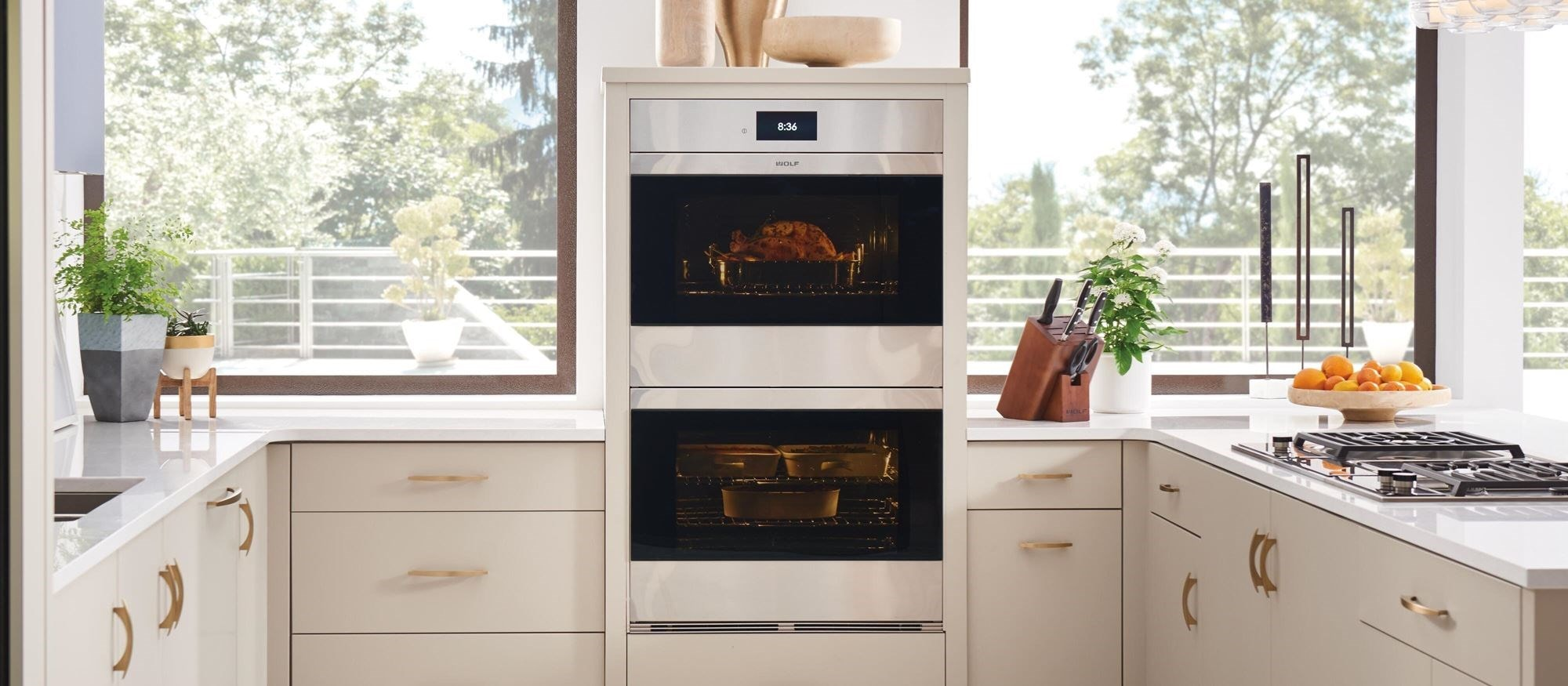
Ovens are fantastic and have been for quite some time. The earliest ovens have been found in 29,000 BC. The varieties we have now are many, and the features are even more plentiful. We have gas and electric ovens, we have convection ovens, and steam ovens as well.  Our favorite feature though is a toss up between the warming drawer and the steam clean function. No matter how many times we fix ovens that have that feature we have to be grateful for it. 


All About the Stove 

  When it comes to the stove, everyone knows about gas stoves and electric stoves. The fights between the chefs will continue for ages yet, but for us, we love the induction stove. The fact that it’s nigh on impossible to be burned by the stove now is a fantastic thing. We also love that many stoves also offer continuous grates, which is wonderful for making breakfast foods of all sorts. After all, who doesn’t love breakfast? 


All About the Dishwasher
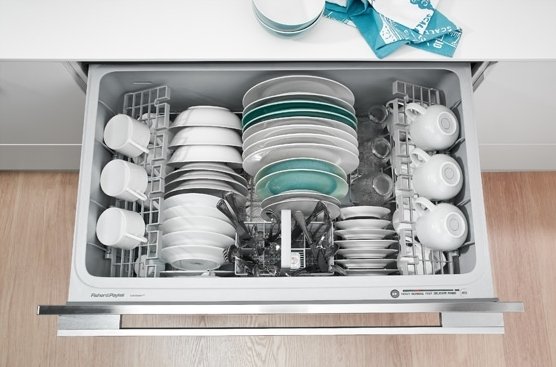
For dishwashers the types you might have include built-in, drawer, portable, countertop and integrated. Dishwashers are constantly changing though and offering new tools and techniques to make them better. When researching this we found that our favorite feature was the sensor wash.  This one feature makes it much easier to manage your water bill, and only uses the amount that’s needed to clean the dishes. 


All About the Washer

We’re tempted to say that the best part of the article is adding ‘laundry’ to the list of things that are consistent in life, but that would be a rather morose thought. Instead, for us it was learning about the existence of washer-dryer combinations. It’s not an efficient machine. It’s not an easy to use machine. The fact that it exists though, is where any appliance starts, as it can’t get better if it doesn’t exist yet. 


All About the Dryer 

And finally we have dryers. There are so many different types of dyers. They can all be said to do the same thing, but how they go about it? That’s wildly different. You’ve got gas dryers and electric dryers, but that’s just the power source. More important are the heat pump condenser dryers which use a technique similar to a refrigerator to make a dryer work many times more efficiently than the dryers any of us grew up with. 


And that’s that! If you’re looking to find out more about the options as of right now (2022) these are the posts to check out. Upgrades will come with time and we’ll update the page as well, diving in and letting you know what we’ve found as always. Let us know on Facebook or in the comments below, which article do you find the most useful? 


If instead you’re here because one of your appliances is making the holidays a nightmare, we can help with that! You can reach out to us on our contact page, or by giving us a call at ((214) 599-0055). Even with the holidays, we’ll work with you to find a time that works best for you. At Appliance Rescue Service our goal is to get your home running smoothly again, whether it’s an oven that won’t stay lit, a dishwasher that isn’t draining or a dryer that’s squeaking.
Top Tips to Achieve Scandinavian Design In Your Home

 How To Make Your Home Look Like A Hygge Getaway

With winter coming in fast, many people are looking at the neat designs of places that have winters far more brutal than here in Texas. With that sort of idea in mind, we would like to bring your attention to the warmer and more cozy cousin of modern minimalism: Scandinavian design! Whether you’ve never heard of it, or you’re looking for tips to get started, this is the article for you. 

What is Scandinavian Design


Many people's first question is what is Scandinavian design and “where does it come from?” 

Scandinavia is made up of three European countries located far to the north: Norway, Denmark and Sweden. 


Scandinavian design comes from the fact that houses are usually on the smaller side, and people are stuck in their houses for long periods of time in winter. From these two facts it makes sense that the style consists of clean lines, and a lack of clutter  Functionality without sacrificing beauty is a key concept, because you're going to be staring at it quite a bit and there just isn't room for things if they don't serve a purpose. Scandinavian style also favors bright, airy spaces and a focus on nature, unlike it's stylistic cousin, minimalism, which is drawn more by darker colors and the division of spaces. A final important factor is texture. If something is soft, warm and fuzzy? It's probably a good fit for Scandinavian design. Think of things like faux fur carpets, thick plush blankets, and soft pillows. All things to keep you warm and cuddle up in after a long cold day. 

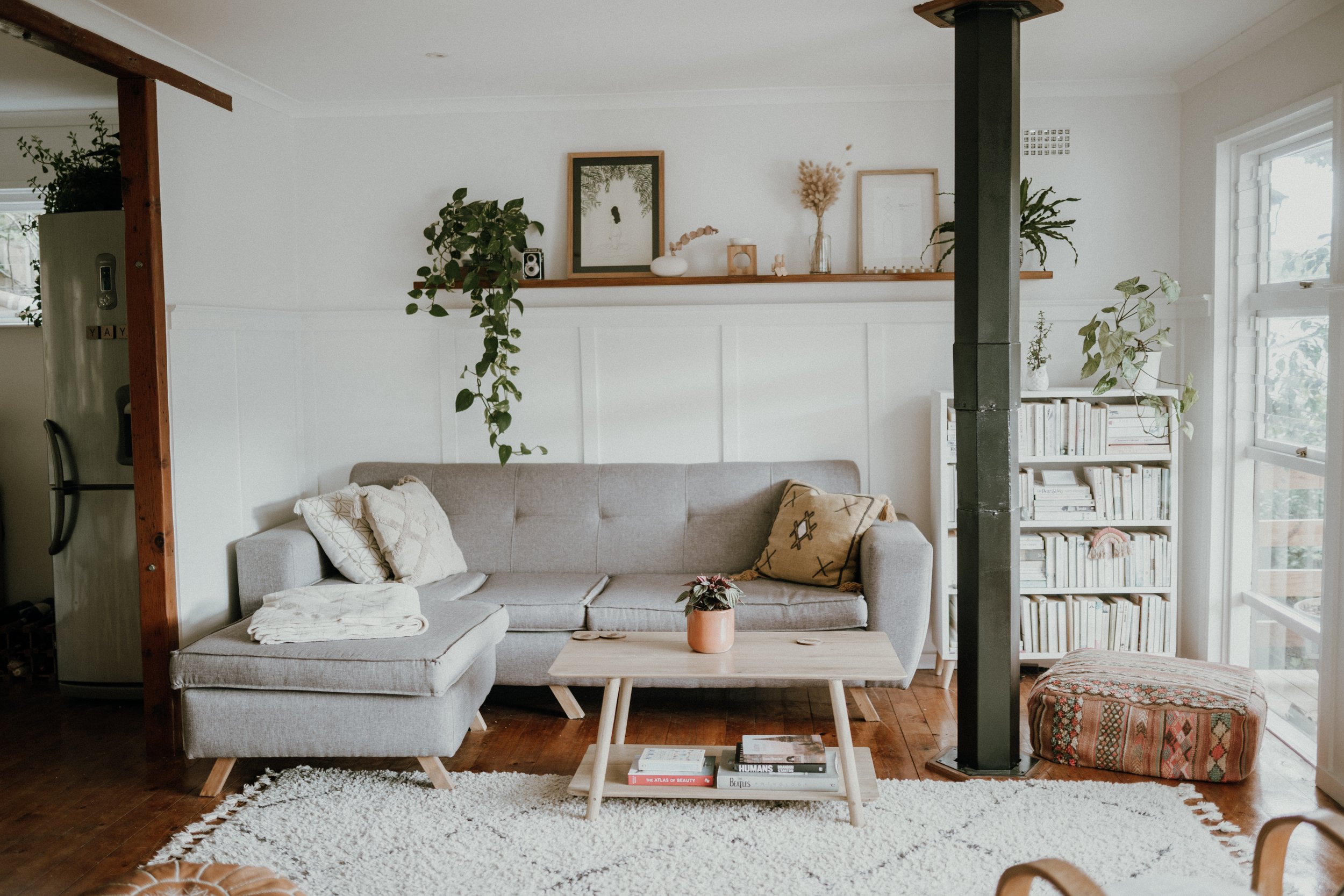
A Scandinavian living room, painted white, with shades of warm wood and multiple plants, and covered in multiple different textures is the epitome of Scandinavian design

Courtesy of Teryn Elliott

.

How To Achieve Scandinavian Design In Your Home 


Play with Natural Light

Because light is so limited that far north during the winter, it's especially important to find ways to make the most of it. So, play up the windows, bring in lamps that imitate natural light and make the most of the light you do have. It also means keeping your surroundings bright and possibly playing with mirrors to maximize light as it comes in. 

a white room holds multiple examples of reflected light and sunlight bulbs as well as mirrors, making the most of Scandinavia's limited winter light

courtesy of Decorilla


Use Warm Wood

Warm woods like oak, and spruce, pine and birch  are great for this design style. All of them are light colored woods that add to the feel of both merging with nature and also keeping your space light and airy. 

a dining table is central to the photo, stained a light color and the floor mimics it, balancing the white of the walls

courtesy of Decorilla


Light, Muted Colors Overall with Small Pops 


We keep talking about how long and dark the winters are and we're not done. In order to keep your home bright during the winter, Scandinavian style would have you paint your walls white and use mostly muted or soft colors to keep everything feeling cohesive. You can however make choices of natural brighter colors and incorporate those throughout, so long as they’re in small doses. 


Clean Lines

When it comes to furniture, light fixtures etc, go for things that are clean and natural lines. Overly complicated designs are not something that meshes with Scandinavian design . 


Think Cozy

As we mentioned up top, winter is long and miserable in Scandinavia. Even if winters are mild here in Texas, you can fudge this one a little and still get the look. Get accent carpets of faux fur. Get pillows and blankets that are wonderful to curl up with even on stormy days. Think of what cozy means to you and bring that in. 


Mix Textures

Building on the last one, use multiple textures in your decor. Bring in soft and silky, chunky knits and plush throws. Layering textures like this helps to add to the cozy atmosphere you're building.

A nursery in shades of white and grey has a multitude of soft textures and pillows layered throughout the room.

Courtesy of Decorilla

Clutter Free Spaces

Although newer houses are being built larger, houses were typically built on the smaller side as it was easier to heat during the winter. A side effect of that meant that they didn't allow for excessive amounts of stuff. So you won't see much in the way of clutter in most Scandinavian homes. 


Greenery

To help bring life into the home, quite literally, plants are found in many Scandinavian homes, even in the depths of winter. 

Several different plants are grouped together on and around a side table


And that’s a wrap! What do you think? Are you interested in bringing Scandinavian design into your home? Let us know your thoughts in the comments below or over on our Facebook page. 


And as usual, if you didn’t wind up here because you’re looking for decor ideas, but because your appliances are malfunctioning, let us know! At Appliance Rescue Service, our goal is getting your home running smoothly again, whether it’s your dryer or your oven that’s malfunctioning or your ice maker has decided to just stop working. You can reach out to us on our contact page or by giving us a call at ((214) 599-0055). Wherever you are in the Dallas Metro Area, we’re here for you.
New England Clam Chowder To Keep You Warm

Winter is coming, even if Texas doesn’t know it yet. Enjoy this soup in the meantime! 

Winter is just around the corner, and that means we’re craving soup. This week we’re looking at a classic recipe for New England-style clam chowder. A rich and creamy soup that will not only fill you up but will also give you plenty of leftovers to enjoy later. 


Ingredients

3 strips Thick-Cut Bacon

4 tablespoons Unsalted Butter

1  Large Onion (cut into 1/4-inch cubes)

1 rib Celery (cut into 1/4-inch cubes)

1 teaspoon Fresh Thyme Leaves (chopped)

2  Bay Leaves

2  Medium-Size White Potatoes (peeled and cut into 1/4-inch cubes)

½ cup All-Purpose Flour

4 cups Bottled Clam Juice (divided)

1 pound Fresh Clam Meat (chopped, with juices, see Note)

Kosher Salt

3 cups Light Cream

1 teaspoon White Pepper


A quick note on finding clam meat and clam juice. It’s hard to get hold of fresh clams. Instead, check out the frozen section of your supermarket. Many of them carry 1 pound containers, which are fresher, have the clams and the juice, and taste far better than canned. Defrost before you use it and it’s not only tastier but more convenient as well. 


Take your onion, celery, and potatoes, and get them ready. For the onion and celery that’s going to be cutting them up into ¼ inch cubes. For the potatoes, you’ll want to peel them for now and set them aside. 


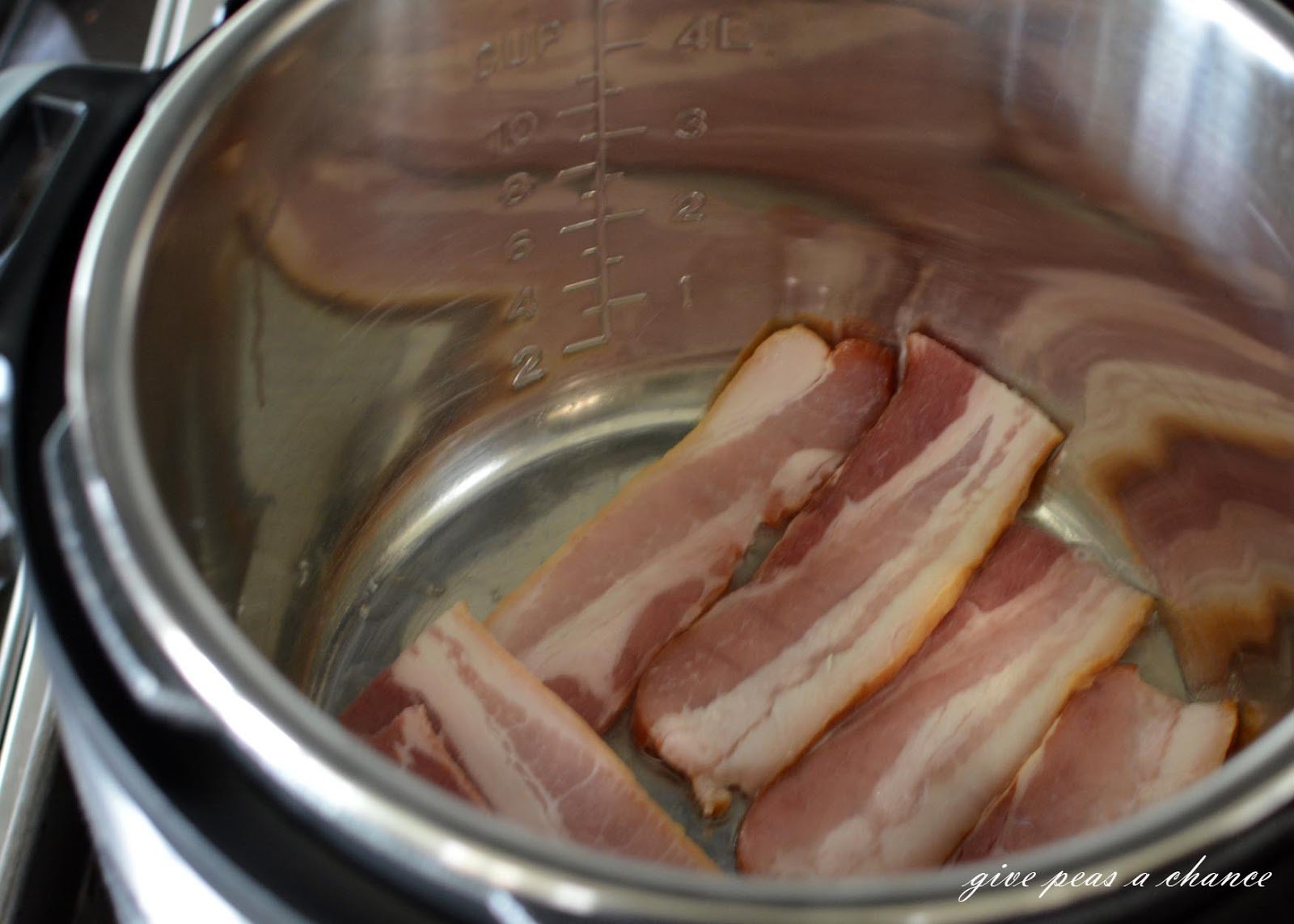
We might have forgotten to take many photos of this recipe unfortunately. This one is from Give Peas a Chance.

Set your 4-6 quart pot on the stove over medium-low heat. Add your bacon to the pot and cook until crips, 10 to 12 minutes.  Remove the bacon, leave the fat in the pot, and set the bacon to the side to cool. 


While that’s cooling, add your butter, onion, celery, thyme, and bay leaves to the pot. Cook at the same heat and stir often. In between the stirring, turn back to your bacon and crumble it into small pieces.  When the onions are translucent, add the bacon back to the pot and stir to mix. 


We had to pause in the middle of chopping ours, but it did mean we actually got a photo of the process.

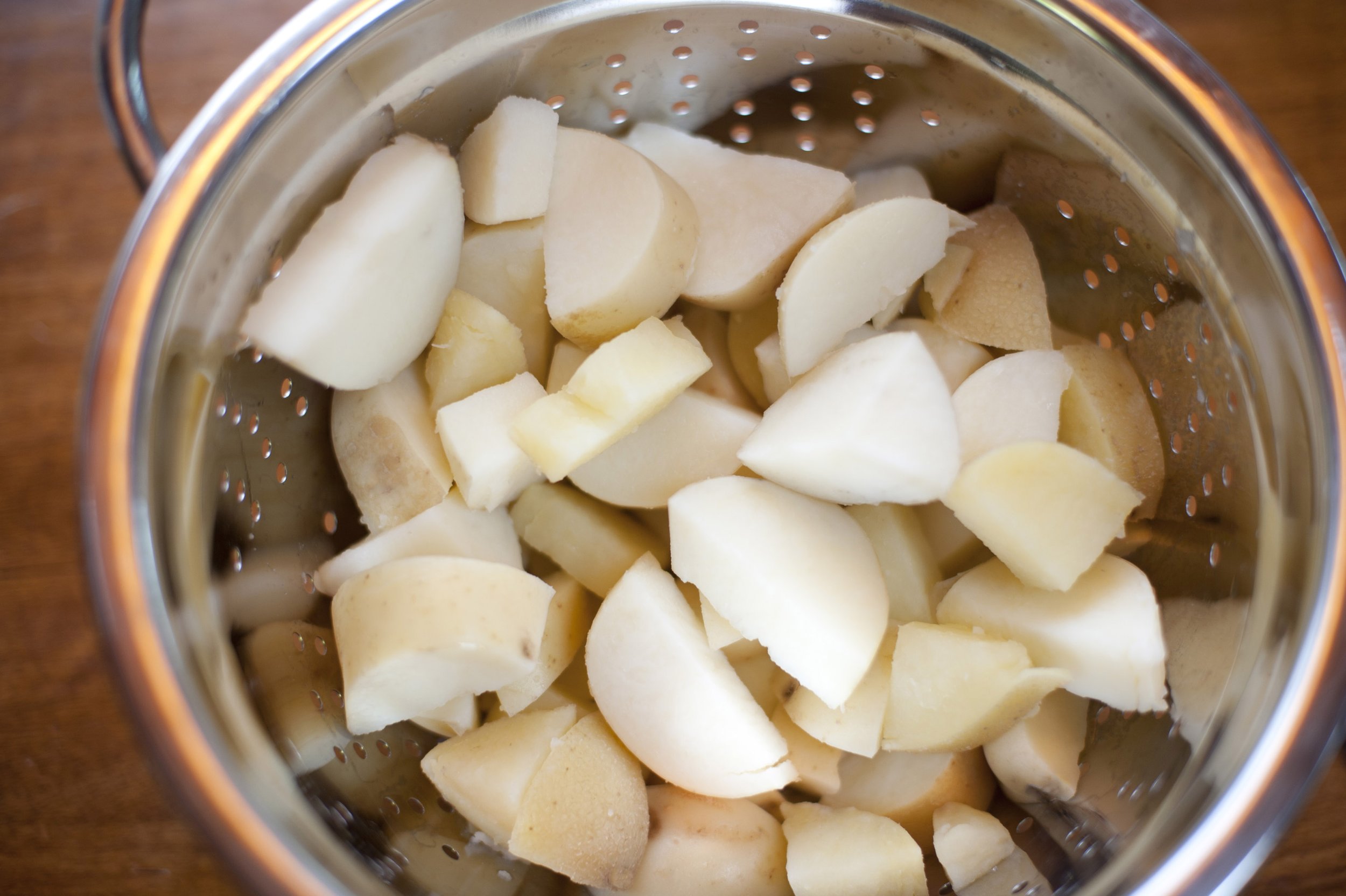
Turn the heat down to low and let it simmer.  In the meantime,  grab your second pot, fill it with 2–3 quarts of water and set it to high heat. Add in salt, and bring the pot to a boil. Dice your potatoes, and add them to the boiling water. Cook for 5-8 minutes or until you can easily pierce them with a fork. Drain the potatoes in a colander and set them aside. 


Now, let’s turn back to your onion and bacon mix and turn the heat up a bit to medium-low. Slowly add your flour, stirring constantly, until a thick paste forms. This is a roux, of a type. Stir slowly and cook for 5 minutes until it becomes golden brown. You’re looking to cook out the ‘raw’ flavor of the flour. 


After five minutes, bring the heat up to medium and slowly stir in the bottled clam juice, one cup at a time, fully incorporating it into the roux before you add more. 


Turn the heat up further to medium-high and add your potatoes and the clam meat with its juices. Keep stirring for 5 minutes until the clams are tender. 


Stir in your cream slowly, and then top with white pepper and stir it in. 

Remove the bay leaves before serving, and dish it up with your choice of grain. We like serving it with pita bread or a crusty slice of bread, while many enjoy oyster crackers. 

The final product though? That was all ours. It tasted even better than it looked in all honesty.


What do you think? Are you willing to give this tasty soup a try as winter comes? Or will you hold out until the cold has actually set in, come February hopefully? Let us know what you think of the recipe, or your own favorite version of New England clam chowder in the comments below or over on our Facebook page. 


If you’re here because you’re worried about Winter being just around the corner, you’re not the only one. Whether you’re looking at issues with your washer and dryer or you want to make sure your oven and stove are up to snuff before Christmas, we can help. In addition to repairing appliances, we at Appliance Rescue also offer maintenance checks. Whether you’re worried about just one appliance or about all of them, we’ll walk through with you. We’ll look at all of the appliances you request and see what is or isn’t happening. Whether it’s making sounds, smells odd or you’d just rather be safe than sorry, we understand. We’ll go over all of the possible issues and make sure that your appliances are good to go.
You can reach out to us to set up a maintenance check on our contact page or by giving us a call at ((214) 599-0055). We’ll work with you to set a time and date that works best for your schedule. From there we’ll send one of our expert technicians to go over your chosen appliances. At Appliance Rescue Service, our goal is to get your home running smoothly again. 

Oven Deep Dive

 How does it work, why does it work, and how can you break an oven?

We are back again for our final appliance deep dive article. This one is all about the oven in your kitchen. We bake with it, we cook with it, we roast with it, and that’s only some of what your oven allows you to do. We're taking a look at the types of fuel, the parts that you need to be aware of, and the most common features that you can be on the lookout for. 


Types of Ovens


When it comes to ovens, there are three main categories. You have your conventional electric oven, your conventional gas oven, your steam oven, and then the convection oven. 


A conventional oven will cook your food by heating it with radiant heat created by the internal elements rather than an open flame. There are typically two heating elements or resistors in the top and bottom of the oven. Because of the ease of production, this is the most common and most basic oven available on the market. However, these are also not as precise when it comes to cooking. They're fantastic for cooking lots of food, they heat up quickly and evenly, and as we said, they're easy to replace. 


A conventional gas oven, on the other hand, is much better for more precise foods. A gas oven dates back to the 19th century. They can still be found all across the globe, both because they're effective in terms of cost and also because of the ability to fine-tune the temperature. 


The pieces within your gas oven are the ignition, the cooling fan, the thermostat, and the burner or burners, depending. The most important though is the flame failure device. This tool works to cut off the gas supply and prevents the build-up of gases if something goes wrong.


Your gas oven today is actually much safer than many would have you believe when treated properly and maintained. In the past, gas ranges and wall ovens used what was called a free-standing pilot light. Today they rely on a safety valve, that flame failure valve that we mentioned, that doesn't permit gas to flow into the burner unless the igniter is producing enough heat to ignite the gas. If there's no electricity, the oven igniter doesn't get hot enough, and therefore the gases cannot build up. 


The steam oven, though, is an oven that either cooks just by using steam or has an additional steam function on top of other more 'standard' functions that it can switch in between. Most steam ovens function by siphoning water from a cistern that you fill up into a built in boiler. That gets heated to 212* F and then vented into the oven. The heat from the steam is just as effective for cooking your food as any other method, and can actually be faster. 


Our final style of oven, the convection oven, is actually different from either the electric convection oven or the gas oven. In this type of oven, the main feature is actually the fan that enhances both the circulation of air and the temperature in the oven. The other elements include a tray at the bottom to protect your bake elements from drips or spills, a fan blade, a cooling compartment, and a convection baffle. If you're like most people and haven't heard of a battle before this is a case that protects and encloses the fan separate from the rest of the oven. The fan serves to move hot air evenly around your food, causing a faster cooking time.


The convection oven is for more than baking, although that is what some say it's best for it's capable of roasting, broiling, toasting, and dehydrating. All of that with hot "just" hot air. 

An all white kitchen is marred by a stainless steel freestanding range combo in black and stainless steel


Parts of Your Oven

Now, while it's true that your oven types are all very different, there are some similarities that can be found across all of them.

All ovens are going to have an element that accomplishes the goal of making it into a very, very hot box. Electric ovens have a bake element, gas ovens have the burner system, the steam oven has the boiler, and the convection ovens have fan and bake elements. 

They also all have an internal thermostat that's meant to measure the heat inside and shift temperatures as needed. If your oven that you're dealing with is particularly old you might not have that and will need to look for other methods of checking the temperature. 

Most will also feature a small vent inside to help with mitigating the smoke that can be created or a duct for removing the smoke outside.


Beyond these few parts though, your ovens will be different. It's best to hold on to your manual when you purchase it so that you can reference it as needed.

A built-in double wall oven from Wolf blends seamlessly into the kitchen in all white


Features With Your Oven 

All right, that's the boring stuff Let's move on to some of the interesting stuff like features you can look out for.


Multiple types of heat settings - 

We love it when an oven has options from baking to boiling to 'keep warm’. Because cooking can be so different at different stages having something like this makes life so much easier and more precise.


Dedicated warmer tray or drawer-

Instead of offering a separate mode, some ovens will offer a dedicated section of the oven for keeping foods at a certain temperature. This is fantastic if you are looking to proof bread or wanting to keep different pieces of a meal warm while other pieces are still cooking.


Steam cleaning mode-

As we've mentioned before, the only good way to clean your oven is with elbow grease. However, we will say that ovens which come with a steam clean mode rather than the burning method, are much more to our liking. These make it so much easier to get in and get everything wiped off and don't require running the risk of melting and important component within your oven.


Safety locks-

Parents rejoice! It is possible to find ovens that feature a safety lock to keep your little ones out of the oven. While that is one feature in a household of many places they can get into, it is definitely a worthwhile feature in our opinion. 

A steam oven open and displaying two different dishes one of fish and one of leeks, plus the reservoir for water in the side.


Did you learn what you expected about ovens? Did we miss something glaringly obvious? Let us know over on our Facebook page or in the comments below. 


If, instead, you are here because your oven specifically is giving you trouble, we're sorry to hear that. You can reach out to us via our contact page or by giving us a call at ((214) 599-0055) to set up an appointment today. We will work with you to find a time that works best for you and your schedule. At Appliance Rescue Service, our goal is to get your home running smoothly again.


P.S. And for those of you wondering the answer to our question in the headline of how to break an oven? The answer is easy, you press the “Self-clean” button.


Ways to Update Your Bathroom, and Ways You Shouldn’t

Some of these were great and some didn’t make sense

We just survived Black Friday and like many of you, we were looking at all of the articles shouting about the greatest products for your home. But, have you ever really thought about the items? Or do you  just scroll past? This week we’re taking a look at a popular article over on Buzzfeed and giving our breakdown on whether or not we think you should add these to your bathroom. We’re looking at this article, so if you want to check it out before we get to it, have at it! 


Before we get started, this is our rating system. We did a rating of 1-10, with 1 “Being no way am I buying this” and 10 being “absolutely, you should get it”.


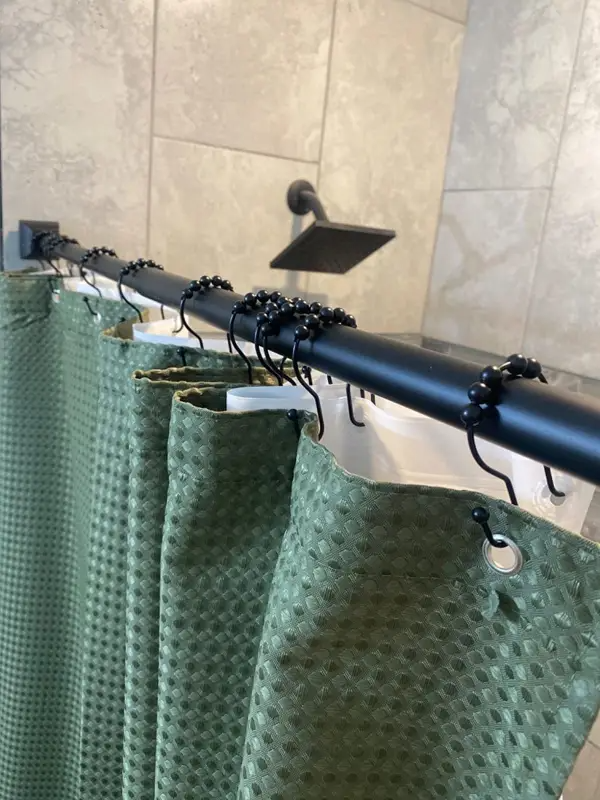
1. 1 - NO, these look beautiful for about a week before the hot water makes them lose their shine. They also don’t hold everything that you need if you have a household of more than 1 person. 

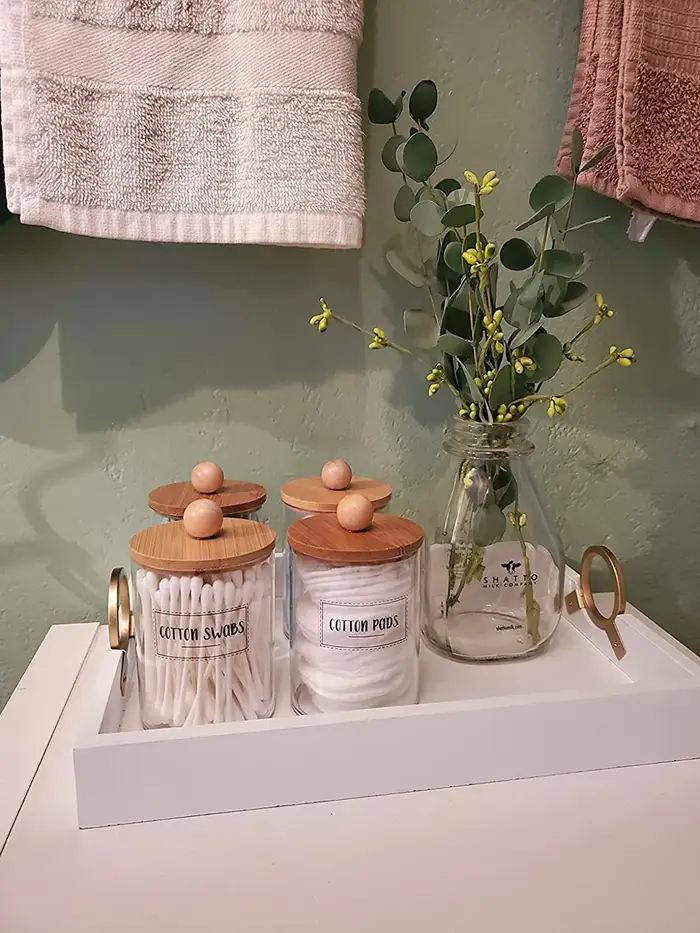
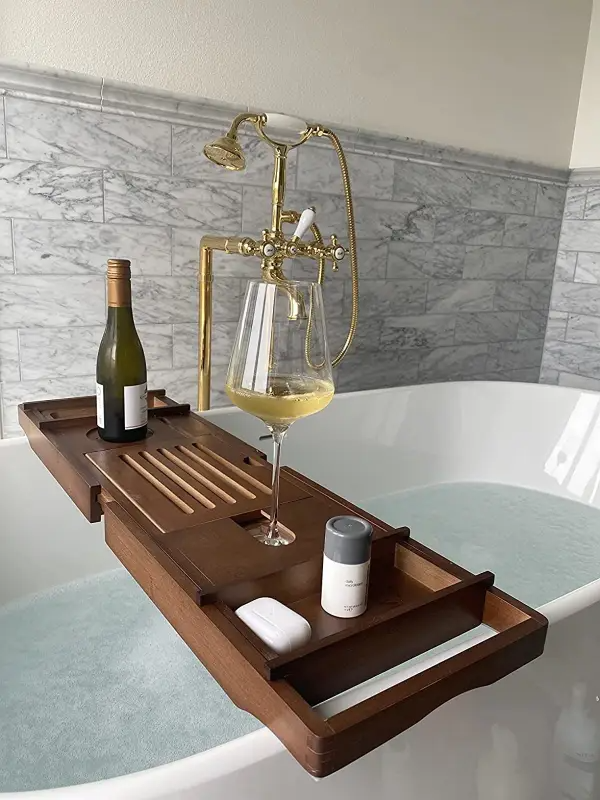
2. 5 - We are split on this one because, on one hand, you can DIY this look for yourself much more easily, BUT if the bamboo lids fit with your current decor, it’s an easy purchase. 

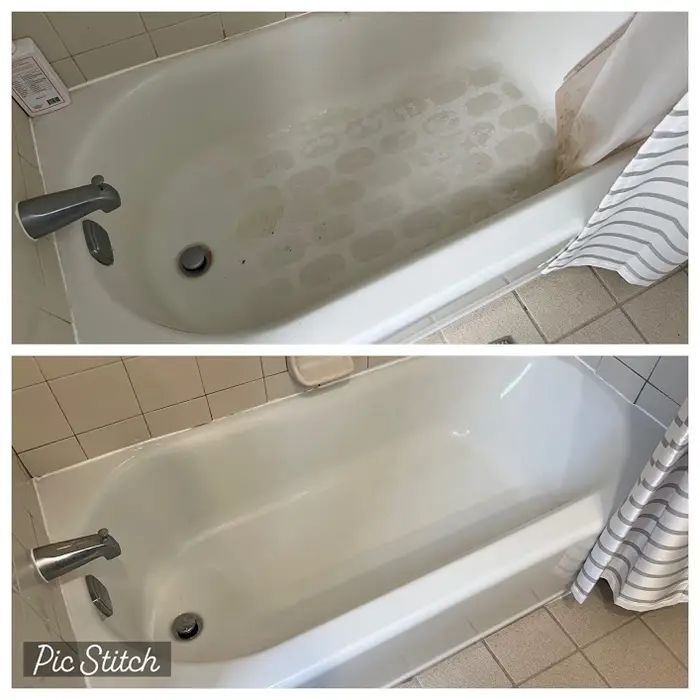
3. 1 - We have been warned to absolutely NOT do this, as it will actually ruin the finish on your tub. If you turn a normal cleaning into an attachment that’s one thing. The brushes that are designed for your drill though, are typically made with metal or wood in mind and will ruin your lovely tub. 

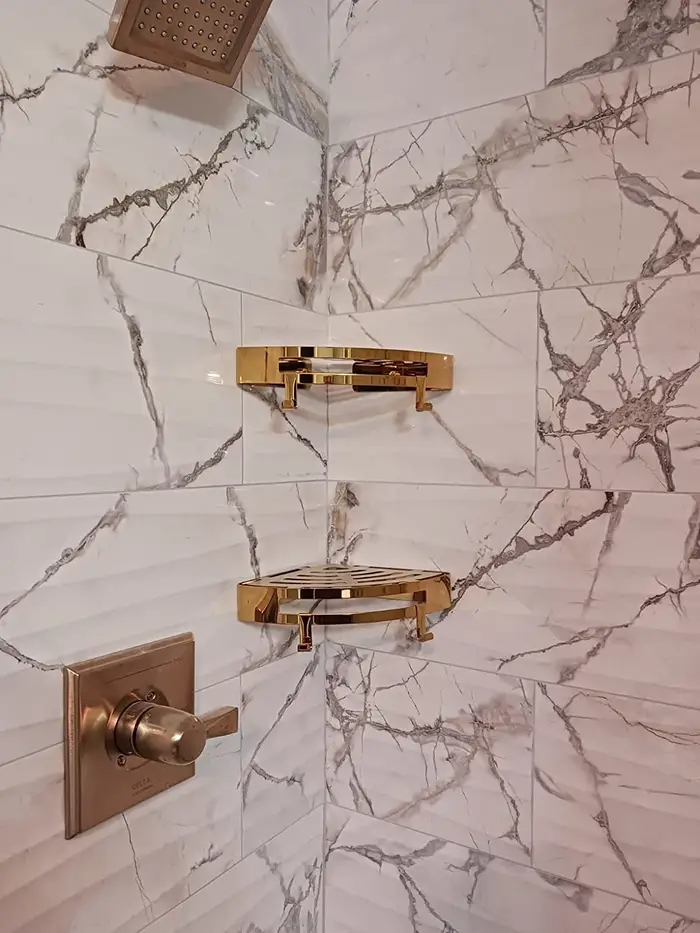
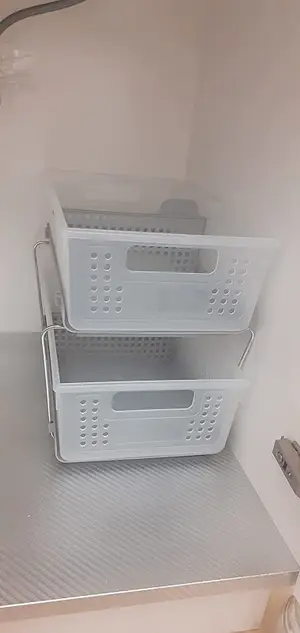
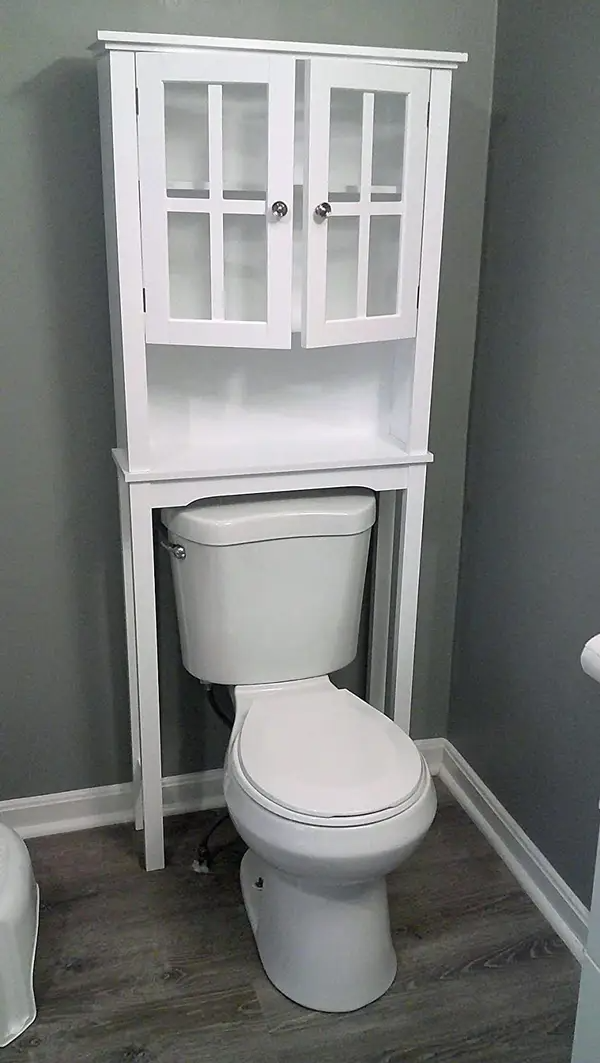
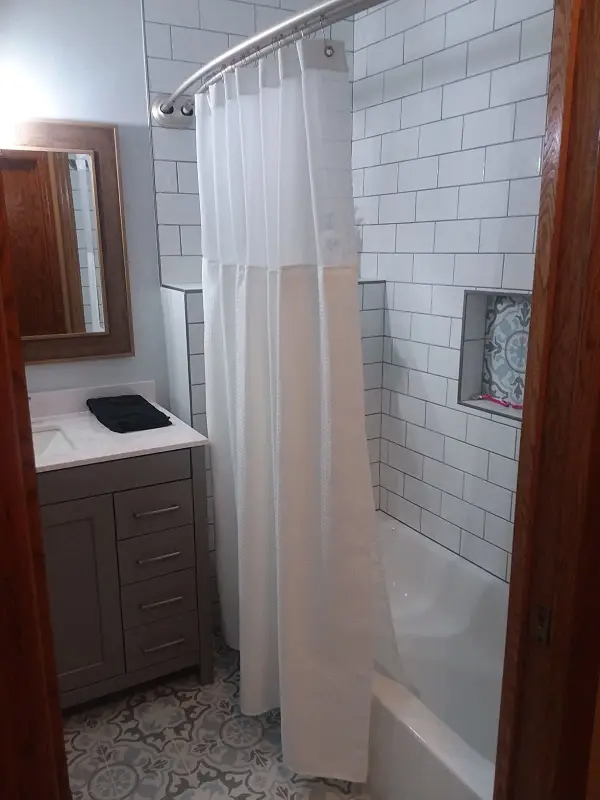
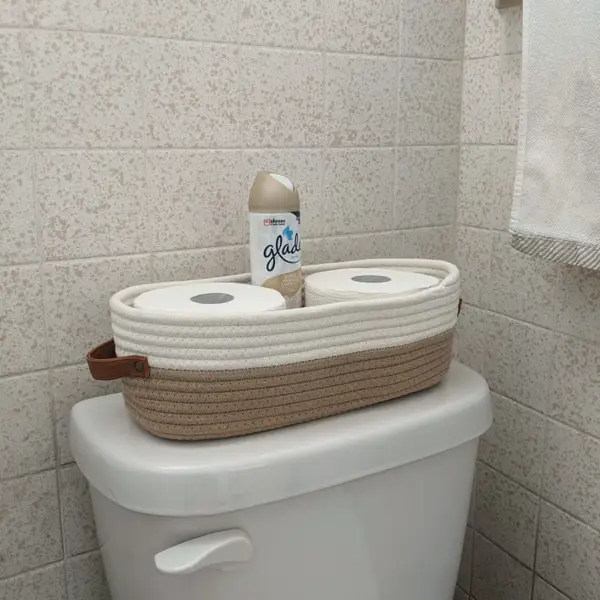
4. 10 - Utilize that vertical space! Poor design choices of homes often leave us with large gaps of useless space, so we love finding ways to solve that issue. 

5. 10 -  We love the idea. 

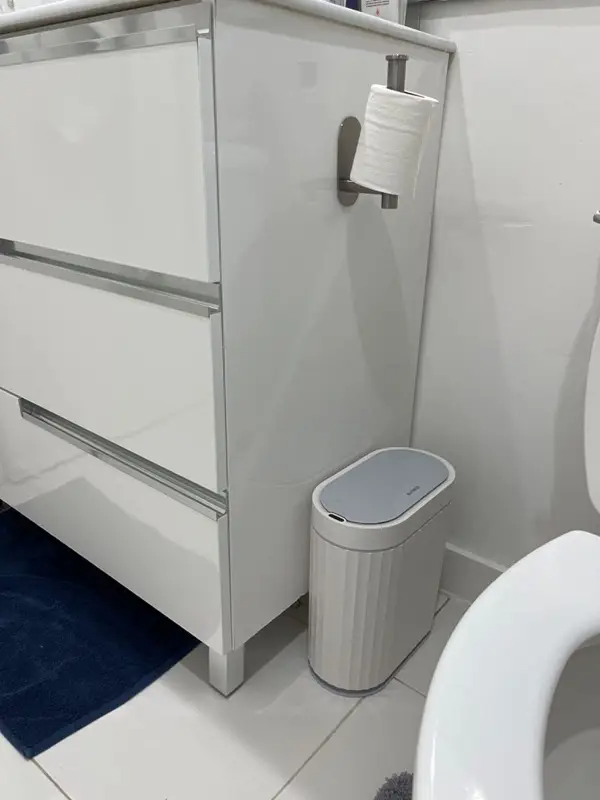
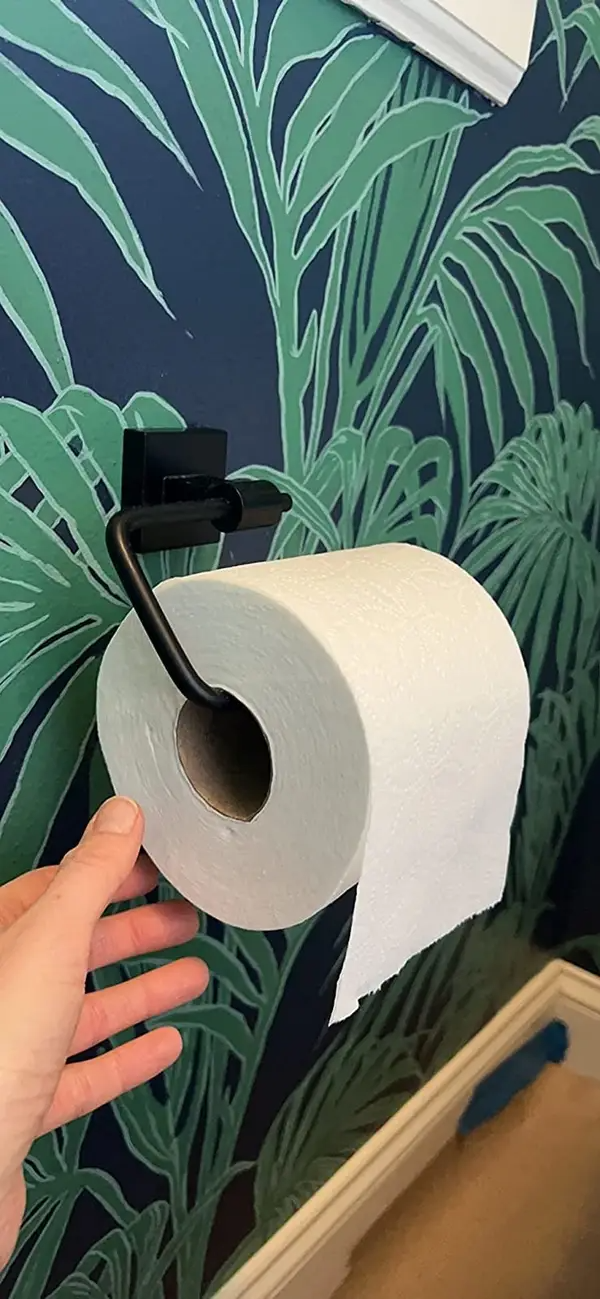
6. 6 -  Definitely useful if you choose the right one, but there are also definite possibilities of smacking your head against it. 

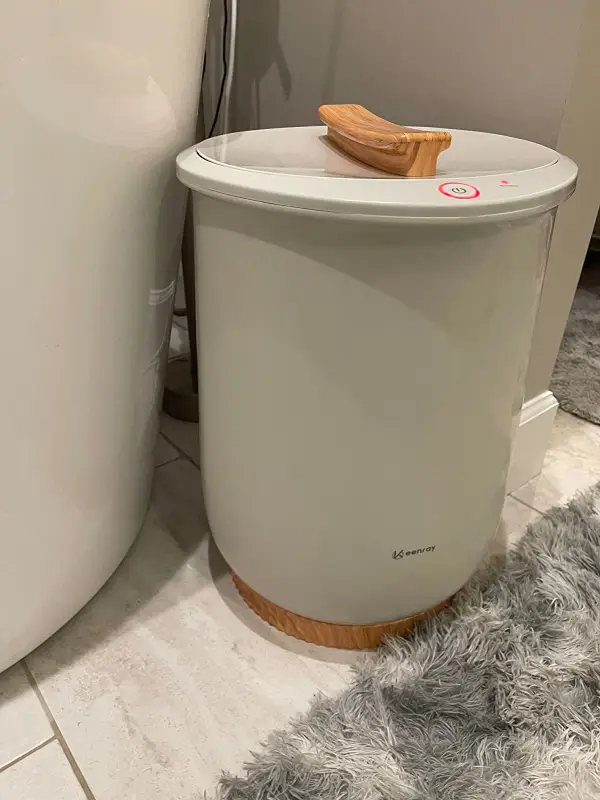
7. 10 -  Verified cleaning products are always a win in our book! 

8.  7 -  Bubble baths are a definite win as far as we are concerned, but we will say that with smaller tubs, such as builder grade, we will caution a need for awareness of your space so that you don’t tip it over or get hurt trying to get in or out of the tub. 

9. 1 - WHY? What is the purpose? 

10. 10 -  We’re not really concerned about the look of this one, but for ease of access and cleaning, we are all over it. 

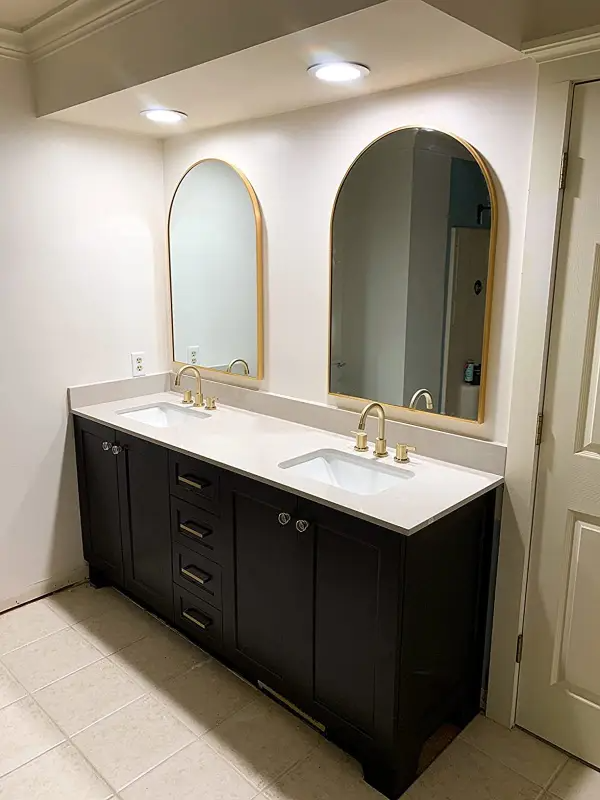
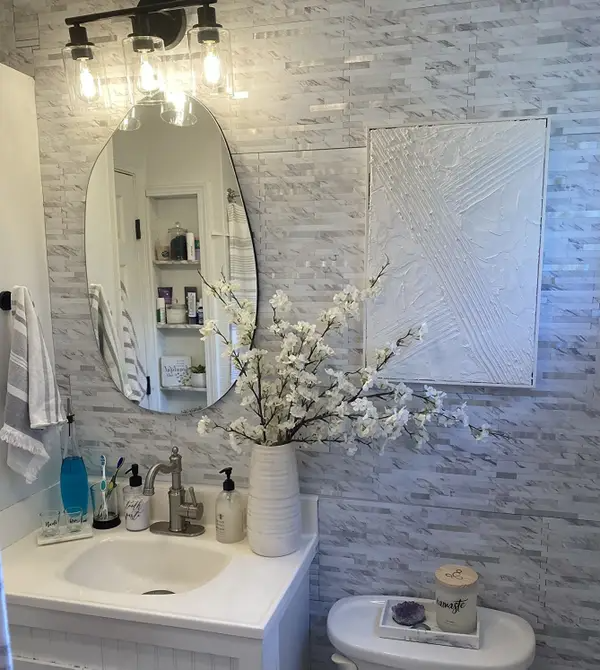
11. 10 - Not only does adding mirrors make a room feel more expansive, but it also makes it ~breathe~ more. 

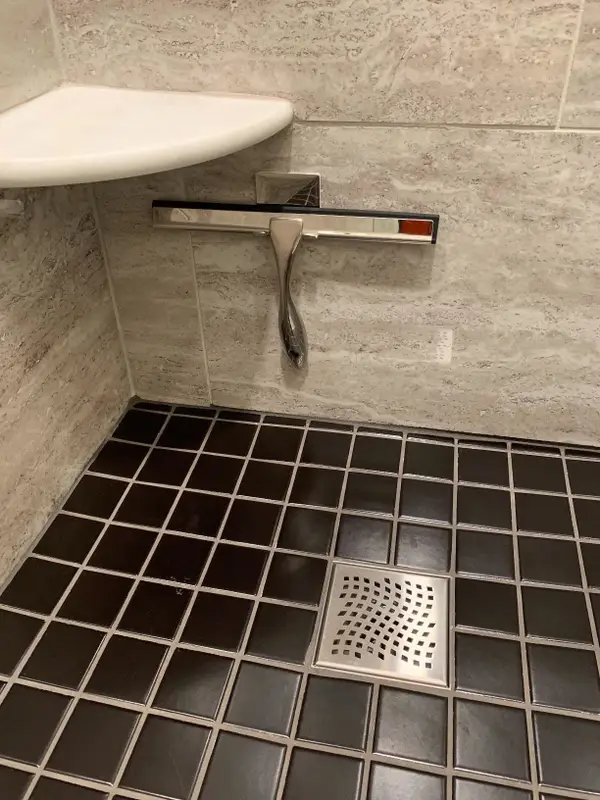
12. 10 - Although not relevant to making your bathroom more organized, luxurious, or even magazine worthy, a squeegee is very useful for getting it clean. 

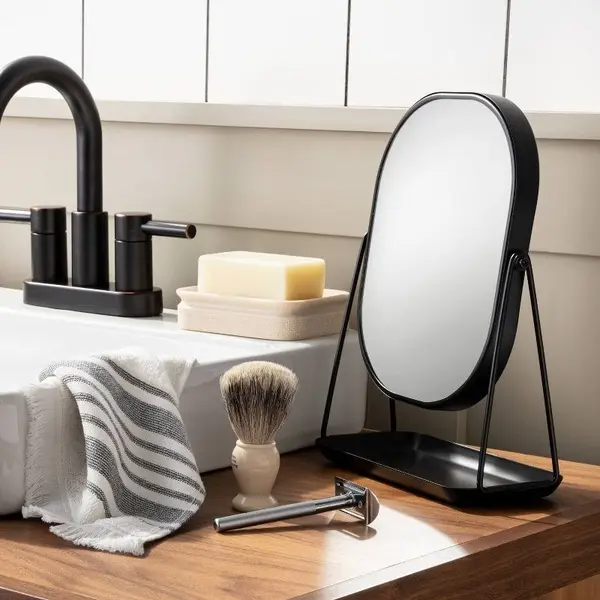
13. 10 - Dead useful for getting ready in the morning. 

14. 2 - It’s pretty, so it gets a point, but… why?

15. 10 - We absolutely agree on this one for several reasons. Your light fixture absolutely affects the way the rest of the room looks. The clarity of the light or how diffuse it is will also reflect on the space and how you use it. 

16. 8 - We love the idea of this one, but we won’t say it’s a need, more of a next step up for the look of your bathroom. 

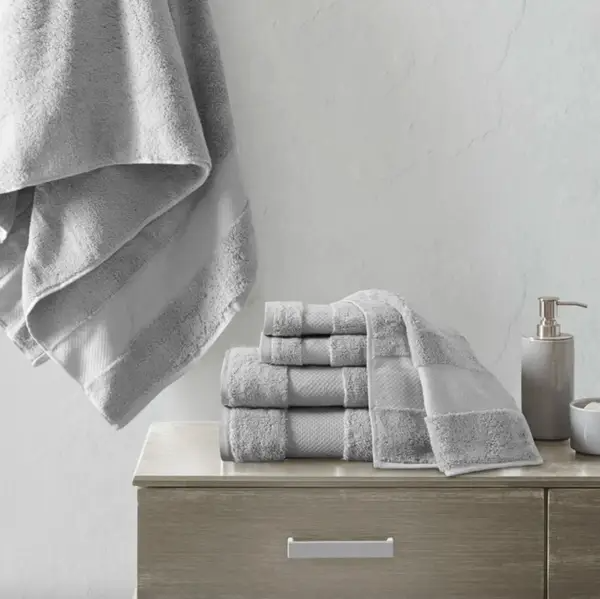
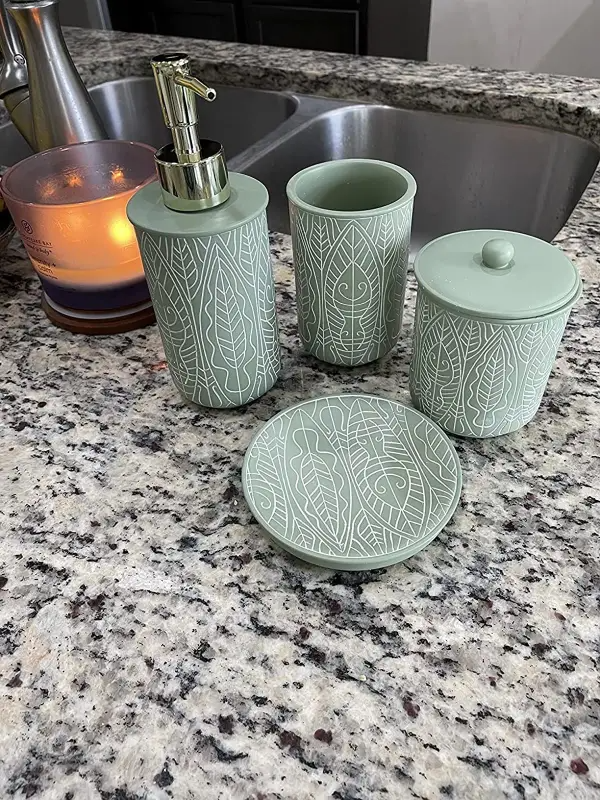
17. 5 - Having a  set in your bathroom can absolutely tie everything together. But pastels? No. 

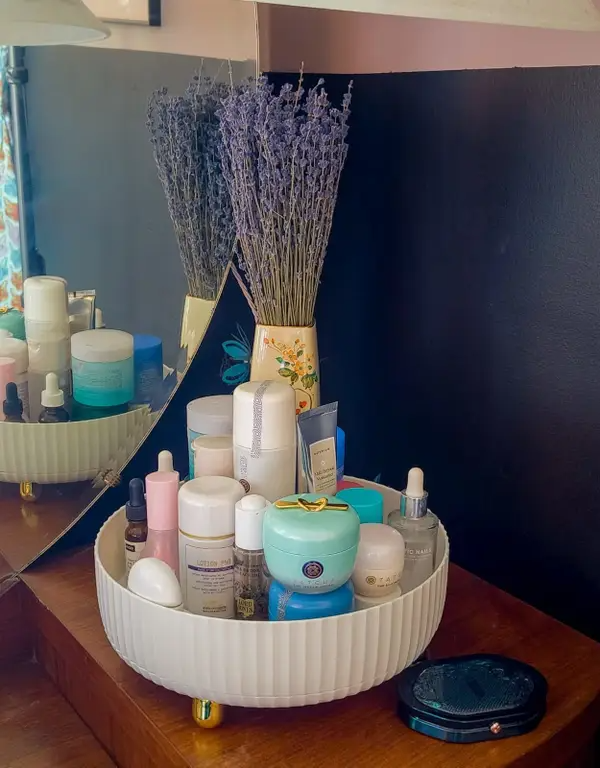
 18. No. We’re not even dignifying this one with a rating. Instead, we suggest a simple tray or a tiered system that will actually make use of the counter space that it sits on. 

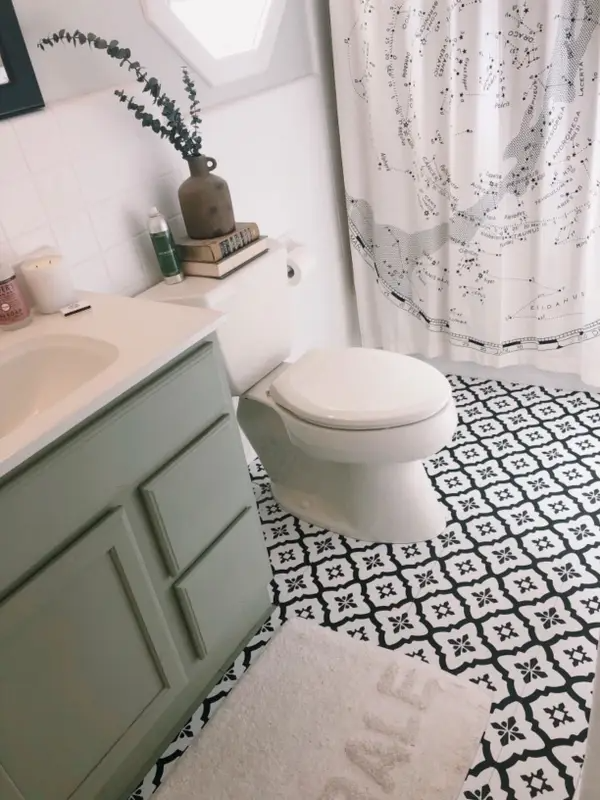
19. 3 - Peel and stick tile is great for the kitchen, and we have sung its praises many times in the past. But in the bathroom, it is too likely to be damaged by humidity and water from the bath/shower and will need to be replaced frequently. If you’re up for that challenge, we so go for it, but be aware of what you’re signing up for. 


20- 23  10 All of them do what they say, and are great for cleaning


24. 8 - This is very tiny, and might not work for all bathrooms, but we do appreciate what it does and how well it does it. 

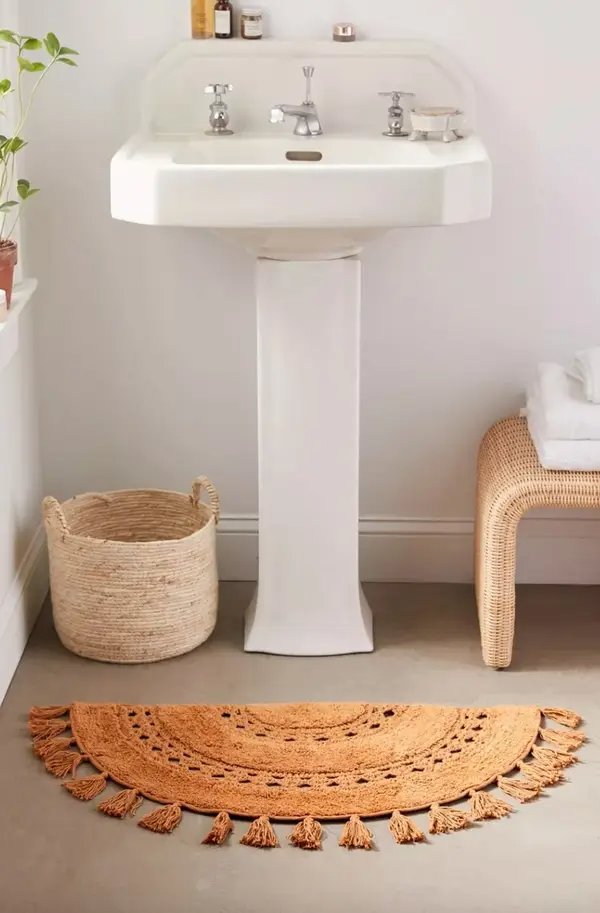
25.  7 - Cute, good for aesthetic but is small and easy to trip over. 

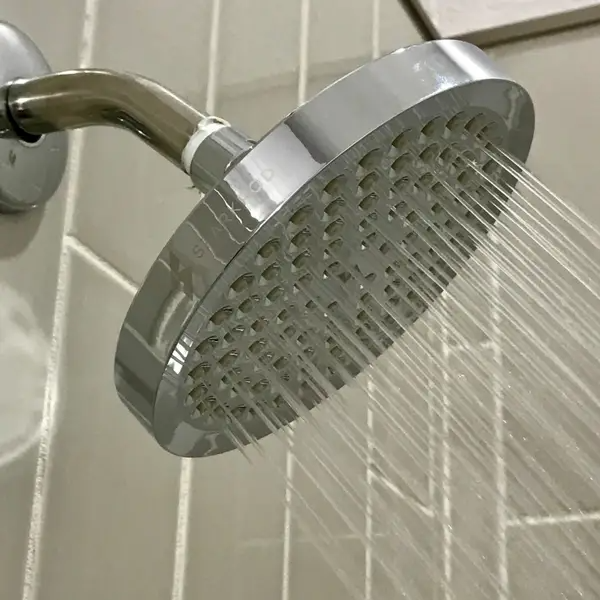
26. 8 - Definitely a luxurious upgrade to your shower experience, but we do prefer having options for the pressure that this waterfall shower head doesn’t seem to supply. 

27. 5 - Although definitely very useful, we would argue that this has little to nothing to do with aesthetic or looking like your bathroom is more spalike or luxurious. 

28. 6 - Much like the peel-and-stick tiles, this one can quickly deteriorate due to the humidity of the room. However, if you choose the right adhesive, you’ll gain the balance between “Sticky enough to stay on the wall for years to come” and “So sticky that it will peel off the paint AND the drywall when you want to replace it for something else.” 

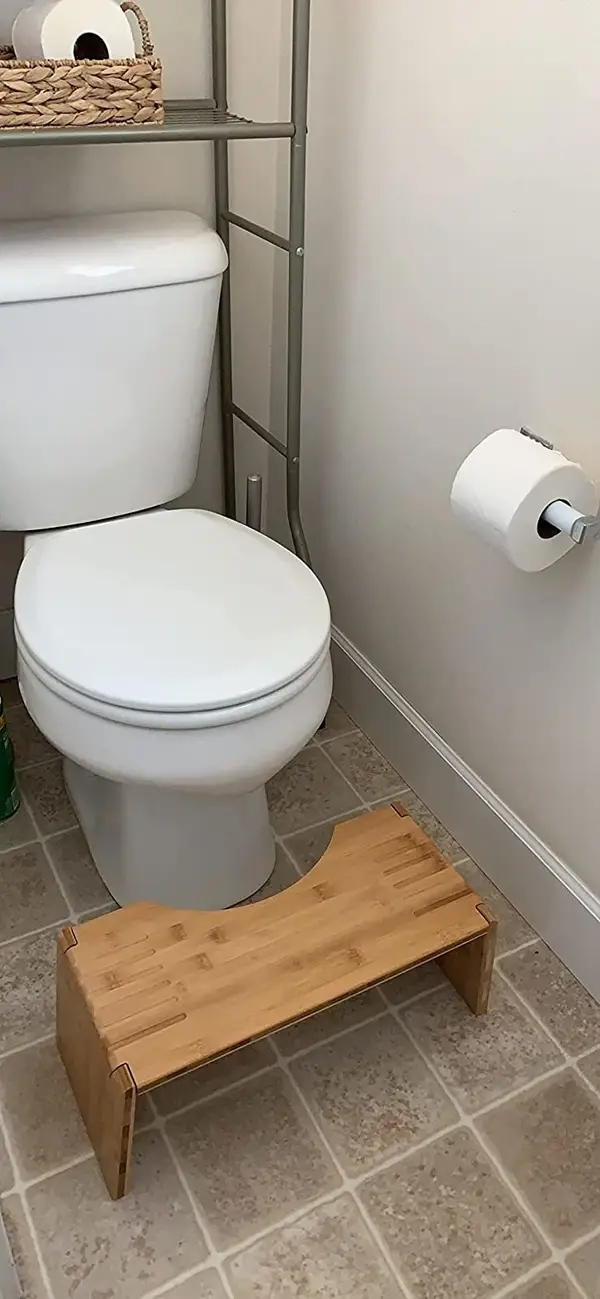
29.  5 -This one just seems like a given to us? 

30. 10 - Mix it up with different colors, and we love this one. 

31.  15. For our final one, this is definitely one to round out the article on, as it is absolutely a fantastic way to finish any shower. If you’ve got the space in your bathroom for this, go for it. You will absolutely thank yourself later. 


With that we have finished out this article and we want to know what you think! Reach out to us on our Facebook page or in the comments below! We’d love to hear from you on what you agree or disagree with. 


If you’ve got issues with your major appliances and you found our blog by accident, no worries! Check over at this link and that’ll take you straight to our contact page. Or if you’d rather talk to us directly, you can give us a call at ((214) 599-0055). At Appliance Rescue Service, we’re here to help you get your home running smoothly. 


This is all in the interest of fun and discussion, and we don’t have anything against Buzzfeed or the author of the article.