preventative home maintenance

Post-Winter Appliance Maintenance Every Homeowner Should Know

Small seasonal checks that help homeowners prevent repairs, improve efficiency, and extend appliance life.

Winter has a way of lingering in a home long after the decorations are packed away. Between holiday cooking, heavier laundry loads, colder temperatures, and months of closed windows, appliances quietly carry more of the workload than we tend to notice. They keep running, keep performing, and rarely ask for attention until something finally feels off.

Spring changes that rhythm. (We might call it Summer Version 1 in Texas) 

As the weather softens and daily routines shift, small appliance issues often begin to surface. A refrigerator sounds slightly louder. The dryer takes longer than usual. The dishwasher suddenly seems less efficient. These changes are rarely random. More often, spring simply reveals the wear that accumulated over winter.

Taking a little time now to check in on your appliances can make the transition into warmer months smoother, quieter, and far less expensive than dealing with a sudden breakdown later.


Why Post-Winter Checks Matter

Appliances experience gradual stress rather than sudden failure. During winter, heating systems run longer, kitchens see heavier use, and ventilation inside the home decreases. Dust settles where airflow slows, seals contract in colder temperatures, and moving components operate under steady demand for months at a time.

When spring arrives, appliances begin operating under different conditions. Humidity rises, temperatures fluctuate, and systems shift from heating to cooling cycles. These seasonal changes often expose small problems that went unnoticed during winter.

What makes spring particularly useful is timing. It sits between peak-use seasons, which makes it an ideal moment to catch early wear before summer heat or holiday activity places new demands on household systems.
Courtesy of castorlystock

A seasonal check is less about fixing problems and more about understanding how your appliances are performing after months of hard work

Simple Checks Homeowners Can Safely Make

Most spring appliance care does not involve repairs. In fact, the most valuable steps homeowners can take are observational and preventative.

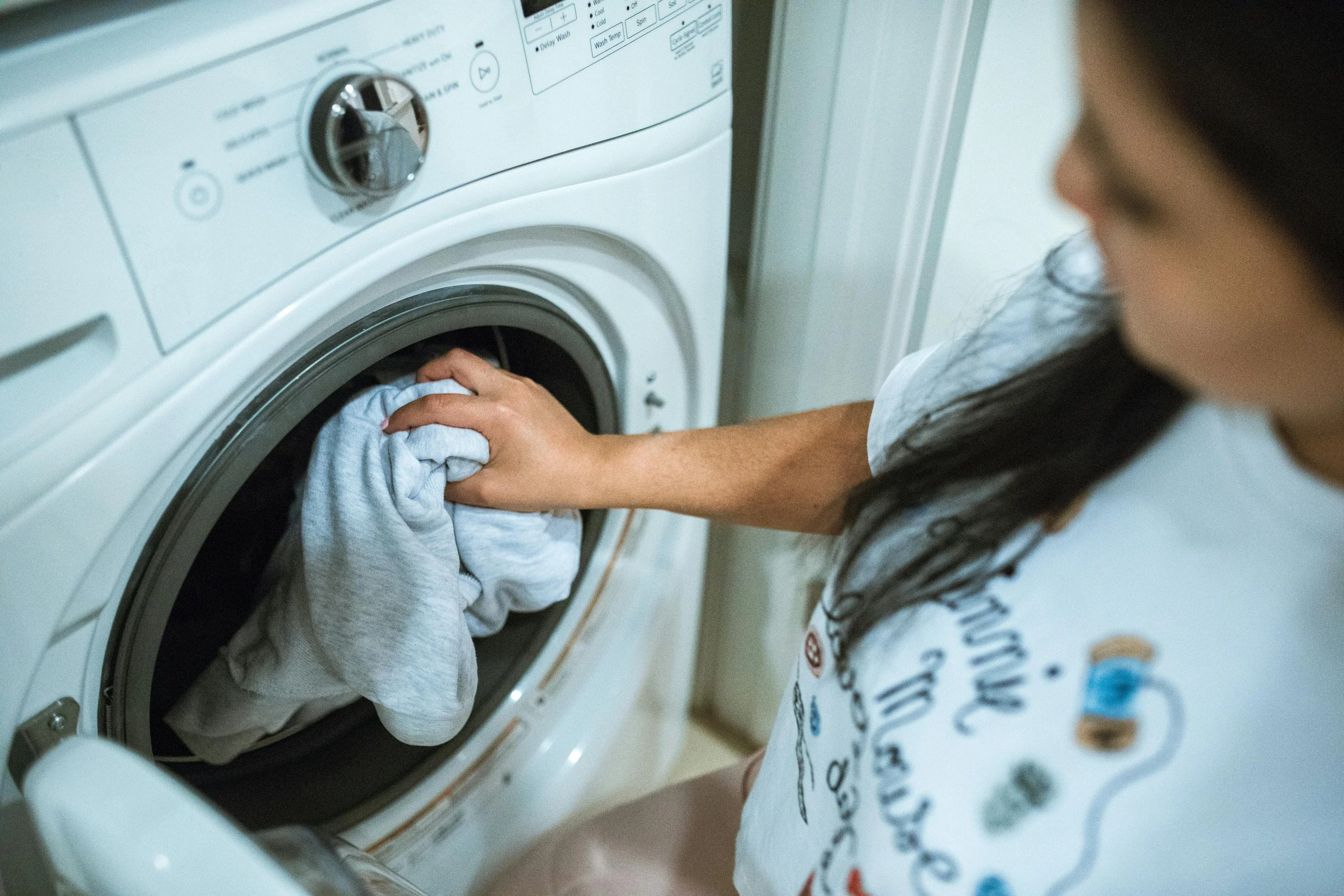
Laundry appliances are a good place to start. Washing machine hoses naturally age over time, and winter temperature swings can accelerate cracking or loosening at connection points. A quick visual inspection for moisture, bulging, or stiffness can prevent slow leaks that often go unnoticed until flooring damage appears. Dryers benefit from attention as well. Cleaning the lint filter is routine, but spring is an excellent time to make sure the exterior vent remains clear and airflow feels strong. Restricted airflow not only reduces efficiency but can also create unnecessary heat buildup.

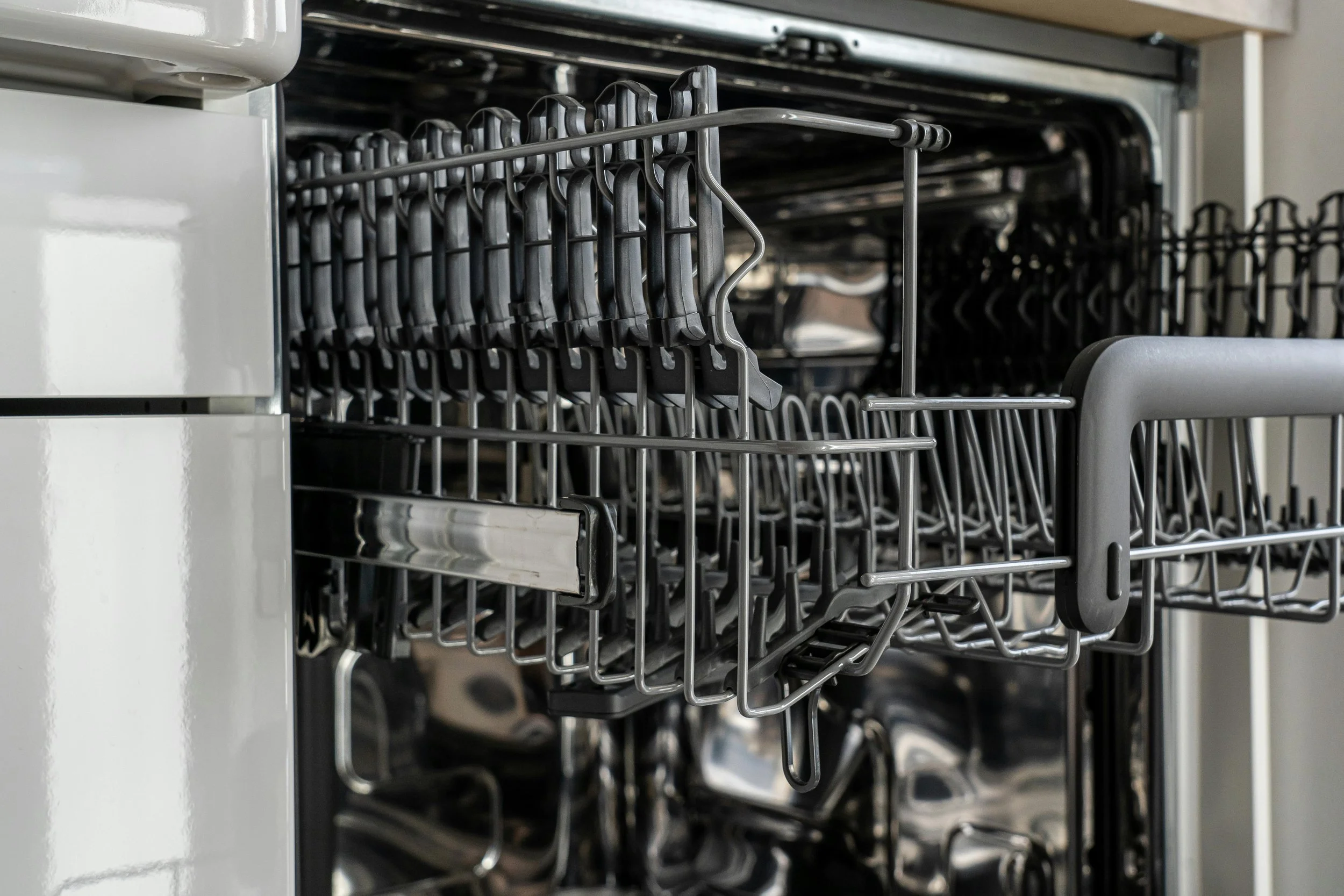
Dishwashers tend to show winter buildup in quieter ways. Filters and spray arms can collect grease or food residue, leading to unusual sounds or dishes that no longer come out fully clean. A simple cleaning cycle and a quick look at the door seal can restore performance without any technical work.

Refrigerators, one of the hardest-working appliances in the home, often reveal issues through subtle signs. Door seals may loosen, coils accumulate dust, and small amounts of interior moisture begin to appear. Ensuring the doors close tightly and keeping airflow areas clean helps the appliance maintain steady temperatures without overworking itself.

Cooking appliances also benefit from seasonal attention. After months of heavy use, ovens and ranges may carry grease buildup or residue that contributes to odors or uneven heating. Cleaning accessible surfaces and paying attention to performance changes helps identify concerns early without attempting repairs.
Courtesy of RDNE Stock project

Across all appliances, the goal remains the same: observe, clean, and maintain basic care. Anything involving wiring, internal components, or part replacement belongs in professional hands.


Warning Signs You Shouldn’t Ignore

Appliances rarely fail without warning. Most problems announce themselves quietly before becoming urgent.

Leaks are among the most important signals to take seriously. Water pooling near a refrigerator, dampness around washer connections, or unexpected moisture near HVAC equipment often indicates blocked drainage or worn components. Addressing these signs early helps prevent mold growth and structural damage inside the home.

Changes in smell also deserve attention. A musty odor may suggest trapped moisture or buildup, while a burning smell can indicate overheating or electrical concerns that should never be ignored. Even persistent food odors from appliances can signal cleaning or airflow issues affecting performance.

Noise changes are another common early indicator. Appliances naturally make sound, but grinding, rattling, or sudden increases in volume often point to wear on motors, belts, or moving parts. These sounds rarely resolve on their own.

Modern appliances may also communicate directly through performance changes or error messages. Longer cycle times, inconsistent temperatures, or recurring alerts typically mean the appliance is working harder than it should. Rather than waiting for a full breakdown, these moments are ideal opportunities to schedule an evaluation.

What a Professional Checkup Can Catch

While homeowner awareness plays an important role, professional maintenance provides a deeper level of protection.

Technicians are trained to identify early component wear, airflow restrictions, calibration issues, and drainage problems long before they become emergencies. Small adjustments, lubrication, or cleaning performed during a routine visit can significantly extend appliance lifespan and improve efficiency.

Spring inspections are particularly valuable because they prepare systems for the demands ahead. Cooling equipment begins ramping up for warmer weather, refrigerators face higher ambient temperatures, and laundry appliances often see increased use as seasonal routines change.

Courtesy of Lucie Liz

The goal of a professional check is not repair, but reassurance. Preventative service allows homeowners to move into the next season confident that their appliances are operating safely and efficiently.

A Seasonal Reset, Not an Emergency

Many homeowners wait until an appliance stops working before calling for service. By that point, options are often limited to urgent repairs or replacement decisions made under pressure.

Spring offers a different approach.

A simple seasonal checkup shifts appliance care from reactive to proactive. Instead of responding to failure, homeowners create stability before problems develop. Appliances run more efficiently, energy use remains predictable, and unexpected disruptions become far less likely.

As you open windows, refresh living spaces, and welcome a new season, your appliances benefit from the same reset. A little attention now helps ensure they continue supporting your home quietly, reliably, and without surprises in the months ahead.

If you want  to schedule an appliance checkup, give us a call, or visit our website to set up an appointment that fits your schedule. 

Website

Call : (214) 599-0055

Courtesy of ClickerHappy

New Year, Same Home: How to Start the Year Without Starting Over

Why the best New Year home plans start with maintenance, not makeovers.

Getting ready for the new year doesn’t have to mean setting your house back to zero. It doesn’t require ripping everything out, replacing perfectly good systems, or turning your January into a month-long stress test. Instead, the start of the year is a chance to take stock of where your home is now and prepare it to move forward in small, practical ways that pay off over time.

We tend to approach the new year with big ideas and even bigger goals. We make ambitious plans, vow to overhaul everything at once, and promise ourselves that this will be the year we finally get it all together. And then, somewhere around February, reality taps us on the shoulder. We burn out because we asked too much of ourselves too quickly.

Home maintenance doesn’t have to follow that pattern.

Rather than doing everything at once, let’s focus on the core tasks that truly matter at the beginning of the year, with additional items you can layer in as you have time or schedule out for later. Think of this as setting your home up for success, not demanding perfection from it.

Well-maintained suburban home in winter with clear gutters and snow-free walkway

Courtesy of Connor Danylenko


Start With Safety

Before you worry about efficiency, organization, or upgrades, start with safety. This step sets the foundation for everything that follows, and the good news is that it’s usually straightforward and inexpensive.

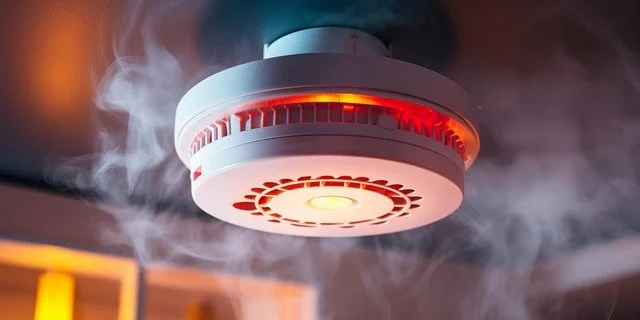
Test your smoke alarms and carbon monoxide detectors throughout the home. Batteries should be replaced twice a year, and if you haven’t done that yet, the start of the year is the perfect moment to reset that habit. While you’re at it, check the age of the devices themselves. Detectors don’t last forever, and older units may need to be replaced entirely.

Next, take a look at your emergency kits. Toss anything that’s expired, damaged, or missing pieces, and restock items like batteries, flashlights, and first aid supplies as needed. If you don’t already have enough food and water on hand to last about three days, now is a good time to correct that.

Update your In Case of Emergency contact list so phone numbers and providers are current. This list should include family members, close friends, neighbors, doctors, veterinarians, utility companies, and other essential services. Print a copy and keep it somewhere easy to find.

Homeowner testing a smoke detector on the ceiling for safety

Courtesy of u_rpnz0oibah

Finally, take a few minutes to review evacuation or disaster plans. That might sound dramatic, but it doesn’t have to be. Even a quick family conversation, pets included, helps everyone know what to do if the unexpected happens.


Preventative Maintenance

That first step was important, but fairly easy. Now it’s time to step things up just a bit and take a good look around the house.

Preventative maintenance is the quiet hero of homeownership. Small inspections and simple fixes done early can prevent much larger, more expensive problems later in the year.

Check for leaks under sinks, around toilets, and near your water heater. Even a slow drip can waste water and lead to damage over time. Inspect grout and caulking in kitchens and bathrooms and touch up any cracks or gaps before moisture becomes an issue.

Take a walk around the exterior of your home. Look for missing shingles, sagging gutters, or signs of water pooling near the foundation. Clear debris from gutters and downspouts so water can drain properly, especially during winter thaws.

Inside, tighten loose doorknobs, fix squeaky doors, and address small repairs you’ve been putting off. These tasks are easy to overlook, but they add up quickly when ignored.


Energy Efficiency

Still with us? Good. This is where effort starts paying you back.

Improving energy efficiency doesn’t require a major renovation. Start by checking for drafts around windows and doors. Cold air sneaking in during winter forces your heating system to work harder than it needs to. Weatherstripping and caulking are inexpensive fixes that can make a noticeable difference in comfort and utility bills.

Replace or clean HVAC filters according to the manufacturer’s recommendations, usually every one to three months. Dirty filters restrict airflow and reduce system efficiency. If it’s been a while since your heating or cooling system was serviced, scheduling a professional tune-up is a smart move.

Simple upgrades like switching to LED lighting or installing a programmable thermostat can also reduce energy use without changing how you live day to day.


Air, Water, and Ventilation Systems

This is the category that often gets overlooked, and it absolutely shouldn’t.

Air filters, dryer vents, and ductwork play a major role in indoor air quality. If filters are clogged or vents are blocked with dust, pet hair, or lint, your systems have to work harder and the air you breathe suffers. Clean or replace filters as needed, and consider professional duct or dryer vent cleaning if buildup is visible.

Pay attention to humidity levels in your home as well. Ideally, indoor humidity should fall between 30 and 50 percent. Levels that are too high can encourage mold and mildew, while air that’s too dry can damage finishes and affect comfort.

Water quality matters too. Sediment buildup in water heaters can reduce efficiency and shorten their lifespan. Flushing the water heater at the beginning of the year helps remove that buildup and keeps it running more effectively.

These tasks don’t just protect appliances. They protect your health and well-being.


Organization Now Is Financial Protection Later

This part isn’t glamorous, but it’s powerful.

The start of the year is an ideal time to update your home inventory. Go room by room and document electronics, furniture, appliances, and valuables. Take photos, record serial numbers, and keep receipts if you have them. Store this information digitally and back it up somewhere safe.

An up-to-date inventory makes insurance claims far easier if something goes wrong, whether that’s a fire, theft, or weather-related damage.

Organized home office

While you’re organizing, review warranties, manuals, and insurance policies. Make sure you know what’s covered, what isn’t, and when renewals are due. Declutter paperwork and digital files so important documents are easy to find when you need them.


Cosmetic Updates

If you’ve made it through the entire list and you’re still feeling good, we love that energy. Take a breath. You’ve handled the important stuff.

Now you get to have a little fun.

Bright living room with fresh paint, updated furniture, and natural light

Courtesy of maria-ovchinnikova

Cosmetic updates aren’t essential, but they’re rewarding. A fresh coat of paint, rearranged furniture, new fabrics, or finally replacing that dining table you’ve been talking about for years can make your home feel renewed without major disruption.

These changes are the reward for taking care of the behind-the-scenes work first. They remind you why maintaining a home is worth the effort.


Keeping Your Home Running Smoothly

While we can’t help with your HVAC system or your home’s organization, we can help keep your appliances running smoothly. At Appliance Rescue Service, we know how much your day-to-day life depends on the appliances you rely on most.

As the new year begins, take a moment to consider whether your appliances are performing as well as they did when you first bought them. If something feels off, sounds wrong, or just isn’t working like it used to, give us a call. We’re happy to help get everything back into tip-top shape, so your home can carry that fresh start feeling all year long.