How sounds, timing changes, and performance clues reveal hidden problems.
One of the most common tropes in any sitcom is the miscommunication where a character says something but means something radically different. When you’re sitting at home watching it, you might shout at the characters or hide your face out of embarrassment. “Why can’t they just say what they mean,” you bemoan. Your appliances can’t do that though, they can only communicate through their behavior. It can be tempting to ignore strange sounds and behaviors, but that doesn’t make them go away. Instead, we’re going to take a look at what different behaviors mean so that you are prepared if and when they do happen.
Instead, if you learn what matters versus what doesn’t you can be prepared for when things do show up.
Section 1: Sounds That Mean “Pay Attention”
For many of us, sounds are the first things we notice in our home. A squeak that doesn’t belong. A door opening when no one else is supposed to be home. A car horn three streets over in the middle of the night. Our sense of hearing, and what sounds belong in our homes, this is something that our brains are always cataloging, even if we don’t do it consciously. So, it makes sense that when your appliances start making new sounds, it’s time to pay attention. These are some of the sounds that might show up.

Courtesy of Bulat369
It might also happen that noises that are normal, grow louder with time. This can often be signalling a problem, such as loose bearings, worn motors or damaged belts. The last category that we pay attention to are rhythmic or repeating sounds. These aren’t always a problem, they might be an indicator that there’s some debris in a fan, or that something is blocking a spray arm.
Section 2: Timing Changes
Sounds aren’t the only behavior that your appliances communicate through. Timing is another one, although we only seem to notice when things go off. When your washer or dryer are taking forever to finish a load, it can be because there’s something wrong. Repeating stages is also a common sign for your dishwasher as well as your washer and dryer. They have to run a cycle a second or even third time in order to get the task finished.
With your dryer, you might be looking at airflow restrictions within the dryer or vents. It can also be that there’s an issue with the heater, or the sensors.
If your dishwasher is struggling to get dishes clean, one of the first places to look is the spray arms, and the sensors. These problems typically crop up when those are blocked.
Finally, your refrigerator might struggle to cool foods efficiently because the coils on the back are covered with dust, or the compressor is struggling.
Section 3: Result-Based Clues
Courtesy of RDNE Stock project
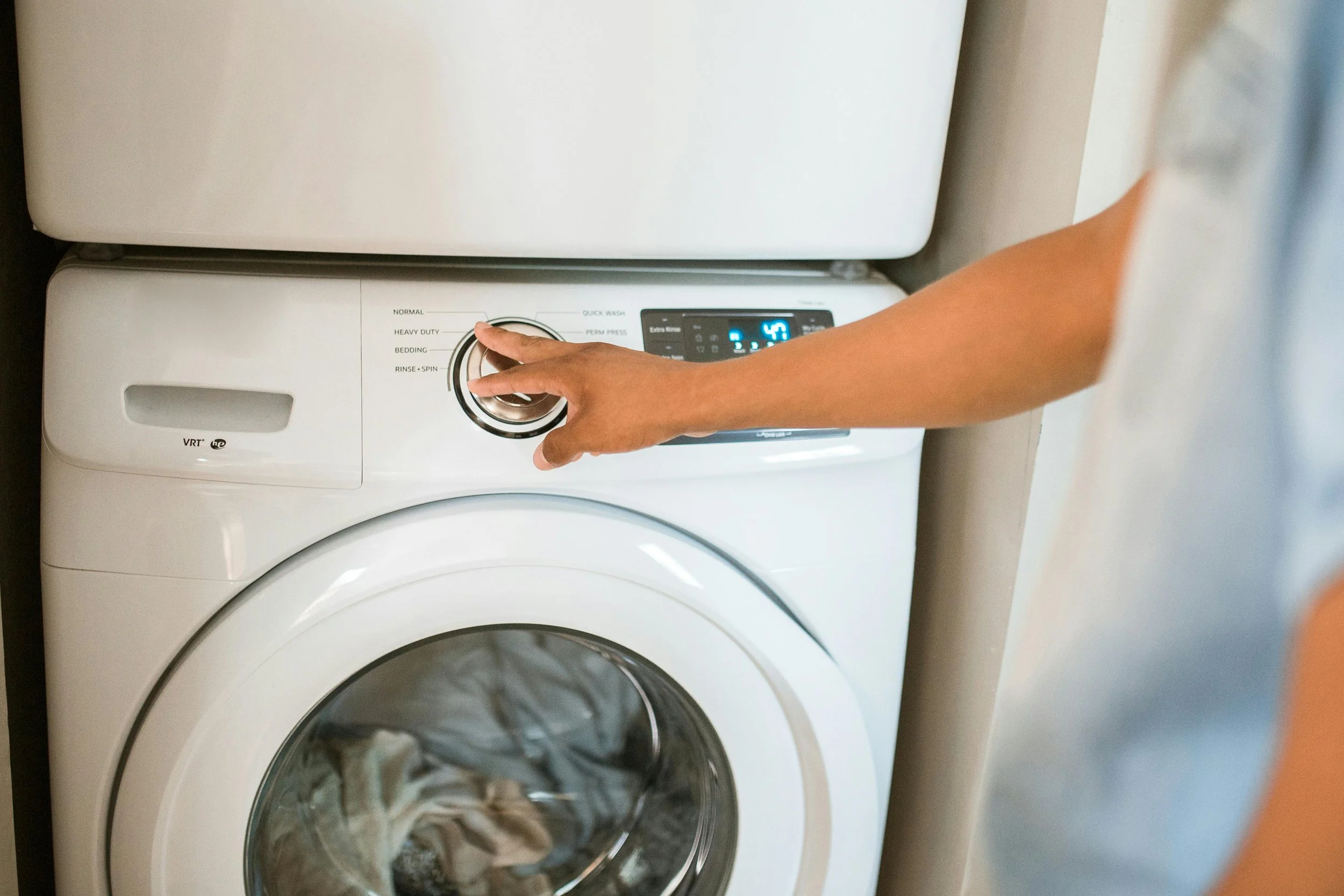
Your appliances can also signal trouble through their results. These clues show up when performance starts slipping, even if the machine is still running. You might notice dishes that are not coming clean, or clothes that are still damp at the end of a normal dryer cycle.
Temperature related appliances are especially good at revealing problems this way. Ovens may heat unevenly, refrigerators can develop warm spots, and freezers may start building excess frost. One off cycle is not usually a concern, but repeated performance issues are.
Common causes include blocked airflow, dirty coils, failing sensors, or worn heating elements. When the same result keeps showing up, it is worth paying attention.
Section 4: Error Codes Without Panic
Modern appliances have learned a new trick that older models never had. They can tell you, in their own limited way, when something is wrong. That’s what error codes and warning lights are for. They’re built in diagnostic signals, meant to flag that a system, sensor, or component is not behaving the way it should.
Seeing an error code on a display can feel alarming, but it doesn’t automatically mean the appliance is on its last legs. In many cases, an error code is simply an early warning. It might point to something straightforward like a blocked filter, a sensor reading that fell out of range, or a temporary overheating condition. Think of it as your appliance raising its hand, not sounding a fire alarm.
It’s also helpful to know what error codes are not. They are not always a final diagnosis, and they are not always a guarantee that a major part has failed. The same code can sometimes be triggered by more than one cause. That’s why checking the manual or the manufacturer’s code list is a useful first step. If the code clears and doesn’t return, it may have been tied to a one time condition. If it keeps coming back, that’s when it deserves more attention.
Newer appliances tend to show these warnings sooner than older ones because they use more sensors and tighter operating thresholds. They are designed to catch irregular behavior early, before it grows into a larger mechanical problem. While that can feel inconvenient, it often gives you a wider repair window and more options.
In other words, an error code is information, not a verdict. It’s a prompt to look a little closer and decide whether the issue is minor, maintenance related, or something that needs a professional eye.
Section 5: When Behavior Becomes a Problem
Just like us, your appliances can have off days. Maybe there was a power surge. Maybe a burner was dirty, or you had too much packed into your fridge. These things can cause issues with your appliances. What matters is when it becomes persistent, when you see a pattern to it.
Your appliances are much like small children or pets. Their behavior isn’t aimed at you, it’s the only way they can communicate. If yours are giving you trouble, it might be time to call in a professional to offer some explanation. When you need help, Appliance Rescue Service is here for you. We work with you to explain what’s going on, and find a time within your schedule so we can help get your home running smoothly again.
Call :(214) 599-0055
Additional Reading
Built to Last: What “Sustainable Appliances” Actually Mean