Your 2025 Appliance Report Card: What’s Working, What’s Failing, What’s Next

 A homeowner-focused breakdown of 2025’s features, failures, and the technology headed our way next.

Every January, the appliance world tries to convince us it has reinvented the wheel. The newest lineup rolls out with glossy marketing, big promises, and enough smart features to make you wonder whether your fridge is about to start offering life advice. And like clockwork, homeowners brace themselves for another round of “Is this actually useful, or is this just another thing that will need a firmware update?”

This past year was no exception. 2025 arrived with the usual enthusiasm, but instead of delivering a neat, predictable upgrade cycle, it turned into something far more revealing. Between the satisfaction studies, reliability reports, and real-world user feedback, the year pulled back the curtain on what’s actually working in our homes — and what’s quietly driving people up the wall.
Courtesy of Photo by Curtis Adams

What follows is an honest look at the products, features, trends, and misfires that shaped the appliance landscape in 2025. Not the showroom version, but the homeowner version: the one where the dishwasher either does its job or it doesn’t, and where “smart” still has to prove it means “better.”

Let’s take a look at what really happened this year.

Smarter Features… Everywhere

Manufacturers went all in on connected features. Smart fridges gave recipe nudges and more detailed temperature tracking. Ranges became mini command centers, with some adding weather access, internal oven cameras, and giant touchscreen displays.

Samsung’s Bespoke induction range is the poster child of this new era. Fast boil times? Great. Steady baking? Also great. A seven-inch display that lets you monitor your Ring doorbell and look up recipes while your food cooks? That’s where the industry is clearly headed — a hybrid between appliance and smart-home device.

On the opposite end of the pricing spectrum, Hisense quietly put out one of the best-performing French-door refrigerators in its bracket. No nonsense, steady temps, plenty of usable space, useful smart touches, and somehow still affordable. A refreshing shift.


Laundry Upgrades That Actually Meant Something

2025 wasn’t subtle about trying to reinvent laundry day.

GE leaned into practicality with antimicrobial coatings, smart soil sensors, and huge detergent reservoirs. Samsung’s next-gen wash tower handled detergent switching automatically and used AI to adjust cycles in real time.

Meanwhile, Electrolux continued its trend of quietly dominating stain removal. Their internal heater pushed sanitizing cycles well above the typical 120°F, which finally gave homeowners the level of cleaning manufacturers have been hinting at for years.


Premium Performance at Mid-Range Prices

This was the year value stepped forward. No more needing to drop a small fortune to get solid engineering and thoughtful features. Homeowners love premium performance, but what they love even more is not feeling swindled on delivery day.


Where Things Went Wrong

Of course, with every new idea comes the part manufacturers hope you won’t notice. Except… homeowners always notice.


Smart Appliances Caused More Problems Than They Solved

Courtesy of Mikhail Nilov

The reliability numbers weren’t kind this year.

  • 87 problems per 100 smart units

  • 63 problems per 100 traditional units

  • 92 problems per 100 units when people actually used the smart features


That last one says everything.

Younger buyers expected these features to work seamlessly. Instead, they got confusing menus, buggy apps, and connectivity issues that felt like the appliance equivalent of “sorry, have you tried turning it off and on again?”


Over-Complicated Controls Hurt Satisfaction

Across the board, satisfaction dropped. Durability, features, ease of use… all down.

The issue wasn’t lack of capability. It was excess. Too many settings, too many nested menus, too many features that sounded exciting in a product briefing but didn’t translate to real kitchens.

People don’t want to study to run a dishwasher. They want clean plates.


Design Choices That Had People Scratching Their Heads

Samsung made an otherwise excellent induction range with an… experimental burner layout. A 3:1 setup that practically begged users to tilt their heads and wonder who approved it.

That became something of a metaphor for the year: bold ideas that landed somewhere between intriguing and inconvenient.


Reliability Still Needs Work

Front-load washers topped the failure list. Smart refrigerators needed more service calls. Parts shortages dragged out repair times. And smart interfaces only stacked additional complexity onto already complex machines.

Reliability didn’t collapse in 2025 — but it certainly didn’t improve.



Courtesy of Tiger Lily

Where We’re Heading (and Why It Actually Looks Promising)

Despite the stumble points, the appliance industry seems poised for a calmer, more consumer-focused direction in 2026 and beyond.


Smarter — But Finally Simpler

Manufacturers appear to have received the message: homeowners don’t want an appliance that behaves like an overexcited smartphone.

The next wave of tech will likely center on:

  • Predictive maintenance

  • Energy monitoring

  • Intuitive interfaces

  • Smarter (and fewer) cycles

  • Troubleshooting that doesn’t require a tech dictionary


A refreshing pivot.

Energy Efficiency Is About to Take Center Stage

With energy costs continuing to creep upward and federal incentives still in play, expect the big players to double down on:

  • Eco modes

  • Heat pump technologies

  • Better insulation

  • Lower-draw compressors

Efficiency isn’t just a selling point anymore; it’s becoming a practical necessity.

A Big Replacement Cycle Is Coming

Dishwashers, refrigerators, and AC units are all entering natural replacement windows. Homeowners are going to be prioritizing:

  • Reliability ratings

  • Brand service networks

  • Warranty coverage

  • Actual performance over flashy add-ons


This is where brands like LG, Bosch, GE, and Whirlpool tend to thrive.

Premium Features Will Keep Drifting Down to Mid-Range Models

This trend started in 2025 and won’t be slowing down. Homeowners want value, not just hype, and the market is shifting accordingly.


Trust Is Becoming a Deciding Factor

After a year where satisfaction slipped, the brands that communicate clearly, support their products, and build dependable machines will win.


For all the noise around innovation this year, 2025 ended up being a reminder of something homeowners already know: the best appliances are the ones that work when you need them, don’t fight with you, and don’t turn every simple task into a small tech adventure. We all love a good feature upgrade, but reliability is still the thing that makes or breaks the relationship.

And that’s the part of the conversation that tends to get lost between press releases and product rankings — the reality that every home eventually needs service, maintenance, or a second opinion on whether a machine is worth fixing at all. When something stops behaving the way it should, it’s never about touchscreen specs or cycle names. It’s about getting your kitchen or laundry room back to normal as quickly as possible.

If that moment ever hits your home, that’s where Appliance Rescue Service steps in.
This is what we do, every day: diagnose the real issue, give you an honest assessment, handle repairs with care, and help you get more life out of the appliances you’ve already invested in. No drama, no pressure — just experienced techs who understand the machines and the homeowners behind them.

When the data gets messy or the smart features get too clever for their own good, you don’t need a new app. You just need someone who can fix the problem.
ARS is here when you need us.

Website

Call: (214) 599-0055


Your 2025 Gift Guide: Thoughtful Picks for Every Homebody, Host, and Handyman

Finding the perfect gift shouldn’t feel like a seasonal sport. Whether you’re shopping for someone who thrives on cozy nights in, the friend who can’t help but host every gathering, or the person who always has a tool in their hand “just in case,” there’s something here for everyone.

This curated list brings together comfort, creativity, practicality, and a little unexpected joy—all with homeowners in mind. If you want meaningful, high-quality gifts that feel personal (and won’t end up shoved into a closet until spring), this guide has you covered.


For the Homebody

We all know someone who would happily trade a night out for soft blankets, warm lighting, and a relaxed evening in their favorite corner of the house. Maybe they work from home, maybe they’re recovering from a high-stress job, or maybe they just value peace and quiet more than anything.

To help them build their perfect winter retreat, here are a few gifts that make staying home even better:

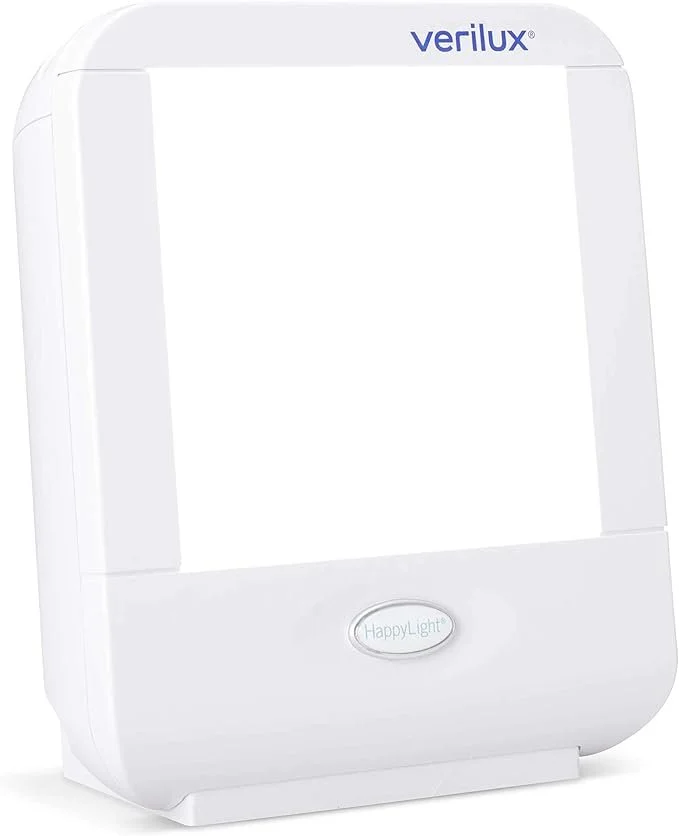
✨ Light Therapy Lamp

A gentle boost of sunshine for the darkest months of the year. It helps support mood, energy, and routine—perfect for the homebody who thrives on consistency even when daylight disappears early.

✨ Window-Mounted Hanging Desk

If their favorite room is more window than wall, give them the gift of function without drilling holes or rearranging furniture. This clever desk mounts directly to almost any window, creating a bright little workspace (or puzzle spot) that keeps them connected to the daylight they do get.

✨ Paint Anywhere Christmas Kit

When boredom creeps in with the early sunsets, give them a creative escape. These paint-by-number holiday kits come in several designs—though the mountain scene is especially soothing—and offer a cozy, screen-free way to unwind.

✨ Heated Throw Blanket

The ultimate winter staple. This plush heated throw keeps them warm, cozy, and happily cocooned until spring decides to return.

✨ The nodpod Sleeping Mask

Weighted, soft, and surprisingly effective, this mask turns any nap or bedtime routine into a luxurious moment of calm.


For the Host or Hostess

A host gift is always appreciated—but not every host wants another bottle of wine, and not every gathering calls for the same old standbys. If you’re visiting for an evening (or staying for the whole weekend), bring something thoughtful, charming, and genuinely useful.

✨ Paper Vase Wraps

If you know they love fresh flowers but don’t own a vase they’re proud of, solve two problems at once. These water-resistant paper wraps slip over almost any vase—or even a water bottle—to instantly brighten a room. Simple, elegant, and endlessly reusable.

✨ Bee Print Cocktail Napkins or Coasters

Stylish, sustainable little touches that add personality to any tablescape. Perfect for the host who loves detail and charm.

✨ Animal Icon Photo Holders

For the host who loves fun touches at the dinner table. These adorable place-card or photo holders bring a bit of whimsy to their next gathering.

✨ Kokedama Plant

Ideal for the host who wants greenery but not the upkeep. These Japanese moss ball wrapped plants require only occasional soaking and look gorgeous anywhere—from entry tables to kitchen windows.

✨ “Not Fried Chicken” Ice Cream

For the joker in your life, bring a treat that looks exactly like fried chicken but is actually ice cream. It’s the unexpected, delightfully weird surprise that guests won’t stop talking about.

✨ Compartés Artisan Chocolates

A lovely gift for the host who deserves a treat after everyone leaves. Pair with a handwritten note for a heartfelt thank-you.


For the Handyman

Your favorite fixer-upper, tinkerer, or DIY enthusiast deserves tools that make their life easier—and maybe even save them a few steps (or a few swear words). These gifts work hard, just like they do.

✨ The Muscle Duffle

A heavy-duty canvas bag with enough space for tools, gear, or an overnight stay. Leather-trimmed handles and durable brass hardware keep it stylish and sturdy, while the customizable monogram makes it personal. It’s rugged, reliable, and ready for any project.

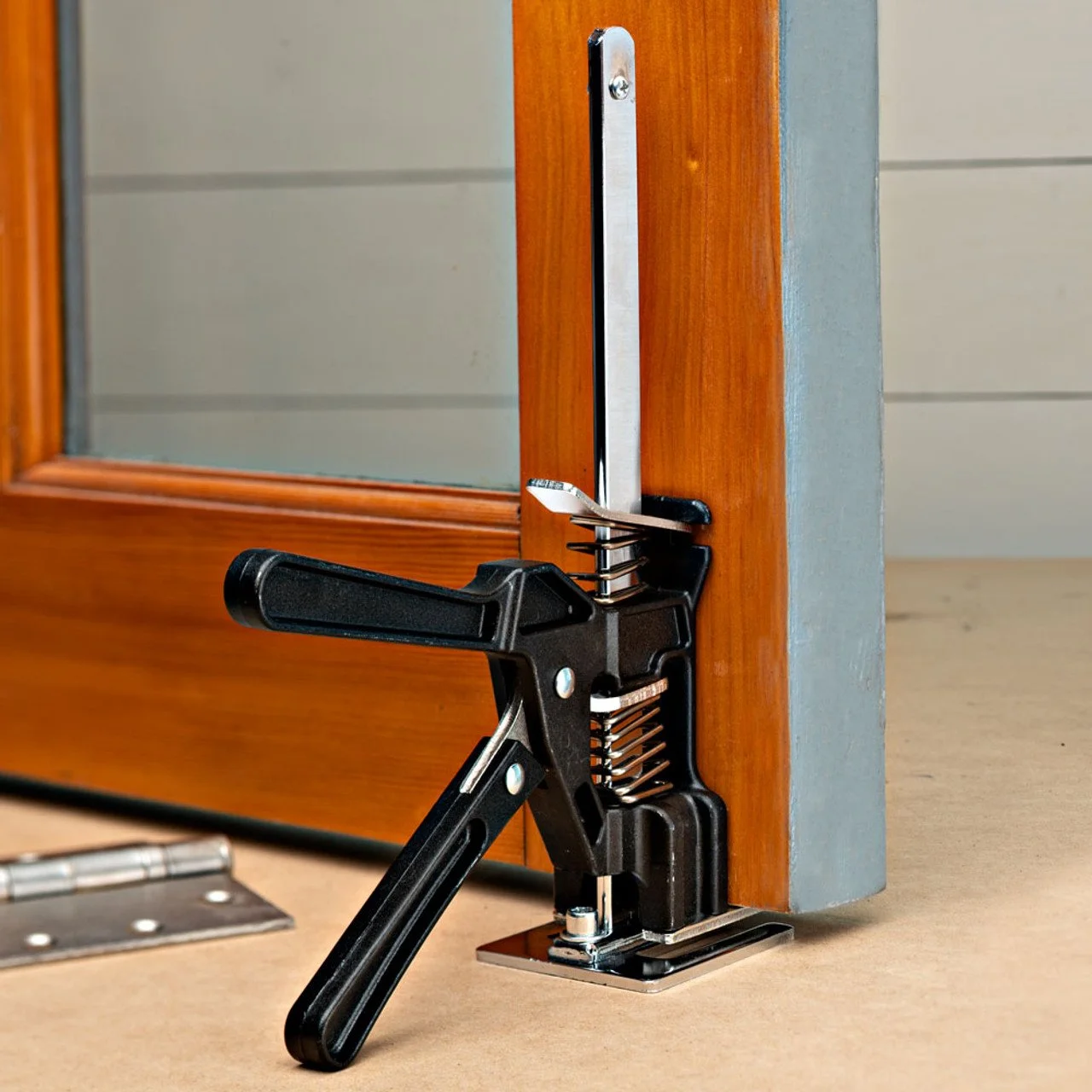
✨ Hand-Powered Lifting Jack

A small tool with massive impact. Each jack can lift up to 300 lbs and helps with tasks that normally require multiple people: leveling drywall, hanging doors, lifting cabinets, adjusting tiles, building decks, installing HVAC systems, even acting as a clamp for construction or woodworking. With a simple squeeze and quick-release mechanism, this tool becomes indispensable. Honestly, they might want two.


When the Holidays Get Busy… Don’t Stress About Your Appliances

None of these gifts have anything to do with your major household appliances—and that’s perfectly fine. You shouldn’t have to worry about those this time of year.

Your home should run smoothly all year long. But if that isn’t the case, Appliance Rescue Service is here to help. We can schedule a maintenance check before guests arrive or take care of any appliance that isn’t keeping up with the season—ovens, stoves, fridges, freezers, dishwashers, ice makers, washers, and dryers.

At ARS, there isn’t a major appliance we can’t handle. So if you’re juggling more than just gift shopping this winter, give us a call. We’ll take care of the rest.

Website

Call: (214) 599-0055


Courtesy of Matthias Cooper

The Smart Home Reality Check: What Works, What Fails, and What Gets Weird

A deeper look at how modern living is reshaping the electrical needs of today’s homes

If you grew up imagining a future like the Jetsons or Iron Man, with flying cars, robot maids and your house managing all your day to day issues, the IoT probably felt like the next logical step. Lights that you could turn on with a command. Thermostats that learn when you get home and when you go to work, to best match your needs. Doorbells that know your neighbors versus unexpected visitors! 

But somewhere along the way we went from “Hey Google, play jazz” to “Hey Google? Please stop turning my lights purple at 3 am” and things have just gotten weirder with every passing year. 

For every moment of true ease and convenience, there’s several more where your smart home behaves like a haunted house of old. Or perhaps more it’s having an existential crisis as it tries to figure out which of three thousand different programs it needs to run, to interact with one specific portion of your home. 

So today, we’re doing a reality check:
Smart home tech — when it helps, when it hurts, and when it definitely needs a time-out.

Let’s start with the good, the questionable, and the “why is my lamp talking to me?”


1️⃣ Pro: Convenience That Actually Feels Magical

You can turn off the whole house from your phone. Adjust the thermostat from bed. Spy on your dog from the grocery store. It’s the dream. And that’s just the basic stuff that smart devices come with out of the box. That’s not even counting what you can get up to with interconnecting devices and setting up routines, or using a site like If This Then That. 

1️⃣ Con: …When It Works.

Courtesy of Geri Tech

But, then there’s the rest of the time. Your smart lock forgets you exist, your voice assistant can’t understand you unless you speak Klingon, and your routine called “Goodnight” turns everything off—including the Wi-Fi and your will to live. How are you supposed to figure out which systems there are, which networks everything is on, and get it straightened out? 


2️⃣ Pro: Real Security Benefits

Smart homes have completely changed security in the modern day, and it’s possible to build your own all in one set up, and know that your home is safe, no matter where you are. Cameras, sensors, alerts, and automated lighting make your home safer and more responsive.
Motion-detected floodlight? Amazing.
Phone alert that your door is unlocked? Useful. 

Doorbell showing you that someone is at the front door? Fantastic! 

2️⃣ Con: Devices That Are So Vulnerable It Feels Like a Prank

But then there’s the other side of things. You expect devices that are inside your home to be safe, and ones that are around your kids, even more so. Yet we’ve already had teddy bears leaking kids’ voice messages and baby monitors that allowed anyone to log into. At this point,  “secure” is stretching the definition more than silly putty.
Some devices come with passwords like “1234,” which feels less like security and more like a polite invitation to hackers.  And how many of them tell you how to go about changing the basic password? 


3️⃣ Pro: Energy Efficiency on Autopilot

Home efficiency is one we talk about a lot, as we’re always looking to help you cut bills when possible. Smart thermostats and connected devices help you reduce waste, cut bills, and keep an eco-conscious home without thinking about it.

3️⃣ Con: The Digital Ghost of the Previous Homeowner

Courtesy of Yan Krukov

If the last owner loved waking up at dawn, guess what?
So will you.
Lights turn on. Shades rise. Thermostats cook the house at midnight.
Some systems are so deeply programmed you’d need a séance—or a $99 subscription hub—to undo it.


4️⃣ Pro: Interconnectivity & Automation

When it works? Bliss. Your lights, locks, AC, and security system all play nicely together. You walk in the door and the house greets you like an enthusiastic golden retriever. It can be amazing and make your life much easier. 

4️⃣ Con: Interconnectivity… and Chaos

But when it doesn’t work?
Devices disappear. Automations fail.
Your hub claims your living room doesn’t exist.
And Google Home users are out here performing full exorcisms just to get the kitchen lights back online.
And it takes someone who knows what they’re doing, understands all of the systems you have, or is capable of writing custom programs to make everything play nice. And then you pray that nothing updates and throws everything you’ve done out the window. 


5️⃣ Pro: Smart Homes Can Make Life Genuinely Better

This is the big one, the one that many of us dream of in some shape or form.
For accessibility, mobility limitations, aging in place, busy families, or just “my thermostat is across the house and I’m not wearing real pants,” smart tech can be a game-changer.

5️⃣ Con: But Only If It Isn’t Weaponized or Compromised

Here’s the biggest downside:
Smart home systems can be used for stalking, harassment, or controlling behavior.
Partner abuse cases now commonly include things like:

  • Remotely blasting heat or cold via the thermostats

  • Monitoring conversations

  • Accessing cameras

  • Manipulating locks, lights, and alarms

It’s the worst-case scenario—and it’s happening more often than people realize.


Your Smart Home Should Work For You — Not Against You

Smart home technology isn’t going anywhere. And honestly? It shouldn’t.
When it works, it adds comfort, convenience, and safety to our daily routines. 

But when it glitches, breaks, ghosts you, or acts possessed by the previous owner’s settings… it’s less “Jetsons” and more “Poltergeist.”

So when it comes to holiday sales and everyone getting new devices for their home thanks to the great deals, give it some consideration before you bring in something new. 


While we can’t help with untangling your smart home, we can and do help with your appliances. From the oven to the washer, the freezer to the dryer, Appliance Rescue Service is here for you. We can help you get your appliances up to snuff for the holidays, whether they need repairs or just a quick maintenance check. 

Website

Smart devices are getting too smart Courtesy of kindel media

Call: (214) 599-0055


Retrofitting Homes for Tomorrow: Managing Rising Energy Needs

A deeper look at how modern living is reshaping the electrical needs of today’s homes

Courtesy of Boyan Chen

Homes in the Dallas–Fort Worth area don’t look or operate the way they used to, and frankly, they can’t. As our summers run hotter, our neighborhoods grow denser, and our families adopt more technology, the demands placed on our homes—and on the electrical grid that supports them—are increasing faster than many homeowners realize. The conversation around retrofitting isn’t just about “making a house more efficient” anymore. It’s about ensuring that older homes can safely meet modern expectations, and newer homes are prepared for the next decade of growth.

And with the amount of discussion surrounding grid stress in Dallas and the surrounding communities, homeowners are understandably paying closer attention to the systems that power their daily lives.

The Pressure on the Modern Home

For decades, homes were designed around predictable electrical patterns. A couple of major appliances, a traditional HVAC system, a reasonable number of outlets—it was enough. But today, that same house may be supporting electric vehicles, high-powered kitchen appliances, networked home offices, multiple entertainment systems, smart devices in nearly every room, and HVAC systems working overtime to keep up with increasingly extreme temperatures.

In many older neighborhoods, the electrical panels and circuits simply weren’t built with this level of usage in mind. Even newer construction is being forced to evolve rapidly, designed less like a simple shelter and more like a mini energy hub. And the strain doesn’t stop at the front door—the local grid feels it as well. During peak summer heat, when nearly every household is running its air conditioning at full tilt, Dallas sees predictable spikes that stretch the grid close to its limits.

This is where retrofitting steps in—not as a luxury, but as a practical and increasingly necessary strategy.

Retrofitting as a Response to Rising Demand

Retrofitting isn’t one thing. It’s a collection of thoughtful upgrades that help a home function efficiently, safely, and sustainably in a landscape where energy use trends continue to rise.

For many homeowners, the first step is addressing the electrical system itself. Older breaker panels may not have the capacity to support EV chargers, modern HVAC units, or high-powered appliances without risking overloads. Upgraded panels, expanded circuits, and smarter load-management systems allow the home to distribute electricity effectively, reducing strain and preventing outages.

Beyond electrical capacity, the efficiency side matters just as much. When a home wastes less energy, the demand on the grid—and on a homeowner’s wallet—drops significantly. Improved insulation, air sealing, modern HVAC units, and high-efficiency appliances work together to reduce unnecessary power consumption. It’s not just about being “more eco-friendly”; it’s about creating a home that doesn’t need to fight its own inefficiencies just to stay comfortable.

Courtesy of Sebastian Ganso

And increasingly, many homeowners are looking beyond simple upgrades and adding renewable solutions like rooftop solar and home battery storage. These aren’t status symbols—they’re practical tools for offsetting grid reliance, smoothing out peak demand, and providing resilience during outages. In a region where storms, heat waves, and high-usage periods can cause sudden disruptions, this kind of stability matters.

Future-Proofing the Home

A key point in your research stands out clearly: retrofitting isn’t just about solving today’s problems. It’s about anticipating tomorrow’s.

Electric vehicles are becoming commonplace. Smart home technology is only expanding. Appliances are becoming more advanced, often requiring dedicated high-capacity circuits. And the local grid, as it stands, cannot simply scale at the same pace as consumer demand.

The homeowners who retrofit now aren’t just upgrading—they’re preparing. A future-proofed home is one that can handle tomorrow’s appliance upgrades, unexpected heat waves, and evolving technology without requiring an emergency overhaul. This preparation is particularly important in Dallas, where growth is constant and grid conversations are growing louder.

The Challenges Homeowners Face

None of this is without complications. Upgrading a home comes with real costs, and not every neighborhood has the infrastructure to fully support modern electrical capacity. Skilled professionals are essential, and the pace of technological change can be intimidating. But the research makes one thing clear: doing nothing isn’t a sustainable long-term option.

As electrical demand rises, older systems will feel the strain. Homeowners who invest in smart upgrades—whether small steps like LED lighting or major changes like panel replacements—benefit from reduced bills, increased safety, and a home that’s ready for the future instead of fighting against it.

Where This Leaves Dallas Homeowners

It leaves them at a crossroads, but a promising one. Retrofits, upgrades, and efficiency improvements aren’t simply trends—they’re the natural evolution of modern living. They protect the home, ease the burden on the grid, and give homeowners greater control over their comfort and costs.

Dallas is growing, changing, and electrifying, and our homes are changing with it. The shift toward future-proofed, energy-conscious design is no longer reserved for luxury builds. It’s becoming the standard, and homeowners who embrace it early will feel the benefits for years to come.


While Appliance Rescue Service can’t retrofit or build your home electrical system, we are dedicated to keeping the systems inside your home running smoothly. Whether it’s an oven that won’t heat properly or a freezer that refuses to get cold enough, we’re here to help. When your home’s appliances need expert care, count on us to keep everything operating the way it should.

Courtesy of Pixabay


Website
Call: (214) 599-0055

Appliance Repairs, Manufacturer Roadblocks, and Your Right to Choose

You paid for your appliances. Shouldn’t you be able to fix them?

It’s frustrating when an appliance you rely on starts to fail — especially when the fix turns out to be simple, but the manufacturer won’t let anyone but their technicians handle it. Maybe you’ve been told parts are “unavailable,” or that using a local repair company might void your warranty. It’s enough to make anyone wonder: who actually owns this appliance — you or the manufacturer?

That question lies at the heart of the Right to Repair movement. It’s about more than fixing a fridge or a washing machine — it’s about your right, as a homeowner, to decide what happens to the things you’ve paid for.


What is the Right to Repair?


The “right to repair” refers to consumers’ and independent repair providers’ ability to access the parts, tools, documentation, firmware and other resources needed to diagnose, maintain, or repair a product that they own. According to The Repair Association, the movement is grounded in the principle: “You bought it, you own it. Period.”In practical terms, a right-to-repair regime would require manufacturers to make available, on fair terms, the same service manuals, replacement parts, diagnostic tools and software updates that their authorized repair networks use.
Historically the issue has grown because as more home appliances and other products incorporate embedded software, sensors, proprietary tool-locks and “paired” parts, consumers and independent shops increasingly find themselves locked out of repairs unless they go through the manufacturer’s authorized channel.
For homeowners and appliance repair companies alike, the right to repair means that when a refrigerator, washer, dryer or other household appliance fails, the owner (or a trusted local technician) should have the choice to repair it — not be compelled to replace it or send it to a factory-only repair facility.


 Why is it important?


The right to repair is important for a number of intersecting reasons: economic, environmental, consumer-rights and market-competition.
From the consumer’s side, restricting access to repair tools and parts can raise costs, delay fixes, reduce choice and push replacement instead of repair. As the Federal Trade Commission concluded, “lack of repair options increases costs to consumers.”
From the environmental side, enabling repair helps extend product lifespans, reduce waste and mitigate the resource and energy consumption involved in manufacturing and disposal.
From the market side, when only manufacturer-authorized repair channels exist, independent and local repair businesses are locked out, reducing competition and consumer choice. As one explainer puts it: “Repair restrictions have squeezed independent repair shops, which are overwhelmingly small, local businesses.”
And finally, from the consumer-rights side, when you buy a product you expect to own it, use it, maintain it and repair it — not be forced into “licensing” your product or being captive to a manufacturer’s repair monopoly. Taken together, these factors make the right to repair a foundational issue for homeowners who rely on appliances, for local repair businesses that serve homeowners, and for a fair, sustainable marketplace.


Courtesy of Vikas Raghav.

Why do we want it?
We want the right to repair for several key reasons.
First, because it restores choice and control: homeowners gain the ability to have their appliance fixed (or make themselves the choice) rather than being forced into expensive replacements or manufacturer-only service. This means fewer surprises, less frustration and potentially lower lifetime costs for appliances.
Second, because it supports competition: when independent repair shops – especially local ones – have access to the same parts, tools and information as authorized channels, they can offer competitive pricing, faster service, and more convenience. According to Congress’s record, “Independent repair shops frequently offer lower prices than larger manufacturers.”
Third, because it aligns with sustainability: enabling repair keeps appliances in service longer, reduces e-waste (and the associated environmental damage), and makes the most of the resources already invested in the product.
Finally, because it strengthens community-based businesses: small, local appliance repair companies are plugged into their neighborhoods, know homeowners by name, provide personal service and invest locally. Giving them a level playing field helps local economies — not just big manufacturer service-networks.


Why does this matter to you, as a homeowner?
For homeowners served by a local company like Appliance Rescue Service, the right to repair means more reliable, affordable, timely service when an appliance breaks. When independent local repair shops have unfettered access to OEM parts, tools, repair documentation and software diagnostics, they can offer faster turnaround, lower fees and more flexibility (for example, offering used or aftermarket parts when appropriate).
In practical effect: if a homeowner’s refrigerator starts malfunctioning, a local technician can diagnose the problem onsite, order the correct part quickly (rather than waiting several days for “authorized dealer only” parts), and complete the repair — avoiding a full replacement or extended downtime. That saves the homeowner money, keeps their household running smoothly, and supports local businesses

.
From the business side, when repair restrictions are removed, local repair shops don’t have to steer homeowners toward costly manufacturer-only service or replacement. They can compete, maintain a margin, and grow, which means they can reinvest in training, tools, stock parts, and rapid response, which benefits homeowners in turn. As noted in policy discussions: repair restrictions “negatively impact small firms by raising costs and limiting repair options for small businesses that depend on machinery.” While that quote was directed at agriculture, the same logic applies to appliance repair.
When homeowners know their local repair shop is equipped, empowered and fairly able to service their appliance, it builds trust, promotes home appliance longevity, and spares costly “replace-because-repair isn’t affordable” outcomes.


What does it mean if we as Americans don’t have the option for right to repair?
If Americans lose or never secure the right to repair, the practical consequences ripple through homeowners, repair businesses, communities and the economy. For homeowners: repair costs will likely stay higher, service options fewer, downtime longer, and replacement more common as the default — which means more money out of pocket, more waste, less flexibility.
For local repair shops: restricted access means fewer tools and parts, higher overhead, dependence on manufacturer channels, less ability to serve their community, higher prices, fewer jobs, and weaker local economies. For instance, independent shops may have to charge more or wait longer for parts, decreasing competitiveness.


For communities and the environment, more appliances get discarded instead of repaired, increasing waste streams, piling up in landfills, consuming more manufacturing resources, and generating more emissions. Homeowners may feel powerless, and repair becomes unaffordable for many — disproportionately those in rural or low-income communities, where local repair shops often fill the gap. For the broader market, a repair monopoly by manufacturers means less competition, less innovation in repair service business models, fewer choices for consumers, and fewer incentives for appliances to be made repair-friendly. Simply put: lack of the right to repair stifles choice, increases cost, rewards replacement over repair and undermines local service capacity.


If we don’t act, homeowners may increasingly be forced into either buying new or paying high authorized‐dealer rates, local repair shops may shrink or disappear, and our built-in household infrastructure (appliances, etc.) will become more disposable and less resilient.


As homeowners, we’re not just customers — we’re caretakers of the homes we’ve built and the things that keep them running. The Right to Repair is one small part of protecting that independence. When we lose the freedom to fix what we own, we lose control over cost, convenience, and even sustainability in our own homes.

At Appliance Rescue Service, we believe every homeowner deserves honest, affordable repair options — not locked systems and forced replacements. Our technicians take pride in helping Dallas-area families extend the life of their appliances through reliable, local service.

Call: (214) 599-0055
Website