HVAC efficiency

These Common Summer Habits Could Be Making Your Appliances Work Harder

From refrigerators and dryers to your air conditioner, a few common summer habits may be making your appliances work harder than they need to. 
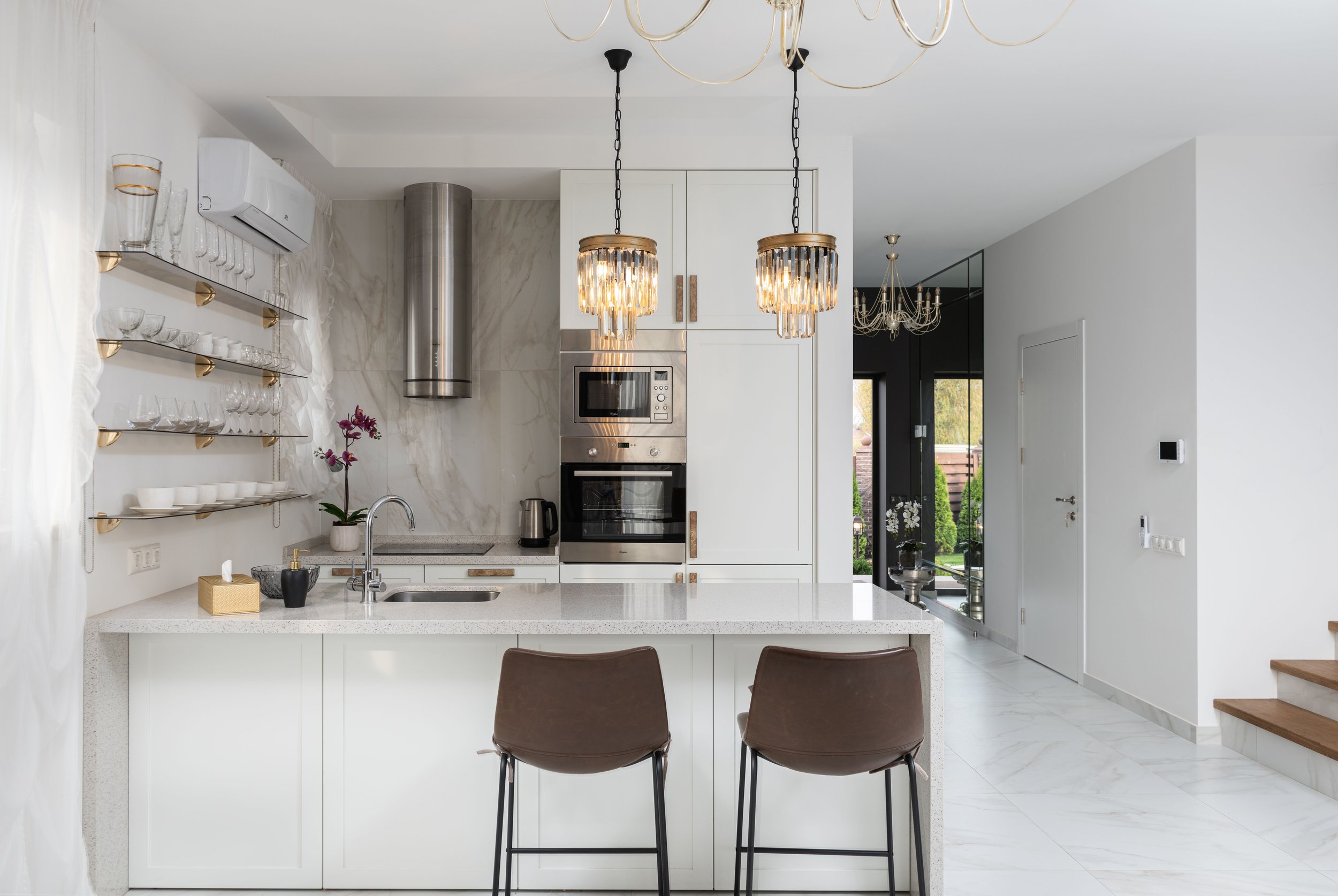
Sunlit family kitchen during summer with household appliances working to keep the home comfortable.

Courtesy of Art Bovich

When temperatures climb into the triple digits, most homeowners expect their air conditioner to work a little harder. After all, keeping a house cool during a Texas summer is no small task.

What many people don't realize is that the air conditioner isn't the only appliance feeling the heat.

Your refrigerator, freezer, dryer, dishwasher, and even some of your everyday household routines can create extra strain on appliances during the hottest months of the year. In some cases, seemingly harmless habits can lead to higher utility bills, reduced efficiency, and increased wear and tear on the appliances you rely on every day.

The good news? A few simple adjustments can help your appliances perform more efficiently while making life a little easier on your home's cooling system.

Opening the Refrigerator Like It's a Grocery Store Display

During the summer, it's natural to reach for cold drinks more often. Kids are in and out of the house, guests stop by, and everyone seems to be looking for something refreshing.

The problem is that every time the refrigerator door opens, warm air rushes inside.

Homeowner searching through an open refrigerator during a hot summer day.

Courtesy of Toàn Đỗ Công

Your refrigerator then has to remove that heat and restore the proper temperature. During a heat wave, when the appliance is already working harder to keep food cool, frequent door openings add even more strain.

Instead of standing in front of an open refrigerator deciding what sounds good, try planning ahead. Gather everything you need at once and close the door promptly. It may seem like a small habit, but over time it can make a noticeable difference.

Overloading the Fridge Before a Party

Summer is prime time for backyard cookouts, family gatherings, and holiday celebrations. It's also the season when many homeowners suddenly find themselves trying to squeeze an entire grocery cart into the refrigerator.

While having plenty of food on hand is great for entertaining, an overcrowded refrigerator can restrict airflow inside the appliance. Cold air needs room to circulate in order to maintain consistent temperatures throughout the compartment.

If airflow becomes blocked, certain areas may stay colder than others, causing the refrigerator to work harder to maintain the proper temperature.

A little organization can go a long way. Keeping shelves reasonably clear allows air to circulate more freely and helps the appliance do its job more efficiently.

Ignoring the Space Around Your Refrigerator

Most homeowners rarely think about the area behind their refrigerator.

Out of sight often means out of mind.

However, refrigerators need adequate airflow around them to release heat. When a unit is pushed tightly against a wall or surrounded by dust and debris, that heat becomes more difficult to dissipate.

The result is a refrigerator that has to work harder than necessary.

Summer is a great time to pull the appliance out carefully, vacuum accumulated dust, and make sure there's adequate clearance around the unit. It's not the most glamorous household task, but your refrigerator will appreciate it.

Running the Dryer During the Hottest Part of the Day

Laundry doesn't stop just because it's hot outside.

However, when you run the dryer in the middle of a summer afternoon, you're essentially adding another heat-producing appliance to a house that's already battling outdoor temperatures.
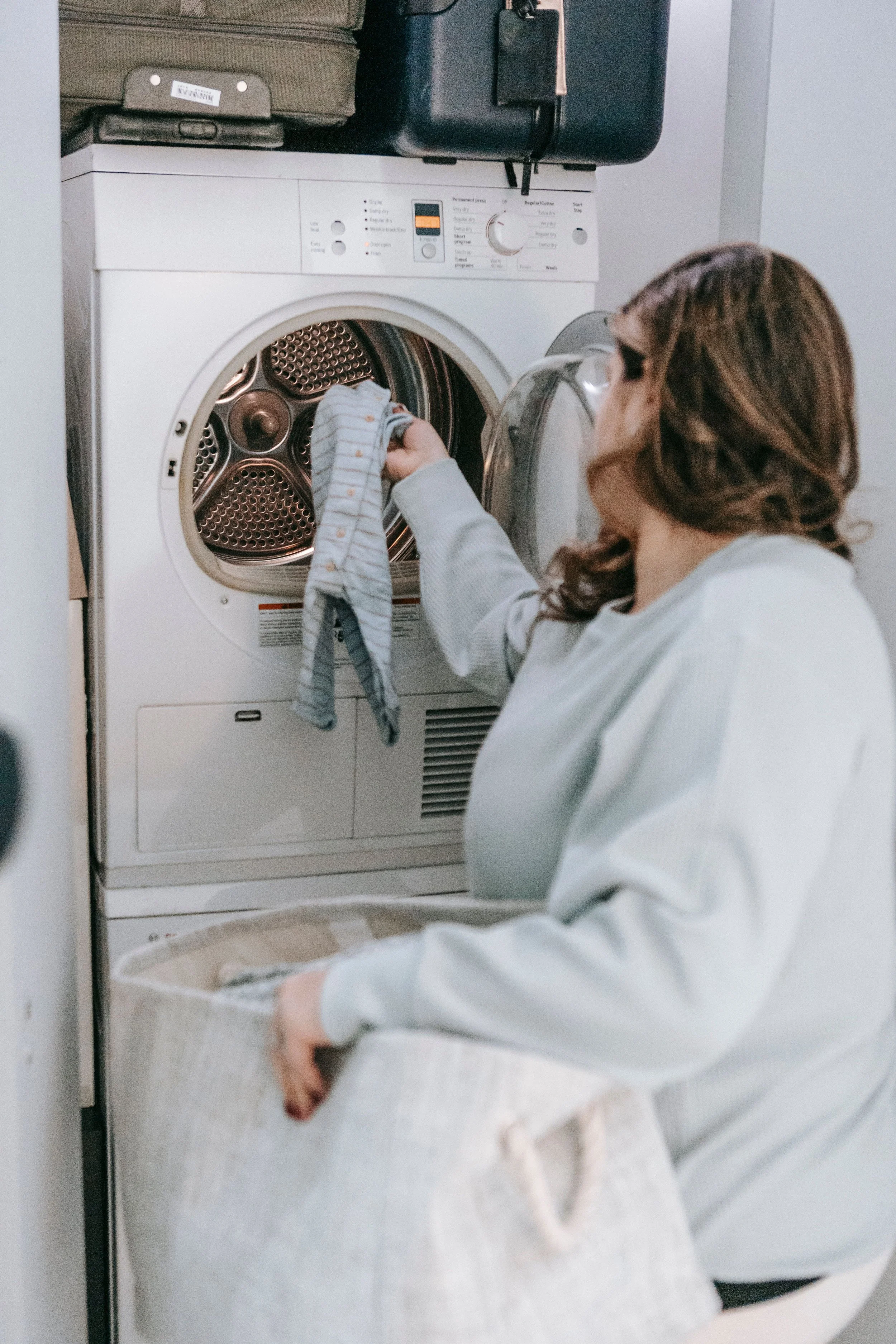
Clothes dryer operating in a residential laundry room during summer.

Courtesy of Sarah Chai.

That extra heat can make your air conditioner work harder to maintain a comfortable indoor environment.

If possible, consider running laundry in the early morning or later in the evening when temperatures are lower. Some homeowners also find it helpful to run multiple loads back-to-back instead of spacing them throughout the day.

While you're at it, don't forget about dryer maintenance. Clean lint filters regularly and make sure vents remain clear. Summer heat can increase the importance of proper airflow and ventilation.

Turning the Kitchen Into a Furnace

There's something wonderful about a home-cooked meal, but your oven and stovetop generate a surprising amount of heat.

When outdoor temperatures are already pushing your cooling system to its limits, cooking large meals during the hottest hours of the day can create additional work for your air conditioner.

This doesn't mean you have to survive on sandwiches all summer.

Cooking activities can add heat inside the home during summer weather.

Courtesy of RDNE Stock project

Instead, consider shifting larger cooking projects to the evening when temperatures begin to drop. Outdoor grilling can also help keep excess heat outside where it belongs.

Forgetting About Refrigerator Maintenance

Most homeowners wouldn't drive their vehicle for years without basic maintenance, yet many appliances operate for long periods without any attention at all.

Summer has a way of exposing small problems before they become big ones.

Dirty condenser coils, worn door gaskets, and blocked airflow can all reduce refrigerator efficiency. During moderate weather, you may never notice. During a heat wave, those same issues can suddenly become much more apparent.

A quick inspection of the refrigerator's seals and a routine cleaning can help prevent unnecessary strain during the hottest months of the year.

Expecting Your Air Conditioner to Do All the Work

When the forecast calls for extreme heat, many homeowners instinctively lower the thermostat.

While understandable, the rest of the home still plays a role in staying comfortable.

Simple habits such as closing blinds during the hottest part of the day, keeping curtains drawn on sun-facing windows, and limiting heat-producing activities indoors can help reduce the burden on your cooling system.

Think of it as teamwork. The less heat entering the home, the less work your air conditioner has to do.

Small Habits, Big Difference

Most appliance breakdowns don't happen because someone made one catastrophic mistake. More often, they result from a collection of small stresses that build over time.

Summer heat naturally increases the workload on many household appliances. The habits we practice every day can either make that workload heavier or help appliances operate more efficiently.

By paying attention to how and when we use refrigerators, dryers, ovens, and air conditioners, homeowners can help reduce unnecessary strain, improve efficiency, and potentially extend the life of some of the hardest-working appliances in the home.

Need Appliance Repair in The Colony?

If one of your appliances is already showing signs of struggling with the Texas heat, don't wait for a complete breakdown. The experienced team at Appliance Rescue Service proudly serves homeowners throughout The Colony and surrounding communities with professional appliance diagnosis and repair.

Whether your refrigerator isn't staying cold, your dryer isn't performing efficiently, or another household appliance isn't operating as it should, Appliance Rescue Service is here to help keep your home running smoothly all summer long.



Website

Call: (214) 599-0055


The Smart Home Reality Check: What Works, What Fails, and What Gets Weird

A deeper look at how modern living is reshaping the electrical needs of today’s homes

If you grew up imagining a future like the Jetsons or Iron Man, with flying cars, robot maids and your house managing all your day to day issues, the IoT probably felt like the next logical step. Lights that you could turn on with a command. Thermostats that learn when you get home and when you go to work, to best match your needs. Doorbells that know your neighbors versus unexpected visitors! 

But somewhere along the way we went from “Hey Google, play jazz” to “Hey Google? Please stop turning my lights purple at 3 am” and things have just gotten weirder with every passing year. 

For every moment of true ease and convenience, there’s several more where your smart home behaves like a haunted house of old. Or perhaps more it’s having an existential crisis as it tries to figure out which of three thousand different programs it needs to run, to interact with one specific portion of your home. 

So today, we’re doing a reality check:
Smart home tech — when it helps, when it hurts, and when it definitely needs a time-out.

Let’s start with the good, the questionable, and the “why is my lamp talking to me?”


1️⃣ Pro: Convenience That Actually Feels Magical

You can turn off the whole house from your phone. Adjust the thermostat from bed. Spy on your dog from the grocery store. It’s the dream. And that’s just the basic stuff that smart devices come with out of the box. That’s not even counting what you can get up to with interconnecting devices and setting up routines, or using a site like If This Then That. 

1️⃣ Con: …When It Works.

Courtesy of Geri Tech

But, then there’s the rest of the time. Your smart lock forgets you exist, your voice assistant can’t understand you unless you speak Klingon, and your routine called “Goodnight” turns everything off—including the Wi-Fi and your will to live. How are you supposed to figure out which systems there are, which networks everything is on, and get it straightened out? 


2️⃣ Pro: Real Security Benefits

Smart homes have completely changed security in the modern day, and it’s possible to build your own all in one set up, and know that your home is safe, no matter where you are. Cameras, sensors, alerts, and automated lighting make your home safer and more responsive.
Motion-detected floodlight? Amazing.
Phone alert that your door is unlocked? Useful. 

Doorbell showing you that someone is at the front door? Fantastic! 

2️⃣ Con: Devices That Are So Vulnerable It Feels Like a Prank

But then there’s the other side of things. You expect devices that are inside your home to be safe, and ones that are around your kids, even more so. Yet we’ve already had teddy bears leaking kids’ voice messages and baby monitors that allowed anyone to log into. At this point,  “secure” is stretching the definition more than silly putty.
Some devices come with passwords like “1234,” which feels less like security and more like a polite invitation to hackers.  And how many of them tell you how to go about changing the basic password? 


3️⃣ Pro: Energy Efficiency on Autopilot

Home efficiency is one we talk about a lot, as we’re always looking to help you cut bills when possible. Smart thermostats and connected devices help you reduce waste, cut bills, and keep an eco-conscious home without thinking about it.

3️⃣ Con: The Digital Ghost of the Previous Homeowner

Courtesy of Yan Krukov

If the last owner loved waking up at dawn, guess what?
So will you.
Lights turn on. Shades rise. Thermostats cook the house at midnight.
Some systems are so deeply programmed you’d need a séance—or a $99 subscription hub—to undo it.


4️⃣ Pro: Interconnectivity & Automation

When it works? Bliss. Your lights, locks, AC, and security system all play nicely together. You walk in the door and the house greets you like an enthusiastic golden retriever. It can be amazing and make your life much easier. 

4️⃣ Con: Interconnectivity… and Chaos

But when it doesn’t work?
Devices disappear. Automations fail.
Your hub claims your living room doesn’t exist.
And Google Home users are out here performing full exorcisms just to get the kitchen lights back online.
And it takes someone who knows what they’re doing, understands all of the systems you have, or is capable of writing custom programs to make everything play nice. And then you pray that nothing updates and throws everything you’ve done out the window. 


5️⃣ Pro: Smart Homes Can Make Life Genuinely Better

This is the big one, the one that many of us dream of in some shape or form.
For accessibility, mobility limitations, aging in place, busy families, or just “my thermostat is across the house and I’m not wearing real pants,” smart tech can be a game-changer.

5️⃣ Con: But Only If It Isn’t Weaponized or Compromised

Here’s the biggest downside:
Smart home systems can be used for stalking, harassment, or controlling behavior.
Partner abuse cases now commonly include things like:

  • Remotely blasting heat or cold via the thermostats

  • Monitoring conversations

  • Accessing cameras

  • Manipulating locks, lights, and alarms

It’s the worst-case scenario—and it’s happening more often than people realize.


Your Smart Home Should Work For You — Not Against You

Smart home technology isn’t going anywhere. And honestly? It shouldn’t.
When it works, it adds comfort, convenience, and safety to our daily routines. 

But when it glitches, breaks, ghosts you, or acts possessed by the previous owner’s settings… it’s less “Jetsons” and more “Poltergeist.”

So when it comes to holiday sales and everyone getting new devices for their home thanks to the great deals, give it some consideration before you bring in something new. 


While we can’t help with untangling your smart home, we can and do help with your appliances. From the oven to the washer, the freezer to the dryer, Appliance Rescue Service is here for you. We can help you get your appliances up to snuff for the holidays, whether they need repairs or just a quick maintenance check. 

Website

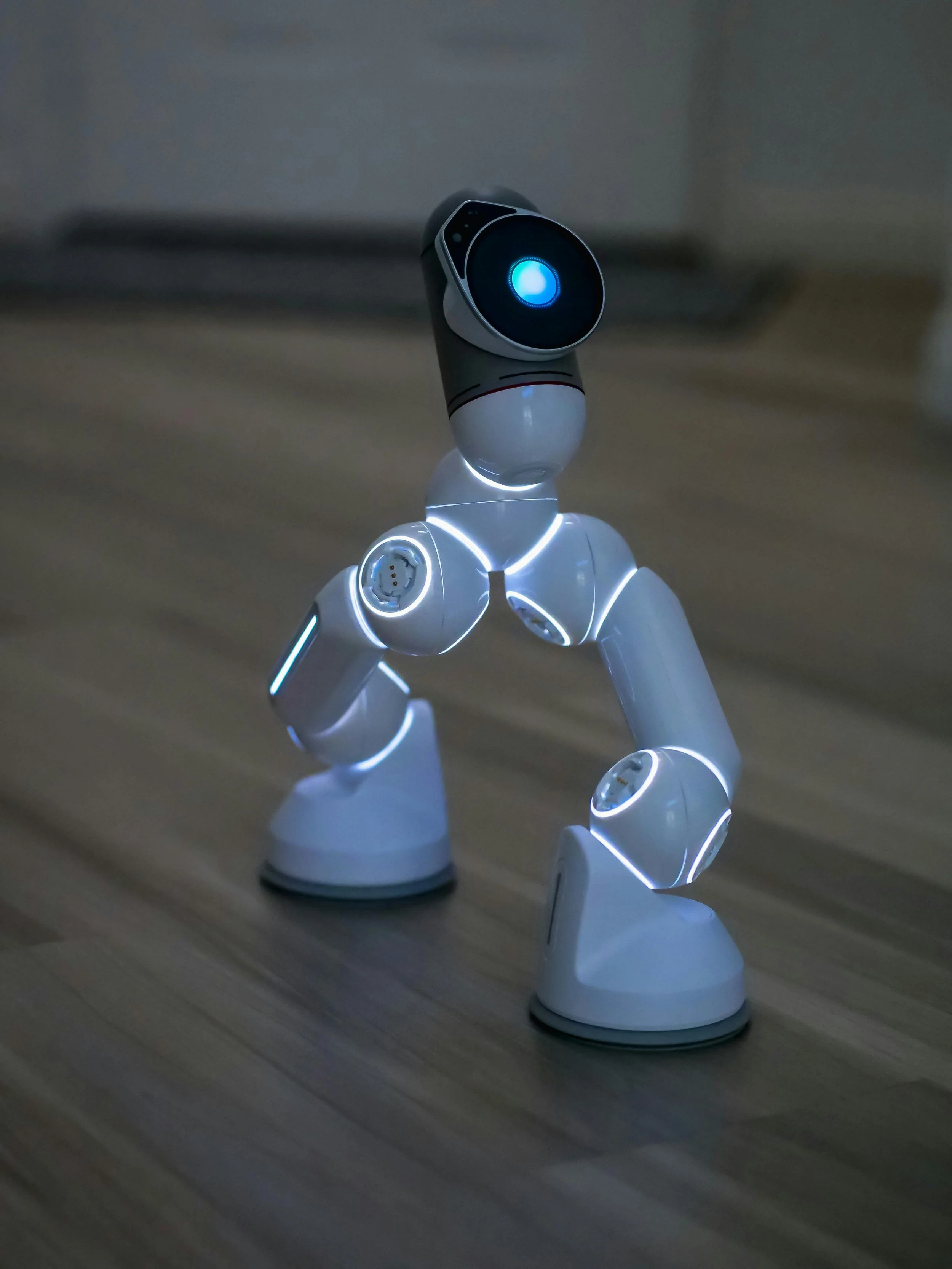
Smart devices are getting too smart Courtesy of kindel media

Call: (214) 599-0055


Retrofitting Homes for Tomorrow: Managing Rising Energy Needs

A deeper look at how modern living is reshaping the electrical needs of today’s homes

Courtesy of Boyan Chen

Homes in the Dallas–Fort Worth area don’t look or operate the way they used to, and frankly, they can’t. As our summers run hotter, our neighborhoods grow denser, and our families adopt more technology, the demands placed on our homes—and on the electrical grid that supports them—are increasing faster than many homeowners realize. The conversation around retrofitting isn’t just about “making a house more efficient” anymore. It’s about ensuring that older homes can safely meet modern expectations, and newer homes are prepared for the next decade of growth.

And with the amount of discussion surrounding grid stress in Dallas and the surrounding communities, homeowners are understandably paying closer attention to the systems that power their daily lives.

The Pressure on the Modern Home

For decades, homes were designed around predictable electrical patterns. A couple of major appliances, a traditional HVAC system, a reasonable number of outlets—it was enough. But today, that same house may be supporting electric vehicles, high-powered kitchen appliances, networked home offices, multiple entertainment systems, smart devices in nearly every room, and HVAC systems working overtime to keep up with increasingly extreme temperatures.

In many older neighborhoods, the electrical panels and circuits simply weren’t built with this level of usage in mind. Even newer construction is being forced to evolve rapidly, designed less like a simple shelter and more like a mini energy hub. And the strain doesn’t stop at the front door—the local grid feels it as well. During peak summer heat, when nearly every household is running its air conditioning at full tilt, Dallas sees predictable spikes that stretch the grid close to its limits.

This is where retrofitting steps in—not as a luxury, but as a practical and increasingly necessary strategy.

Retrofitting as a Response to Rising Demand

Retrofitting isn’t one thing. It’s a collection of thoughtful upgrades that help a home function efficiently, safely, and sustainably in a landscape where energy use trends continue to rise.

For many homeowners, the first step is addressing the electrical system itself. Older breaker panels may not have the capacity to support EV chargers, modern HVAC units, or high-powered appliances without risking overloads. Upgraded panels, expanded circuits, and smarter load-management systems allow the home to distribute electricity effectively, reducing strain and preventing outages.

Beyond electrical capacity, the efficiency side matters just as much. When a home wastes less energy, the demand on the grid—and on a homeowner’s wallet—drops significantly. Improved insulation, air sealing, modern HVAC units, and high-efficiency appliances work together to reduce unnecessary power consumption. It’s not just about being “more eco-friendly”; it’s about creating a home that doesn’t need to fight its own inefficiencies just to stay comfortable.

Courtesy of Sebastian Ganso

And increasingly, many homeowners are looking beyond simple upgrades and adding renewable solutions like rooftop solar and home battery storage. These aren’t status symbols—they’re practical tools for offsetting grid reliance, smoothing out peak demand, and providing resilience during outages. In a region where storms, heat waves, and high-usage periods can cause sudden disruptions, this kind of stability matters.

Future-Proofing the Home

A key point in your research stands out clearly: retrofitting isn’t just about solving today’s problems. It’s about anticipating tomorrow’s.

Electric vehicles are becoming commonplace. Smart home technology is only expanding. Appliances are becoming more advanced, often requiring dedicated high-capacity circuits. And the local grid, as it stands, cannot simply scale at the same pace as consumer demand.

The homeowners who retrofit now aren’t just upgrading—they’re preparing. A future-proofed home is one that can handle tomorrow’s appliance upgrades, unexpected heat waves, and evolving technology without requiring an emergency overhaul. This preparation is particularly important in Dallas, where growth is constant and grid conversations are growing louder.

The Challenges Homeowners Face

None of this is without complications. Upgrading a home comes with real costs, and not every neighborhood has the infrastructure to fully support modern electrical capacity. Skilled professionals are essential, and the pace of technological change can be intimidating. But the research makes one thing clear: doing nothing isn’t a sustainable long-term option.

As electrical demand rises, older systems will feel the strain. Homeowners who invest in smart upgrades—whether small steps like LED lighting or major changes like panel replacements—benefit from reduced bills, increased safety, and a home that’s ready for the future instead of fighting against it.

Where This Leaves Dallas Homeowners

It leaves them at a crossroads, but a promising one. Retrofits, upgrades, and efficiency improvements aren’t simply trends—they’re the natural evolution of modern living. They protect the home, ease the burden on the grid, and give homeowners greater control over their comfort and costs.

Dallas is growing, changing, and electrifying, and our homes are changing with it. The shift toward future-proofed, energy-conscious design is no longer reserved for luxury builds. It’s becoming the standard, and homeowners who embrace it early will feel the benefits for years to come.


While Appliance Rescue Service can’t retrofit or build your home electrical system, we are dedicated to keeping the systems inside your home running smoothly. Whether it’s an oven that won’t heat properly or a freezer that refuses to get cold enough, we’re here to help. When your home’s appliances need expert care, count on us to keep everything operating the way it should.

Courtesy of Pixabay


Website
Call: (214) 599-0055