When Your Kitchen Turns Against You: Hidden Dangers Revealed

Where Safety Ends and the Invisible Begins

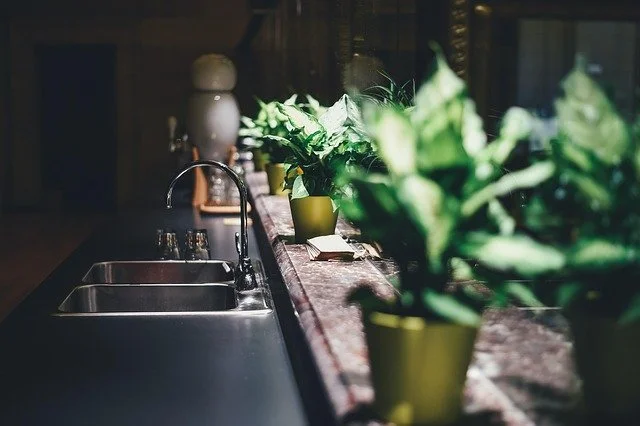
The kitchen is the heart of the home. Warm food at the end of a long day. Snacks and baking with family. A place to gather when things go wrong, or right. Yet, within the steam and the stainless steel, there are dangers that wait patiently. There are no jump scares here. Just quiet threats that reveal themselves slowly.

In many ways, our kitchens are safer than ever. We lock cabinets and ovens against curious littles. We pay closer attention to what we eat and how we prepare it. We keep fire extinguishers and smoke detectors nearby and teach our children how to escape if flames appear. There is always a but though, isn’t there? The hazards haven’t vanished. They have simply shifted into places we rarely consider. Invisible pollutants and toxic materials move into the air we breathe and the food we eat. Safety is no longer only about flames and sharp edges. It is about the things you cannot see.
Courtesy of Steven

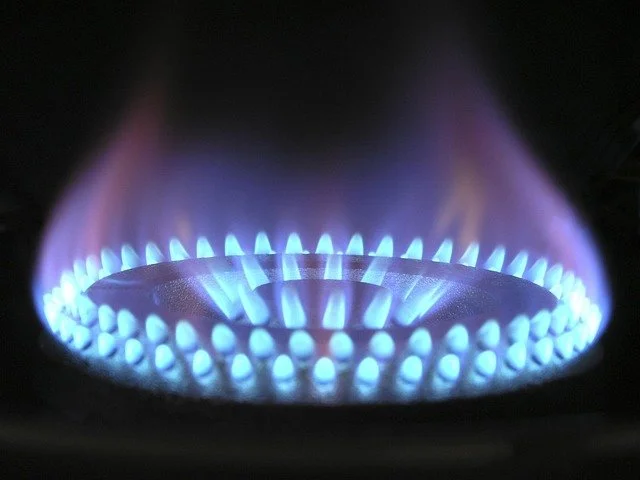
The air in our kitchens isn’t always as clean as we trust it to be. The stove seems harmless when it sleeps, yet methane can escape quietly even when the flame is out. Once ignited, the gas releases nitrogen oxides that linger in the air. The problem grows when the appliance is installed without proper ventilation, or when that ventilation goes unused. Short bursts of cooking have been shown to push indoor pollutant levels beyond recommended air quality limits. Children in homes where gas stoves lack ventilation are more likely to experience respiratory issues and asthma symptoms. These dangers hide in everyday routine. Using the range hood or opening a window helps the fumes escape, and paying attention when the stove acts up can prevent bigger issues from developing. If an appliance seems to burn too hot or produce more smoke than it should, it’s time to have it checked.


Even when the stove behaves, cooking itself has ways of filling the air with what we can’t see. High heat and a sizzling pan feel like comfort, yet when cooking oil reaches its smoke point, the air starts to shift. Those flavorful wisps can carry polycyclic aromatic hydrocarbons and volatile organic compounds—pollutants tied to lung cancer risks in research. Frying, charring, and even everyday high-heat cooking can trap harmful particles indoors if ventilation is lacking. Choosing oils that hold up better to heat and keeping temperatures controlled can reduce what enters the air unnoticed. The danger rises with the temperature long before anyone sees smoke.

Courtesy of Alexander Fox PlaNet Fox

And sometimes the danger isn’t in the ingredients at all. It’s in the tools we use to cook them. The nonstick pan that promises convenience can turn quietly against you over time. When overheated, coatings like PTFE release fumes that drift into the air. Scratches allow tiny flakes to break free and move into the food. These coatings have been associated with serious health concerns when they begin to degrade. That pan doesn’t shout for attention as it wears down. It simply waits until the damage is already done. Choosing cast iron, ceramic, or stainless steel where you can is a safer alternative.

Even the containers meant to protect our food can quietly betray us. Plastic containers feel like a harmless storage solution, but heat changes the rules. When exposed to microwaves or hot food, plastics can release chemicals like BPA and phthalates into meals. Both are known endocrine disruptors, with risks increasing as plastics age or break down. Even items labeled as “microwave-safe” may not withstand repeated high temperatures. The danger doesn’t present itself dramatically. It accumulates slowly with every reheated leftover, every warmed-up lunch. Replacing worn containers and choosing glass for hot foods reduces the risk.
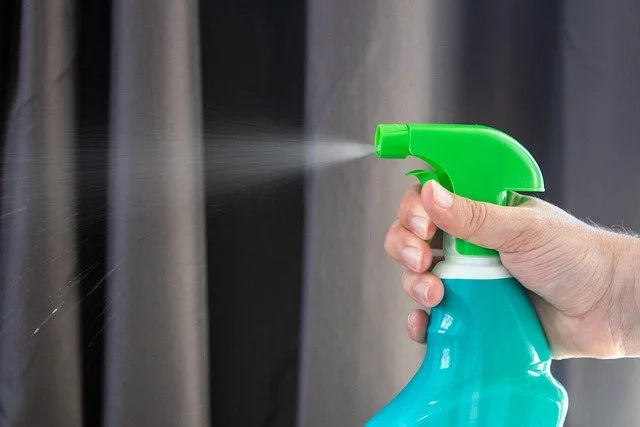
A fresh scent can hide something far less comforting. The sharp, clean smell left behind by powerful cleaners carries its own invisible threat. Many household disinfectants and fragranced products release volatile organic compounds into the air, especially in enclosed spaces. These chemicals may irritate the respiratory system and linger after the shine fades. Combining products like bleach and ammonia can even create toxic fumes. Using safer cleaning solutions and rinsing surfaces after harsh products can help keep the air less hostile.

And in the quiet corners where nothing looks dangerous at all, another threat multiplies. Even the everyday tools we trust are not always on our side. Sponges and dishcloths can harbor more bacteria than a toilet seat, spreading contamination with every swipe. Towels that never fully dry become quiet reservoirs that move germs from place to place. The danger here is not dramatic. It waits. It spreads. It thrives on ordinary habits.

The hazards may seem small on their own, yet together they shape the air and food we trust most. The kitchen is not cruel. It has simply evolved into a space where danger wears disguise. Once the unseen becomes visible, the atmosphere shifts. Small, thoughtful changes restore safety to the room that should comfort us most. When we uncover the invisible problems, we take back control of the home.

We depend on the tools that cook for us. If your major appliances spark, smoke, or behave in ways that feel wrong, don’t wait for the tension to build. ARS can make sure your appliances are functioning safely before the story takes a darker turn.


Website

Call: (214) 599-0055


Spooky Home Stories: What’s Really Behind “Haunted” Appliances

Modern technology, old wiring, and the mysteries of everyday appliances

Courtesy of Mehmet Suat Gunerli

This time of year is all about the spooks and scares, tricks and treats, but you don’t want that in your home. There’s nothing worse than having your home sound, smell or act like it’s haunted and you have no idea why or how to fix it.

Join us this week for five spooky stories collected from across the internet of haunted homes, and what was really behind them.

The Haunted Microwave


It always starts on a quiet night. A cup of tea, a few quiet minutes to yourself — and then, the hum.
A woman sat in her kitchen after the rest of the house was quiet, scissors snipping away at her crafts. The house was still until the familiar whir of her microwave started up on its own. She hadn’t touched . When she tried to stop it, the buttons didn’t respond. Even opening the door didn’t help — the turntable kept spinning, the machine whirring like it was possessed. Eventually, she managed to stop it, heart pounding. But fifteen minutes later, it happened again — this time, her convection oven below joined in the chaos, flicking on by itself.

It’s easy to imagine something supernatural at play, but the truth was far less ghostly — and far more practical. In homes where the microwave is stacked over an oven, wiring issues between the two can sometimes cause strange “cross talk.” A short or surge in the shared circuit can make them behave unpredictably, even power themselves on.

This homeowner did exactly what she should have: she called an electrician to inspect the system. Nothing spooky, just a wiring fault waiting for the right moment to show itself. The moral? Flickering lights and misbehaving appliances don’t mean your house is haunted — they mean your wiring is crying for help.


Twice Cursed: A Washer’s Flooding Nightmare

Some horror stories strike once. This one came back for a sequel.

In Pennsylvania, a homeowner’s brand-new front-loading washer turned her laundry day into a disaster movie — twice. The first time, mid-cycle, the door burst open, sending thirty gallons of water gushing across the floor and down into the basement. Floors warped, drywall crumbled, carpet soaked — a total repair estimate near $24,000.

You’d think that kind of chaos would be a one-time nightmare. But after a technician “adjusted” a sensor and gave her the all-clear, the machine did it again a month later. The second flood finished what the first had started, and by then she didn’t need a repair — she needed an exorcism.

In the end, the manufacturer stepped in and replaced the washer. Her insurance covered the damage, and she got her peace of mind back. But this story is a reminder that modern appliances are powerful machines — and when one goes rogue, the damage can spread fast.

The lesson? Even a small leak can become catastrophic if ignored or brushed off. When your washer, dishwasher, or fridge acts up, don’t wait for “Flood No. 2.” Have a professional take a look right away — before your next load becomes a tidal wave.


The Smart Home That Wasn’t So Smart

Smart appliances are supposed to make life easier — until they develop a mind of their own. One homeowner learned this the hard way when her oven began turning itself on and off in the middle of the night. She swore it was haunted. After all, what else explains a glowing oven door in the dark?

The technician who arrived to “banish the spirit” found something even stranger: her smart oven had synced to a neighbor’s phone. A bugged software update had linked the devices across the network, giving the neighbor unintentional control. Each time they preheated their oven, hers came alive too.

It’s funny in hindsight — less so when you’re staring down a 400-degree oven you didn’t start. Technology may be convenient, but it also needs regular updates, resets, and safety checks. Keeping your connected appliances’ software current (and networks secure) is part of modern maintenance — not magic.

Courtesy of Mystic Art Design

So, next time your smart device seems to have a mind of its own, skip the salt circle and call your local technician.

The Haunted Dishwasher

There’s a reason dishwashers are such convincing horror-movie props: they hum, gurgle, and light up on their own schedule. One homeowner learned that firsthand when her GE dishwasher started running cycles unprompted. It powered itself on, occasionally opened the detergent door mid-wash, and sometimes refused to stop at all.

At first, it was almost funny — a “haunted” dishwasher. Until one night it started at 3 a.m. and refused to stop. That’s when she pulled the plug — literally.

Appliances don’t decide to work overtime without reason. In this case, it was likely a control board malfunction, a short in the touchpad or moisture intrusion from years of use. Dishwashers have sensitive circuitry, and even small condensation buildup can corrode connectors over time.

The fix is often simple — replacement of a faulty board — but the moral sticks: when your dishwasher acts possessed, it’s probably just asking for a new brain, not an exorcist.


It Came from the Dryer


Of all the tales of appliance horror, this one is the stuff of nightmares. Picture this: a repair technician opens a dryer and finds the source of a foul, acrid smell — a snake, tangled in the blower wheel. Sometimes alive. Sometimes… not.

It’s the kind of discovery that sticks with you, and for the unlucky homeowners, it’s unforgettable.

Dryer vents are cozy, warm, and dark — perfect nesting spots for critters seeking shelter. Over time, lint buildup and loose vent covers make them easy to access. The result? A dryer that smells like something crawled in and never left.

The real fright here isn’t the wildlife; it’s what could’ve happened if the vent stayed clogged. Obstructions not only invite pests but can spark fires from trapped heat. Annual vent cleanings keep your dryer efficient, your home safe, and your laundry day blissfully snake-free.

Turns out, some monsters aren’t imaginary — they’re just hiding in the vent behind your dryer.

So, when things go bump in the night, strange wails stalk your halls or you’re positive your appliances are haunted, don’t shout for the Ghostbusters, just yet.
Instead give Appliance Rescue Service a call first. Our technicians will find the source of the problem and figure out whether you’re dealing with a haunting or a malfunction.


Website

Courtesy of F. Hektor.

Call: (214) 599-0055



Is Your Home Haunted? Understanding Appliance Sounds Before They Cause Damage

A guide to the humming, clicking, and rattling noises your appliances make.

When Your Home Starts to Sound Haunted

Not all eerie noises come from ghosts. Sometimes, it’s your dishwasher groaning in the night—or the fridge humming in a way that makes you wonder if the house has a secret life of its own. For homeowners in the Dallas–Frisco area, comfort and quiet aren’t just luxuries—they’re a point of pride. A well-maintained home runs smoothly, quietly, and without the kind of surprises that make you jump at 2 a.m.

Imagine this: it’s 10:30 p.m., the kids are asleep, and a sudden clatter comes from the kitchen. Your mind races—ghost? Burglar? Or just your appliances doing their thing? Before you panic—or decide to ignore that sound—understanding what’s normal, what needs attention, and when to act is key to keeping your home both safe and serene.

Why Your Appliances Make Noise (and Why That’s Not Always Bad)

Modern appliances aren’t magical—they rely on motors, fans, pumps, compressors, and moving parts. All of these components naturally make some sound as they perform their work. A gentle hum, a brief click, or a soft whirring is typically nothing to worry about.

But there’s a difference between normal operational noises and warning signs. Grinding, banging, screeching, or rattling shouldn’t be ignored—they’re often your appliances’ way of signaling stress or wear. Research shows that addressing these early can extend appliance life by up to 30% and save homeowners hundreds in repair costs.

North Texas homes, with long summers and heavy laundry cycles, put extra strain on HVAC systems and washers. Paying attention early can prevent a mid-summer breakdown that leaves your home hot, stuffy, and frustrated.


The Fridge That Groans in the Night

Your refrigerator works around the clock, quietly keeping your food fresh. Most of the sounds it makes are normal:

  • Light humming as the compressor runs.

  • Soft pops as metal panels expand or contract.

  • Gentle clicks from the water valve or ice maker refilling.

  • Gurgling or bubbling, often from refrigerant moving through the coils or defrost water draining into the pan.


But sometimes the noises are trying to tell you something:

  • Loud buzzing or humming that escalates can indicate the compressor is under stress, possibly from dirty coils or a door left slightly ajar. A constantly running compressor not only increases your energy bill but can shorten your fridge’s lifespan by up to 30%.

  • Knocking or clicking may point to a failing start relay or a compressor struggling to start.

  • Rattling could signal a loose drip pan, bent fan blade, or worn mounting bracket.


Picture this: it’s late on a Friday night, and your fridge hum turns into a persistent buzzing. You’re tempted to ignore it—but this is exactly the moment technicians say homeowners should check coils, doors, and interior components. Catching it early prevents costly compressor replacement and keeps your food safe.


The Dishwasher That Moans or Rattles

Dishwashers are designed to swish, hum, and pause mid-cycle, but certain noises can signal a problem.

  • Grinding: Usually caused by debris stuck in the pump or impeller—anything from small bones to pits can jam the system.

  • High-pitched squeal: Often indicates worn motor bearings, which can eventually fail.

  • Thumping or banging: Water hammer from plumbing pressure changes or loose spray arms hitting the walls.


Imagine loading the dishwasher after dinner. You close the door, start the cycle, and hear a persistent grinding. It might be tempting to ignore it—but technicians see this noise as a common early warning sign of pump or motor issues. Removing debris from the filter is a simple DIY fix, but if the grinding continues, it’s time for professional attention. Addressing it early avoids a $400–$600 repair down the line.


The Washer and Dryer That Sound Possessed

Laundry machines create sounds that can be unsettling if you’re not familiar with them.

Washer:

  • Normal: sloshing water, gentle spinning, and clicking as cycles change.

  • Concerning: banging or thudding may mean an unbalanced load or worn shock absorbers. Grinding noises can indicate drum bearings failing, while constant knocking may point to suspension rods wearing out.

Dryer:

  • Normal: soft thumps at startup and gentle tumbling.

  • Concerning: screeching or squealing can signal belt or drum roller problems. Rattling may be loose vents or small items like coins trapped inside.

Scenario: You toss in a load on a Sunday morning. The washer’s spin cycle suddenly emits a low rumble that rises to a thud. Even after rebalancing, the noise persists. This is the kind of subtle signal experienced homeowners and technicians use to identify early wear before it escalates to a full breakdown.

The Oven That Pops, Clicks, or Hisses

Ovens have their own spooky soundtrack:

Courtesy of StockSnap

  • Normal: clicking as the igniter sparks and soft pops as metal expands with heat.

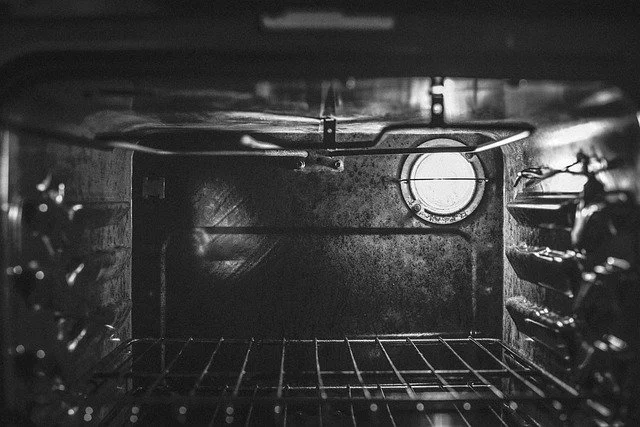
  • Concerning: repeated clicking may indicate a failing igniter or gas valve. Hissing when the oven isn’t heating could signal a gas leak—shut it off immediately. Metallic banging may come from expanding panels or a faulty fan.


Scenario: It’s 5 p.m., and the oven’s clicks turn into a staccato rhythm that doesn’t match the timer. In a busy North Texas kitchen, an oven that misfires is more than spooky—it’s unsafe. Recognizing these signs early ensures family safety and uninterrupted meal prep.


When It’s Time to Stop Guessing

Early detection prevents breakdowns and protects your investment. Strange noises may be harmless—but if you notice persistent or unusual sounds, trust your instincts. Catching problems early can extend appliance lifespan, save on costly repairs, and keep your home running smoothly.

Courtesy of Michal Jarmoluk

For years, Appliance Rescue Service has helped Dallas–Frisco homeowners maintain peace and quiet in kitchens, laundry rooms, and living spaces. Experienced technicians assess, diagnose, and repair appliances efficiently, turning late-night clatters back into the background hums you expect.


The Final Word: Silence Is Golden (and Safe)

Strange appliance noises aren’t spooky—they’re signals your home is giving you. Hums, clicks, and gentle swishes are normal. Grinding, screeching, or rattling? That’s when it’s time to act.

Preventative care—checking filters, clearing vents, and addressing unusual sounds promptly—keeps your appliances running smoothly. Before the holiday entertaining season hits, ensure your home is more cozy than creepy.

Courtesy of nightstalker206

If your home’s sounds have gone from gentle hums to horror-movie screeches, Appliance Rescue Service can help restore calm and quiet, giving you peace of mind all year long.

Website

Call Us: (214) 599-0055

Haunting Hazards: Appliances That Cause Fires

Keep your home, family, and investment safe with this expert-backed appliance safety guide.

It’s that time of year again. The nights grow longer, pumpkins flicker on doorsteps, and every whisper in the dark sends a shiver down your spine. You half-expect the floorboards to creak with ghosts. But before you blame specters, consider this: some of the scariest things in your house are humming and clicking right now, hiding in plain sight. This isn’t about phantom footsteps or whispering shadows. It’s about wires, motors, lint-filled vents, and components pushed past their limits. And sometimes, yes — these haunted appliances can start real fires. Let’s stroll through your home… slowly. These are the everyday appliances most likely to misbehave. Watch for them. Then prepare. Because even in a modern house, the supernatural doesn’t need to exist to get flames.


The Oven That Smolders in Silence

Your oven is supposed to cook food — not cook your wiring. Over time, grease and food debris that build up across the inside surfaces can ignite when temperatures climb during normal usage. Even a heating element or internal wire that has become worn or brittle might short out under load, especially in older units. The self-cleaning function, though designed to burn off residue, sometimes overheats parts, accelerating internal damage instead of curing it. To reduce this danger, clean spills, charred residues, and built-up grease regularly (always after the unit cools), and never leave the oven running when no one is home. If, after using it, you detect a strange smell or flicker of light behind the door glass, stop using the unit immediately and call a technician to inspect it.


The Stove That Becomes a Cauldron

Courtesy of William Hadley

Simmering sauce is one thing — but your stovetop can turn into a fire risk if you're not careful. Many home fires begin right at the stove, often from unattended cooking, oil splatters, or pans left too close to open flames. A stray drop of hot oil can leap off a pan, or a rag or piece of cookery paper too close to a burner can catch fire in seconds. The danger grows when you step away, distracted by guests, texts, or just thinking ahead. The rule is simple: stay in the kitchen while cooking. Keep everything flammable — towels, curtains, ingredient bottles — well away from the stovetop. Have a fire extinguisher in reach and know how to use it, and if grease does ignite, never toss water at it; smother it with a lid or baking soda.


The Dryer That Smells Like Smoke

Your laundry room may feel cozy, but if your dryer begins to stink of burning lint, alarm bells should ring. Dryer fires are among the most common types of appliance fires. That’s because the lint trap, internal vents, and area around the heating element are prime spots for lint to accumulate. When vents are clogged, heat has no escape, and components begin to overheat. The result can be ignition in a narrow crevice you never see. To guard against this, clean the lint trap each time you run the dryer. Vacuum lint from around the dryer and behind it often. Schedule a professional vent cleaning annually. And never try drying anything saturated with oily substances or chemical residues — that one load can be the one that sparks a disaster.


The Fridge That Overheats Behind Closed Doors

Courtesy of Stephane

Refrigerators and freezers feel safe — quiet, cold, dependable. But lurking inside that comfort can be silent dangers. Electrical wiring can fray, insulation may degrade, or component failures might cause overheating near compressors or motors. A light bulb left active when the door sticks or fails to close fully can also generate unexpected heat inside an otherwise cold cavity. Blocked airflow or dirty condenser coils force the compressor to work harder, producing more heat than it should. To avoid disaster, make sure condenser coils are dust-free, inspect cords for wear or cracks, and listen for buzzing or hums that seem out of place. At the first sign of burning plastic or anomalous heat, unplug the unit and call for a technician.


The Dishwasher That Conceals a Threat

Courtesy of LiudmilaB

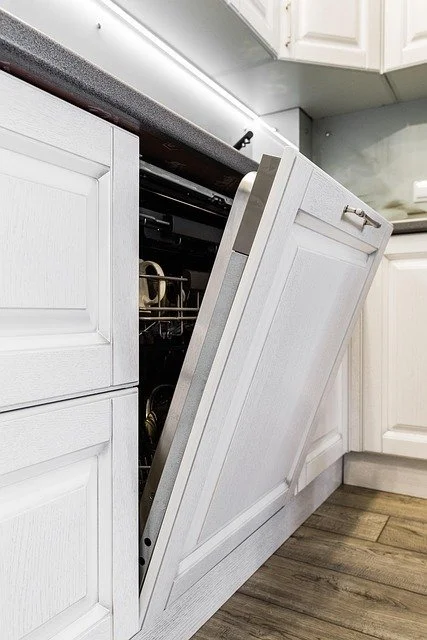
Running your dishwasher while you sleep or run errands seems convenient — except that a hidden fault can turn it into a fire hazard. When a heating element shorts, when wiring gets brittle, or when a small leak allows water to reach electrical parts, sparks can develop in the dark, unnoticed. Even residual grease and stuck food bit inside filters and plumbing channels can heat up under a failing thermostat. The remedy is to operate your dishwasher while someone is home. Clean out filters and spray arms periodically to prevent buildup. During service calls, have hose connections and internal wiring inspected. That way, you won’t gamble your home’s safety on the quiet hum of a nightly cycle.


The Microwave That Turns Mischievous

Microwaves are ubiquitous — safe when used correctly, dangerous when pushed to the edge. A slip-up with metal foil or a stray spoon can cause internal sparks. Old wiring or worn components may arc under stress. And when food is overheated in non-microwave-safe containers, the internal circuits strain. That little pop or flash can quickly escalate. Use only microwave-safe dishes (no metal, no foil). At the first sign of a spark or crackle, unplug the unit immediately and discontinue use. If the problem recurs, bring in a technician to examine internal wiring and components.


The Space Heater That Creeps Too Close

Courtesy of Mircea Iancu

A space heater gives warmth and comfort — until it’s too close to flammable material. Draped sheets, furniture edges, curtains, or rug fibers all pose ignition risks when placed too near. A heater plugged into an extension cord or overloaded outlet compounds danger. Running a heater while you sleep or leave the house is just asking for trouble. Always maintain a buffer zone of at least three feet around space heaters. Plug them only into dedicated wall outlets (never into power strips or extension cords). And for safety, turn them off whenever you wake up or step out.


The Hidden Peril of Power Strips & Cords

Courtesy of Hucklebarry

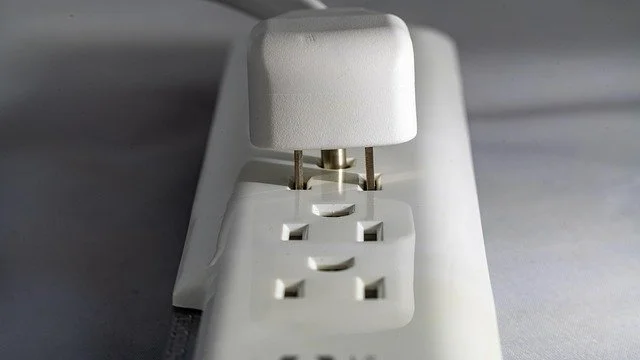
You might start by plugging in one device, then another, then another — until an overloaded power strip becomes a ticking time bomb. Strips burdened with high-wattage appliances can overheat internally and spark. Running cords under rugs or behind heavy furniture wears insulation and traps heat. Frayed or damaged cords arc internally, igniting nearby material. Use surge protectors only for low-power electronics, never for major appliances. Keep cords visible, never pin them under rugs or furniture, and immediately replace any wire that shows wear, cracking, or exposed conductors.


When the Haunting Turns Real

A flicker in a hallway, a whiff of burning plastic, a breaker that trips again — those are not supernatural signs, they’re alarms your house is sounding. If you detect smoke or odd electrical hums, unplug the appliance (if it’s safe to do so) and shut the circuit off at the breaker. Don’t ever re-energize it, even just to “test.” Call a qualified electrician or appliance technician to assess the damage. Sometimes the fix is simple: cleaning vents, replacing wiring, or tightening connections. Other times, a full repair or replacement is necessary. The point is this: minor flaws can escalate fast. Don’t wait.


Don’t Let Your Home Become a Horror Show

You decorate your yard for jolts and thrills. You carve pumpkins and hand out candy. But inside — deep in your walls and behind your appliances — you want stability, safety, and silence. By staying vigilant, cleaning regularly, and calling professionals at the first hint of trouble, you right the balance. You transform your home from a potential haunted maze into a secure sanctuary.


This Halloween, don’t blame ghosts if your home begins to hiss, spark, or groan. Most of what seems haunted is just an appliance — stressed, neglected, or failing. And those appliances are likely your refrigerator, oven, stove, freezer, washer, dryer, dishwasher, or ice maker. If any of these major units act up, give Appliance Rescue Service a call. Whether it's inspection, maintenance, or repairs, we specialize in taming those haunted machines. Let us quiet your home and restore peace — no exorcist needed.

Stay safe. Stay observant. And let your only chills this season come from ghosts in films — not your appliances.


Website

Call: (214) 599-0055

From Lease Signing to Move-In Day: A Landlord’s Definitive Prep Timeline

From appliances to safety checks, here’s how to impress new tenants.

So, you’ve signed the lease with your new tenants. Congratulations! You’ve secured solid renters, the paperwork’s out of the way, and now you’ve got a window of time to get your property in shape before move-in day. Here’s the catch: that window is smaller than you think, and how you use it ABSOLUTELY matters.

Courtesy of user32212

Too many landlords slap on a coat of paint, vacuum the carpets, and call it a day. But if you want to protect your investment and keep your tenants happy (read: reduce turnover, complaints, and late-night “the oven won’t start” calls), you need a structured approach. That’s where this timeline comes in.

This isn’t a fluffy checklist. It’s a no-nonsense, boots-on-the-ground guide to getting your Dallas-area rental home ready — written for landlords who rent to middle-class families and expect a return on their effort. Follow this, and you’ll not only avoid tenant headaches, you’ll also look like the kind of landlord people actually want to rent from.

Immediately After Lease Signing: Lock Down the Big Picture

The ink’s barely dry, but this is your chance to get organized.

  • Document Everything: Walk the property and take photos or video of every room, inside and out. This protects you when it’s time to talk about the security deposit. You’ll be able to say exactly what was where and what you did or didn’t authorize. Future-you will thank present-you.


  • Paperwork and Compliance: Double-check lease addendums and disclosures (lead paint, flood zones, HOA requirements, whatever applies to your property). Dallas-area landlords have to keep these ducks in a row.

  • Schedule the Pros: Appliance servicing, HVAC checks, pest control — don’t wait until the week before move-in when everyone’s booked. A quick call to Appliance Rescue Service, for example, means your fridge, oven, and dishwasher are guaranteed to work on day one instead of making you look sloppy.


Think of this stage as your foundation. If you don’t handle the basics now, everything else is just window dressing.


Courtesy of Nicky

Two Weeks Before Move-In: Clean, Repair, Refresh

This is where the heavy lifting happens.

  • Deep Clean: And no, I don’t mean a quick mop. I mean baseboards, ceiling fans, blinds, inside cabinets, and every mysterious corner you’ve been ignoring. Hire it out if you have to. Nothing kills tenant goodwill like sticky counters and dusty vents.

  • Repair & Refresh: Patch nail holes, replace tired caulk, tighten loose doorknobs, fix squeaky hinges. If the carpet looks like it’s hosted a frat party, replace it. These little touches scream “we care” more than you realize.

  • Appliance Audit: Run every appliance. Does the dryer actually dry in one cycle? Does the fridge hold temp? Does the dishwasher drain properly? Catch problems now. Having ARS do a full sweep here is landlord insurance you can’t buy elsewhere.


This phase is all about turning a used house into a fresh home.


One Week Before Move-In: Safety and Systems

Now it’s time to switch from appearance to functionality.

  • Safety First: Test smoke and carbon monoxide detectors, replace batteries, and check fire extinguishers. Rekey the locks (yes, even if you “trust” the last tenants). Secure windows and make sure exterior lights work.


  • HVAC and Filters: Dallas summers aren’t forgiving. Change filters, service the system, and make sure it’s cooling like it should. A tenant without AC in July won’t just call — they’ll rage.

  • Utilities Check: Test outlets, breakers, and fixtures. Replace burnt-out bulbs. Label your breaker panel so tenants don’t blow up your phone when the microwave trips it.

If you skip this step, congratulations — you’ve just created your future midnight emergencies.

A Few Days Before Move-In: The Final Polish

This is when you fine-tune the details.

Courtesy of Rudy and Peter Skitterians

  • Pest Prevention: Even if you don’t see anything, call in pest control for a once-over. Nobody wants to meet a roach on day one.


  • Exterior & Curb Appeal: Mow the lawn, trim shrubs, clear gutters. A tidy exterior makes a huge difference in how tenants treat the property.


  • Extras That Impress: Swap air filters (again, if needed), replace every last burned-out bulb, and consider small touches — like leaving appliance manuals in a folder or a “welcome kit” with basics like toilet paper and light bulbs.


This is also the perfect time for your own landlord walkthrough. Run faucets, flush toilets, check water pressure, and sniff out weird smells. Walk in like a tenant seeing the place for the first time. If something bugs you, it’ll bug them.

Courtesy of Schluesseldienst.


Move-In Day: The Hand-Off

This is it — the big reveal.

  • Keys and Orientation: Hand off all keys, garage openers, mailbox info, and explain anything quirky about the property (like “the dryer needs an extra tap on the button” or “the garbage disposal switch hides under the sink”).

  • Walkthrough with Tenants: Do it together. Note any existing dings or wear so it’s not a fight later. Tenants appreciate transparency.

  • Set the Tone: Be available, but not hovering. A quick reminder that “Appliance Rescue Service is on call if you run into any appliance issues” shows you’re proactive, not reactive.

This timeline isn’t about being nitpicky. It’s about protecting your investment, respecting your tenants, and setting the stage for a smooth, profitable lease term. Because here’s the truth: good tenants stick around when they feel taken care of, and that starts before they ever move in.

At Appliance Rescue Service, we’ve seen what happens when landlords cut corners — and it isn’t pretty. A dead fridge on move-in day, a dryer that takes three hours to finish a cycle, an AC system choking on a dirty filter in August. These aren’t just inconveniences; they’re tenant deal-breakers.

So, if you’re serious about keeping your Dallas-area rental running smoothly, don’t just “get by” — get ahead. Use this timeline, book your service calls early, and let ARS help you keep your appliances (and your tenants) happy.

Call: (214) 599-0055

Website


Additional Reading

Spring Home Maintenance Checklist

Stay Cozy This Winter: Key Chores for Your Home

Prepare Your Home for Fall: Essential Maintenance Tips