appliance safety tips

Leaving Town? 3 Critical Ways to Prepare Your Home for Vacation

From fire prevention to smart security, simple steps that protect your home and peace of mind .

So you're going on a vacation, congratulations! Have you considered how to take care of your house while you're gone? For many of us when we have the time to go on vacation, we leave thinking about our house until the last minute. But, for the safety of your home and your peace of mind while on vacation, consider these three areas before you say “bon voyage!”


Courtesy of David Brown

Let's start off by looking at your fire safety. Naturally, none of us want a fire to occur ever, but especially not while you are on vacation. The idea is horrifying to the mind. Imagine being off somewhere having an enjoyable time, only to get a phone call about your home being a fiery ruin.  To avoid that, start by clearing away anything from vents, heating elements, or outlets. Next, you want to take time before you leave to unplug any unnecessary appliances or electronics. Not only does this cut down on your energy bill while you're gone, but it ensures that nothing will overheat or spark. Finally, if you intend to turn off your water supply, turn off your water heater as well. If not. the water heater can run dry which will lead to damaging the water heater and potentially a fire. 


Courtesy of Rudy and Peter Skitterians

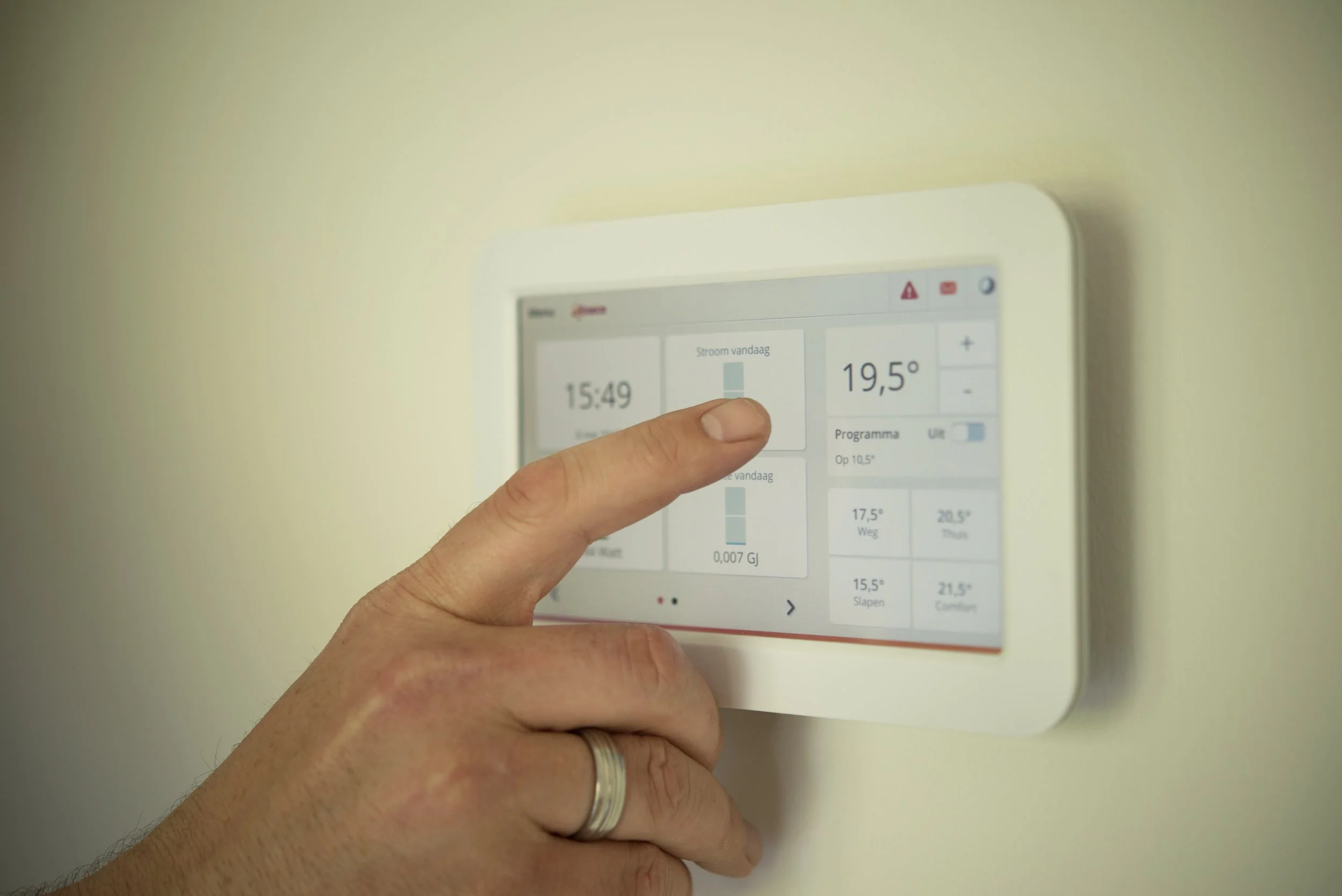
Next let's turn to making your home comfortable when you come back. After all, you don't want to come home from vacation to find that everything is a mess and you are instantly as stressed as you were when you left.  Before you leave, do one week's worth of laundry, this way you aren't doing laundry from your trip and having to worry about what you'll wear. Also, make sure to prep either a grocery order or a selection of freezer meals. Again, this way easing back into life at home is a breeze and you don't have to stress. Take the time to set your thermostats at a minimum of 55 and a max of 80. This means that no matter how cold it gets while you are gone or how hot it gets, you'll come back to comfortable temperatures and your house can easily adjust to something warmer or colder. Make sure that the last thing you do before you head out is to take out the trash. Even if it's not full, it is so much better to take the trash out before you leave then come back to pests and disgusting smells. One last important thing is to make sure that your sump pump works. Even if poor weather isn't expected while you're gone, it's better to know that your home is protected from flooding if it were to happen. Just pour water into the pit where the sump pump is, and the pump should automatically turn on. If it doesn't, you now know that you need to call a repairman.


 Finally let's take a look at your security. Even if you have a ring system or an actual security company watching over your home, these are tips that can still make a difference. Some of these you will certainly have heard before. Others are built for a modern world. Start off by locking everything. Your doors, windows, fences, and your garage doors. If it can act as an entry into your home, lock it. Next up don't post about your trip specifics on social media. You are super excited and it makes sense, but so are burglars. Details like when you'll be gone, how long you'll be gone for, and even where you're going? Those should be shared with close friends and family, not everyone who can see your page.  Do however, take the time to inform a neighbor or two and ask them if they would keep an eye on your house while you're gone. Just having someone pay attention can prevent a lot of trouble. Finally take advantage of Bluetooth timers and set it up so that your house looks like it is still running on your usual schedule. Having your lights go on and off at the usual times can make a big difference in ensuring that everything looks the way that it should.
Courtesy of Cottonbro Studio


So, there are our tips and tricks for making sure that your home is safe and sound while you go out and live your best life on vacation. Do you think we missed anything? Feel free to leave a comment on our page so that we can come back and revisit this, to make vacations in the coming years feel just that little bit easier. If you have some repairs to be done before you head on a long trip, and need some trusted technicians to come and help, please reach out to Appliance Rescue Service. At ARS, we're here to make your life that much easier. We'll work with you to find a date and time that meets your needs, and send out our experienced technicians to get your home running smoothly.


Website

Call : (214) 599-0055


When Your Kitchen Turns Against You: Hidden Dangers Revealed

Where Safety Ends and the Invisible Begins

The kitchen is the heart of the home. Warm food at the end of a long day. Snacks and baking with family. A place to gather when things go wrong, or right. Yet, within the steam and the stainless steel, there are dangers that wait patiently. There are no jump scares here. Just quiet threats that reveal themselves slowly.

In many ways, our kitchens are safer than ever. We lock cabinets and ovens against curious littles. We pay closer attention to what we eat and how we prepare it. We keep fire extinguishers and smoke detectors nearby and teach our children how to escape if flames appear. There is always a but though, isn’t there? The hazards haven’t vanished. They have simply shifted into places we rarely consider. Invisible pollutants and toxic materials move into the air we breathe and the food we eat. Safety is no longer only about flames and sharp edges. It is about the things you cannot see.

Courtesy of Steven

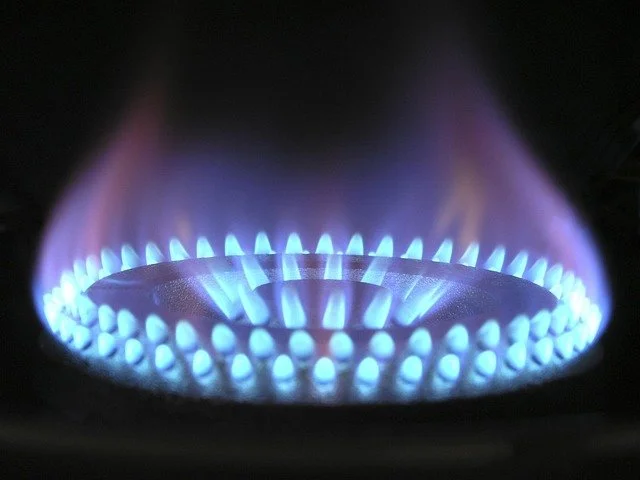
The air in our kitchens isn’t always as clean as we trust it to be. The stove seems harmless when it sleeps, yet methane can escape quietly even when the flame is out. Once ignited, the gas releases nitrogen oxides that linger in the air. The problem grows when the appliance is installed without proper ventilation, or when that ventilation goes unused. Short bursts of cooking have been shown to push indoor pollutant levels beyond recommended air quality limits. Children in homes where gas stoves lack ventilation are more likely to experience respiratory issues and asthma symptoms. These dangers hide in everyday routine. Using the range hood or opening a window helps the fumes escape, and paying attention when the stove acts up can prevent bigger issues from developing. If an appliance seems to burn too hot or produce more smoke than it should, it’s time to have it checked.


Even when the stove behaves, cooking itself has ways of filling the air with what we can’t see. High heat and a sizzling pan feel like comfort, yet when cooking oil reaches its smoke point, the air starts to shift. Those flavorful wisps can carry polycyclic aromatic hydrocarbons and volatile organic compounds—pollutants tied to lung cancer risks in research. Frying, charring, and even everyday high-heat cooking can trap harmful particles indoors if ventilation is lacking. Choosing oils that hold up better to heat and keeping temperatures controlled can reduce what enters the air unnoticed. The danger rises with the temperature long before anyone sees smoke.

Courtesy of Alexander Fox PlaNet Fox

And sometimes the danger isn’t in the ingredients at all. It’s in the tools we use to cook them. The nonstick pan that promises convenience can turn quietly against you over time. When overheated, coatings like PTFE release fumes that drift into the air. Scratches allow tiny flakes to break free and move into the food. These coatings have been associated with serious health concerns when they begin to degrade. That pan doesn’t shout for attention as it wears down. It simply waits until the damage is already done. Choosing cast iron, ceramic, or stainless steel where you can is a safer alternative.

Even the containers meant to protect our food can quietly betray us. Plastic containers feel like a harmless storage solution, but heat changes the rules. When exposed to microwaves or hot food, plastics can release chemicals like BPA and phthalates into meals. Both are known endocrine disruptors, with risks increasing as plastics age or break down. Even items labeled as “microwave-safe” may not withstand repeated high temperatures. The danger doesn’t present itself dramatically. It accumulates slowly with every reheated leftover, every warmed-up lunch. Replacing worn containers and choosing glass for hot foods reduces the risk.

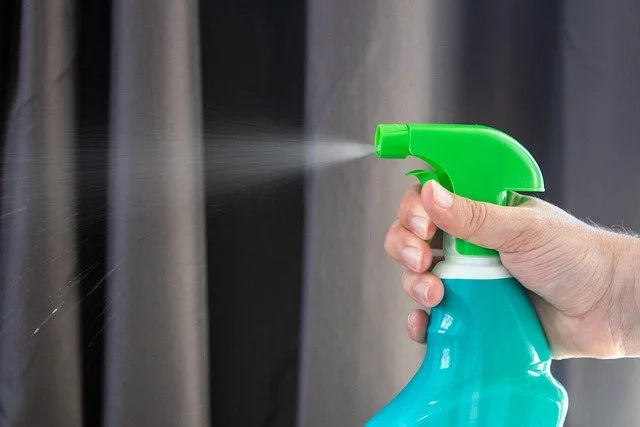
A fresh scent can hide something far less comforting. The sharp, clean smell left behind by powerful cleaners carries its own invisible threat. Many household disinfectants and fragranced products release volatile organic compounds into the air, especially in enclosed spaces. These chemicals may irritate the respiratory system and linger after the shine fades. Combining products like bleach and ammonia can even create toxic fumes. Using safer cleaning solutions and rinsing surfaces after harsh products can help keep the air less hostile.

And in the quiet corners where nothing looks dangerous at all, another threat multiplies. Even the everyday tools we trust are not always on our side. Sponges and dishcloths can harbor more bacteria than a toilet seat, spreading contamination with every swipe. Towels that never fully dry become quiet reservoirs that move germs from place to place. The danger here is not dramatic. It waits. It spreads. It thrives on ordinary habits.

The hazards may seem small on their own, yet together they shape the air and food we trust most. The kitchen is not cruel. It has simply evolved into a space where danger wears disguise. Once the unseen becomes visible, the atmosphere shifts. Small, thoughtful changes restore safety to the room that should comfort us most. When we uncover the invisible problems, we take back control of the home.

We depend on the tools that cook for us. If your major appliances spark, smoke, or behave in ways that feel wrong, don’t wait for the tension to build. ARS can make sure your appliances are functioning safely before the story takes a darker turn.


Website

Call: (214) 599-0055