home safety tips

The 9 Mistakes That Cause Most Grill Fires Before You Even Start Cooking

Learn the overlooked mistakes that contribute to grill fires, food safety issues, and expensive backyard mishaps.

There are few things that say "summer" quite like the smell of something sizzling on the grill. Burgers, steaks, vegetables, maybe even a rack of ribs if you're feeling ambitious. But while most homeowners worry about overcooking dinner, the biggest grilling mistakes usually happen long before anyone flips the first burger.

According to the National Fire Protection Association (NFPA), gas grills are involved in roughly 9,200 home fires every year, and grill-related injuries send more than 21,600 people to emergency rooms annually. Nearly one in five grill fires involves a grill that wasn't properly cleaned, and July consistently ranks as the busiest month for grill fires.

That's a lot of ruined dinners.

The encouraging news? Most of these incidents aren't random accidents. They often come down to maintenance, preparation, and a little overconfidence. Here are nine mistakes that can turn your backyard cookout into a story you'll be telling for all the wrong reasons.

Maintenance: The Problems That Start Days or Weeks Before the Cookout

Many grill fires begin before anyone even buys the hot dogs.

Grease is one of the biggest culprits. Over time, grease and fat collect inside the grill and in the drip tray below. When enough builds up, all it takes is a little heat to turn leftover residue into an impressive flame. That's why experts recommend cleaning both the cooking grates and the grease collection areas regularly, not just scraping off yesterday's burger bits.

Another maintenance issue isn't even about fire.

Wire-bristle grill brushes have come under increased scrutiny because loose metal bristles can break off during cleaning and stick to the cooking grate. If one ends up on your food, it can be swallowed without anyone noticing. Several medical organizations now recommend inspecting your grill carefully after cleaning or considering alternative cleaning tools that don't use metal bristles.

Finally, there's the mistake that's equal parts maintenance and planning: discovering an empty propane tank just as your guests arrive.
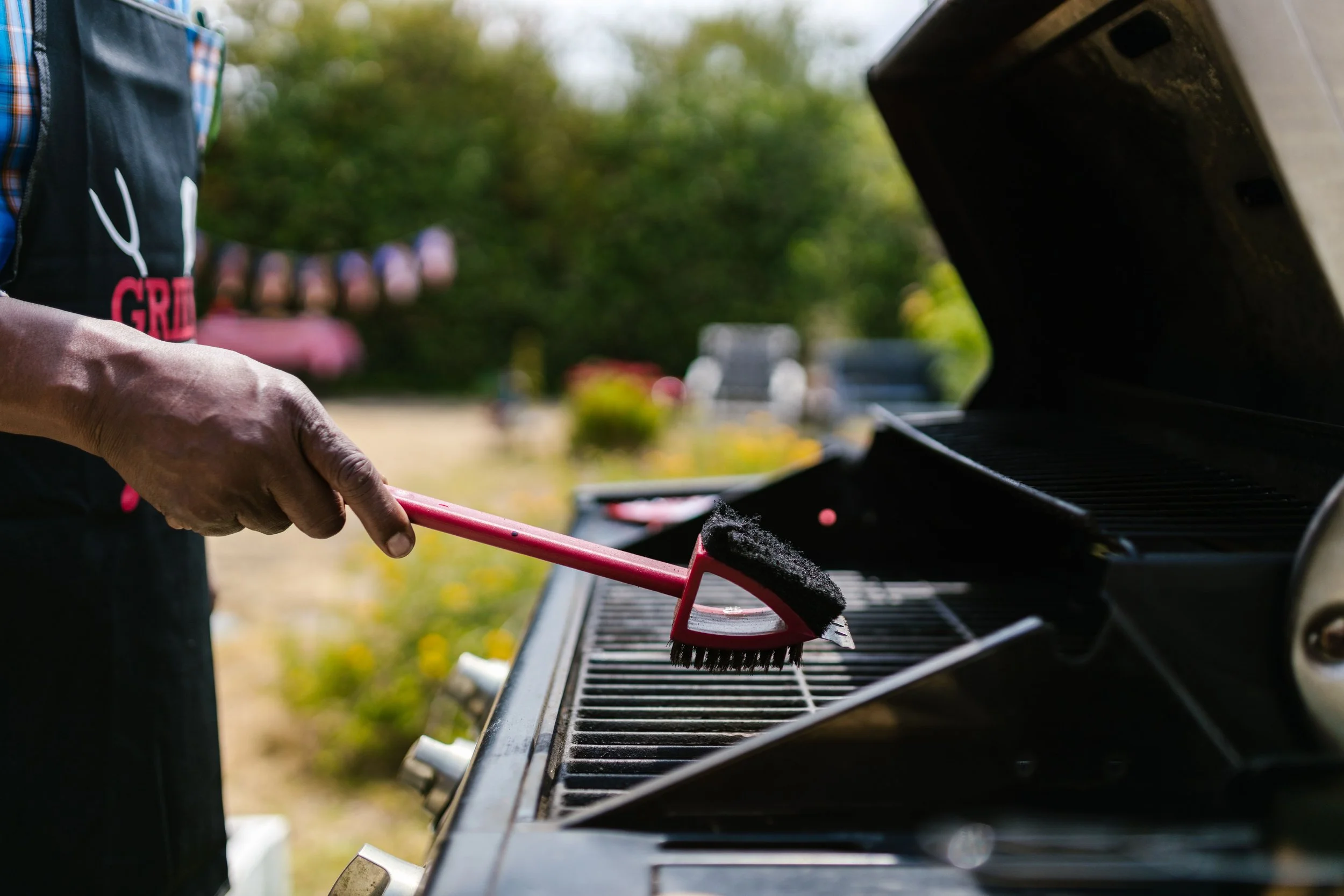
Cleaning grease and residue from a backyard grill

Courtesy of RDNE Stock Project

It isn't dangerous, but it may be the fastest way to turn "Dinner's ready!" into "Does anyone know if the pizza place is still open?" Checking your fuel before guests arrive is one of the easiest grilling habits you can develop.

Preparation: Small Shortcuts Tfhat Can Create Big Problems

Some grilling disasters start with perfectly reasonable ideas.

One cook, trying to light charcoal quickly, stuffed extra newspaper into the grill. Instead of speeding things along, burning scraps of paper floated out of the grill and drifted across waiting guests. Lesson learned.

Another infamous story involved using gasoline instead of proper charcoal starter. The result wasn't a faster fire. It was an exploding gas can that singed hair, eyebrows, and nearly damaged the house itself. It's an extreme example, but it illustrates why manufacturers and fire safety experts repeatedly recommend using only products designed for lighting charcoal grills.

Food preparation can also create problems.

One barbecue guest recalled chicken being brushed with the same marinade that had held the raw meat. Everyone who ate it became sick afterward. If you're marinating meat before grilling, make a separate batch for basting or serving. Reusing marinade that has already touched raw meat is a shortcut that simply isn't worth taking.

Preparation isn't the glamorous part of grilling, but it may be the most important.

Complacency: "I've Done This a Hundred Times"

Confidence is a wonderful thing. Until it convinces you that the rules no longer apply.

Some of the funniest grilling stories begin with someone thinking, "I've got this."

One backyard pig roast seemed to be taking forever to cook, so more hot coals were added around the meat. Unfortunately, rendered pork fat ignited, and flames erupted from every crack in the makeshift cooking pit. As it turned out, the thermometer was inaccurate. The pig had been cooked all along.

In another story, a rooftop barbecue attracted enough attention that someone called the fire department. Instead of a dangerous fire, firefighters found friends grilling burgers and steaks. The embarrassment lasted much longer than the meal.

Indoor grilling can be just as memorable. While testing spice rubs, one home cook filled an apartment with enough smoke from grilled chiles and spices that guests had to leave the apartment until the air cleared. It certainly made for an unforgettable party, just not for the intended reasons.

Then there's the homeowner who looked outside to discover flames shooting from a gas grill, hot enough to melt the control knobs and side shelves. A suspected propane hose problem may have contributed, but stories like this are exactly why experts recommend routinely inspecting hoses and connections before grilling season begins.

The common thread isn't bad luck.

It's assuming that because yesterday's cookout went smoothly, today's will too.

A Better Backyard Starts Before You Strike the Match

Nobody expects their family barbecue to become a cautionary tale.

Fortunately, most grilling mishaps are preventable with a little preparation. Clean away grease buildup. Inspect your propane hoses and fuel supply. Use the right lighting materials. Keep food safety in mind. And remember that familiarity shouldn't replace good habits.

Because the best grill stories are about the food, not the fire.

If you're the kind of homeowner who believes regular maintenance is easier than emergency repairs, you're speaking our language. At Appliance Rescue Service, we help homeowners keep the hardworking appliances inside the house running reliably all year long, so you can spend less time dealing with breakdowns and more time enjoying summer in the backyard.

Homeowner grilling outdoors during a summer cookout"

Courtesy of Kampus Production


Website

Call: (214) 599-0055

Haunting Hazards: Appliances That Cause Fires

Keep your home, family, and investment safe with this expert-backed appliance safety guide.

It’s that time of year again. The nights grow longer, pumpkins flicker on doorsteps, and every whisper in the dark sends a shiver down your spine. You half-expect the floorboards to creak with ghosts. But before you blame specters, consider this: some of the scariest things in your house are humming and clicking right now, hiding in plain sight. This isn’t about phantom footsteps or whispering shadows. It’s about wires, motors, lint-filled vents, and components pushed past their limits. And sometimes, yes — these haunted appliances can start real fires. Let’s stroll through your home… slowly. These are the everyday appliances most likely to misbehave. Watch for them. Then prepare. Because even in a modern house, the supernatural doesn’t need to exist to get flames.


The Oven That Smolders in Silence

Your oven is supposed to cook food — not cook your wiring. Over time, grease and food debris that build up across the inside surfaces can ignite when temperatures climb during normal usage. Even a heating element or internal wire that has become worn or brittle might short out under load, especially in older units. The self-cleaning function, though designed to burn off residue, sometimes overheats parts, accelerating internal damage instead of curing it. To reduce this danger, clean spills, charred residues, and built-up grease regularly (always after the unit cools), and never leave the oven running when no one is home. If, after using it, you detect a strange smell or flicker of light behind the door glass, stop using the unit immediately and call a technician to inspect it.


The Stove That Becomes a Cauldron

Courtesy of William Hadley

Simmering sauce is one thing — but your stovetop can turn into a fire risk if you're not careful. Many home fires begin right at the stove, often from unattended cooking, oil splatters, or pans left too close to open flames. A stray drop of hot oil can leap off a pan, or a rag or piece of cookery paper too close to a burner can catch fire in seconds. The danger grows when you step away, distracted by guests, texts, or just thinking ahead. The rule is simple: stay in the kitchen while cooking. Keep everything flammable — towels, curtains, ingredient bottles — well away from the stovetop. Have a fire extinguisher in reach and know how to use it, and if grease does ignite, never toss water at it; smother it with a lid or baking soda.


The Dryer That Smells Like Smoke

Your laundry room may feel cozy, but if your dryer begins to stink of burning lint, alarm bells should ring. Dryer fires are among the most common types of appliance fires. That’s because the lint trap, internal vents, and area around the heating element are prime spots for lint to accumulate. When vents are clogged, heat has no escape, and components begin to overheat. The result can be ignition in a narrow crevice you never see. To guard against this, clean the lint trap each time you run the dryer. Vacuum lint from around the dryer and behind it often. Schedule a professional vent cleaning annually. And never try drying anything saturated with oily substances or chemical residues — that one load can be the one that sparks a disaster.


The Fridge That Overheats Behind Closed Doors

Courtesy of Stephane

Refrigerators and freezers feel safe — quiet, cold, dependable. But lurking inside that comfort can be silent dangers. Electrical wiring can fray, insulation may degrade, or component failures might cause overheating near compressors or motors. A light bulb left active when the door sticks or fails to close fully can also generate unexpected heat inside an otherwise cold cavity. Blocked airflow or dirty condenser coils force the compressor to work harder, producing more heat than it should. To avoid disaster, make sure condenser coils are dust-free, inspect cords for wear or cracks, and listen for buzzing or hums that seem out of place. At the first sign of burning plastic or anomalous heat, unplug the unit and call for a technician.


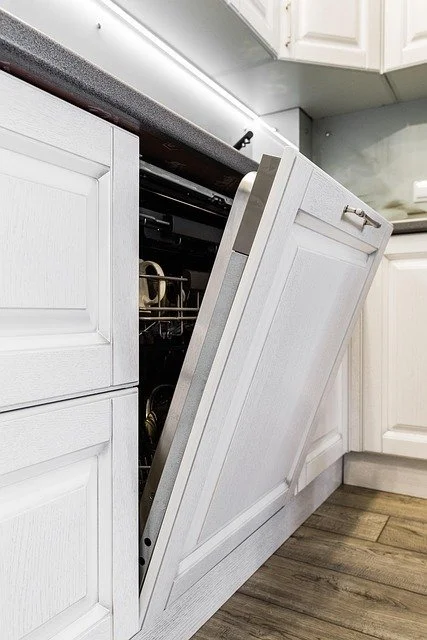
The Dishwasher That Conceals a Threat

Courtesy of LiudmilaB

Running your dishwasher while you sleep or run errands seems convenient — except that a hidden fault can turn it into a fire hazard. When a heating element shorts, when wiring gets brittle, or when a small leak allows water to reach electrical parts, sparks can develop in the dark, unnoticed. Even residual grease and stuck food bit inside filters and plumbing channels can heat up under a failing thermostat. The remedy is to operate your dishwasher while someone is home. Clean out filters and spray arms periodically to prevent buildup. During service calls, have hose connections and internal wiring inspected. That way, you won’t gamble your home’s safety on the quiet hum of a nightly cycle.


The Microwave That Turns Mischievous

Microwaves are ubiquitous — safe when used correctly, dangerous when pushed to the edge. A slip-up with metal foil or a stray spoon can cause internal sparks. Old wiring or worn components may arc under stress. And when food is overheated in non-microwave-safe containers, the internal circuits strain. That little pop or flash can quickly escalate. Use only microwave-safe dishes (no metal, no foil). At the first sign of a spark or crackle, unplug the unit immediately and discontinue use. If the problem recurs, bring in a technician to examine internal wiring and components.


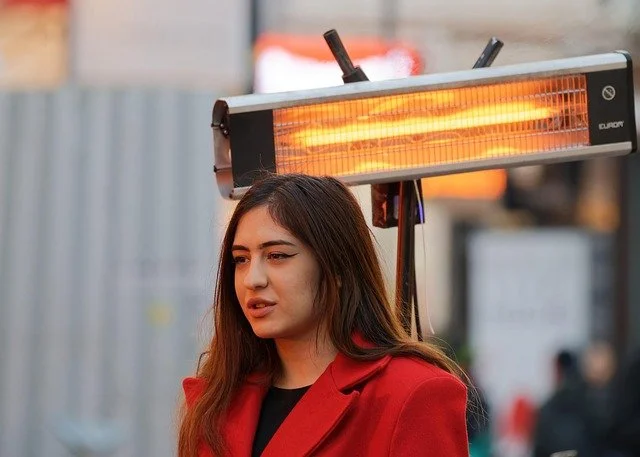
The Space Heater That Creeps Too Close

Courtesy of Mircea Iancu

A space heater gives warmth and comfort — until it’s too close to flammable material. Draped sheets, furniture edges, curtains, or rug fibers all pose ignition risks when placed too near. A heater plugged into an extension cord or overloaded outlet compounds danger. Running a heater while you sleep or leave the house is just asking for trouble. Always maintain a buffer zone of at least three feet around space heaters. Plug them only into dedicated wall outlets (never into power strips or extension cords). And for safety, turn them off whenever you wake up or step out.


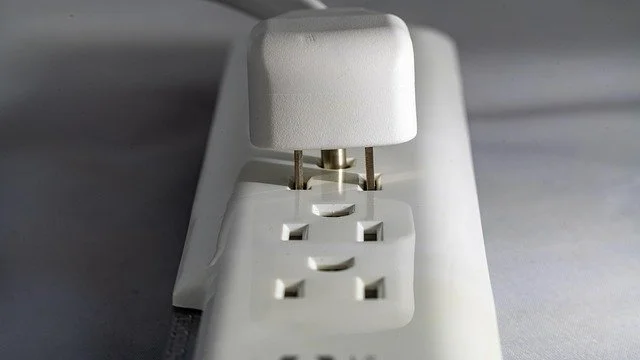
The Hidden Peril of Power Strips & Cords

Courtesy of Hucklebarry

You might start by plugging in one device, then another, then another — until an overloaded power strip becomes a ticking time bomb. Strips burdened with high-wattage appliances can overheat internally and spark. Running cords under rugs or behind heavy furniture wears insulation and traps heat. Frayed or damaged cords arc internally, igniting nearby material. Use surge protectors only for low-power electronics, never for major appliances. Keep cords visible, never pin them under rugs or furniture, and immediately replace any wire that shows wear, cracking, or exposed conductors.


When the Haunting Turns Real

A flicker in a hallway, a whiff of burning plastic, a breaker that trips again — those are not supernatural signs, they’re alarms your house is sounding. If you detect smoke or odd electrical hums, unplug the appliance (if it’s safe to do so) and shut the circuit off at the breaker. Don’t ever re-energize it, even just to “test.” Call a qualified electrician or appliance technician to assess the damage. Sometimes the fix is simple: cleaning vents, replacing wiring, or tightening connections. Other times, a full repair or replacement is necessary. The point is this: minor flaws can escalate fast. Don’t wait.


Don’t Let Your Home Become a Horror Show

You decorate your yard for jolts and thrills. You carve pumpkins and hand out candy. But inside — deep in your walls and behind your appliances — you want stability, safety, and silence. By staying vigilant, cleaning regularly, and calling professionals at the first hint of trouble, you right the balance. You transform your home from a potential haunted maze into a secure sanctuary.


This Halloween, don’t blame ghosts if your home begins to hiss, spark, or groan. Most of what seems haunted is just an appliance — stressed, neglected, or failing. And those appliances are likely your refrigerator, oven, stove, freezer, washer, dryer, dishwasher, or ice maker. If any of these major units act up, give Appliance Rescue Service a call. Whether it's inspection, maintenance, or repairs, we specialize in taming those haunted machines. Let us quiet your home and restore peace — no exorcist needed.

Stay safe. Stay observant. And let your only chills this season come from ghosts in films — not your appliances.


Website

Call: (214) 599-0055