6 Things You Need To Know When Planning Your Outdoor Kitchen

Make These Choices Before You Start PUrchasing materials

When planning your outdoor kitchen, there are a variety of factors that need to be kept in mind. A major one, before anything else, is deciding why you're doing this. 

Is your current home meant to be a permanent home for you and your family? 

Are you going to take pieces of your kitchen with you if you move, so everything has to be mobile? 

Are you the type of person who enjoys having the capability to rearrange furniture a few times a year? 

Or are you doing this to improve the market value of your home?

Each of these will have a deeply personal answer tied to how you look at your home.

Courtesy of maria-orlova


 For ones that aren’t as definitive, let's break down your choices from most to least complicated. 


Start by considering how many people do you want to make room for? What do you plan on doing in this space?  If this is an outdoor kitchen, are you doing it just so you can cook outside and have options during the year? Or is it so you can entertain outside? Do you tend to have a lot of people over, or do you prefer smaller, more intimate gatherings? Some options you might consider are a bistro table for two, a small island to hold 4 to 6 people: a large dining table, or an entire outdoor living room. 


 What about plumbing? Plumbing is definitely convenient, but it is costly. If you choose to add plumbing weather for washing up dishes, quickly getting water for recipes, or keeping yourself hydrated, each of these will present different options of what that might look like. However, all of them will require a licensed plumber or contractor. 


Courtesy of matheus-bertelli

You'll also have to winterize the pipes yearly to prevent them from bursting and destroying your yard and appliances. You'll almost certainly want somebody to check on them regularly to ensure everything is functioning properly. (Fortunately, Appliance Rescue Service does offer maintenance checks! It really is necessary, though, given how easy it is for something to get blown into places where it shouldn't be.)


You'll also need to ensure that any materials or appliances you choose are UV-resistant, scratch-resistant, and stain-resistant. 

UV-resistant materials mean that they're not going to degrade over time, thanks to continuous or heavy exposure to the Texas sun. 

Courtesy of enric-cruz-lópez

Scratch-resistant is important not only because of keeping what you purchase looking nice but also because scratches provide areas where food and bacteria can get stuck and thrive.

Stain-resistant is much the same. If you invest in building yourself an outdoor kitchen, you want it to continue looking nice. 

Some examples of materials that would work would be exterior quartz, porcelain, and weatherproof tiling.


No matter which decision you come to about your reasons for building an outdoor kitchen, modular cabinetry is a boon. You can choose exactly what you want in what configuration you want. With a few tips and tricks from a builder, it looks like it's built-in. And if you move or want to redo your backyard, you can easily pick it up and move it around. 

 Finally, you need to decide on what type of appliances do you want?

 Do you want to stop at a grill, or do you just think that you have to?

You can put in a grill.

You could add a smoker and not only use it for cooking but also to cure your own meats.

You can add in a pizza oven and offer homemade stone-fired pizzas.

Or you could put in beer taps and have your favorites always available.

You can easily add an outdoor refrigerator for easy food storage ahead of meals and to expand your storage space inside

Courtesy of Rachel Claire

. You can even put an induction stove outside, which is wonderfully safe when dealing with children. (The burners only heat up when in contact with the pot.)

All of these, of course, will be based on what you want to get out of an outdoor kitchen. Which means taking a look at how you cook.


We love cooking outside at Appliance Rescue Service. Working on a grill adds an entirely different flavor to your food. And although we love and have advocated for indoor grilling options, those don't add the charred smokey flavor. That's us, though. What about you? Tell us which you prefer over on our Facebook page. As always, we love to hear from you. 


 If you're concerned about the outdoor kitchen you already have, maybe the appliances aren't working quite right; we can help. You can set up an appointment with us that fits your schedule by contacting us via phone ((214) 599-0055) or our website. We'll send over our technicians at the time you've chosen to figure out what's going on and how to get everything running smoothly again. Appliance rescue service, our goal is always to work with you.




Modern Victorian: How To Achieve the Look In Your Home

Bringing the Historical To Your Home

Did you ever dream of the Victorian period's lavish balls and parlor rooms? Or watch a show or movie set in the time and wish you could decorate your home the same way? Well, you absolutely can. 


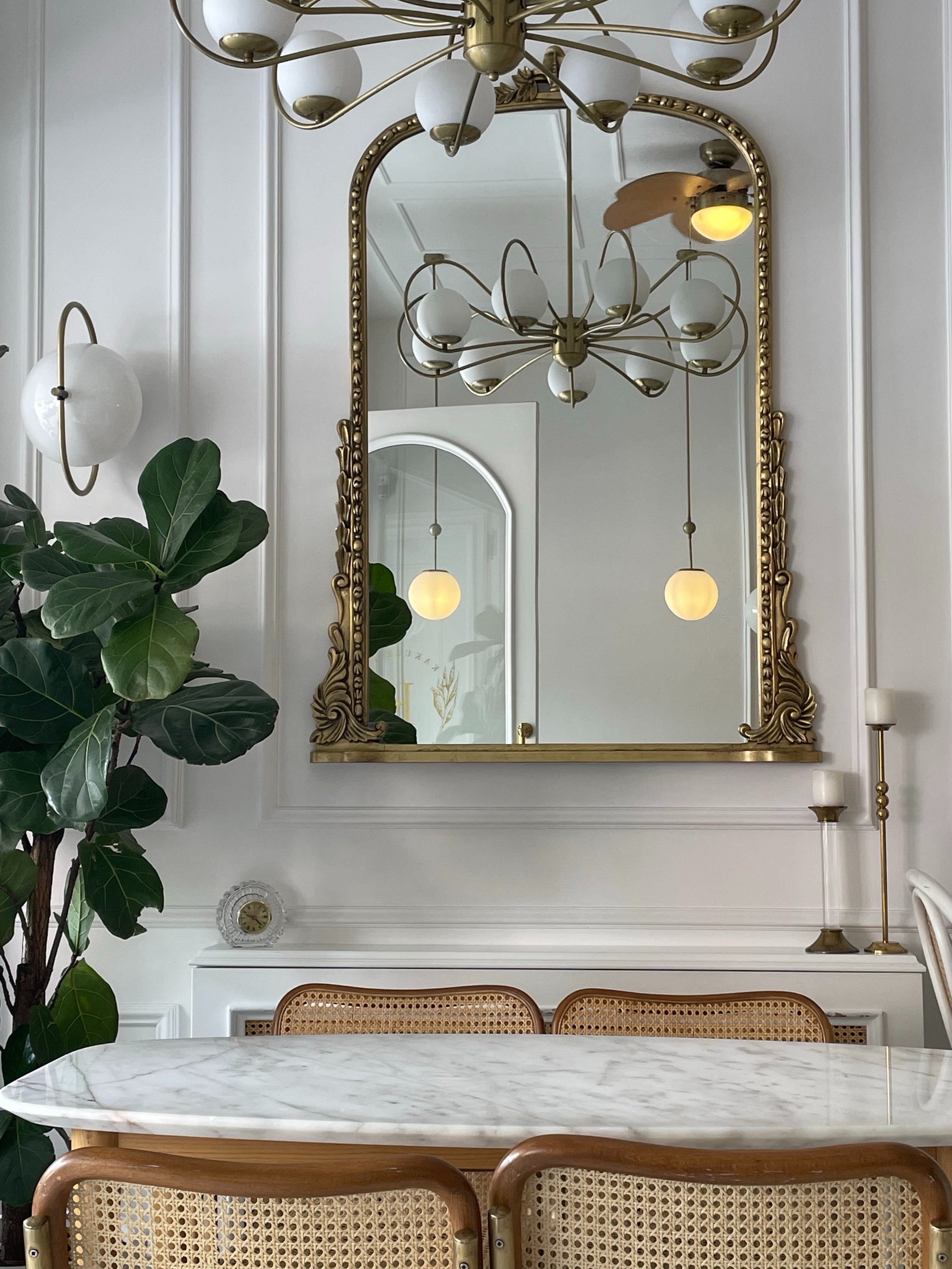
The Victorian period stretched from 1837 to 1901 roughly. You saw a certain style within the homes of the well-to-do, the aristocracy, and the nobles. It was easy to identify by an exuberance of ornamentation influences from throughout history and handicrafts. It was also often compartmentalized, breaking rooms into smaller pieces and rather dark, given the shape and space allowed for homes in England. Although the Victorian period has ended, our love of it hasn't. Victorian style has been mixed, remixed, and adapted in various ways, which is why it's still so popular.


Remember that you can still pull off a Victorian style even if you don't have a large Victorian manner or an old home. All you need is a few of these tips.


Highlight Good Bones, Don't Hide Them 


 Rather than hiding the bones of your home, bring attention to them. Do you have wood flooring, any marble, or dark framework? Great! And if you don't naturally have this, there's a decent way you can imitate it. You can also refurbish and draw attention to old brickwork fireplaces, radiators, and mantles.


Pair Ornamentation With Simplicity 

Victorian homes were packed to the brim with detail, which can be very overwhelming to modern comfort. Instead, try allowing room for each. Put a heavily detailed piece in the middle of an open wall.


Imitate The Look Of Bay Windows 


 Even if your home doesn't come naturally with bay windows, you can still have the look of these beautiful Victorian features. You can use a pair of double-door Shutters to frame an entryway, such as a solarium or orangery.


Yes, Your Lighting Does Matter 

As we said up top Victorian homes were often dark. This came from the time of the industrial revolution, at least if they were in London. The fog at the time was so thick that lamps would be lit by mid-afternoon. Add to that that most lamps were not electric yet but were instead still powered by gas. So lighting was either what little natural lighting you could get through your windows or provided by lamplight and candles. For the modern reader, though, you want something else. Instead, when choosing your lighting, think of each piece as part of the whole room. They can all be bold, sumptuous, and intricate but they should also work together. Choose pieces that mimic one another, even if it is in subtle ways.


Juxtapose Scales


 Victorian homes were often private collections of The eclectic and strange. If you're not interested in building your own cabinet of curiosities (if you are, we'll get to that further down), consider instead using scale. Pair large patterns with smaller paintings or oversized bookshelves in a small room. It gives you the same feeling of drama that the Victorians loved without needing your home to be so cluttered.


Work In The Natural


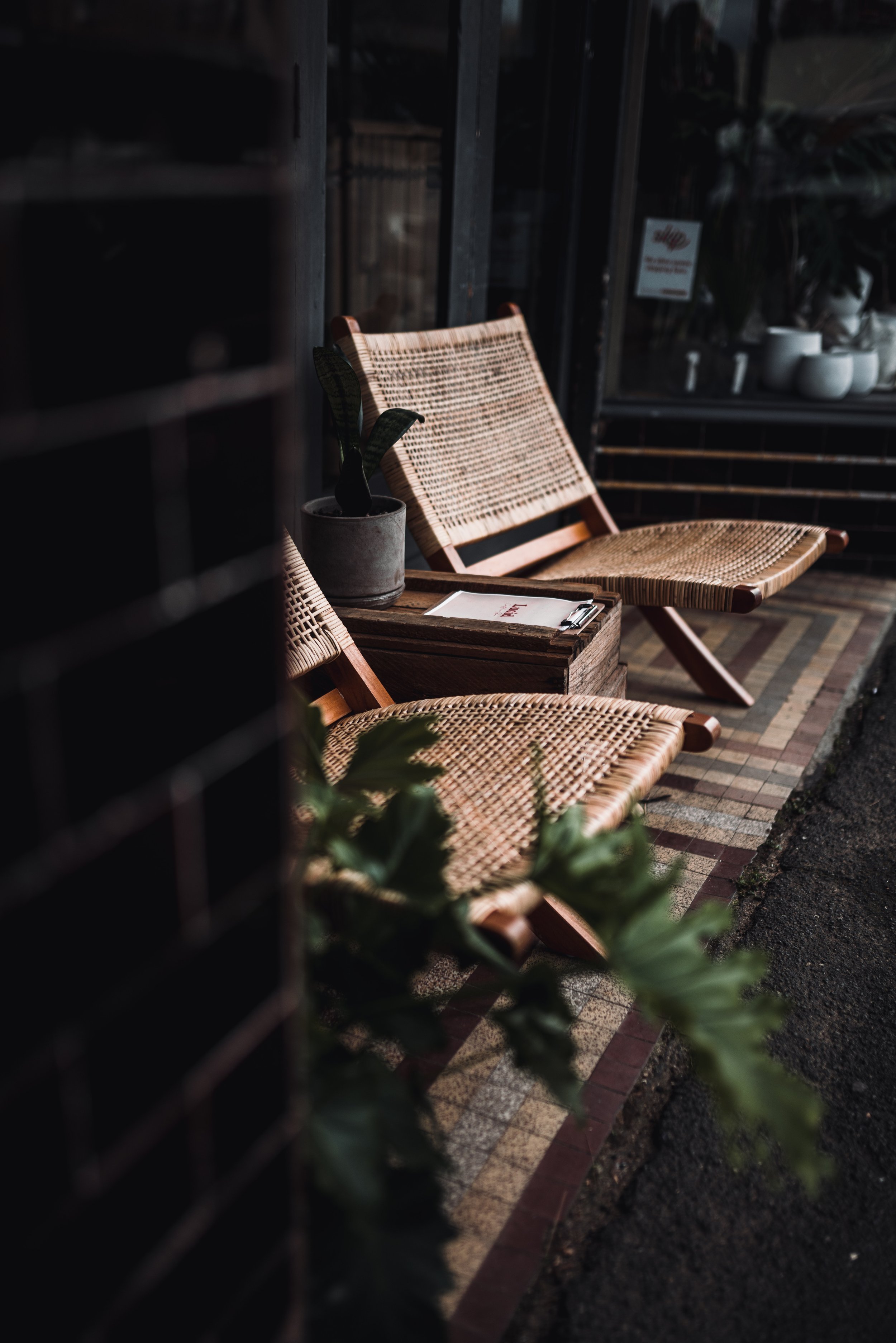
Victorians loved nature from their perspective of manicured gardens to their floor arrangements to their decor. If they could bring in the natural world, they did. It makes sense to find places you can do the same. Can you bring in accessories made from natural fibers? Can you bring in furniture made of wicker or rattan? Do you have a love for botanical drawings that you can frame and hang?


Carefully Curate Your Clutter

Remember how we were talking about curio cabinets? This is that concept. In a Victorian home, you curate what gets displayed, and the rest gets hidden in stylish cabinets. Feature finds from your latest vacation, favored books, or strange things you've discovered over time. 


Go For Bold

On a final note, don't be afraid to go big and bold. Victorian decor was much more colorful than today's styles. Bring in jewel tones and huge patterns; there's no limit. What matters is how you balance these things. 


Are you as in love with Modern Victorian as we are? Let us know over on our Facebook page! 


If you're here because "redoing your home" started because of a flood thanks to your washer, we can help. Reach out to us via phone at ((214) 599-0055) or our contact page, and we will work with you to find a date and time to send one of our expert technicians over. At Appliance Rescue Service, our goal is to help you and get your home running smoothly again. 


Healthy and Flavorful: A Caponata Recipe That You'll Love

Because who says you can’t have both in one recipe? 

Have you ever realized that a lot of companies that claim to make healthy food, also make it really bland? It’s flavorless and lacks texture, and the best you can say is that it doesn’t leave you feeling sick. 


Yeah, we know those meals, and we hate them. SO, we’re offering up this recipe for Caponata, an easy veggie recipe that is packed full of flavor and will leave you full. If you want you can also pair it alongside a smaller portion of pasta or polenta for a more filling meal, or as a lunch made up of leftovers. 

Ingredients:

1 lb eggplant

1 cup pine nuts

1 red bell pepper

1 yellow bell pepper

2 carrots

3 green onions

1 rib celery

1/2 cup currants

1/3 cup olive oil (+/-)

3 tablespoons red wine vinegar

2 cloves garlic

3 tablespoons tomato paste

2 tablespoons parsley

1 tablespoon basil

1 tablespoon sugar

salt and pepper to taste

Tools:

Baking sheet (1/2 size for toaster oven)

Cutting board

Knife

Bowl (x2)

Cheese grater (optional)

Large frying pan with lid

Measuring cups and spoons

Fine sieve or colander

Can opener

Timer

Serving spoon

Let us start off by saying that caponata is a very flexible recipe (sub things in or out as you wish), but it is not a picky eater approved recipe. Please do not attempt to feed this to fussy small fries or to the family members whose gut-check reaction to anything vegetable is "why?" or "ew." We will not be held responsible for the griping.

Be prepared to spend a good deal of time cutting vegetables for this recipe. We highly recommend toasting the pine nuts (just as they are, don't be tempted to oil or season them) in the oven for about 15 minutes while you chop your many veggies. At least that way you're making progress on two fronts while you bore yourself chopping, and it adds some nice depth of flavor to the final product.

As always: be sure to wash your produce!

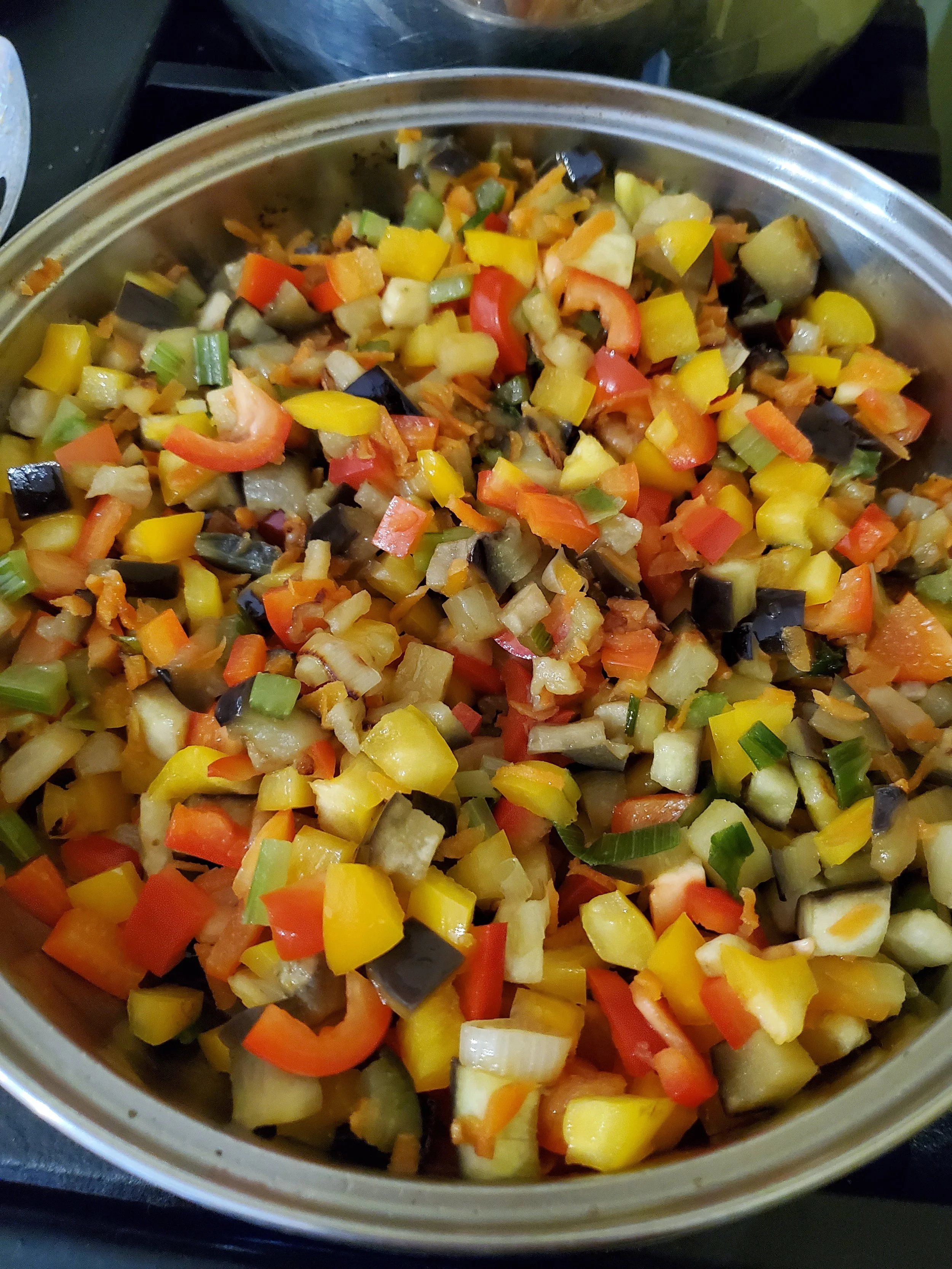
Start with the eggplant. Trim the top off, and halve it down the center so you have a flat side to set it on while you cut. No one likes escaping veggies, or nicking fingers trying to catch them. Your goal is to cut this large, funny-looking vegetable into a half inch dice. Once you get it diced, move it to one of the two bowls.

Next up will be your green onions. Trim them up and just roughly chop them, then dump them into the bowl with the eggplant.

Mince or slice your garlic (some families have strong feelings about a preference here, but we don't much care as long as it lands in the pan), and toss it in with the eggplant and the green onion.

That lonely single rib of celery goes next. We find it easiest to cut it lengthwise into thirds before we start the widthwise cuts, that way the chunks of celery aren't so big they end up accidentally taking over the meal. Once it's cut, those pieces go in with the rest so far.

And the carrots you've got can either be chopped or shredded. The regular carrots at our grocery store were sad looking this week, so we subbed in a double handful of baby carrots and shredded them for uniformity. The carrots join the others in the bowl.

That bowl is looking pretty full, isn't it? Time to start on the next.

Take the tops off your peppers and remove and discard the seeds and ribs. Chop down to half-inch dice like the eggplant and move them to the second bowl. 

Now you're finally done with the cutting board and the knife, just in time to need a measuring cup!

Measure out your currants and toss them in with the peppers.

Take the capers out of their jar, but don't add them to the bowl yet. These little guys are STRONG, so plop them into a sieve or colander and rinse them thoroughly. Once they're drained, they can join the currants and peppers. 

Toss your parsley and basil on top of that second bowl.

And right about now, the timer should be going off for those pine nuts. Just turn off the heat and let them sit for a while; their turn will arrive soon enough.

Now we move our attention to the frying pan on the stove. Pour enough olive oil to coat the bottom of the pan and light the burner. Set to just over medium and heat until the oil starts to shimmer. Be careful not to set it too high - olive oil has a low smoke point, and you do not want the smoke detector to give you an unnecessary wake up call.

Once the oil is hot, dump the eggplant bowl into the pan. We know it looks like there's not going to be room for anything else - don't worry, it will cook down. Give it a quick stir, then cover the pan. Set a timer for six minutes. Stir occasionally during that time.

When your six minutes are up, push the eggplant mixture to one side of the pan. Add a little more oil, then the bowl of peppers. Stir again and let it cook, uncovered this time, for another three or four minutes.

As the peppers soften up, you're safe to add the pine nuts. Just pour them all in there and give everything another stir. You'll probably need to add another splash of oil at this point, along with the red wine vinegar, the tomato paste and the sugar. (Adding the sugar here offsets the funky smell of the vinegar and helps balance the acidic, tinny taste of the tomato paste.)

Stir. A lot.

We know that tomato paste looks like it's never going to stop being a blob in the middle of the pan... But give it time, and don't quit stirring.

Once everything is incorporated (finally!), use a serving spoon to scoop out a serving to enjoy. We put ours over polenta, but that part is totally up to you.


Let us know over at our Facebook page what you thought of this recipe. We love hearing how they turned out for you. 


And if you need new appliance performance, preferably also without the jumbo-sized price tag, maybe reach out to our service department. You can reach them through our contact page, or by giving us a call at ((214) 599-0055)


Blending Your Own Teas

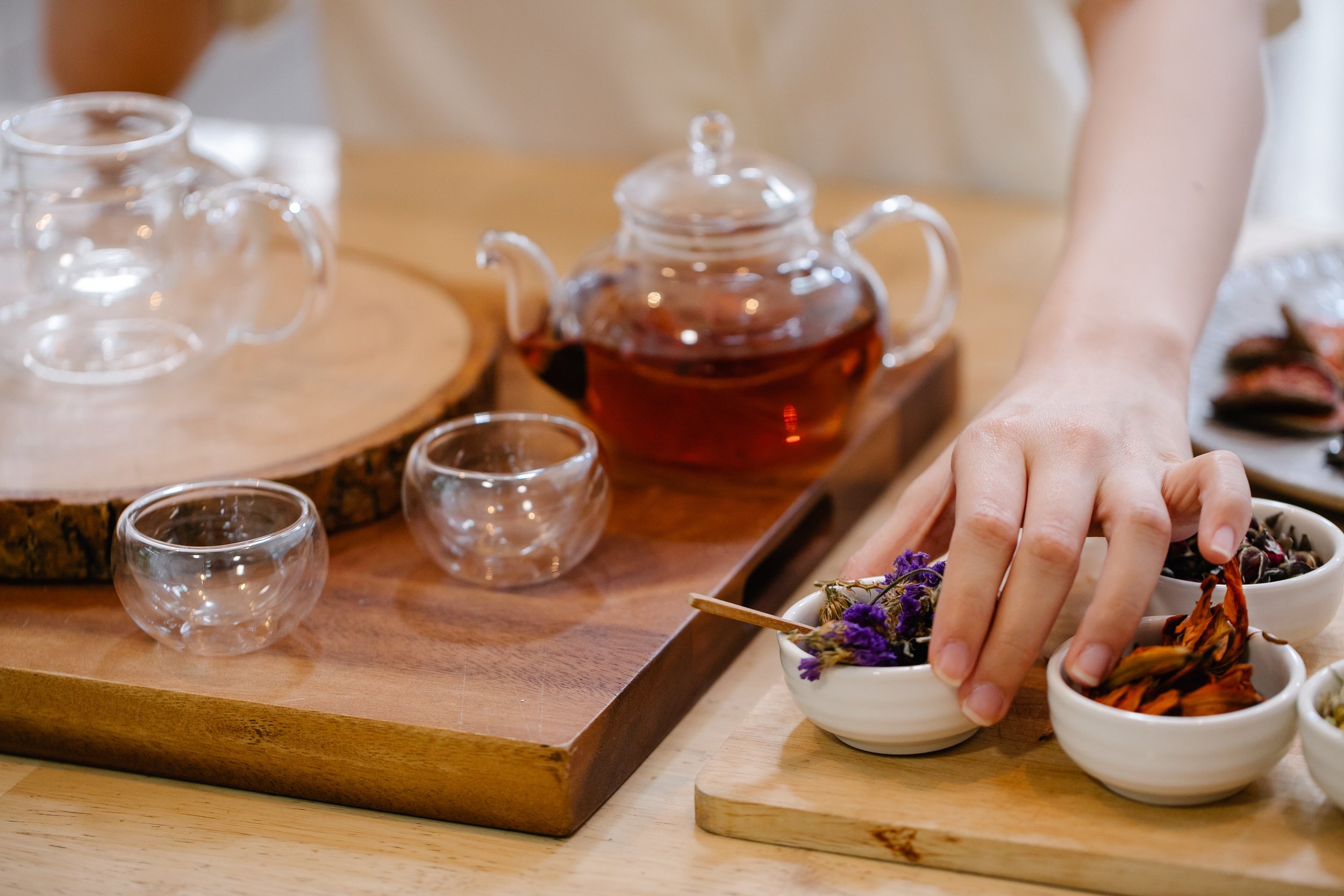
If you were here for our post earlier this week, you'll be excited as this week's post is all about how to blend your own teas! Will be taking a look at several different varieties of herbal tea that you can make from the plants we mentioned in our last post.

Like we said in our first post, please do not take anything said within this post or are growing your own herbal garden post as medical advice, and Appliance Rescue Service is not to be held liable in the event that you do choose to do so under your own cognizance. 

However, many of these teas can help with various medical issues as much medicine derives from our natural world. Therefore we would suggest, if you do find yourself interested, to discuss it with your primary caregiver not as an alternative to medicine but to be used in conjunction as part of a whole-body healing approach.


We prefer not to repeat ourselves when it's possible to avoid it, so although many of the herbs and spices are used in several different teas we'll talk about the benefits of them when they're first mentioned rather than repeating it for each tea. If different benefits are used in different teas we will of course talk about them where relevant.


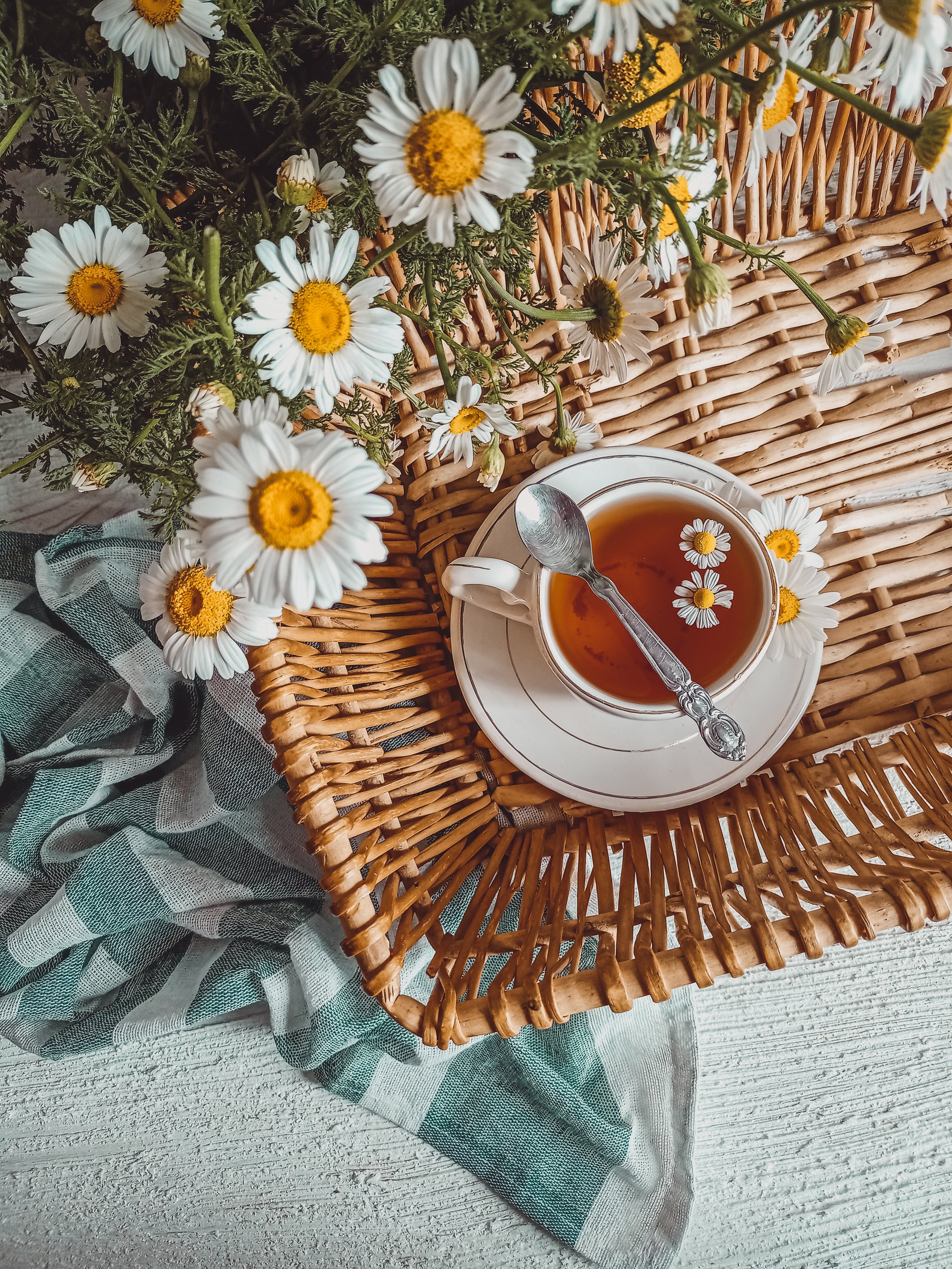
Courtesy of Frantiska Ambrozovya

Headache B Gone
1 part spearmint
1 part black tea
Orange zest to taste

Medicinal Properties – this tea is particularly good when you have headaches. The combination between the spearmint and the black tea would be similar to taking Advil or Tylenol. Spearmint specifically is good for treating headaches, while black tea adds a hit of caffeine that is seen in many headache treatments.


Lemon Sunshine
1 part lemon balm
1 part lemon verbena
½ part lemon thyme
⅛ part lemon zest

Courtesy of anna-pou

Medicinal Properties – this tea is a good all-around pick-me-up. Lemon balm, lemon verbena, and lemon thyme all have effects on various parts of the body. Working together, they can soothe everything from heart palpitations to soreness to indigestion and nausea. With all of these various lemon-flavored herbs Plus actual lemons zest, you also get a very nice morning tea to help you kickstart your day.


Lady’s Cup
1 part chamomile
1 part red raspberry leaf
½ part peppermint or spearmint
Just a pinch lavender

Courtesy of işıl-agc

Medicinal Properties – this soothing floral tea is wonderful at the end of a rough day. Although red raspberry leaf does aid in several feminine issues there is no reason that a male cannot drink the tea. All of these together have a very calming and relaxing effect on both the nervous system and the brain.


Courtesy of Bru-nO

Stomach Soother
2 cups of water
2 teaspoons peppermint leaf
½ teaspoon fennel seeds
1/2 inch knob of ginger 

Medicinal Properties – if you're having stomach issues such as nausea or diarrhea and can't stand to keep much down this is a good tea to turn to. As we mentioned in our garden post, Ginger is a fantastic stomach soother for most people. Combined with the fennel seeds and peppermint leaves into a tea that will perk up your appetite but it also will help in calming most stomach issues.


Elderberry Tea
2 cups of water
2 tablespoons elderberry syrup (or one heaping tablespoon dried berries)
1 cinnamon stick
2 cardamom pods
Simmer for 30 minutes.

Courtesy of pasja

Medicinal Properties – the cinnamon and cardamom in this tea are flavor additives rather than being part of the medicinal action. That comes from the elderberries which support a healthy immune system thanks to all of the antioxidants that are packed into the berries. Depending on how you decided to preserve your harvest you can use a syrup or a heaping tablespoon of the dried berries while making this tea. Many suggest drinking One 8 oz cup of this a day during flu and cold season.


 Rosemary-Mint Tea
Two (4 inch) sprigs rosemary or 2 teaspoons dried
About ¼ cup dried mint, either peppermint or spearmint
Pinch green tea

Medicinal Properties – Rosemary has been shown to have a positive effect on the prevention of aging in the brain as well as protecting the brain from damage due to free radicals. It has also been shown to help improve recovery in stroke patients. Combined with green tea and peppermint, this is a wonderful tea for studying and during a long day of work. 


Garden Tea
1 part Purple sage leaves
1 partLemon balm
1 part Peppermint or spearmint
1 part Rose petals 

Medicinal Properties – this tea is another general pick me up combining the benefits and flavors of several different herbs and spices. Sage is ideal for many different throat-related issues and is commonly used in gargles. It also acts as a wonderful digestive stimulant which means this could be an ideal after-lunch tea.


Lavender-Mint Midnight Tea
1 part lavender
4 parts peppermint (or spearmint if you like a milder mint)

Medicinal Properties – as we said earlier, peppermint is a very soothing and calming flavor, and combined with lavender, this is an ideal middle-of-the-night tea. If you're having trouble falling asleep or falling back to sleep after having woken up, this is a tea we recommend. Lavender is regularly part of different cures for insomnia, both as a tea and as aromatherapy. It helps to calm the mind, which is why many use it in this fashion. 


Summer Sunshine Tea
1 part chamomile 

¼ part lemon peel
1 part peppermint
1 part sage
Pinch clove

Medicinal properties: This is very much a calming tea while also feeling like you soaked up the sun. The warmth from the clove and lemon combined with the calming effects of the chamomile and peppermint make this tea a wonderful one to have on hand in the middle of winter.


Which one of these tees are you most eager to try? Let us know over on our Facebook page, as always we love to hear from you!


While you wait for your tea to brew, you might need someone to take a look at your ice maker to get you through the summer heat and cool down that delicious tea. (All of these can be served over ice! You'll just need to double the recipe to ensure the flavor isn't lost.) Fortunately, Appliance Rescue Service does indeed service ice makers. You can reach out to us via our contact page, or by giving us a call ((214) 599-0055). We'll work with you to choose a date and time that works best for your schedule. 


Building a Tea Garden 101

What It Is, What It Could Be, And Why In the World Would You Even Want One?

Have you ever looked at a box of tea in the store and thought, "I could do that better"? Or maybe you opened up the tea bag when you got home and saw that it was only a tiny amount of chamomile and a much larger amount of mint. Or maybe you're just a curious sort, and you want to know how to mix your own tea blends. That's where this week's post comes on; we're taking a look at the first step to answering those questions, which is growing your own tea garden. We'll walk you through what you need to consider, the benefits that there are, which plants are good for a tea garden, and some of the important things to keep in mind as you harvest and store your tea.


Deciding What Type Of Plants You Want in Your Tea Garden

Naturally, the first thing you have to look at is what type of plants are you going to grow? Well, we won't go too deeply into this section; these are questions that you should consider as you do research.


What type of garden do you want? 

    Annual or perennial? 

Do you want plants that you need to grow from seed every year? Or would you rather grow one's where you plant them once and reap a harvest for years to come?


Indoor, in containers, or in a plot?

How do you want to grow your plants? Do you love having them scattered throughout your home? Do you only have a porch and so you need to grow them in containers? Or do you have a garden in your yard that you can dedicate to this? Or are you going to go for broke and turn the entirety of your yard into a tea garden?


    To treat specific issues? 

Do you want to treat specific issues? Do you want to grow plants for a singular purpose or would you rather experiment and see what you can come up with?


Benefits To Growing Your Own Tea

All right so you've done your research, and now you can grow your own tea. What are the benefits though? After all that's a lot of work when you can just as easily go out and purchase it at Whole Foods or Central Market.


  Gifts Galore

      Let's start off with the low-hanging fruit; you will never run out of gifts for people. Whether it's the overabundance of mint, or knowing precisely which plants to mix together when someone has had a rough day and needs a pick me up, having your own tea garden is a never-ending source of gifts and ideas. If you're willing to throw in a little extra work, you can even take the plants you've already harvested and turn them into skin care products, soaps, candles, or even potpourri. All from the same garden and the work you've already put in. 


  Treat Some Health Issues At Home

     While we will never say that you should treat everything on your own or that you should not go to a doctor, sometimes a doctor will recommend you over-the-counter medicine or a day of rest.  For those days? Mint and Ginger is great for soothing your stomach. Sage and licorice root are great for a sore throat, although maybe not together. And a cup of chamomile tea is fantastic when you've had a rough week.


Important note: Please do not take anything herein as medical advice, and always make sure to speak to a medical practitioner before taking any teas in conjunction with medicines you have been prescribed.


  Help Pollinators For Your Garden And Those Around You

      By growing your own tea garden, you provide food for the natural pollinators in your area doing so means that not only will your garden flourish, but so will those for miles around you. It is one small way that you can help take care of your community without having to do anything extra. 


Blend Your Own

In our opinion, one of the best benefits for growing your own tea garden? You get to blend your own teeth. If you're in the mood to experiment you can try adding a little extra to a recipe and see how that affects the flavor. Or you might substitute in rose hips instead of lavender to give a blend something different. You don't have to trust that you'll like precisely what's in a box and then potentially end up with a box of tea that you don't like. If you don't like what's in one bag of tea, write down the recipe you used and what you didn't like about it and next time you can do it better.


Plants for Your Tea Garden 


Before we dig into these, we want to point out that while we are providing the botanical names for these plants, there are varieties. Whether you want to grow one plant or many of them, please do more research into them talk to other gardeners and, especially those that grow their own tea, to learn more about the plants for your own safety and health.  


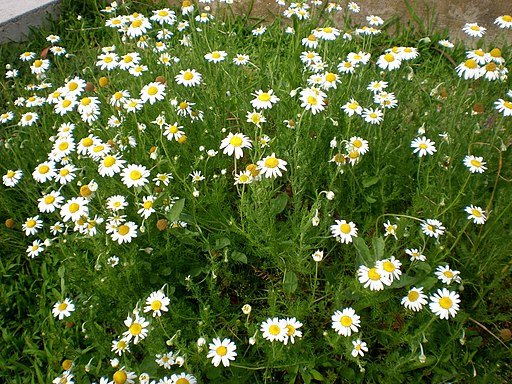
Roman chamomile

Official Name: Chamaemelum nobile
What it’s used for: Roman chamomile has been used to treat nausea, heartburn, gas, vomiting, and anxiety. It has also been used to ease the discomfort of swollen gums.


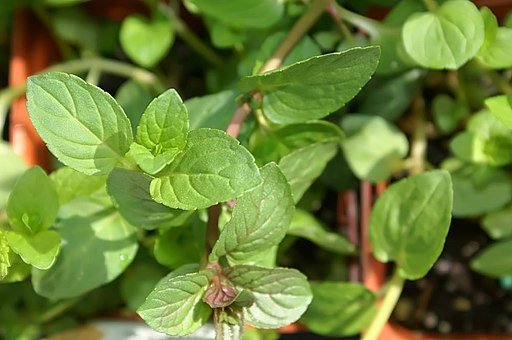
Mint - For any variety of mint, make sure that you keep it contained somehow. This might be growing it in a planter, or keeping it well away from anything and surrounded by concrete, or you can even let it grow inside and away from any other plants or dirt. Mint is one of the hardest plants that there is and if there is a tiny bit of dirt around it it will send out runners and set up an entirely new patch before you can say 'boo.'

Official Name: Mentha ×piperita
What it’s used for: Peppermint specifically has been used to treat upset stomach, digestion, help with anxiety, and also treat headaches brought on by stress.


Roses

There are many different varieties of roses that are edible, and you’ll want to choose one that has a very strong aroma, as that means the flavor will be stronger.
What it’s used for: Rose hips are often used to treat stomach issues and are high in antioxidants.


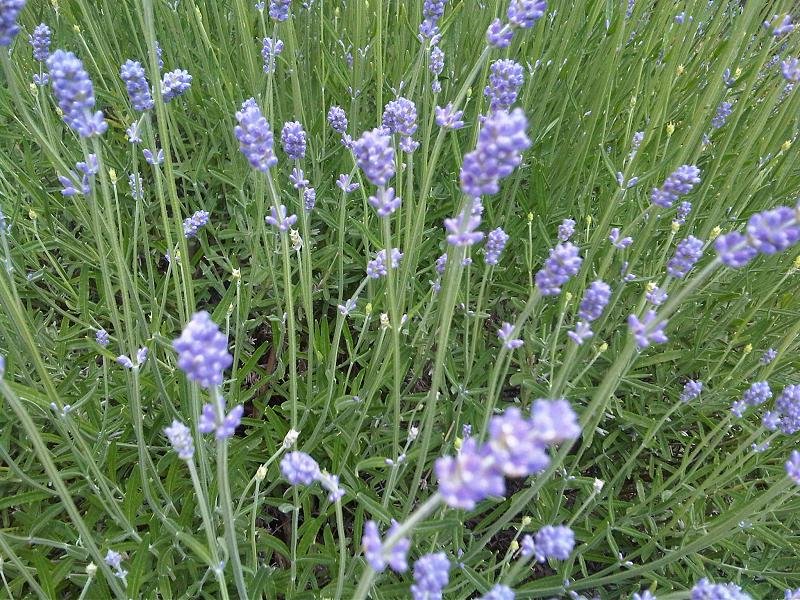
Lavender

Official Name: lavandula angustifolia
What it’s used for: Lavender is used to help reduce stress and anxiety, which has also been shown to help you fall asleep at night. It also helps to boost the mood and alleviate symptoms of mild depression, according to preliminary studies from 


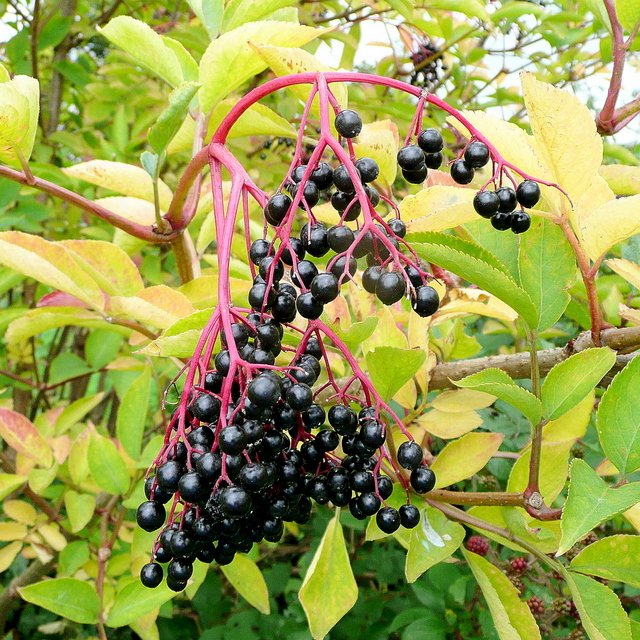
Elderberries -Technically speaking, elderberry is a shrub, and you should keep that in mind when it comes to planning out your garden; you don't want to leave the amount of space for a plant like rosemary and end up with a tree.

Official Name: Sambucus nigra
What it’s used for: Elderberry tea is packed with anti-inflammatory properties and has often been used in treating not only the cold and flu but also in reducing swelling, joint pain, and muscle aches.


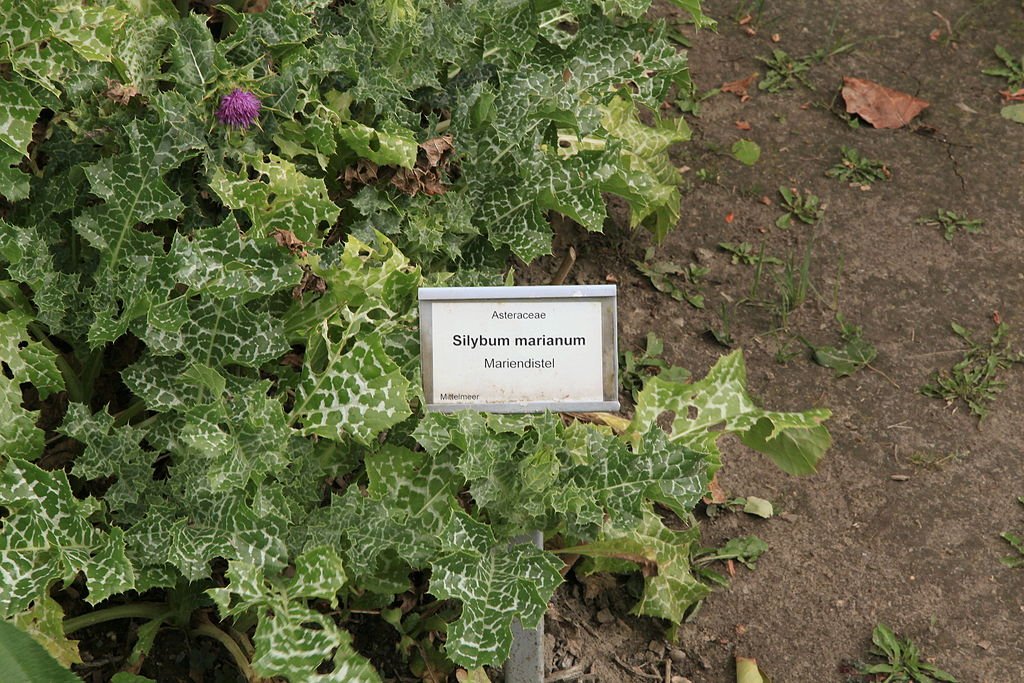
Milk thistle - Milk thistle is another one that you need to keep carefully contained. Much like mint, make sure that you plan out ahead of time how you're going to do that.

Official Name: silybum marianum
What it’s used for: Milk thistle has often been used for protecting and strengthening the liver and for aiding in managing diabetes. 


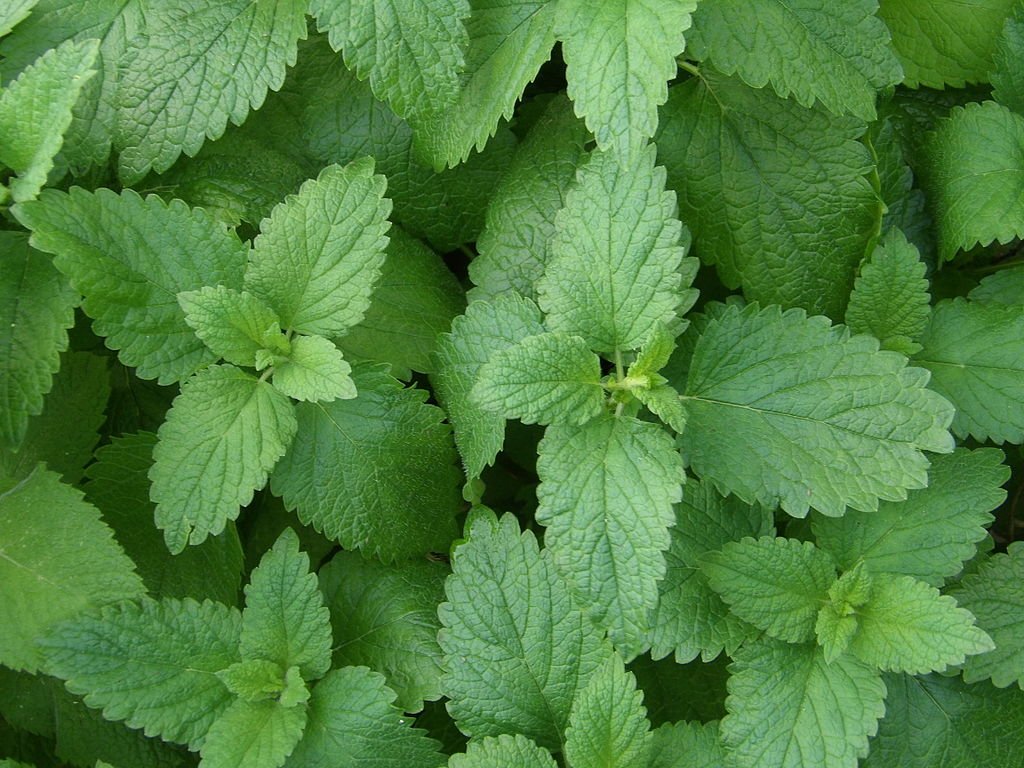
Lemon balm -  It''s best to harvest lemon balm right after the flowers have grown and bloomed.

Official Name: Melissa officinalis
What it’s used for: Lemon balm has long been used to reduce stress and anxiety, to improve the appetite, and to help with sleep.


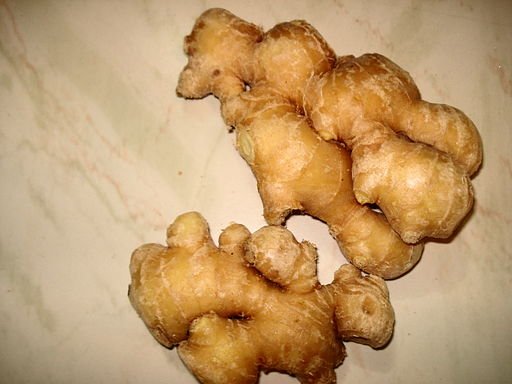
Ginger - For ginger, it's not the plant that you want; although the flowers are lovely, it is the root. You can slice or grate it for making teas.

Official Name:  Zingiber officinale
What it’s used for: Ginger has long been used to aid with nausea and vomiting, to help with the pain of osteoarthritis, and also to help treat colds and cold-like symptoms.a


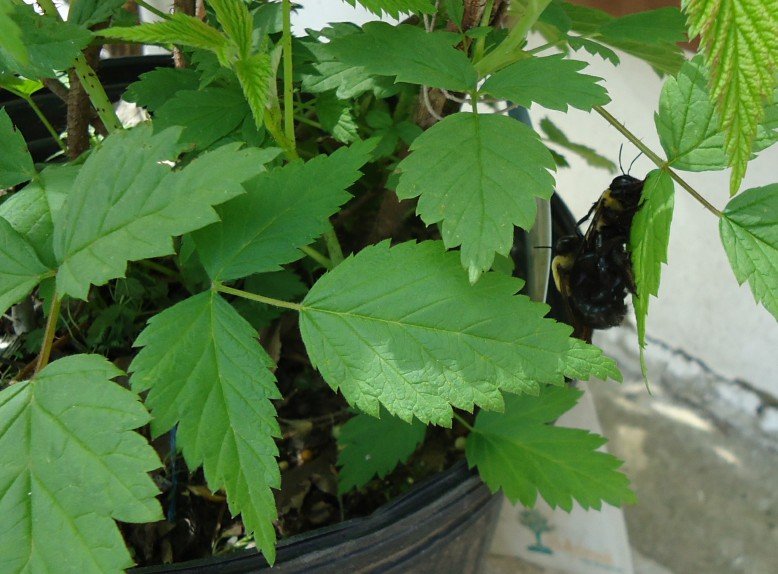
Raspberry - with raspberry, you get a two-for-one deal. Not only can you harvest your own raspberries and enjoy the fruit, but you can also harvest and utilize the leaves for tea.

Official Name: Rubus idaeus
What it’s used for: Raspberry leaf tea is packed with antioxidants, relieves mouth ulcers and sore throats, alleviates inflammatory conditions such as conjunctivitis, and aids in menstrual cramping.


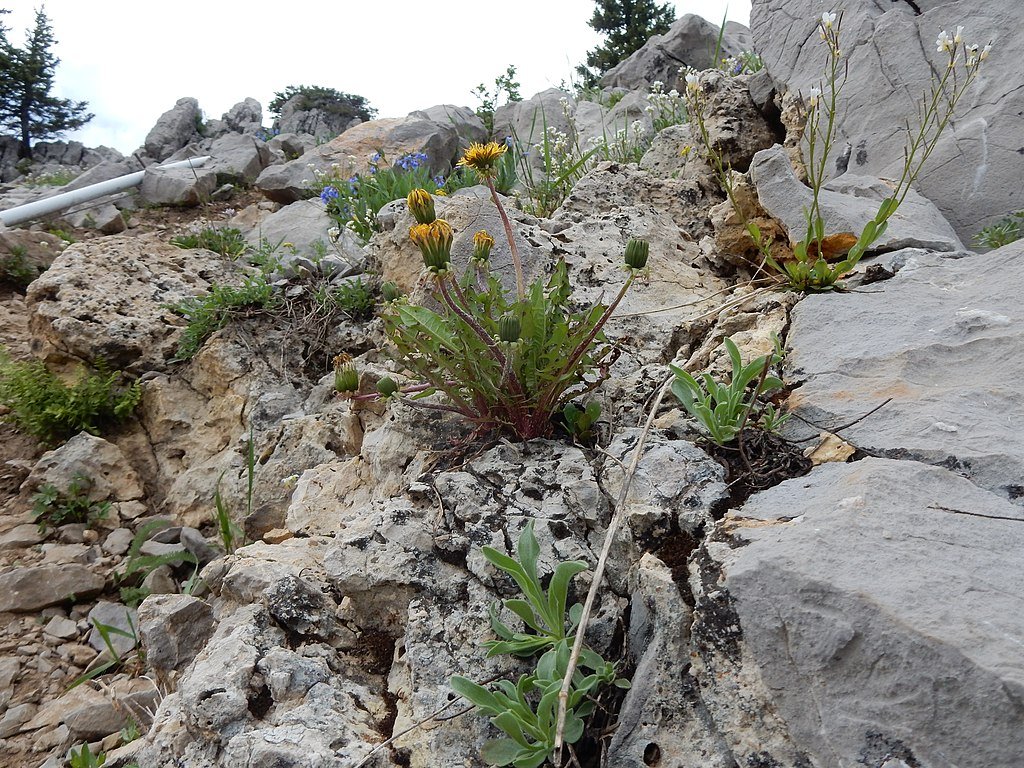
Dandelions - Two very important notes when it comes to dandelions. The first is to make sure that you are purchasing true dandelions and not some of their relatives. Not because they are poisonous but simply because they will not have any of the benefits or the taste profile. The second point is that you should harvest the dandelions as soon as the flowers bloom and are fully open for the first time. You can use the flowers, the stems, the leaves, and the roots. But if you don't want them to take over everything in your yard, and your neighbor's yard, and their neighbors' yard, you need to get them before the little white fuzz balls pop up.

Official Name: Taraxacum officinale
What it’s used for: Dandelion leaves act as a diuretic and are also used to stimulate the appetite. Dandelion flowers have antioxidant properties and are being researched as possibly helping the immune system. Dandelion root is used to detoxify both the liver and the gallbladder.


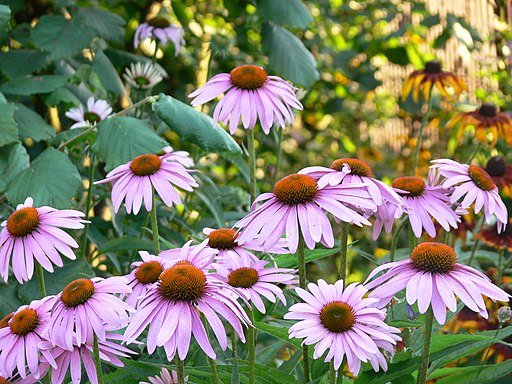
Echinacea

Official Name:  Echinacea purpurea

What it’s used for: Echinacea is used to boost the bodi’s immune system and reduce both the symptoms and duration of the common cold and flu.


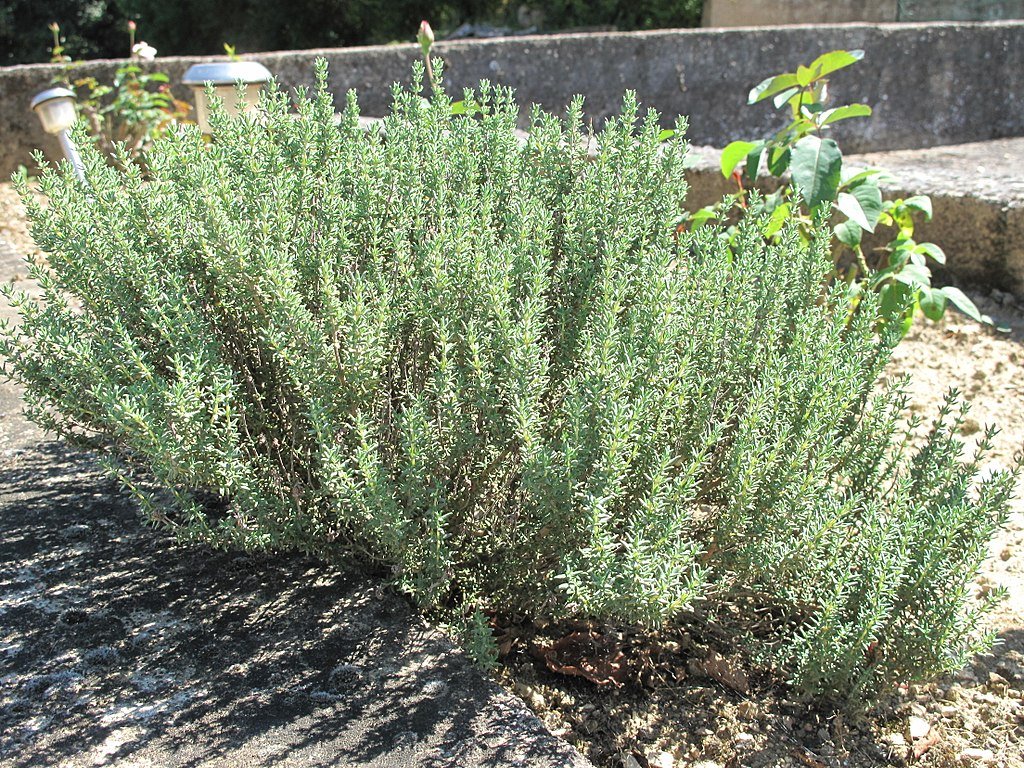
Thyme 

Official Name: Thymus vulgaris
What it’s used for: Thyme is able to lower the heart rate in people with high blood pressure and is theorized to help lower cholesterol. It also is used as a natural cough remedy and helps to boost your immunity.


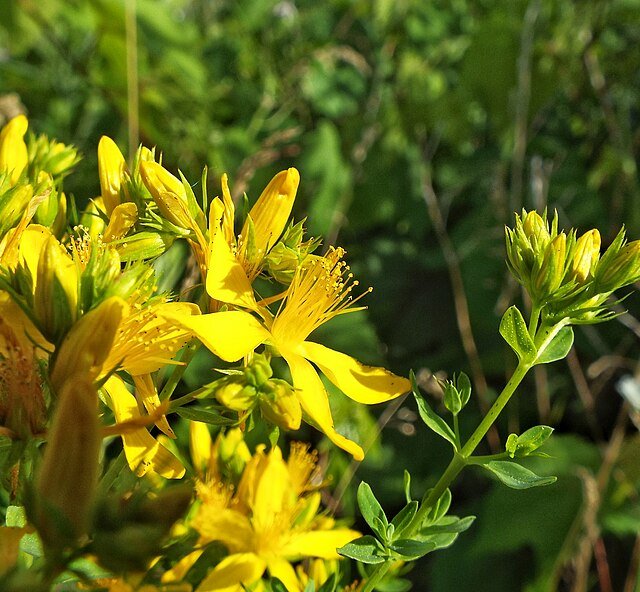
St.John's wort

Official Name: Hypericum perforatum
What it’s used for:  St John's Wort has been extensively studied in its aid with mild to moderate depression.


Catmint

Official Name: Nepeta cataria
What it’s used for: Catmint is another herb that has been used to help the stomach with diarrhea, gas, and cramps. It is said to relieve muscle spasms in the digestive system. Catmint has also been shown to reduce anxiety, nervousness, and restlessness. It is also shown to make people drowsy and should be used with caution for that reason.


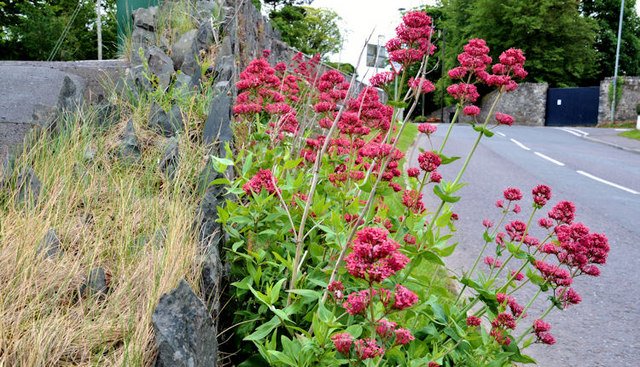
Valerian

Official Name: Valeriana officinalis
What it’s used for: Valerian is an herb that people have used for many years to treat insomnia, depression, anxiety, and headaches.


Harvesting And Preparing Your Plants

Before we close out, let's take a quick look at how to go about harvesting and preparing your plants.

-in most cases, unless otherwise noted, you are going to be harvesting herbs before they flower. When herbs are first growing, they put all of their energy into growing the leaves, and so that is when the herbs are at their peak. Once the plant has flowered, it is now diverting that energy toward growing seeds.


- You'll want to cut herbs at mid-morning. You don't want dew on them, but you also don't want them to get too hot as they would in the afternoon and have the oils pulled deeper into the plant. 

- Air dry your herbs to preserve the oils within.


- Keep your herbs stored in airtight containers, in a dry area, and away from the sun. There are all sorts of lovely apothecary-style bottles that you can use to store your herbs after they've tried. The thing to keep in mind if you use those is to paint the outside black and then stencil on what the plant is within. Allowing light to come into contact with the plants will degrade them over time and prevent you from getting the best cup of tea that you can.


- Mix your tea a few bags at a time, rather than mixing everything at once. Doing this in small batches ensures that if you don't like how something turned out, you don't have to throw away an entire harvest of a plant. Instead, you just note down the ratios you used and reconsider for next time.

- This brings us to our final point, keep a tea journal. Whether you are using tea to assist with ailments or working to find the ideal blend for every person in your life, keeping careful notes is important. You might find that you didn't add enough bergamot, and so you didn't get the citrusy flavor that you wanted. For this, you'd want to up the amount or add in a secondary plant that would support that flavor. Or you might notice that using mullein left you feeling hungover the day after; for that you would want to know exactly how much you would use in a cup and how long you had seeped it so that you could decrease the amount. Just like many other activities involving experimentation keeping a tea journal is both useful and rewarding. 


What did you think? Are you hastily grabbing for some graph paper to chart out your garden? Or maybe you're thinking of growing a few container plants first to see just how much you like it? Let us know over on our Facebook page.


If you're reading this post because you needed a cup of tea after your dishwasher flooded, we can help. We won't be offering plants, though. Instead, we'll work with you to set a date and time when one of our skilled technicians can come over and diagnose the problem. You can give us a call at ((214) 599-0055) or reach out to us via our contact page.