Try Eggs Creole for Sunday Brunch

Welcome back everyone! With summer just around the corner, we wanted foods that make us think of lazy summer mornings. We went digging through our family recipe books and found this week’s recipe for Eggs Creole. 


Ingredients

3 ¾ cups water

¾ cups  regular grits, uncooked

1 cup diced smoked sausage - ¼ inch pieces

¼ cup shredded Cheddar cheese

2 Tbsp butter

¼ tsp salt

¼ cup all-purpose flour

1 large egg, beaten

1 Tbsp milk

¾ cup Italian-seasoned breadcrumbs

Vegetable oil

Poached Eggs

Creole Sauce

Instructions


-Bring your  water to a boil in a large saucepan; then gradually stir in grits and return to a boil. 

-Cover, reduce heat, and simmer, stirring occasionally, 10 minutes or until done. (Where done here means: the grits are soft and tender, and ‘feel’ different when you stir a spoon through them. ) 

-Remove the pot from the heat; stir in sausage, Cheddar, butter and salt. Spoon into a lightly greased 13 x 9 x 2 inch pan, pressing firmly and smoothing the surface. Cover and chill for 24 hours. 


-Turn grits out onto wax paper. Cut out 12 (2 ½ inch) rounds with a biscuit cutter, reserving remaining grits for other uses. 

-Sprinkle the rounds with flour, a light dusting, not a thick coat. 

-Combine egg and milk; dip rounds into egg mixture and dredge in breadcrumbs. 


-Pour oil to a depth of 1 inch into a large, heavy skillet. Fry the grits rounds in hot oil over medium-high heat 1-2 minutes on each side or until lightly browned. Drain on paper towels. -Place 2 rounds on each plate; top each with a poached egg and Creole sauce. Serve immediately. 


Poached eggs 

Not sure how to poach an egg? Here’s how the process works. 

-Start by checking how fresh your eggs are. The fresher they are, the better they will hold together. You can see how to do this over at The Kitchn


-Next up, grab a pot with tall straight sides, and fill it with 3 inches of water. 

-Set your water to boil and add a mild vinegar to the water, for example rice wine. It won’t flavor the egg, but it does help it to stick together. 

-Wait until you see tiny bubbles at the bottom of your pot,but not a full roiling boil. Now reduce the heat low enough that you’ll keep that simmer going. 


-Now crack your egg into a bowl or a ladle and slip it gently into the water. 

-Leave it in the water for 2 minutes if you want the yolk to be still runny, or 3 minutes for a firmer yolk. Timing is crucial, so a timer on your phone or stove would be helpful. 

-Using a slotted spoon remove the egg from the water and set it to the side. 

-Repeat the process with the remaining eggs. 


Creole Sauce

1 medium onion, cut into thin strips

1 medium green pepper, cut into thin strips

2 stalks celery, cut into thin strips

2 cloves garlic minced

1 bay leaf

2 Tbsp butter 

2 tsp paprika 

2 medium tomatoes, diced

1 cup tomato juice

1 ½ tsp Worcestershire sauce

1- 1 ½ Tbsp hot sauce

1 ½ Tbsp cornstarch

½ cup water


Cook the onion, pepper, celery, garlic and the bay leaf in butter in a large skillet over medium-high heat, stirring constantly, until vegetables are tender-crisp. Stir in paprika, tomatoes, tomato juice, Worcestershire, and the hot sauce; simmer for 5 minutes or until moisture is reduced by one-fourth. 

Combine the cornstarch and water, whisking rapidly. Stir into sauce and return to a boil, stirring constantly. Boil, stirring constantly for 1 minute. Remove from heat. Remove and discard bay leaf. Serve warm. 


Notes 

If you don’t have any Italian-seasoned breadcrumbs on hand, you can make your own. 

This video from Alton Brown over at the Food Network is our favorite way of doing it. (And not just because he’s amusing to watch!) 


What do you think about this week’s recipe? Let us know over at our Facebook page, we’re eager to know what you think. Or if you have any suggestions for themes or recipes you want us to check out, let us know in the comments! We’re always interested in hearing from you. 


Don’t forget, if you have any problems with your appliances, you can always give us a call ((214) 599-0055) or set up an appointment with one of our technicians.  We care about our clients in Garland and the surrounding areas, and if you need assistance with your appliances, we want to help. 


Is An Instant Pot Worth The Hype?

For the last ten years people have been raving about one appliance, but does the Instant Pot hold up? If you haven’t already gotten one, or maybe you have but you haven’t opted to open it or use it much, we’ll walk you through them. What are they, what do they do, do they really work, and what can you make with them? We’ll go through all of these. 

A quick note first, it’s an Instant Pot, not an Instapot. We had it pointed out to us. 


Before we dig in, let’s clarify one thing, Instant Pot is a specific brand of ‘all in one appliances.’ Cusininart, Breville, Gourmia, TaoTronics, Mealthy and Ninja Foodi all have multi function pressure cookers that they sell, with similar functions. So why has this type of appliance become so popular? At first it was a novelty, and then it was realized that it was a very solid option. It saves both time and space within your kitchen, without sacrificing versatility.  We’re going to focus specifically on the Instant Pot brand for this article and see if after 10 years it still holds up to the hype. 


What is an Instant Pot and how does it work?  


While the different functions will vary based on which model you pick, there are some basic programs that will be available on most models. 


-Slow cooker

-Pressure cooker (most models let you choose  high or low pressure, or specific pressure settings like poultry or meat/stew)

-Rice cooker

-Steamer

-Saute/browning

-Yogurt maker

-Warmer


The community has also gotten inventive and found that you can do all sorts of things with different inserts such as cupcake molds, springform pans, or aluminum foil. 

Tip! Using aluminum foil lets you keep ingredients separate from each other which means you can cook your meats and veggies at the same time. 


Instant Pot.jpg

Do they REALLY work? 


-How does the food taste? 

From experience, meats are amazing.  Fall off the bone tender, juicy and utterly fantastic. (90 minutes to get this. Just 90 minutes!) 

Vegetables are something we’re still experimenting with to figure out. Sometimes, they turn out amazing! Other times not so much. The one thing we’ve seen is that you don’t cook them with as much water as you think, or for as long. 


-Doesn’t that high heat destroy the nutrients? 

Nope! While it’s true that your food is going to go well above the boiling temperature when cooked in the Instant Pot, it’s not like cooking in a normal pot. Cooking at high pressure allows the heat to be distributed quickly and evenly throughout so you don’t have to immerse foods in water. In fact, you only need enough water to create the needed amount of steam and pressure within the Pot. Usually a cup is enough.  This means that the nutrients don’t leech into the water, nor do they get oxidized by exposure to air. 


-Doesn’t that mean I can over-cook the food? 

Nope. Instant Pot has both sensors and self-regulating features for both temperature and the amount of pressure.


Are there any rules to using them? 

-An important first note before saying ‘it doesn’t work.’ 

The Instant Pot (and all pressure cookers really) have to pressurize before the cooking countdown begins. You also have to wait at the end of the process to properly release the pressure. Depending on your model, you might have a ‘quick release’ feature. These times need to be counted into your recipe math. 


-Meals with less liquid will come up to pressure faster than those with a lot of liquid. For example meats vs soups. 


-If you need to thaw and then cook something, the best thing to do is just follow the normal cooking process in the recipe. The food will fully thaw as the Instant Pot comes  to pressure. 

-If you’re one to prep your foods ahead of time, make sure that they’re frozen in either bowls or boxes that will fit into the pot easily.  


-Layer your foods carefully. 

Because the Instant Pot works via bottom burners, it’s possible to burn your food. If the foods at the bottom don’t have enough moisture they can  burn. The good news is that the Pot has sensors that will shut off power if it looks like this is happening. 


-Wash carefully and often!

The Pot has a silicone ring for the locking lid. The ring is great but it’s silicone and that means it absorbs smells over time. If you notice that building up, take it out and wash it by hand, and here’s the link for how to clean it from over at The Kitchn.


-Check out “5 ways you’re using it wrong.” 


What things can you make with an Instant Pot? 

The list is frankly huge. There are entire sites and numerous books devoted to Instant Pot recipes. 

You can also check out the Good Housekeeping tried and tested recipes. No we’re not getting advertising money for this, though we wish! 

Or check out what The Kitchn has for recipes.

But if you want a list, try these random suggestions:

-Frozen foods

-Pasta with spinach, starch and veggies 

-Meats 

-Cheesecake

-Mac & cheese

-Giant Pancakes! 

- Veggies with rice and tikka masala 

- Soup

-Stock

-Chilis galore!

-Steel Cut Oats 

-Frozen chickens (Yes really, the heat and pressure means the bacteria is killed) 

- Baked potatoes -super creamy on the inside and if you want them to be crispy, toss them under the broiler for just a few minutes 

-There are people who have found ways to make crispy vegetables too! 


Should you get one? 

If you do choose to buy one, keep this in mind. 

A 3-quart pot is best for a small family of two or three people. 

The 5 and 6 quart sizes are best for families of 4-6. 

The 8-quart is large enough for families of six or more, or if you entertain better. 


-If you’re busy and on the go often, there are models like the Wi-Fi enabled version that allow you to monitor and control it via your smart phone. 


-Like we said up top, Instant Pot is the most well-known, but it’s not the only player in the game. If you want to buy one, it’s smart to check out all of the options. You might find one with additional features that fit your life better or a lower price tag. 

Although we will say that Instant Pot does go on sale quite often. 

 
buy now buttons:
 

So to us, yeah, we’d say that the Instant Pot has proven itself to be a useful appliance. It can replace several different appliances and people are still coming up with inventive ways to put it to use.  Whether you have a lot of time to prep and plan or you need to get food together fast, the Instant Pot is dead useful. 


Did that help? Do you feel like your questions about the Instant Pot have been answered? Let us know over at our Facebook! If we didn’t, and you tell us what we missed, we can always do a follow up post in the future. 


If you live in Dallas or the surrounding areas and your appliances aren’t working properly, we want to help! You can call us at (214) 599-0055 or click here to set up an appointment with one of our technicians. 

2000s Kitchen Decorating Trends That Overstayed Their Welcome

Have you ever flicked through old photos or magazines and wondered 'who in the world thought that trend was a good idea?' We know we have, which is why this week we're taking a look at the kitchen trends of now and then, focusing on the design choices of the early 2000s. (We know, it's weird to us to think it was 20 years ago too.) 


Mason Jar Decor

Lighting, candles, soaps, storage, mason jars have been everywhere and used for everything. 

They were affordable, easy to come by and you could buy them in bulk. Not to mention once you were done with the food inside them, you might have to wait a while before you could fill them again, so you needed to use them for something, right?  People got creative and found all sorts of ways to use these staple items. It was great! And then it became overwhelming. You couldn't pick up a magazine or open up Pinterest without seeing at least one 'innovative, new way to use mason jars!' 

Fortunately a shift towards handmade wares seems to be growing, meaning that mason jars might have to move out of the spotlight.


Granite everywhere! 

Backsplashes, counters, and anywhere else designers could put it. Granites are so busy when you have them all over your kitchen, and combined with the thick cuts, it led to kitchens feeling very dark and confining. 

Fortunately, today's trend is all about marbles or smooth expanses of a single color. Both of which can be obtained with some contact paper


Ferns 

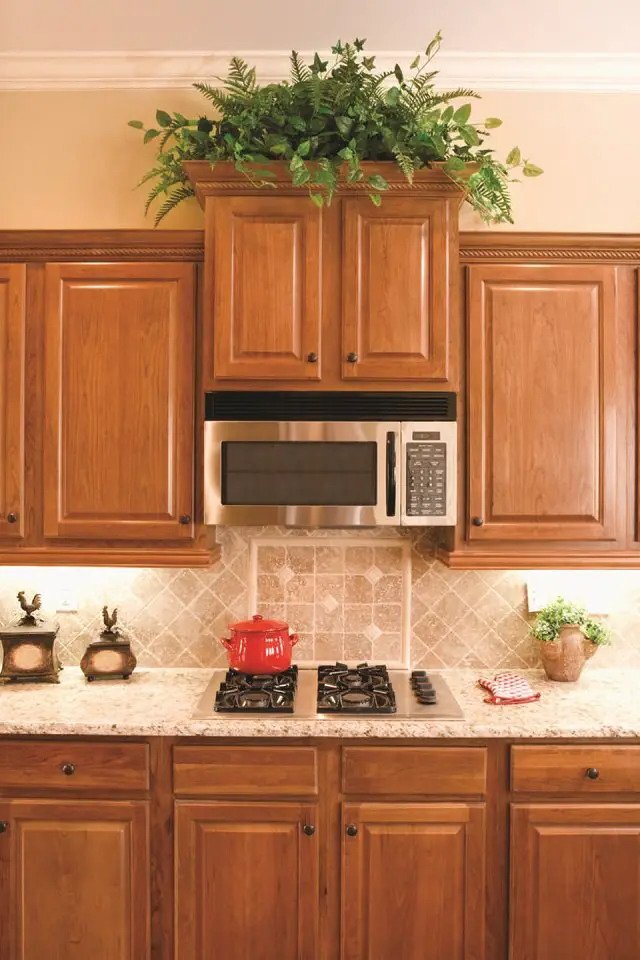
Ferns were the plant in the 2000s and really, it’s not a terrible trend. They bring a lightness to a room if you take good care of them. Unfortunately, most people didn't. They're finicky plants and they do shed... a lot if you're not careful. So when succulents started to enter the spotlight in 2009 or so, ferns were ushered back into the offices and waiting rooms. 


Stainless Steel Everything

Sure, most appliances come in stainless, but there’s no need to have it floor to ceiling. Which is what the 2000s did, even going so far as to have all of the appliances in one long line so that you had a wall of stainless steel when you stepped into a kitchen. Mix things up and check out different options! You can use contact paper to get wild or purchase ones that come in different colors like these gorgeous ones from SMEG


Accent Walls

Can they be done right? Yes. Were they? Not really. 

Ok, that's not fair. There were tons of magazines and interior designers that pulled off this look flawlessly. For the majority of us though, we'd try and use a cool color in a  room full of warm furniture or vice versa and it just never worked the way it was supposed to! 

   This is still a trend surprisingly, but it's being done more cautiously. Instead of going with bold, eye catching colors people are choosing colors that already exist within their decor and using that for the accent. 


Stark Black and White 

This was a trend, and we’re not entirely sure why? It can be very disorienting to have everything in just two colors with no variation or places to rest the eyes. 

        It makes us think of high concept music videos or something, and really, we're glad this one has stayed in the past. Not to mention how difficult it is to keep stark blacks and whites clean!


‘Rustic’ Kitchens

Roosters and oil paintings, as far as the eye can see. It was a frightening time full of reds and yellows that didn’t really work well together.  Rustic is a great aesthetic, and it can be utterly beautiful, but really, you can only have so many roosters in one kitchen. This one has stuck around surprisingly, but it's expanded out to include reclaimed woods, shiplap, and a broader range of colors. 


Tuscan Kitchens

    Our last one .. is hard for us to admit. Who wouldn't love to wake up in a villa in Italy? (Especially now that they're welcoming tourists back.) The problem wasn't that the design was bad, it was that it was reduced down to components, individual pieces that people would try to smash together without caring how they worked or why. It was boiled down to faux paintings, travertine tiles, more granite, and terra cotta floors. This reduction process left our kitchens feeling dark, gaudy and entirely tasteless. 


Today's focus in the kitchen is on light, airy spaces. Windows dominate and everyone wants to have white EVERYTHING.Pendant lights and statement backsplashes add to the feeling, showing off your personality. Herringbone is taking over where subway tile previously reigned supreme, bringing in a twist to the world of tiling. How long will these trends last? We don't know, it's only the beginning of the decade after all. 


Let us know what you think about trends of now and then in the comments here or over on our Facebook page, we'd love to hear from you! 


If you're having trouble with some of your appliances you can reach out to us here or via phone ( (214) 599-0055) so we can help. 

Chicken Breasts Stuffed with Chorizo And Fancy Cheeses

Welcome back! This week’s recipe is sure to be a hit for when you have guests coming over. We’re doing Chicken Breasts Stuffed with Chorizo and Fancy Cheeses. This recipe sounds complicated when you’re throwing around ‘chorizo’ and ‘goat cheese’. Really though, it’s a recipe where most of the work is done either by the brine, or the oven. You just have to spend a few minutes prepping at different stages, and then you can sit back and relax! 

Ingredients

¾ cup kosher salt

6 Tbsp Sugar

7 Cups cold water

6 chicken breasts with skin and bone

2 pounds simple chorizo

1 cup goat cheese, crumbled

1 cup grated monterey jack cheese

Kosher salt and pepper

3 Tbsp chopped fresh rosemary

1 Tbsp chopped Fresh Thyme

4 Tbsp butter


Instructions


To brine the chicken, combine the salt, sugar and water in a large bowl and whisk together until the salt and sugar dissolve. 

Place the chicken in a large glass casserole dish and cover with the water mixture. Cover with plastic wrap, place in the refrigerator and allow to brine for 3 to 4 hours. ( We didn’t have a casserole dish when we did this, so we used a dutch oven, it worked just as well.) 


When the brining is almost complete, prepare the stuffing by cooking sausage in a saute pan over medium-high heat until evenly browned. Drain the fat from the chorizo immediately and transfer the chorizo to a bowl and allow to cool. When cooled, mix the chorizo with the cheeses, salt, pepper and herbs. Set aside. 


Place a chicken breast flat on a cutting board or counter surface. Using a paring knife, cut a horizontal slit down the center of the fleshiest part of the breast, creating a pocket. Repeat with all of the chicken breasts, making sure you don’t cut all the way through.  Divide the chorizo mixture six ways and fill each of the chicken breasts. 


Preheat the oven to 400*F . In a large saute pan, melt 2 tbsp of the butter. Cook the stuffed breasts, skin side down over medium high heat until browned. Transfer the breasts to a foil lined baking sheet and bake for 30 minutes or until chicken is thoroughly cooked. While the chicken is baking, melt the remaining 2 tbsp of butter in a small saute pan and use to baste the chicken breasts as they cook. 


Notes: 

What is brining and why do we do it? 


Brining is a solution of water and salt, sometimes with additional spices thrown in for flavoring. 

Lean meats like turkey, chicken and pork tend to lose moisture as they cook. We’ve all had chicken and pork that turned out like shoeleather after being cooked, no matter how delicious the spices were. Brining is a way to prevent this. You can actually cut down moisture loss from the usual 30% to as little as 15%, meaning that your lean meats will come out juice and delicious. 

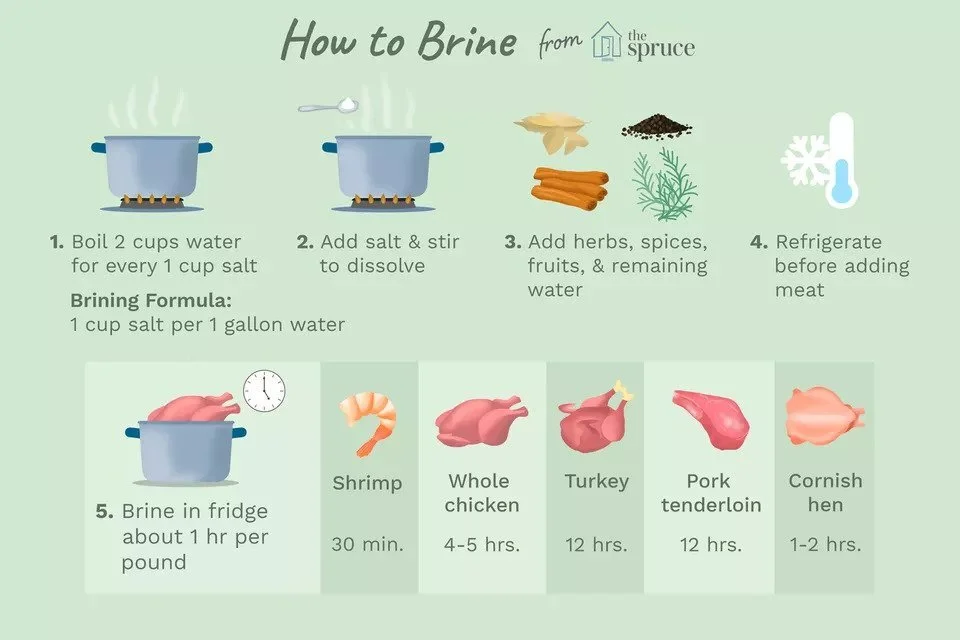
This doesn’t mean that you should soak your meats for too long though. In fact, if you brine your meats for longer than they need they can become tough and overly salty. You can check out a timetable for brining over at Fine Cooking, or print out this nifty chart from The Spruce to put into your cookbook.


Chorizo 

If you don’t keep chorizo in your house regularly, not to worry. This quick and easy recipe from The Spruce Eats is fast to cook up and freezes well. They even give you ideas on what else you can use it in if you decide you need more of this flavorful sausage stat. 

Thank you for joining us this week! We hope you enjoyed our recipe this time around. If you did, please let us know on our Facebook and share a picture of the final dish! We’d love to see how yours turns out. If you have any recipe suggestions or questions that you’d like us to answer, please drop those in the comments below or over on our Facebook, we love to hear from you! 


If on the other hand, something in your home isn’t behaving right, your fridge is icing over or your dryer isn’t drying, give us a call. You can also make an appointment with one of our technicians on our page.  We want to keep your home running smoothly, for all of our clients in Garland and the surrounding areas. 


Our recipe this week is based on the one within The Texas Cowboy Kitchen by Grady Spears and June Naylor. Check out their book over on B&N or your favorite bookstore. Not only is it fantastic as a cookbook, it also makes a great coffee table book due to its large size, beautiful pictures and bite-sized history lessons. 

Remodeling Your Kitchen Guide: Part Two - Inspiration, Features, & Layout

We’re back again ladies and gents to discuss the process of renovating your kitchen. This time we’re talking about inspiration, features and layout. Or, you can think of it as “Ooh shiny”, “what matters” and “how do I fit this in here?” 


Last time when we were discussing budgeting for your dream kitchen, we had you make a list of everything you wanted to do, and pare it down to what you could afford. Grab that list and take a look at it now.


Inspiration 

Depending on how specific you were, you might not need to consider your inspiration. You might already know exactly what you want the final product to look like, if that’s the case, great! Skip down to the next section. 

Rack of home remodeling magazines


If you’re not that lucky, that’s ok. Head over to Pinterest or your local big box home improvement store and take a look at their magazines. You want to look around at the current trends and see what catches your attention. Put together either a board in your home or online of different things that appeal to you. 

Some great examples are here, here and here


You want to see if there is a unifying theme to what you want, and how it can all fit together in the space that you have.  This is the point when you might consider talking to any friends that do interior decorating, or just have a ‘flair’ for it, if you really can’t figure out what you want. 


Have you built a huge list of ideas? Are you contemplating paint colors? 


Yes? Alright, now we go back to that list. Take what you have put together and sort it into two different piles - “Now”  and “Later.” The now pile is everything that you can afford to do right now, or on the timetable that you’ve set. Later is everything that will come down the road.  If your budget only extends toward a new floor and ceiling lights, that’s fine. If it stretches the other way and you’re looking at redoing everything, that works too.  This step is meant to help you narrow your focus to what is doable, rather than fretting over say, what new cabinets you should install if those aren’t in the budget. 


Features 

Now we’re going to look at things in a different light. We’re looking at you and your family, and how you /use/ your kitchen. This section is for the people who intend to redo the whole space or rip out walls. 


Grab a new sheet of paper and a pen, because you’re doing some brainstorming. For all of our questions, substitute whoever in your family spends the most time there. 

Do you  do a lot of cooking from scratch? 

Do you entertain often in your kitchen? 

Do you dine out most of the time and want a kitchen that’s more for show than for serious cooking? 

Are you the busy family provider, with limited amounts of time to cook? 


Each of these is going to affect what you need for your kitchen.

If you’re the Serious Chef 

You’ll probably be focusing on the quality of your appliances, bright light, and easy to clean but super durable surfaces to work on. You want a kitchen where you can easily lay your hands on what you need, have the space to work and not have to worry about something breaking in the middle of a new dish. 

If you’re the Social Butterfly 

You’re going to want premium cabinets, lights, a large island to gather ‘round and a wine fridge. You want your kitchen to shine as much as you do while you’re hosting dinners and having people over. 


If you’re Family Provider

Your focus is going to be on durable, easy to clean cabinets and counters, as well as lots of counter space. You want to make cooking and clean up as easy as possible, since your life is already busy enough. 

If you’re the Occasional Cook

You’re going to want to go for stylish appliances that are within your budget, a versatile island and stylish cabinetry that won’t break the bank. You want it to look nice, even if you aren’t in there much. 

And if we’re wrong about these? If you want the big oven, even though you only cook occasionally, or you’re the family provider and you still want that wine fridge, no worries! These are just some ideas of where your focus might lie, not a concrete game plan. 


Layout

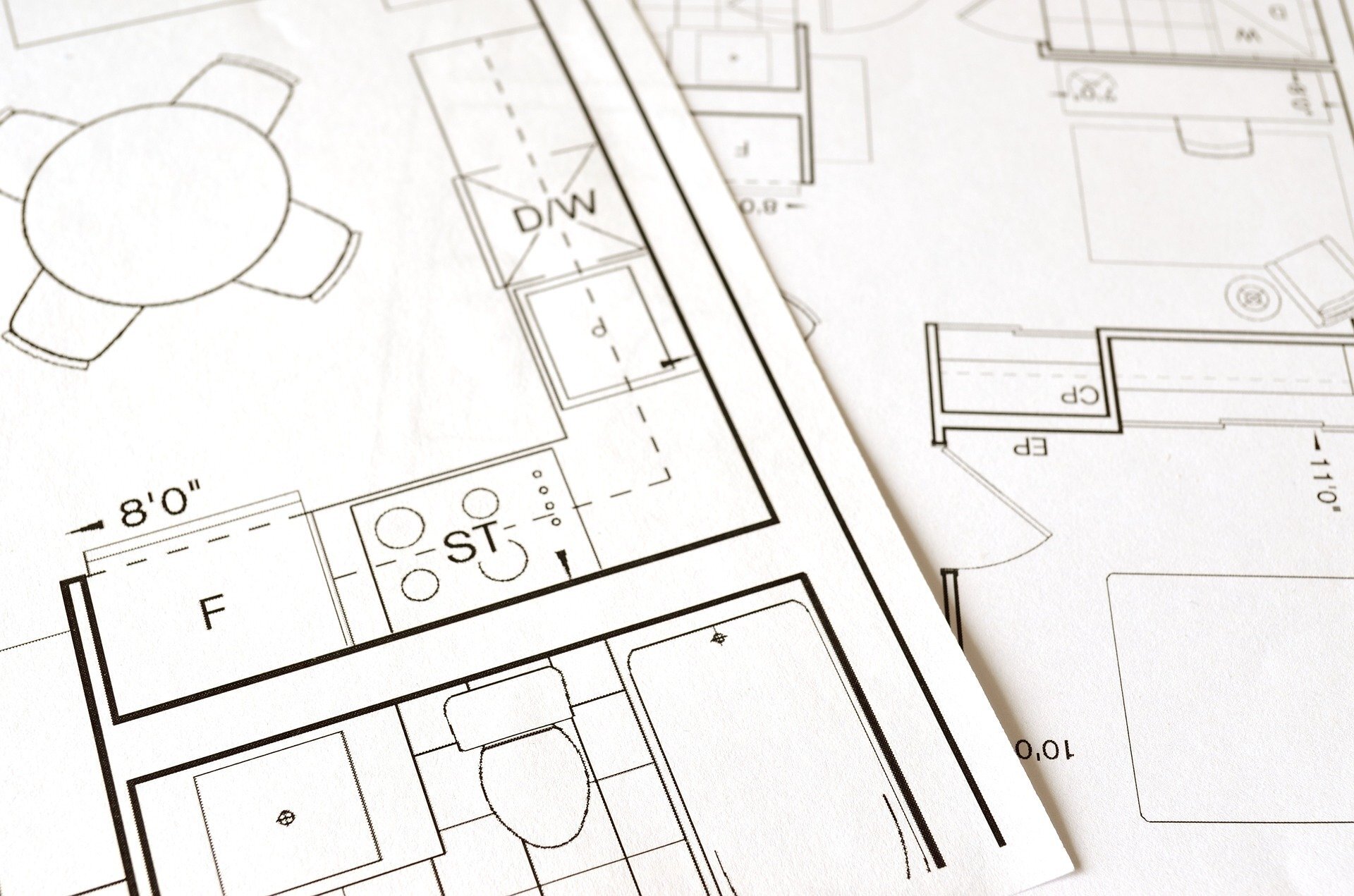
Blueprint sketches  with measurements

Last, but not least, take a look at your kitchen. Go in and look at just the walls and the floor. Where is everything? Can you see the shape of the room? Now consider what you have to add back in for it to work as a kitchen, and what you don’t want to change, or can’t change just yet. 


Are you keeping the walls where they are? Or do you plan to move them? Are you thinking about ripping out part of a wall to make room for a half-wall table?  What about the cabinets? Do you want to replace those? If so, do you want the layout the same as it is now, or do you plan to change things to make more room either for cabinets and counter space or for new, larger appliances? If you’re moving cabinets around, you might want to get a tape measure and some more paper to sketch out how much space you have to work with. 


Sinks and your dishwasher are up next. These are harder to move, but not impossible. You need to make sure that when you’re charting out a new kitchen plan that you take these into account because of that fact. 


Appliances are our last thing to consider. If you’re replacing the ones that you already have, you’ll need to make sure you have the measurements and that the ones you want are the same size. If you’re moving walls or cabinets, you still need to know how large they are so that you leave enough space in your design for them. Equally important is making sure that you note where your electrical outlets are on your chart so that they can be reached either for additional tools or for your appliances. 


Thanks for coming! We’ll see you next time when we talk about the DIY Timeline. 


If you have questions, comments or concerns, reach out to us on Facebook! We love to hear from you and what you have to say about the blog. 


Don’t forget, if one of your appliances isn’t working right, we want to help you keep your home up and running! You can click here to schedule an appointment or call us at (214 599-0055) to set one up.  We want to take care of all of our clients in Frisco and the surrounding areas.