
Can I Remove Scratches from my Stainless Steel Appliances?

It can be frustrating to discover a scratch or nick on your stainless steel refrigerator, dishwasher, oven, or cooktop, but all hope is not lost. There are ways to remove minor scratches and dings with easy home remedies. Read on with our tips from Appliance Rescue in Dallas, Texas on how to remove stainless steel scratches with ease:

Step 1: Clean the Stainless Steel

It is very important to clean the stainless steel before attempting to remove any scratches or dings; otherwise, you may end up damaging the stainless even further. Start by identifying which way the grain runs – north and south or east and west. Now, take a soft, microfiber cloth and choose one of three cleaning methods for the stainless area: polishing cleaner like Comet, vinegar, or stainless steel cleaner. Work the cleaner into the stainless steel with the microfiber cloth until it is thoroughly cleaned. 


Step 2: Remove the Scratch

You are now ready to remove the scratch! Your first line of defense is a mildly abrasive cleaning product, just as Ajax or Comet. Mix the product with water to form a paste, then gently rub it into the scratch with a damp cloth – going with the grain – until the scratch is no longer visible. If this doesn’t work, then try whitening toothpaste, using the same method as above. Lastly, you can try wet sandpaper by thoroughly wetting the stainless and the sandpaper and gently buffing the scratch with the grain.

Step 3: Condition the Stainless Steel

Once you have removed the scratch to your satisfaction, be sure to condition the refrigerator with a stainless steel polish or olive oil. 

If these steps don’t work to remove a scratch from your stainless steel appliance, there are professional remedies you can try. If you have any issues with your refrigerator, oven, cooktop, or other household appliance, be sure to call the experts at Appliance Rescue Service in Dallas, Texas for all your Dallas appliance repair needs.  
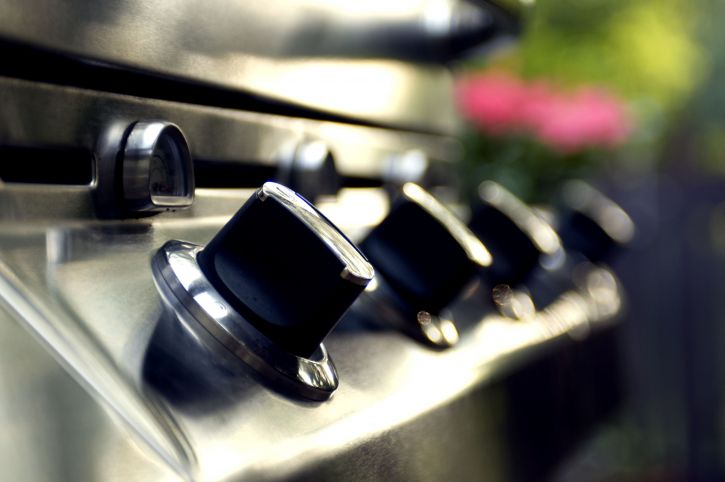
stainless steel scratch repair.jpg

Is Your Oven Leaking Hot Air? Appliance Rescue Service Can Help!

When using your oven, have you noticed that there seems to be an abnormally high amount of hot air leaking out? 

Is the oven taking longer than normal to preheat?

Is food cooking unevenly – or taking longer to cook?

These are all signs that your oven may be leaking hot air. 

If you notice your oven leaking hot air, then Appliance Rescue Service in Dallas, Texas recommends replacing your oven gasket.


What is an Oven Gasket?

An oven gasket is the seal between your oven and the oven door. It is found around the outside of the oven, generally silver in color and made out of mesh-like material. When this oven gasket gets frayed or worn out, not only is your oven working less effectively, but it’s probably contributing to higher energy costs too!  

oven door gasket replacement repair appliance rescue dallas texas.jpg


How do I replace an Oven Gasket?

Replacing an oven gasket can be done at home with just a few simple steps:

1.    Order a New Gasket:

Locate your oven’s model number and then search for a new oven gasket on Amazon or at your local home improvement store.

2.    Cut the Power:

Before attempting to do anything to your oven, be sure to cut all power at the breaker. 

3.    Locate the End of the Gasket:

Look around for the ends of the gasket. They are generally located near the bottom of the oven, inserted into two holes.

4.    Remove the Gasket:

Once you’ve located the ends, begin pulling them out of the holes. Now, carefully dislodge gasket all along the perimeter. There are small clips holding it in place, so you may need needle nose pliers to remove some sections.

5.    Reinstall the New Gasket:

Now that the old is out, you can install the new gasket! Simply line up each pin with the existing holes in the oven and begin placing the gasket accordingly.

As always, if you suspect an issue with your oven leaking hot air, call us at Appliance Rescue Service in Dallas, Texas! We handle all types of Dallas oven repair, including oven door gasket replacements and more. You can expect fast, courteous, and quality service – and an oven that is back up and running in no time!

Dallas Microwave Repair: Signs it’s Time to Call the Professionals


Many of us take for granted what a workhorse the microwave is until it’s out of commission. When microwaves came on the scene in the 1980s, Americans rejoiced at a faster, easier way to get dinner on the table. And when your microwave isn’t working right…it’s a huge pain. Here are several signs that it might be time to call Appliance Rescue Service for Dallas microwave repair before it’s too late: 


Door Won’t Seal Shut

This is a problem. Without a proper seal, the food in your microwave will not cook evenly or completely. Be wary of running the microwave if the door doesn’t shut or seal properly.


Sparks are Flying

Occasionally, you might get a touch of something metallic in the microwave and it will spark for just a sec, but this should not be the norm. If there are sparks flying in your microwave, immediately open the door to stop the appliance, then unplug the device or cut power at the breaker. Do not turn the appliance back on until it has undergone professional microwave repair to avoid a fire hazard. 

microwave repair dallas texas.png


Loud Noises

When the microwave is running, do you hear clanging, humming, or other loud noises coming from your microwave? If so, this can often be a sign of a turntable issue. If you do not immediately see an issue with the turntable after inspection, it’s time to call an expert Dallas appliance repairman to remedy the issue.


Food is Cold

If the food didn’t cook all the way and you know it should have in the time allocated, then something is off. Call the experts in microwave repair to fix the issue.


Contact us at Appliance Rescue Service in Dallas, Texas if you experience any of these issues and need professional microwave repair in Dallas. Our expertly trained technicians will fix the problem quickly, so you’re back up and running in no time. We proudly serve Dallas, Fort Worth, Carrollton, Irving, Las Colinas, Flower Mound, Coppell. Grapevine, and more. 

Gas Cooktop Repair: Why Won’t My Gas Burner Light?

Gas cooktops and ranges are a chef’s dream, often touted as the best for their ability to distribute heat evenly and then maintain that constant heat temperature over time. 

But here’s a common gas cooktop repair question we get at Appliance Rescue Service in Dallas, Texas: Why won’t my gas burner light?

gas cooktop burner repair.jpg

It’s a great question and one of the most common frustrations from homeowners. Here are a few simple reasons your gas burner isn’t lighting:


1.    Burner Cap isn’t Aligned Properly.

Once your cooktop has cooled, remove the grate and burner cap. Reinstall the burner cap, paying careful attention to the alignment, and then see if that resolves the issue.


2.    Food Debris is in the Way.

Again, allow the burner to cool, and then inspect the igniter, burner, and control knobs. Is there any food debris that has been burned onto these areas? If so, wipe away with a soft sponge and cleaner. For any small crevices, use a paperclip to scrape the debris out, then try to ignite the burner again.


3.    Burner is Too Wet.

If you recently cleaned the cooktop or had a spill of some sort, then your issue might be that there is moisture in the burner that is preventing it to light. Simply remove the burner cap and allow at least 30 minutes for the burner to dry out, then try again.  


If none of these troubleshooting tips remedy your question as to why your gas burner won’t light, then the issue might be your igniter, spark ignition switch, or spark module. Call the best appliance repair company – Appliance Rescue Service in Dallas, Texas – today and we can diagnose your issue quickly and efficiently. We proudly serve the entire North Texas community, including Addison, Plano, McKinney, Frisco, Prosper, Little Elm, Lewisville, Flower Mound, Keller, and more.


How to Level a Shaking Washing Machine

Ever been in the other room while a load of laundry is washing, only to be startled by a sudden, large rumbling. The culprit: an uneven washing machine.

Washing machines that aren’t sitting level – or where the weight inside isn’t evenly distributed – can not only be a noise violation, but they can damage the internal mechanisms of the washing machine or even the floor beneath the washing machine. 

If you suspect the shaking washing machine is not sitting level, then here’s an easy fix from Appliance Rescue Service in Dallas, Texas:


Step 1: Check if its Level

The obvious first step is to grab a carpenter’s bubble level and set it on top of your shaking washing machine to determine if it’s level. If not, keep reading to learn how to adjust the legs of your machine. 

Step 2: Adjust the Front Legs of the Washer

Start by adjusting the front legs of your washing machine. The goal is to have the machine sit as low to the ground as possible to prevent vibrations, so loosen the lug nut on one of the front legs, shorten the leg, and then use your level to adjust the other leg accordingly. 

Step 3: Adjust the Back Legs of the Washer

Normally the back legs of your washing machine are built to self adjust, so once the adjustments are made on the front legs and everything is level, gently lift the back of the machine and set it back down. Take your level to verify that all is properly leveled. 

washing machine shaking.jpg


Step 4: Tighten Everything Down

One you’re satisfied with your adjustments, tighten all lug nuts back into place.

Step 5: Test the Machine

Now for the true test! Run the wash cycle and see if the shaking washing machine issue still exists. If the problem is not remedied, it may be time to call in the professional appliance repairmen in Dallas at Appliance Rescue Service in Dallas, Texas!