
What historic appliance recalls teach us about modern home safety.
Appliance Recalls Through the Years: Why Homeowners Should Pay Attention
Most people don’t think about appliance recalls until one shows up in the news with a brand name they recognize. Even then, many homeowners assume it doesn’t apply to them and move on.
That can be a dangerous assumption.
Recalls exist for a reason. They happen when a manufacturer or regulatory agency determines that a product has a defect that could lead to injuries, fires, or worse. In the United States, these actions are usually handled by the U.S. Consumer Product Safety Commission (CPSC). When a recall is issued, the goal is simple: get dangerous products out of homes before someone gets hurt.
But appliances have a unique problem compared to many other consumer goods.
They last a long time.
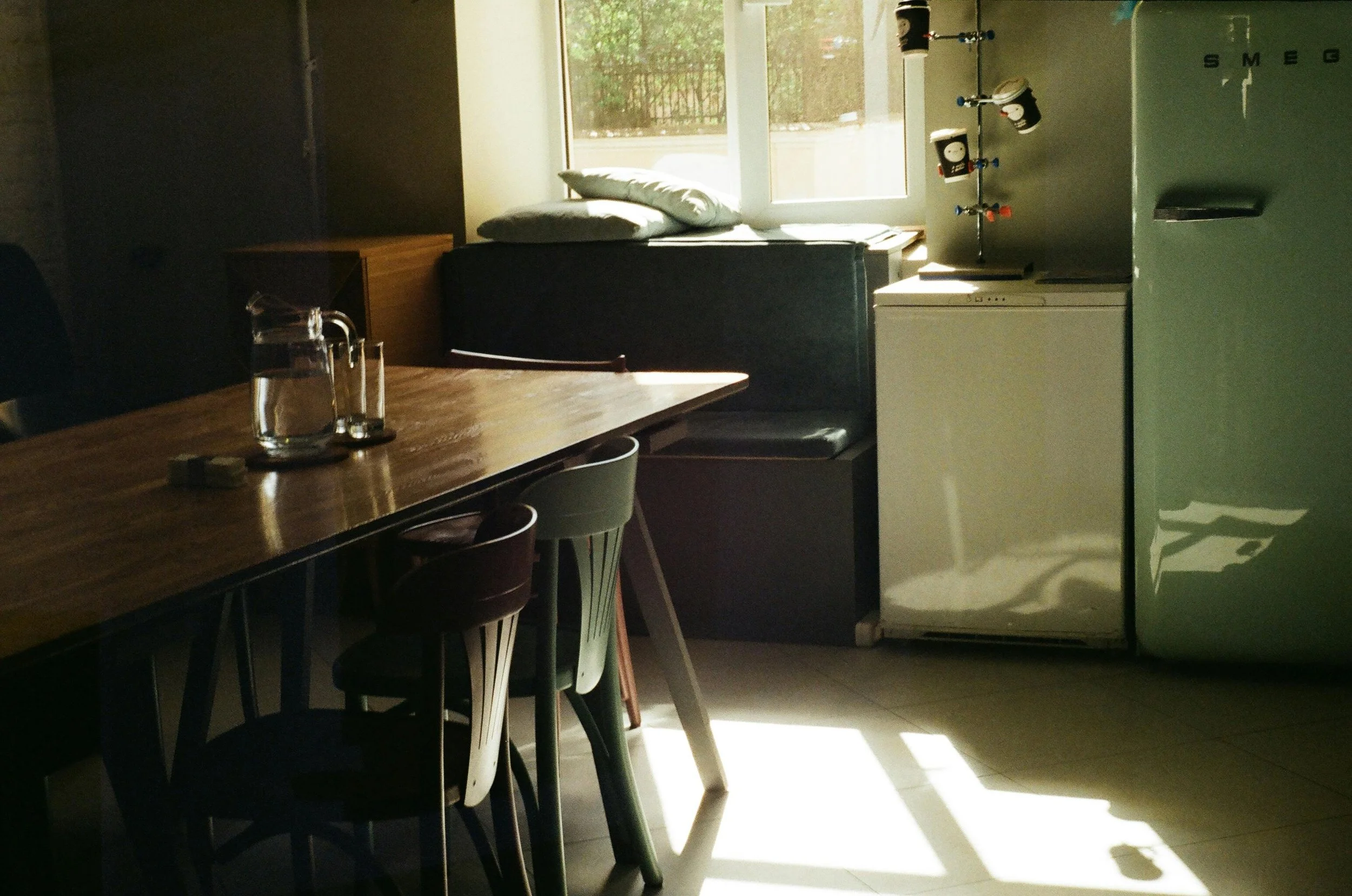
Courtesy of Alex Cooper.
A refrigerator, stove, or washing machine can easily stay in service for 7 to 10 years. In some cases, much longer. That means a dangerous appliance can still be operating a decade or more after it was manufactured, long after the company that made it has changed ownership or disappeared entirely.
And history shows that when recalls are ignored, the consequences can be serious.
The Appliance That Outlived Its Safety System
One of the most striking examples involves gas-powered refrigerators manufactured by Servel between 1933 and 1957.
At the time, these refrigerators were designed for homes without electricity, cabins, hunting lodges, and rural properties. Instead of using electricity, they operated using a gas burner. For many households, they were a practical and reliable solution.
The problem appeared decades later.
Over time, dust, rust, or debris could block the burner system. When that happened, the refrigerator could begin producing carbon monoxide in dangerous amounts.
According to the CPSC, at least 39 incidents in the United States were linked to these refrigerators, resulting in 22 deaths and 55 injuries. Additional cases in Ontario, Canada resulted in another 60 deaths.
That means a product manufactured before World War II was still causing fatalities in the late twentieth century.
In response, a recall program was launched in 1990 and later reinforced by a public warning in 1998. Because Servel had gone out of business decades earlier, there was no repair program available. The only solution was disposal.
Owners who turned in their units could receive a $100 rebate and reimbursement for disposal costs. By the late 1990s, more than 22,000 refrigerators had been destroyed through the program.
Even then, officials believed thousands were still in use.
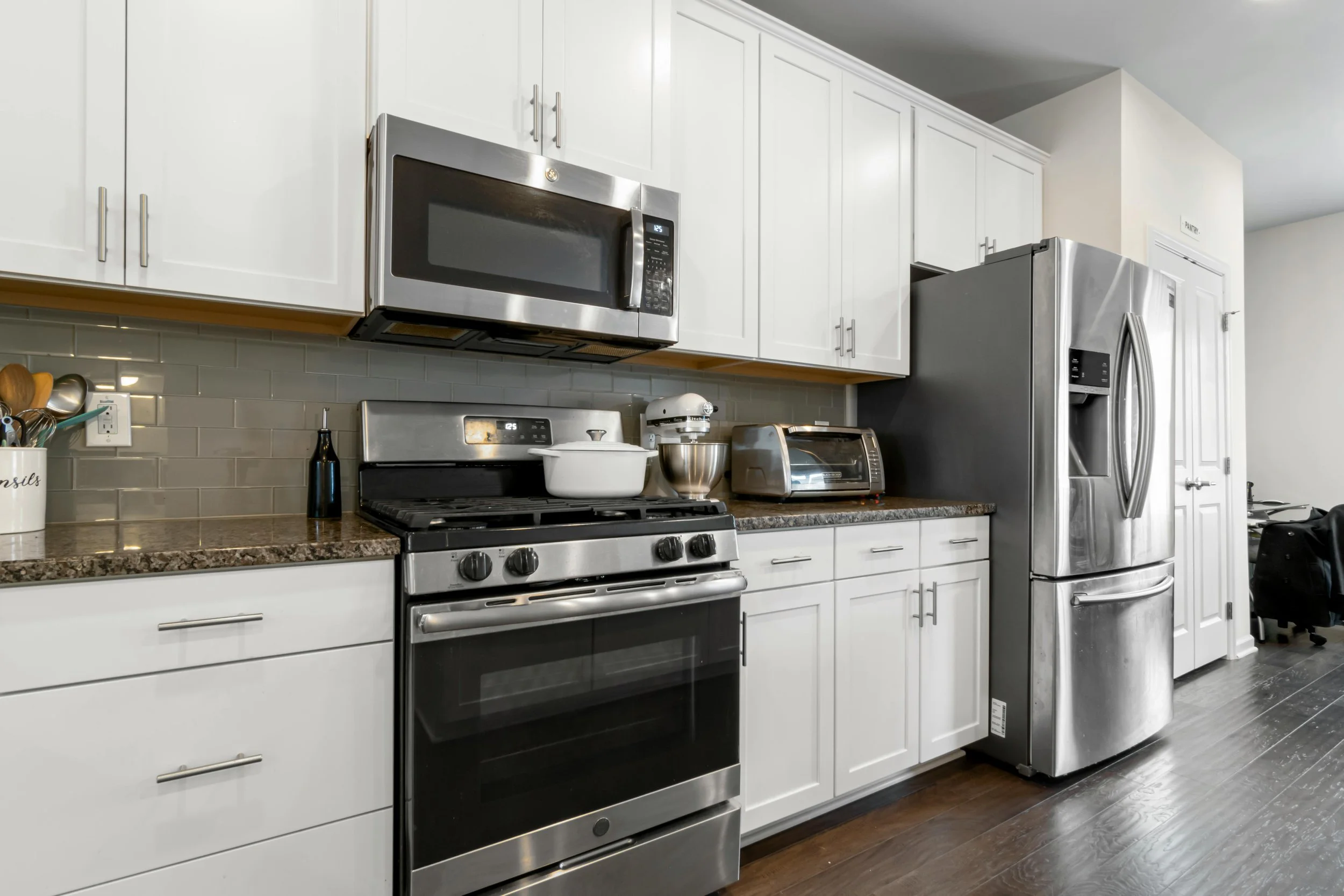
Courtesy of Curtis Adams
The Servel case highlights a simple truth: appliances often outlive the systems designed to monitor their safety.
When Recalls Became Massive
By the late 1980s, manufacturing had changed dramatically. Appliances were being produced at larger scales and distributed nationwide through major retailers.
That meant a single design flaw could affect millions of homes.
One example occurred in 1989 when General Electric discovered a major problem with compressors installed in millions of refrigerators. These compressors were prone to failure as temperatures increased, causing refrigerators to break down in waves across the country as the weather warmed.
Investigators eventually determined that approximately 3.3 million refrigerators were affected.
Repairing them turned into a logistical nightmare. Compressors were in short supply, technicians were overwhelmed, and many units had to be serviced more than once.
The financial damage was enormous. GE ultimately recorded a $500 million charge to handle the crisis, one of the largest recall-related losses in the company’s history at the time.
The lesson was clear.

Courtesy of F. Hektor
When millions of identical appliances are produced, a single engineering mistake can become incredibly expensive.
The Age of Mega Recalls
In the 2000s and 2010s, recalls began affecting even larger numbers of products.
This was partly due to global supply chains and mass retail distribution. When a product design fails, it no longer affects a small group of customers. It can affect millions.
Several large recalls during this period demonstrate the scale these events can reach.
Magnetic toy sets recalled in 2006 and 2007 involved nearly 8 million units after magnets began detaching and being swallowed by children. In some cases, the magnets attracted each other inside the body, causing serious internal injuries.
In 2010, more than 11 million window shades and blinds were recalled due to strangulation hazards from cords.
A 2013 recall involving surge protectors affected approximately 15 million units after hundreds of overheating incidents were reported.
And in 2017, one of the largest recalls in recent history involved nearly 38 million fire extinguishers that could fail to discharge during an emergency.
These examples highlight how modern recalls can grow quickly once defects are discovered.
When products are manufactured in large numbers and distributed nationwide or even globally, problems can spread just as quickly.
Why Recalls Are Surging Again
In recent years, recalls have started climbing again.
Research looking at consumer product safety data found that recalls in the United States have increased significantly over the past five years. In 2025 alone, federal safety officials issued more than 300 recall notices within the first seven months of the year, affecting more than 24 million products.
Fire hazards continue to be one of the leading causes.
Modern appliances rely heavily on electronics, motors, and lithium-ion batteries. When something goes wrong in those systems, overheating and fires are often the result.
Several major recalls in 2025 illustrate the growing trend.
More than 3.8 million adjustable dumbbells were recalled after plates detached during use, causing injuries.
Approximately 3.6 million expandable garden hoses were recalled after reports that they could burst under normal water pressure.
Nearly 1.85 million pressure cookers were recalled after the lids were found to open unexpectedly during use, causing serious burn injuries.
And more than 1.1 million power banks were recalled after multiple incidents involving overheating batteries and fires.
On our own site alone, we have already covered multiple appliance recalls in 2025, including ovens, ranges, and refrigerators with potential safety risks.
These stories appear more frequently because modern products are more complex, supply chains are larger, and defects can affect far more households at once.
What This Means for Homeowners
Looking at these cases across several decades reveals a few important patterns.
First, appliances often last longer than the safety systems designed to track them. A product built decades ago may still be operating in someone’s home today.
Second, modern recalls tend to be massive. When millions of identical products are sold nationwide, a single defect can quickly become a large safety issue.
Third, engineering failures can be extremely expensive for manufacturers. Large recalls can cost hundreds of millions of dollars once repairs, replacements, and legal expenses are considered.
And finally, fire hazards remain one of the most common reasons appliances are recalled. Electrical components, overheating motors, and lithium-ion batteries are involved in many modern incidents.
For homeowners, the takeaway is simple.

Courtesy of Mikhail Nilov
Pay attention to recall notices.
What to Do If You Think Your Appliance Is Affected
If you hear about a recall involving an appliance you own, start by locating the model and serial number on the appliance itself. This information is usually found on a label inside the door, behind a drawer, or on the back panel.
Next, compare that information against the official recall notice. The CPSC maintains a searchable database where consumers can check whether their appliances are affected.
If your appliance is part of the recall, follow the manufacturer’s instructions. Depending on the situation, the company may offer a repair, replacement, refund, or disposal instructions.
Even if your appliance is not part of a recall, unusual behavior should never be ignored. Appliances should not randomly shut off, overheat, make loud electrical noises, or operate unpredictably.
If something seems wrong, it is always better to have the unit inspected.
At Appliance Rescue Service, we work with homeowners every day to diagnose and repair appliances that are behaving unexpectedly. Our technicians are experienced with both modern and older appliances, and we can help determine whether a problem is related to wear and tear, a known defect, or something that needs immediate attention.
Appliances should make life easier, not leave you wondering if something in your home might be unsafe.
If you have questions about a malfunctioning appliance or need help scheduling a service visit, reach out to us anytime.
Call: (214) 599-0055