Tips for helping out your future self that - eventually - has to unpack all of this stuff.
Disorganization and clutter occur naturally in most homes over time. As households buy more things, they might accumulate more possessions than they know what to do with. Items that would ideally be placed together in the home end up far apart, which can be inefficient.
Focusing on packing items by category makes it possible to unpack items and store them in a way that makes sense. Of course, there can be further categorization by room using this method (e.g. "Living Room Electronics") — the goal is to simply pack things correctly, reduce unnecessary damage to valuables, and to stay organized. This type of packing takes time and effort. If you've just bought a home in Durango, following these tips can help ensure that your home will be organized after your relocation.
Table of Contents
Getting Started
Get an early start on the packing process. Taking a measured and thoughtful approach to packing means that extra time and energy goes into each box. In order to have time for this kind of consideration, start months in advance.
Keep ample packing supplies on hand. Having enough packing tape, boxes, bubble wrap, sandwich bags and other supplies makes it possible to keep working until everything is complete.
To ensure that items will be organized in your new home, draw a layout of the house before unloading the moving truck. After drawing the layout, list each category of item that will be found in each room. This makes it easier to determine which boxes go where when unloading the truck, and also makes it easier to unpack when the time comes.
Make packing and loading easier on yourself by hiring a babysitter for moving day. Make the arrangements early to avoid a last-minute scramble.
Decluttering is crucial before beginning the packing process, because clutter makes moving expensive and cumbersome. Packing up clutter instead of disposing of it makes it harder to stay organized after a relocation.
There are many ways to declutter.
Donate items to charity.
Sell items in a garage sale or online.
Recycle rather than throw away.
Rent a dumpster.
Give heirlooms to family.
Go through each room of the house and systematically get rid of everything that hasn't been used in the last one or two years. Organize closets, shelves, the pantry, storage boxes, filing cabinets, holiday items, seasonal items and your garage. During the decluttering process, start packing away anything (like seasonal items and holiday decor) that you won't need between now and the move.
Sorting becomes important during the decluttering process, because it's a key part of deciding what goes and what stays. While sorting, you'll have the opportunity to start placing like-items together in groups. This will make the packing process easier.
Pro tip:
Some charities will drive to a location to pick up large donations. Schedule a pickup days in advance, then sort everything into piles to be donated to charity.
Get ready for the packing process by setting aside boxes and baskets. Linens, pillows and blankets create natural padding for delicate or fragile items, so set them aside as well.
Personal Bag
A personal bag will contain overnight items that one will need on the first night in the new house, before any real unpacking can be done. The personal bag should be packed early in the process, before everything you own starts to disappear into boxes. Waiting until later in the packing process could leave you digging through packed boxes just to find what you need for your personal bag.
Here's what to pack:
Just before moving day, plan to pack items like medications, your toothbrush, toothpaste and other essentials that need to stay out until the very last minute.
To ensure that a personal bag has everything you need, write a list early in the process of everything you'll need on the first night. Keep the list somewhere accessible, like on a phone or tacked to the refrigerator. Add items as you think of them.
Pro tip:
Place your personal bag somewhere safe where it will not be packed in a box. Show family members your personal bag to ensure everyone knows these items must remain unpacked throughout the move. If you're getting help from friends during the packing process, hang a sign on your personal bags to alert everyone that these bags must remain accessible throughout the moving process.
Cleaning Supplies
It's very important to move as few liquids as possible during a relocation. Many moving companies ban liquids from boxes altogether. If you're moving items without help from a moving company, you may decide whether or not you want to pack liquids in your moving boxes. Items not to pack include (but are not limited to) aerosols, bleach, ammonia, poison, flammable liquids and gasses, weed killer and solvents.
To pack cleaning supplies, line a box or several boxes with an open trash bag. Place cleaning supplies inside, then leave the box someplace where you can access it easily. You'll almost certainly need cleaning supplies up to the day of the move, and maybe even after the other boxes have been removed from the home. This will also be one of the first boxes to be unpacked when you get to your new home.
Once the bag is ready to be loaded onto the car, label it clearly. Place the box just inside the door, where it will be easy to find when unloading.
Storage Considerations:
Do not place cleaning supplies in storage. If the rest of your boxes must be placed into storage for any period of time, take out your cleaning supplies box and keep that with you and your personal bag.
Pro tips:
If you need to dispose of liquids that cannot be moved, contact your sanitation department for guidance. Do not flush chemicals, medications and other products down the drain.
When deciding what to keep and what to throw away, check cleaning products for expiration dates. There's no point in keeping anything that is expired or close to expiring.
Electronics
Electronics pose a challenge because they are often fragile, sensitive to temperature extremes and sometimes contain flammable batteries. To pack electronics, remove all cords and use a zip-tie to keep the cords from becoming tangled. Keep each cord with its specific electronic item to prevent the cord from becoming lost. Packing the cord in the box with the electronic item is the best way to keep the cord with the device.
Pack electronics in strong, sturdy boxes (walled boxes work well for this) that are unlikely to crack, break or become crushed if placed near the bottom of a pile of boxes. If you still have the item's original box, this is best. Use Styrofoam, bubble wrap, linens, packing peanuts and other packing materials when placing electronics into boxes to give them padding, just in case the box is dropped or broken during the move.
When disassembling complex electronic devices, consider recording yourself throughout the process. In the video, narrate what you're doing. Mention which cords you're removing from which plugs, what you're doing first, second, and so on. These videos will serve as tutorials when the time comes to set up electronic devices in the new home.
Storage Considerations:
Electronic devices require climate controlled units to prevent damage to delicate circuit boards. Remove the batteries before placing items in storage, as some batteries will leak fluid that could damage the unit. Other batteries can become a fire hazard when stored in certain conditions.
Eject any cartridges or discs before placing items in storage. Remove toner cartridges and place them separately in the box with the printer. Place toner cartridges in plastic bags to prevent them from leaking toner during transport.
Pro Tips:
Before placing an electronic device in a box, dust it thoroughly with a microfiber cloth to prevent dust damage during transit. Label the box clearly and, if the box contains a particularly fragile or expensive item, mark that on the outside of the box.
If your electronic devices are especially expensive or valuable, talk to your mover about getting extra insurance for these devices. Use anti-static packing peanuts to prevent static electricity from creating problems in the box.
Furniture
Clean all furniture before packing. Use a microfiber cloth, polish or dust-removing cleaning product. Remove legs and leaves, and wrap them in moving blankets, linens or bubble wrap. Disassemble as much as you feel comfortable, but do not take apart furniture that you're not sure you can put back together.
Take a video or pictures of the process to serve as a tutorial later. Use stretch wrap to keep legs and leaves and all other parts together, to make re-assembly easier.
Protect sharp corners with cardboard. Tape or attach moving blankets to delicate pieces, but do not apply any tape to wood or particle board. Keep the tape on the blanket only. Keep all nuts, bolts and screws in a sandwich bag, then tie the sandwich bag to the furniture to prevent the screws from becoming lost.
Storage Considerations:
Climate-controlled storage units prevent large items (like mattresses) from developing mold or mildew, and also prevent some wooden pieces from becoming warped or cracked. Wrapping wood in bubble wrap could trap moisture against the furniture, thus causing mold. Place paper or linens between the bubble wrap and wood.
Pro Tips:
Measure doorways, hallways and rooms before deciding what will be purged before relocating. Larger pieces of furniture may require special help from movers. Large pieces of furniture that were assembled in the room where they were stored (cribs, large desks, and so on) may be difficult or impossible to remove without some disassembly.
Never try to move a large specialty item, like a piano, on your own. Get help from a special moving company.
Large or Bulky Decor
Large artwork and mirrors must be wrapped in blankets and taped carefully to prevent the tape from touching the object being wrapped. Set aside large cushions and pillows to be used in boxes with bulky, fragile items. Any bulky cushions and pillows that will not be used as padding in other boxes should instead be wrapped in sturdy bags and placed near the top of the pile in the moving truck.
Rugs must be rolled up before being taped shut. Place rugs upside down on the floor so that the pile faces into the flooring, then roll the rug with pile facing outward. This reduces pressure on the rug's backing, which prevents unnecessary wear and tear. Tie rugs with string or twine; do not use packing tape.
Storage Considerations:
Bulky items like rugs must be allowed to breathe when placed in storage. Never wrap rugs or upholstered items in plastic or rubber. Some forms of wrapping (like newspaper) will rub off and cause stains, so use this cautiously. Some types of wrapping may also melt (like bubble wrap). Keep this in mind when choosing a non-climate controlled storage unit.
Pro Tips:
Buy specialty boxes for artwork and mirrors. Fill boxes with packing peanuts to keep the artwork protected. Wrap especially fragile items, like mirrors, in foam or bubble wrap before placing them inside boxes and filling the boxes with peanuts.
Vacuum or clean any area rugs before wrapping them up for relocation. Dust artwork carefully with a microfiber cloth, but avoid using harsh cleaning products on paintings.
Appliances
Small and large appliances are very different in weight, size and function, so they're often treated differently during the packing process.
Small Appliances
Unplug, clean and dry small appliances, then disassemble them as much as possible. Cords that can be removed should be removed. Knobs that can easily come off can be placed in a baggie and taped to the appliances or placed in the box to prevent them from becoming lost.
Securely wrap your small appliance in packing paper or kitchen towels. Appliances that are likely to leak crumbs (like toaster and countertop ovens) should be emptied of crumbs before being placed in a box. Use the original box whenever possible. Pad the box with paper or towels to prevent the item from shifting in the box. Do not use packing peanuts or packing materials that could get caught in small spaces in the appliance.
Blades for appliances like food processors and blenders should be wrapped separately and securely to prevent accidents during the unpacking process. Remove the glass plate from your microwave before placing the microwave in a box. Wrap the plate in linens, bubble wrap or packing paper, then pack the glass plate with other dishes.
Large Appliances
No later than 48 hours before the relocation, clean out and defrost the refrigerator. Food that you would like to keep cold must be stored in a cooler, so be prepared with ice. Use a multipurpose cleaner to clean the inside of the refrigerator or freezer, to prevent mold growth while the appliance is in storage or in the moving truck. Disconnect and drain hoses.
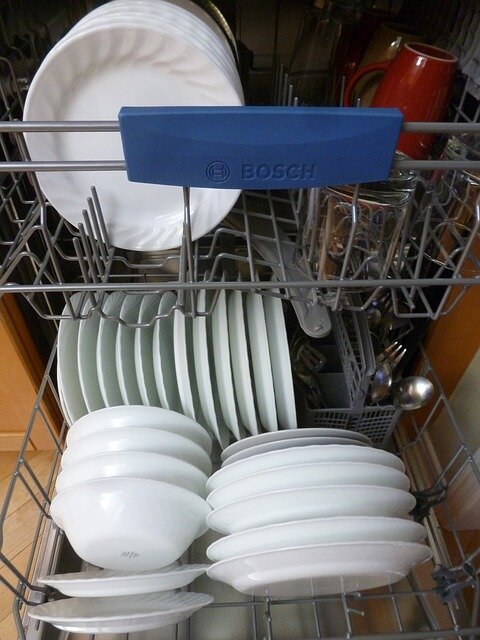
Open the dishwasher door to allow the unit to dry completely after disconnecting it from the hoses. Leave the door open for a few days before moving. Store the hoses and drier vents in the machines.
Turn off the gas with the shut-off valve before disconnecting a gas stove or another gas-powered appliance. If you're not sure how to do this, contact your gas company or a handyman for help.
Have large appliances ready to load into the truck first, as these items are often the heaviest and bulkiest items to go in the truck. Rent an appliance dolly to move these items safely, or enlist the help of professional movers if you're not up to the task yourself. If you've bought Vallecito Lake real estate, and you know it will come with its own appliances, you'll need to figure out what to do with your old appliances.
Storage Considerations:
Climate controlled units are best for large appliances if they need to be stored. Items placed in long term storage must be as clean as possible before they are placed in the unit. Keep baking soda inside appliances and store with doors ajar to prevent odor. Check appliances periodically and replace baking soda every quarter or six months to keep appliances in good condition.
Pro Tip:
Never place a refrigerator on its side or back. Always keep the refrigerator upright to prevent damage to the compressor and other refrigerator parts.
Dishes and Glassware
Dishes and glassware are among the most fragile and thus the most difficult household items to transport. This is especially true of fine china, which is often more valuable and easy to break. Wrap each item individually with bubble wrap, then wrap some like-items together to prevent them from rattling around in the box.
When packing, place the heaviest and most durable items on the bottom of the box. Mark which end is up on the outside of the box, to ensure the heaviest items stay on the bottom throughout the entire relocation. Pack plates and bowls vertically, and cups upright and stacked. Keep the boxes small to reduce the weight. Double-walled boxes are best to protect the plates and bowls from breaking. Label all sides of the box with the word "DISHES, FRAGILE."
Stuff spaces between dishes with packing peanuts, packing paper, plastic bags and other packing materials. When taping the outside of the box, use extra strong tape and apply multiple pieces.
Storage Considerations:
Avoid storing these items in packing materials that can rub off (like newsprint), or be prepared to wash each dish thoroughly when you unpack (although you may want to do that regardless). Avoid storing items in packing materials that can melt, or store your dishes in a climate controlled storage unit.
Pro Tips:
Stuff each box with about 6 inches of packing paper before placing any dishes into the box. This creates a soft bed on which dishes can be stored.
If you hear clinking noises when placing dishes into their boxes, this means you may not be stuffing or wrapping your dishes well enough.
Fill boxes to the brim with packing material to prevent dishes from moving around inside the box when it's closed.
Use dish barrel boxes to provide extra protection for dishes. These boxes have extra thick walls for proper padding and support. They're excellent for dishes and other fragile items.
Clothes
Sort clothes before placing them into boxes to make packing and unpacking more efficient. Some clothes may be used for stuffing boxes with fragile items. Place these clothes in a separate pile from other clothes. Sort the remaining clothes into seasonal piles, with fall and winter items in one pile, spring and fall items in another pile.
Delicates like dresses and silks may need to be packed on their own. Designate boxes for shoes, seasonal items, delicate items and so on.
Closets
Wardrobe boxes come in extra handy when packing up a closet. Purchase at least one wardrobe box for each closet, then place each item on the hanger inside the box. Mark which end is up on the outside of the box, if this information is not already there.
You may also place some loose, non-fragile items (like slippers or socks) in the bottom of each wardrobe box to ensure that the empty space at the bottom of the wardrobe box is used. Don't pack anything too heavy in the bottom of the box, however, or it may become too heavy and cumbersome to move.
Dressers
Clothes can be left inside dresser drawers for easy transport, or they can be removed to keep the weight down. When trying to decide whether or not to move the dresser with clothes inside, take into consideration the dresser's weight, how sturdy the dresser is and whether or not you have a proper dolly for moving an extra-heavy dresser.
Use stretch wrap to hold dresser drawers in place, then wrap the dresser with a moving blanket to protect the wood. Remove knobs on the dresser to prevent them from becoming damaged during the move, and store the knobs inside the dresser for safe keeping.
If the dresser is hard to open without knobs, insert a string with a knot on both ends through the hole where the knob used to be, to give you something to latch on to when opening and closing drawers.
Storage Considerations:
Store clothes in climate controlled units to control moisture. Wash clothes before placing them in storage. If clothes aren't stored in a dresser, store them in plastic bins with cedar balls to maintain freshness.
Pro Tips:
Pack off-season clothing first. As you're packing clothes, make a separate pile of clothes that you no longer wear and plan to give to charity.
Some moving trucks have rails inside the truck. Attach ropes to the rails and strap them around dressers to prevent them from falling.
Toiletries and Makeup
Toiletries and makeup tend to be very cluttered collections of half-filled bottles. Declutter, sort and throw away unwanted bottles before packing. Consolidate half-filled bottles whenever possible. Set aside essentials for your personal bag, keeping medicines together and properly labeled.
To prevent problems like leaks, consider removing the lids from shampoo bottles, covering the opening with plastic wrap, then replacing the lids. Place all liquids in small boxes to prevent them from becoming too heavy. Line toiletry boxes with plastic bags to prevent them from leaking.
Makeup powders tend to crumble when knocked around. Open compacts and add cotton to the inside of the compact to provide padding. Place compacts in a box with bubble wrap to fill the empty spaces around the compacts. This prevents the makeup from flying around loose in the box.
Wrap all glass bottles, like nail polish, makeup base and perfumes, in bubble wrap. After wrapping them individually, use stretch wrap to wrap them together, then pack bubble wrap in the empty spaces around the bottles to keep them snug in their box. Line any makeup boxes with a bag just like you lined the toiletry box, in case something liquid breaks while in transit.
Storage Considerations:
Makeup and toiletries can typically sit in storage for one month but no longer. If you plan to put items in storage for longer than a month, throw away your toiletries and makeup and buy more when the move is finished. Only store makeup and toiletries in climate-controlled units, to prevent them from freezing or being exposed to very warm air temperatures.
Pro Tips:
Check expiration dates before packing anything, and throw away anything that is expired.
Most bathroom cleaning supplies are not allowed in moving trucks, so most likely these items will have to be purged. See the cleaning supplies section for more information.
At the same time that you're dealing with your toiletries, you may also need to deal with your shower curtain. Clean all mildew from your shower curtain before packing it, and if the mildew cannot be removed, throw it away.
Pad any fragile toiletries with towels and washcloths. Mark all boxes containing glass with the word "fragile" on all four sides.
Food
Stop all grocery shopping at least one week before your move. Take an inventory of food that's left and use up as much as possible in the weeks before your relocation. Check all expiration dates and throw away whatever may be expired. Give away items to charity that you no longer need, or have a big dinner party to use up what you don't plan to bring with you. Pack away any dry, un-opened boxed food that remains.
Many cans are heavy and cumbersome, which can contribute to the overall weight of the moving truck. This may cost more than the cans themselves are worth. If you plan to get rid of your canned goods or other dry goods, contact your local food bank to find out what they are open to taking.
Storage Considerations:
If you must place food into storage, choose a climate-controlled unit in a storage facility with a reputation for good pest-control measures. If you're placing anything into storage and notice indications of pest infestation, remove any food boxes from your storage unit.
Pro Tips:
Throw away glass bottles; do not try to transport glass bottles filled with food to your next home. If you plan to move cans from one home to another, place all cans in small boxes to keep their weight manageable. Tape all salt shakers shut, then place salt shakers into baggies before putting them in storage.
Garage and Outdoor Items
The garage tends to be a place full of hazardous materials and odds and ends that can be thrown away. Never transport hazardous materials like fertilizers and antifreeze. Dispose of open bottles of liquids. Pack power tools in their original box and padding. If you no longer have the original box, pack all power tools in bubble wrap.
Make some effort to clean items covered in grass or lawn debris before packing anything in boxes. Bundle large garden tools and wrap them in blankets.
Large, miscellaneous items like bicycles and grills make problems for homeowners because they don't fit into boxes and take up a lot of room in the moving truck. Disassemble these items, then place the pieces in boxes or use stretch wrap to wrap the pieces together. Make a video as you're disassembling items to make reassembly easier.
Remove all patio furniture cushions and place them in boxes. Use stretch wrap to secure long-handled brooms to each other, then place a bag over the ends of the brooms to prevent debris from falling onto other items during the move.
Storage Considerations:
Most garage items are designed to withstand temperature variations, because many garages are unheated and uninsulated. Any storage is alright for garage items. When placing items into storage, cover them with blankets to prevent them from spreading dirt or lawn debris.
Pro Tips:
Drain all oil from engines that require oil. Wrap anything with blades or sharp edges with old towels or rags. Check all bags of dry items, like potting soil, for holes or leaks. Bags with holes should either be thrown away or must be placed in a sturdy trash bag for transportation.
Check with your mover about transporting any motorized vehicles like mopeds and motorcycles. These items are often transported separately and will incur an extra charge.
Stay Organized for a Successful Move
The way you pack can set the tone for the entire move. Give yourself an early start to make it easier to stay organized. The larger the house, the more time one will likely need to pack. If you're in a time crunch, work with professional movers or enlist the help of friends to make packing go faster. If you've lived in your current home for a long time, there will likely be a bit of clutter. With clutter, you'll need to spend extra time sorting, throwing things away, donating items to charity and selling what is no longer needed.
Label all boxes clearly to make belongings easy to find. Write the names of the rooms where each box will go to keep like-items together and make planning easier. Finally, communicate carefully with your moving company (or the friends helping you on moving day) to ensure that everyone is on the same page. If you'll be leaving anything in your home, mark those items with large, clear signs to ensure that they aren't loaded onto the moving truck.
Following these tips can help make your moving day a success. Good luck!
Ryan Poppe1221 Main Avenue, Durango, CO 81301© Copyright 2019