
Even luxury appliances can develop ignition issues. Learn the warning signs that matter most.
When most homeowners think about appliance recalls, they picture something dramatic: sparks flying, alarms blaring, maybe a kitchen scene worthy of an action movie trailer. In reality, most recalls start much quieter than that. A strange clicking sound. A burner that suddenly takes too long to ignite. A little “whoomph” when the oven lights that definitely didn’t happen before.
Courtesy of Fisher and Paykel
That’s exactly why the recent Fisher & Paykel gas range recall matters. Not because every gas range is dangerous, but because it highlights how important it is to pay attention when your appliances start behaving out of the ordinary.
When a Luxury Appliance Lands on a Recall List
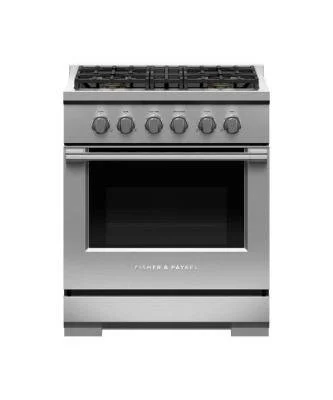
In April 2026, Fisher & Paykel announced a recall affecting certain 30”, 36”, and 48” Professional Style Gas Ranges sold between June 2025 and March 2026. According to the recall notice, the affected ovens can experience delayed ignition, allowing gas to accumulate before ignition occurs. In some cases, that buildup can cause the oven door to open from combustion, creating a burn hazard.
Fortunately, the recall is relatively small in scale. About 433 units were sold in the United States and roughly 70 in Canada. Even so, the issue is serious enough that owners of affected models are being advised to stop using the oven portion immediately until repairs are completed.
The cooktop burners can still be used while awaiting service, but the oven itself should remain off until it has been inspected and repaired.
If you own a Fisher & Paykel professional gas range, this is a good time to check your model and serial number. The affected serial numbers begin with:
EEV
ERV
EAV
EYV
EUV
ELV
RFV
The model and serial information can typically be found behind the front kick strip or on the rear panel of the unit.
Courtesy of Shovan Datta.
And while most homeowners reading this probably do not own a professional-grade range that costs more than a respectable used sedan, the bigger takeaway applies to every gas appliance in the kitchen: ignition problems should never be ignored simply because the appliance still technically works.
Sometimes appliances whisper before they scream.
Your Oven Is Trying to Tell You Something
One of the trickiest things about gas range problems is that they often start subtly. A burner lights a little slower than usual. The clicking lasts a few seconds too long. The flame looks slightly uneven. Nothing dramatic enough to stop dinner plans, but enough to make you pause for half a second and think, “Huh. That’s new.”
That pause matters.
Delayed ignition issues do not always begin with a major failure. Sometimes they begin with excess moisture, buildup around burner ports, ignition wear, or components that are no longer operating correctly.
A few warning signs homeowners should pay attention to include:
Persistent Clicking After Ignition
A gas burner should stop clicking shortly after the flame lights. If the clicking continues, there may be an issue with the igniter, burner alignment, or moisture around the ignition system.
Delayed Ignition or a Sudden “Whoomph”
Courtesy of Anna Tarazevich
Gas ovens and burners should ignite relatively quickly and smoothly. If ignition feels delayed or you hear a sudden burst when the flame finally catches, that can indicate gas buildup before ignition.
That is not a symptom to casually shrug off while stirring pasta.
Yellow or Uneven Flames
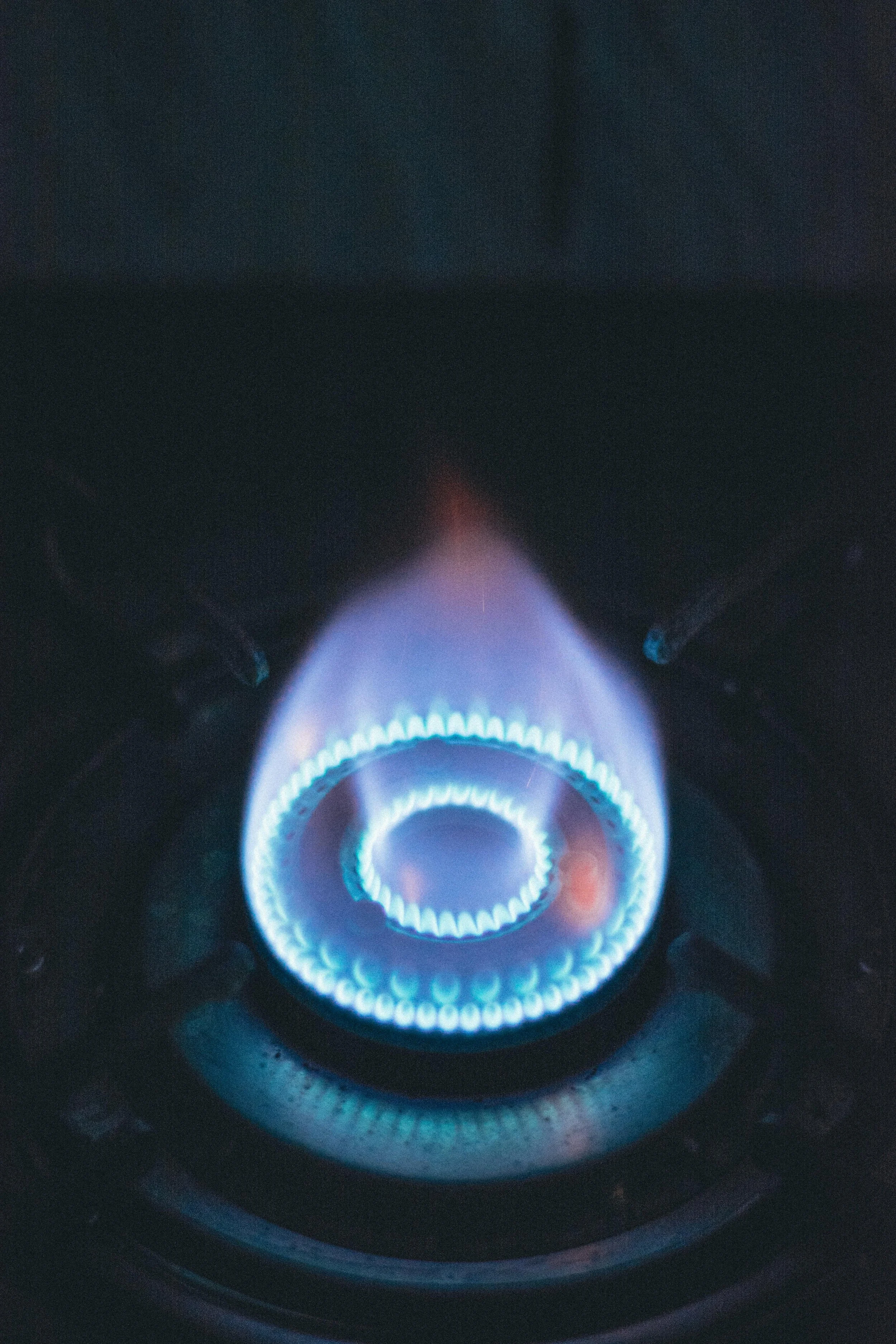
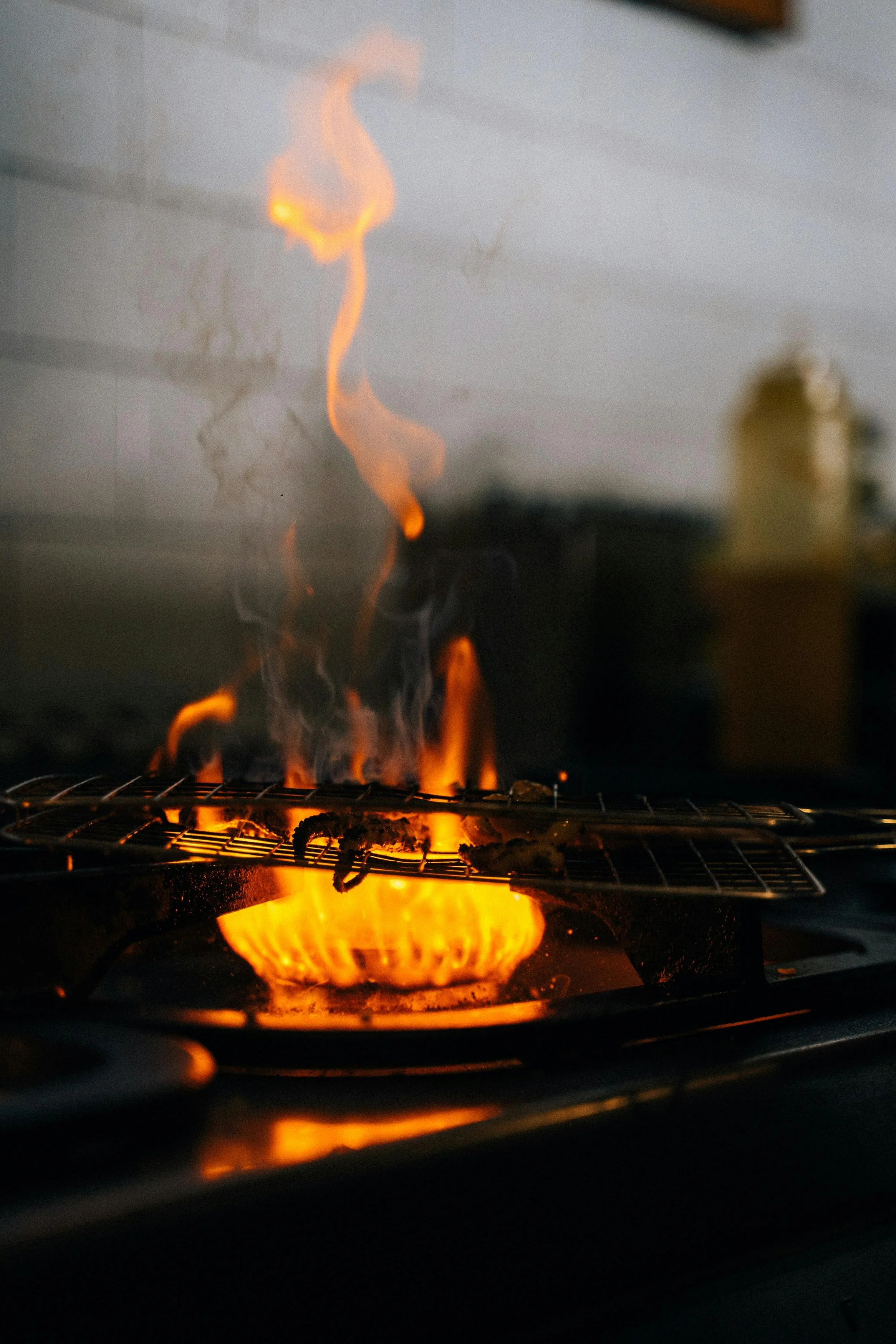
Healthy gas flames are typically steady and blue. Yellow, orange, or uneven flames can point to incomplete combustion, clogged burner ports, or airflow issues.
Burners That Light Inconsistently
If one burner works perfectly while another struggles every other Tuesday like it’s emotionally overwhelmed by dinner prep, something is likely interfering with ignition or gas flow.
A Gas Smell Near the Appliance
This is the one homeowners should always take seriously. If you smell gas around your stove or oven, stop using the appliance immediately. Ventilate the area if possible and contact the appropriate professionals.
Gas appliances are designed with multiple safety systems, but unusual smells should never be dismissed as “probably nothing.”
What Homeowners Can Safely Handle and What Should Stay Professional

Courtesy of RDNE Stock project
There is a sweet spot between responsible homeowner maintenance and turning your kitchen into an accidental science experiment.
Some gas range issues are completely reasonable for homeowners to address safely. Others should absolutely stay in professional hands.
Safe Homeowner Maintenance
Basic cleaning and visual inspection are both smart and important.
Homeowners can safely:
Clean burner caps and grates
Remove food debris around burners
Check for visibly misaligned burner caps
Allow damp burner areas to dry thoroughly after cleaning
Watch for changes in flame color or ignition behavior
Many ignition complaints genuinely do come down to grease buildup, moisture, or burner caps that were bumped slightly out of position during cleaning.
The key word, however, is safely.
Always allow burners and grates to cool completely before adjusting or cleaning them. Nobody wants to explain an avoidable burn injury that started with “I just wanted to fix the flame real quick.”
When to Call a Professional
Some situations deserve more than a paper towel and optimism.
Homeowners should contact a professional appliance repair technician if they notice:
Repeated delayed ignition
Persistent gas smells
Burners that will not ignite consistently
Continuous clicking that does not stop
Yellow flames that persist after cleaning
Suspected ignition component failure
Problems involving internal gas or electrical components
Modern gas ranges are sophisticated appliances. Between ignition systems, gas valves, safety sensors, and electronic controls, many repairs require proper diagnostic tools and trained service work.
This is especially true for higher-end ranges, where precision components and specialty parts are involved.
In other words: cleaning a burner cap is homeowner territory. Disassembling gas components because a stranger on the internet suggested using a hair dryer near an igniter is decidedly not.
A Little Attention Now Can Prevent a Bigger Problem Later
Most appliance problems do not appear out of nowhere. They build gradually through small warning signs that are easy to ignore until they become impossible to miss.
The recent Fisher & Paykel recall is a reminder that even premium appliances can develop issues over time. Paying attention to unusual behavior early can help homeowners avoid larger repairs, safety risks, and a whole lot of frustration later.
If your gas range has started acting differently, whether that means delayed ignition, uneven flames, strange clicking, or inconsistent heating, the team at Appliance Rescue Service can help diagnose the issue and get your kitchen back to working safely and reliably.
Professional appliance service helps keep the machines you rely on every day running the way they should, without the surprise pyrotechnics. 🔥
Website
Call :(214) 599-0055

Courtesy of tazzmanian studios insta