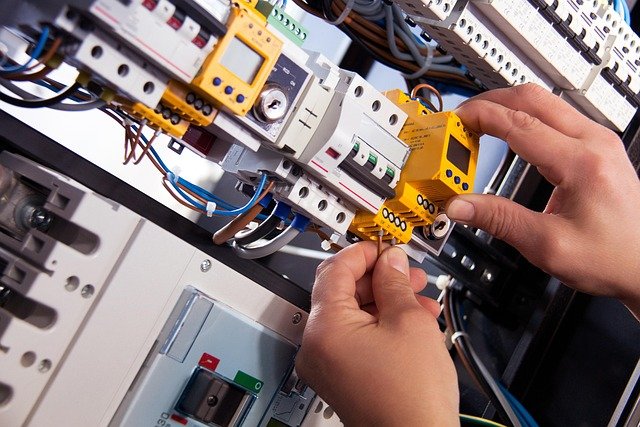
appliance fire risk

Frigidaire Mini Fridge Recall Expands to Nearly 1 Million Units Over Fire Risk

The CPSC expands a nationwide recall affecting models sold at Target, Walmart, and Amazon.

Homeowners Alert: Frigidaire Mini Fridge Recall Expands to Nearly 1 Million Units
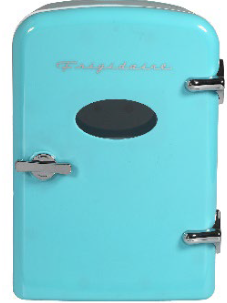
PSA
If you own a Frigidaire mini fridge purchased in the last few years, it may be time to check the model number. A major recall has now expanded, affecting nearly one million units due to fire hazards.

What Happened?

U.S. Consumer Product Safety Commission (CPSC) has announced an expanded recall of Frigidaire-branded mini fridges manufactured and distributed by Curtis International Ltd..

The original recall, issued in July 2025, involved approximately 634,000 units. As of January 15, 2026, an additional 330,000 mini fridges have been added. This brings the total to approximately 964,000 affected units.

The issue stems from internal electrical components that can short circuit and ignite the surrounding plastic housing, posing serious fire and burn hazards.

According to the CPSC, there have been at least 26 reports of the mini fridges smoking, sparking, melting, overheating, and catching fire. Property damage linked to the earlier recall exceeded $700,000. Two consumers also reported smoke inhalation injuries.

The expansion adds six additional fire reports tied to the newly included model.

These units were manufactured in China and imported by Curtis International Ltd. of Canada.

Why Do Recalls Expand?

It is not uncommon for recalls to grow over time.

Manufacturers and regulatory agencies often begin with the models most clearly tied to reported incidents. As additional reports are investigated or production records are reviewed, more units may be identified as sharing the same internal components or manufacturing batches.

An expansion does not necessarily mean the original recall was incomplete. Instead, it often reflects an ongoing investigation and additional data being reviewed after the first announcement.

In this case, the addition of model EFMIS121 increases the total number of affected units to nearly one million nationwide.

Who Is Affected?

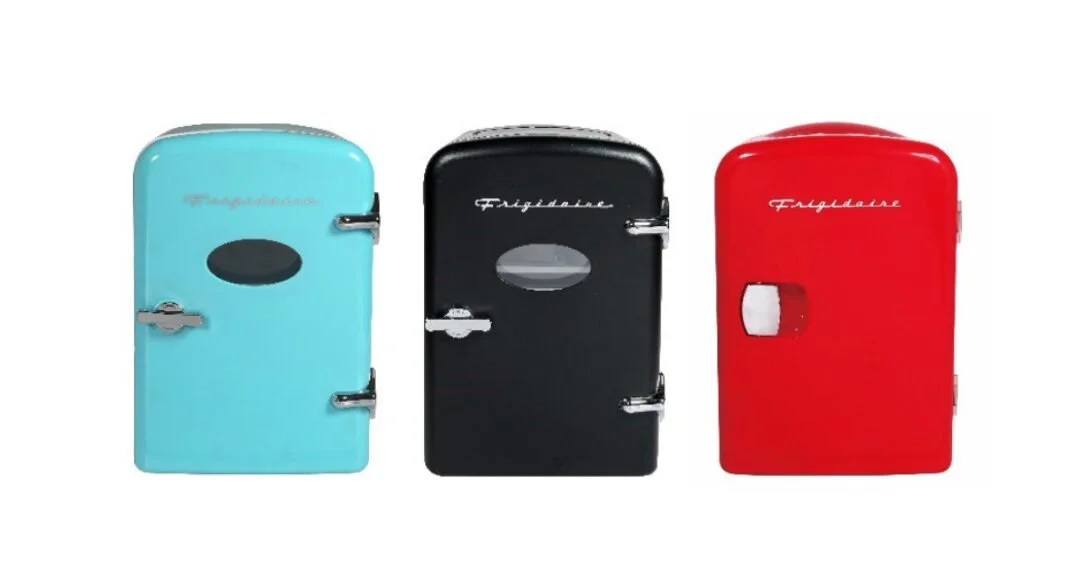
The recall now includes the following Frigidaire mini fridge models:

  • EFMIS129

  • EFMIS137

  • EFMIS149

  • EFMIS175

  • EFMIS121

The earlier models were sold in 6-can and 9-can sizes in a variety of colors including black, blue, green, white, yellow, red, pink, and silver. They were available at major retailers such as Walmart and Amazon between January 2020 and December 2023, typically priced between $36 and $40.

The expanded recall specifically includes the 6-can red model EFMIS121 sold exclusively at Target stores and Target.com from January 2020 through October 2023 for approximately $30 to $40.

To determine if your unit is included, locate the model and serial number on the label affixed to the back of the mini fridge and compare it to the list provided on the official recall website.

What Is Being Offered?

Unlike some recalls that involve repair kits or replacement parts, this recall offers a full refund.

Consumers are instructed to:

  • Immediately stop using the mini fridge

  • Unplug the unit

  • Cut the power cord

  • Write “Recall” on the front door using permanent marker

  • Dispose of the appliance according to local and state regulations

Refund registration is available at: www.recallrtr.com/minifridge.

Why Is This Recall Significant?

While mini fridges are often marketed as convenient additions to dorm rooms, offices, nurseries, or game rooms, they are still electrical appliances. When internal wiring fails, the results can escalate quickly.

The reported incidents include units burning, melting, and igniting nearby materials. With nearly one million units now affected, this is no small recall.

It is also worth noting that many of these appliances were purchased several years ago. If yours has been running quietly in a bedroom or garage since 2020, this is not something to ignore.

Why Smaller Appliances Should Not Be Overlooked

Because mini fridges are compact and relatively inexpensive, they are often viewed as low-risk additions to a home. Many are placed in bedrooms, nurseries, offices, or garages and left running continuously with little thought.

However, they operate on the same electrical principles as full-sized refrigerators. When internal wiring fails or overheats, the surrounding plastic housing can ignite just as easily.

A smaller footprint does not mean a smaller hazard. In fact, when these appliances are placed in enclosed spaces or near combustible materials, the risk can escalate quickly.


What Should You Do?

Start by checking the model and serial number on the back of your mini fridge.

If your unit matches one of the affected models, stop using it immediately and begin the refund process.

Even if your specific model is not included, this is a good reminder to regularly inspect smaller appliances for signs of overheating, unusual smells, or discoloration around outlets and cords.

If you are experiencing electrical issues with any appliance in your home that fall outside of this recall, reach out to us at Appliance Rescue Service.

There should never be a time when you feel uncertain about the safety of an appliance operating inside your home. Whether it is a full-size refrigerator, a range, or a compact mini fridge, our technicians are experienced in diagnosing and addressing potential hazards before they become emergencies.

Your home should feel secure. If something seems off, we are here to help.
Website
Call: (214) 599-0055

Additional Reading

Exploding Lids? What You Need to Know About the Ninja Foodi Recall 

Homeowners Beware: LG Recalls Electric Ranges Due to Safety Risks

Steps to Take When Your Appliance is Recalled

Vacation Ready: The Household Items You Should Always Unplug

Unplugging isn’t just busywork. Here’s what to unplug, what to leave in, and the real reasons why.

You’ve got your bags packed, your out-of-office email turned on, and the pet sitter all squared away. But just before you head out the door, here’s a question worth asking: what’s still plugged in around your house?

Unplugging appliances before vacation might feel like one of those optional chores you can skip. And hey, most of the time, you’d be right. Most folks leave home without unplugging a thing and return to find everything just as they left it. But if taking five extra minutes to unplug a few key items can save you from a fire, a fried device, or an inflated electric bill—why not?

Here’s a room-by-room guide to help you figure out what can stay in, what should come out, and why it matters.


In the Kitchen

Let’s start with the most appliance-packed room in the house.

Countertop appliances like toasters, air fryers, electric kettles, coffee makers, and microwaves should be unplugged before you leave. Not only do many of these have heating elements that could pose a risk if there’s a malfunction, but they also use standby power even when they’re off. That little clock on your microwave? Yep, it’s still sipping electricity. And anything with grease buildup or crumbs sitting near a heat source is one power surge away from becoming a hazard.

Now, your refrigerator should stay plugged in unless you’re planning to be away for more than a month and have time to empty and clean it out. For shorter trips, just make sure it’s at least half full (water jugs work in a pinch) so it doesn’t have to work as hard to stay cool.


Living Room + Office Area

Entertainment centers are sneaky energy vampires. Your TV, streaming box, game consoles, and even cable boxes all draw power even when they’re powered off. And while the cost adds up over time, the bigger concern here is protecting your pricey electronics from power surges while you're not around. Lightning strikes or grid fluctuations can do a real number on your home theater setup if it’s still connected.

Before heading out, unplug everything you can in this area. If they’re all on one power strip, even better—just flip the switch.

Same goes for computers and accessories. Unplug desktops, laptops, printers, and anything else with a battery or sensitive circuit board. If you’re someone who’s got backups running, make sure they’re finished, then go ahead and unplug.

Courtesy of Brayear Rodriguez.

And if you’re still on the fence? Just imagine returning from a relaxing trip to find your hard drive fried by a surge. That mental image is usually enough motivation to reach for the plug.


Bedroom + Bathroom

Here’s where some of the most common fire hazards live: hair styling tools. Whether it’s a curling iron, flat iron, or hair dryer, these should always be unplugged when not in use—and especially before a trip. A single damaged wire or faulty switch can lead to smoldering parts even when the device is off.

Battery chargers, especially for lithium-ion devices (think: cordless vacuums, electric toothbrushes, camera batteries), should also be removed from outlets. These can pose a fire risk if left charging for too long or if they’re damaged in any way. One of the most frequent causes of battery-related fires is unattended overcharging, so err on the safe side.

Nightstand lamps and alarm clocks? Up to you. They don’t pose a major risk, but unplugging them can still reduce phantom energy use.


Utility Room or Laundry Area

This one surprises people: your washer and dryer should be unplugged too. Dryers, in particular, are one of the leading sources of appliance-related fires. If you're leaving for more than a few days, it’s worth the extra 30 seconds to reach behind and unplug them. Lint buildup inside dryers is no joke—combine that with a random power surge and things can go downhill fast.

Courtesy of planetcar

And if you really want to go the extra mile, you can even turn off the water supply to the washer. It’s not a bad habit—especially if your washer hoses are older or you’ve had a leak before. A cracked hose while you're out of town can go from minor annoyance to major water damage in no time.

Water heater? No need to unplug entirely. Most modern models have a "vacation" or "low" setting, which keeps them operating efficiently without turning them off altogether.


The Essentials to Leave Plugged In

Not everything should be unplugged. Your refrigerator (as mentioned) stays. So do your smoke detectors, carbon monoxide detectors, and any home security systems. If you use smart home features like thermostats, lights, or cameras, your Wi-Fi router and modem also need to stay powered on. That connectivity can make all the difference if something goes wrong and you need a heads-up. Plus, if your router's online, it's one way to verify whether your home's still got power at all.

If you have a sump pump or a radon abatement system, those are non-negotiable. They need to stay running while you're away, period.

Bonus Tip: Skip the Breaker Panel

courtesy of Harry Strauss.jpg

Some people prefer to flip circuit breakers instead of unplugging items room by room, but this comes with risks. Unless you’re absolutely sure what’s on each circuit, you could end up turning off something essential, like your fridge or sump pump. Plenty of breaker panels are mislabeled or include hidden connections you’d never guess. Better to be precise than sorry.


At the end of the day, unplugging before vacation is about prevention, not paranoia. Your home likely won’t burst into flames because you left your toaster plugged in—but why take the chance? Plus, it’s a small step that saves energy, protects your electronics, and gives you a little extra peace of mind while you’re away.

And once you’re home again, plugging everything back in will feel like a gentle re-entry. Welcome back!

If something doesn’t power on quite the way it used to—or worse, if you return to an appliance that’s acting up—our team at Appliance Rescue Service is here to help. From troubleshooting strange behavior to handling post-vacation surprises, we’re just a call away. Safe travels, and know we’ve got your back when you get home.