power surge protection

Storm Safety Quiz: Do You Know Which Appliances to Unplug?

Severe weather doesn't have to spell disaster for your electronics. Here's what every homeowner should know. 


Let's have a bit of a game, shall we? We're going to play a quick round of True or False to see how much you know about protecting your electronics during a thunderstorm.

Keep track of how many you get right, and let us know over on Facebook. Bragging rights are absolutely on the line.

=True or False

Homeowners watching a thunderstorm approach from inside their living room.

Courtesy of Ketut Subiyanto

Turning your television off is enough to protect it during a storm.

False! Unfortunately, your television doesn't care that you used the remote. If it's still plugged into the wall, it's still connected to your home's electrical system. If a power surge moves through your wiring, those sensitive internal components can still be damaged. Off and unplugged are two very different things.

=True or False

You should wait until the storm arrives before unplugging your electronics.

False! In fact, that's exactly what you shouldn't do. If severe weather is in the forecast, unplug important electronics before the storm reaches your area. Once lightning is nearby, it's safest to stay away from outlets and power cords altogether. Nobody needs to turn storm prep into an extreme sport.

=True or False

Your router and modem are worth unplugging before a storm.

True! We know. Nobody wants to volunteer to disconnect the internet. However, routers and modems contain delicate electronics that can be vulnerable to power surges. Since these devices are often connected to both power sources and communication lines, they have more than one potential pathway for damage.

=True or False

If your phone is plugged into the wall, it's perfectly fine to keep using it during a thunderstorm.

False! Research suggests that wireless devices are generally safe to use during storms as long as they aren't connected to a wired charger. If your phone is charging from a wall outlet, it's probably a good excuse to finally pick up that book you've been meaning to finish.

=True or False

Surge protectors guarantee that your electronics are safe.

False! Surge protectors can absolutely help protect against smaller fluctuations in electricity. However, multiple sources noted that they aren't foolproof, especially when lightning is involved. Think of them as seat belts. They're an important safety measure, but they don't make you invincible.

=True or False

Only expensive electronics need protection during a storm.

False! The television and computer tend to get all the attention, but they're hardly the only things at risk. Chargers, coffee makers, microwaves, smart home devices, garage door openers, and other electronics can also be affected by power surges. Modern homes are full of gadgets that quietly do their jobs until the day they decide not to.

=True or False

Lightning has to strike your house directly to damage your electronics.
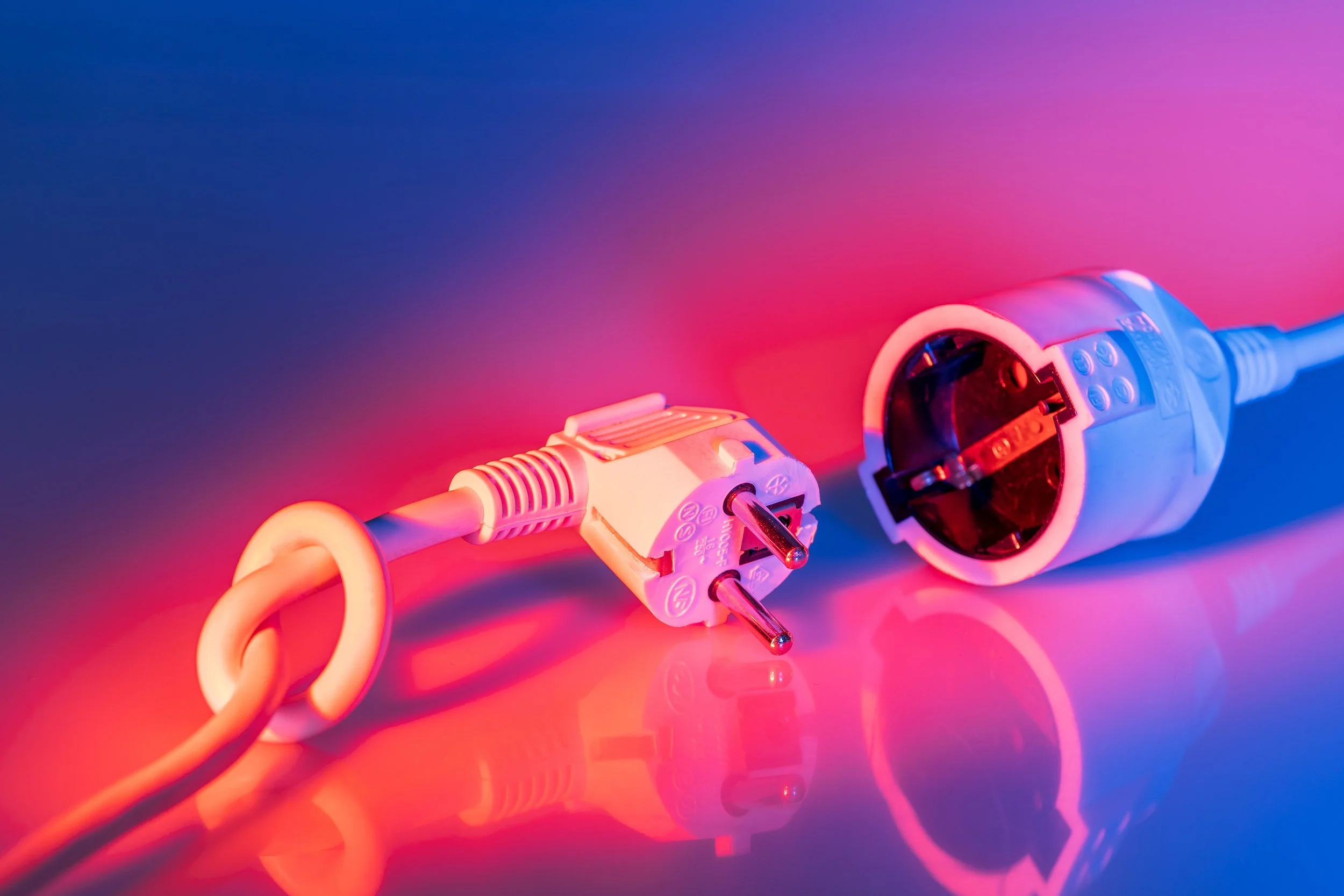
Homeowner unplugging electronic devices before a severe thunderstorm.

Courtesy of tom analogicus

False! A nearby lightning strike can potentially cause a power surge that travels through electrical systems. Several sources also pointed out that surges can happen when power is restored after an outage. Lightning doesn't necessarily need your exact address to ruin your afternoon.

=True or False

As soon as the power comes back on, you should immediately plug everything back in.

False! Some experts recommend waiting a few minutes after power is restored before plugging devices back in. This can help reduce the chance of exposing electronics to additional fluctuations as service stabilizes. Besides, your coffee maker can survive another five minutes. We believe in you.

=True or False

Garage door openers can be damaged during a storm.

True! This one surprises a lot of people. Many modern garage door systems rely on electronic control boards. According to some electricians, those components can be susceptible to power surges. You don't realize how much you depend on your garage door until you're standing in the driveway wondering why it's suddenly refusing to cooperate.

=True or False

You should unplug every single appliance in your house before every thunderstorm.
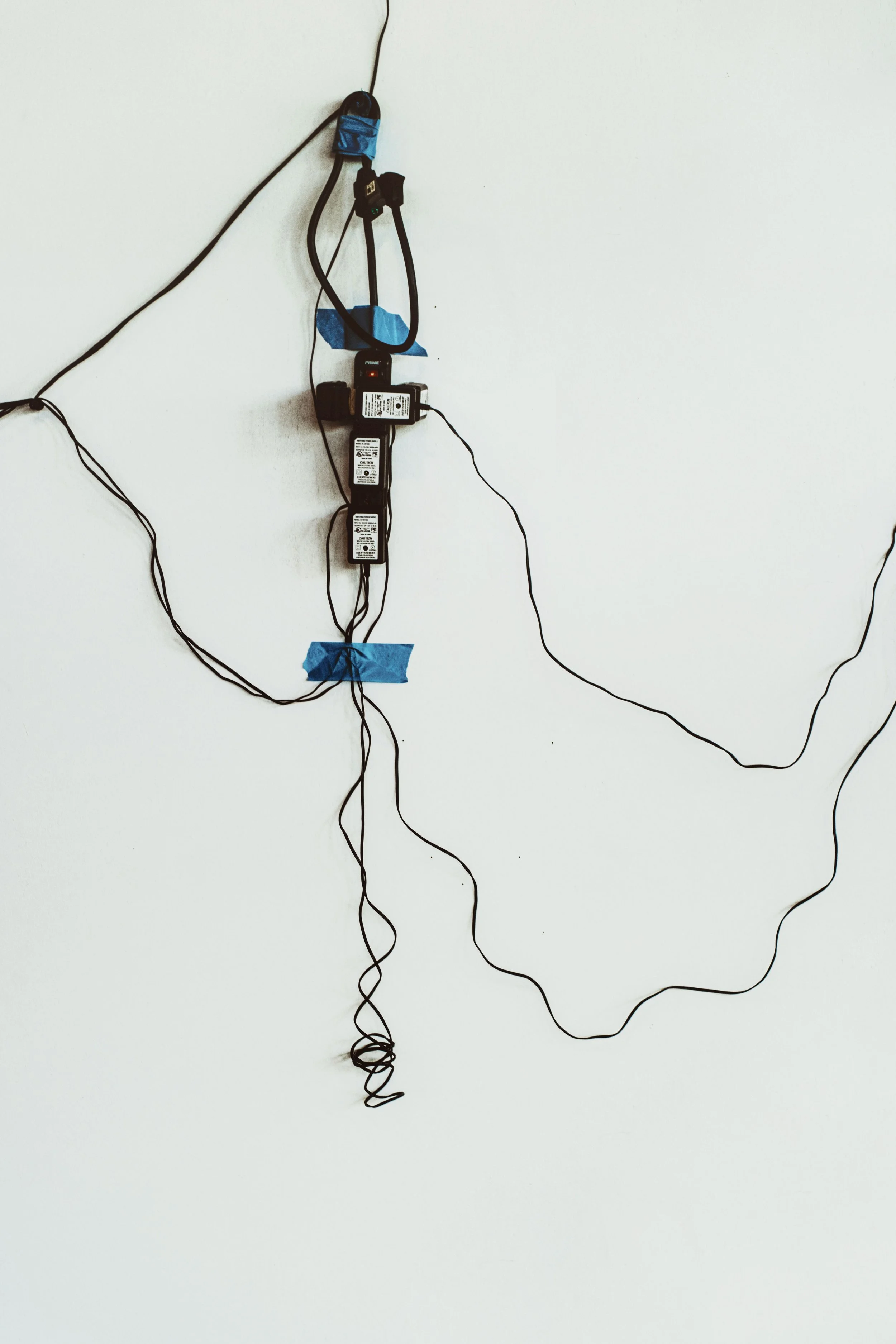
Surge protector connected to household electronics in a home office.

Courtesy of Tim Mossholder.

False... sort of.

Here's the catch. The research wasn't entirely consistent on this point. Some experts recommend unplugging as many appliances as possible. Others note that major appliances are generally designed to handle typical storm-related surges.

What everyone agreed on, however, is that if you choose to unplug devices, you should do it before the storm arrives. If unplugging every appliance in the house isn't practical, prioritize the electronics and devices that are most valuable or sensitive.

=True or False

Phone and laptop chargers should be unplugged during severe weather.

True! Chargers might seem harmless, but research suggests they can still transfer surge damage to connected devices. It's a simple step that can potentially help protect the electronics you rely on every day.

=True or False

Storm preparation starts before you hear thunder.
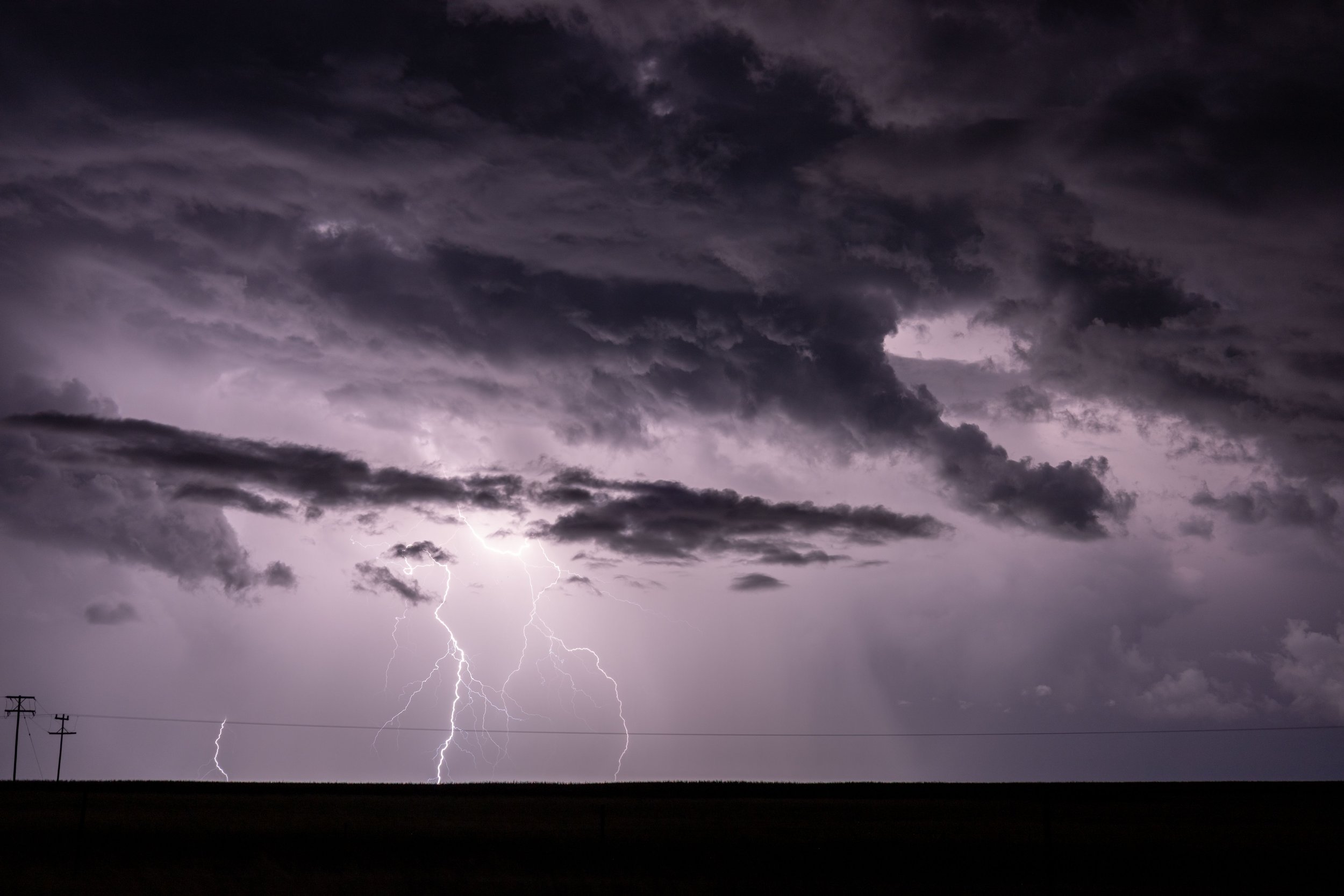
Lightning illuminating the sky during a powerful summer thunderstorm.

Courtesy of Ndumiso Mvelase

True! Whether that means charging your phone, checking the weather forecast, or unplugging a few important devices, planning ahead is one of the easiest ways to reduce stress during severe weather. Once lightning is already striking nearby, the safest place for you is away from outlets and electrical cords.

How did you do? Did you ace the quiz, or did a few of these catch you by surprise?

The truth is that thunderstorms are part of life, especially during the warmer months. While you don't necessarily have to unplug every single thing in your house every time dark clouds roll in, taking a few simple precautions can go a long way toward protecting the devices and appliances you depend on every day.

And if a storm does pass through and you notice that one of your appliances suddenly isn't working quite right, don't ignore it. Electrical damage isn't always dramatic. Sometimes it's as subtle as inconsistent performance, unusual behavior, or an appliance that simply doesn't seem like itself anymore.

If you suspect one of your appliances has been affected after a storm, we're always happy to help. You can reach out to us through our website or give us a call at ((214) 599-0055).
How to Protect Your Appliances from Summer Heat and High Energy Bills

Home appliances struggle during summer’s worst heat. These strategies will help you stay ahead of breakdowns and bills.

Summer heat takes a toll on all of us. We slow down, crank up the AC, reach for something cold—and try not to cook unless absolutely necessary. But while we’re finding ways to stay cool, our appliances? They’re quietly doing a whole lot more.


Your fridge is working harder to keep things cold. The dishwasher is running constantly because everyone’s home (and somehow always eating). Even your dryer and washing machine are pulling double duty with all the extra towels and clothes from beach trips and backyard fun.

It adds up fast. And if you're not paying attention, all that effort can wear your appliances down. The good news is you don’t need a total overhaul—just some smart, seasonal upkeep.

Let’s go room by room and break down how to keep your appliances running smooth, even when the temps keep climbing.


Air Conditioners: The Summer MVP That Needs a Break

No surprise here—your air conditioner is the hardest-working appliance in the house during summer. It's not just cooling your space; it's also pulling humidity from the air, which makes everything feel stickier and harder to manage. That double workload? It can wear your system out fast.


Here’s what helps:

Clean or replace the filters every month if you're running it daily.
Keep the outdoor unit free of weeds, leaves, and dust. It needs breathing room.

Schedule a quick checkup before the heat really kicks in. A pro can spot refrigerant leaks, clogged coils, or wiring issues before they become breakdowns.

Consider a dehumidifier if your AC can’t keep up with the moisture. It'll lighten the load and help your space feel more comfortable.

And if you haven’t already switched to a programmable thermostat, now’s a good time. Setting your AC a little higher when you're not home can make a big difference in both energy use and wear and tear.


Refrigerators & Freezers: Cold Storage, Hot Problems

Your fridge doesn’t get a break. It runs all day, every day—and in summer, it's fighting against heat, humidity, and more frequent door opens (because cold drinks, obviously). That means the compressor and fans are working overtime.

A few small tweaks go a long way:

Keep the fridge set to 37-40°F, and the freezer at 0°F.

Don’t pack it to the brim—air needs to move to keep things cool.

Clean the coils every couple months. Dust makes it work harder.

Check the seals. A loose gasket lets cold air slip out and makes the motor run constantly.

Also, try not to shove the fridge against the wall. It needs space to vent heat from the back. And if you store a second fridge in a hot garage, make sure it’s got plenty of airflow or consider moving it to a cooler spot.


Washing Machines: More Laundry, More Stress

Summer means sweat, swimsuits, towels, dirt—and lots of laundry. Your washer isn’t getting any rest, especially if your household is growing with guests or kids home for break.


To keep it from burning out:

Avoid overloading it. Smaller, balanced loads are easier on the drum.

Use the right amount of detergent. Too much can cause buildup and strain the system.

Leave the door open after a wash to let moisture dry out (mold loves damp spaces).

Wipe down the drum and gasket regularly.

Check the hoses every now and then for cracks or leaks.

If your washer has a cleaning cycle, use it monthly. If not, run a hot cycle with white vinegar to keep things fresh and clear.


Dryers: A Hidden Fire Risk in the Heat

You might not think about it, but dryers are a big fire risk—especially in summer. Heat plus lint plus long drying cycles is a risky combination.


Here’s what you can do:


Clean the lint trap every time you run a load.

Wash the screen with soap and water once a month to remove film.

Check the vent hose and clean it out at least once a year.

Don’t overstuff the dryer—it takes longer to dry, and it wears out the motor.

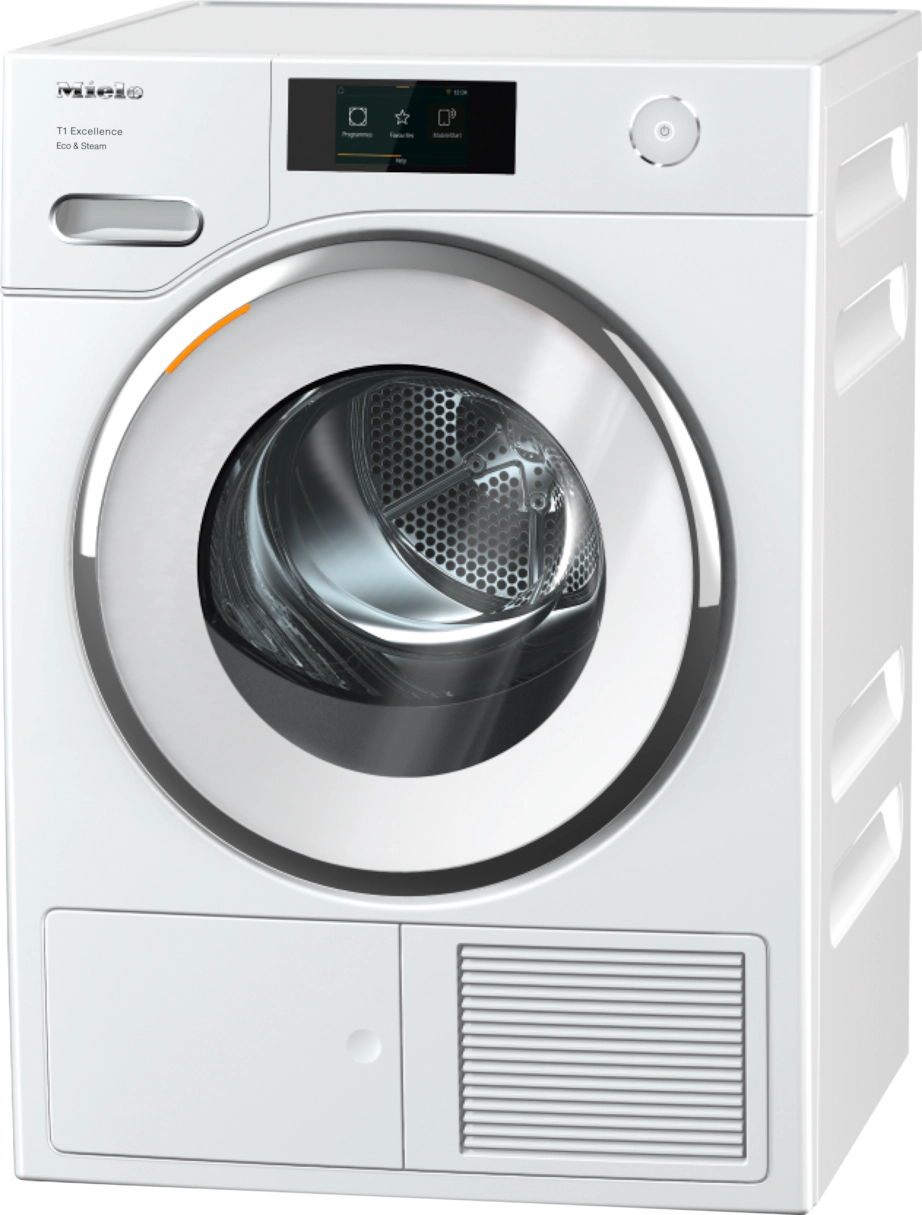
Courtesy of Miele

If the weather’s nice, hang-dry towels and heavier items outside. Your dryer (and your electric bill) will thank you.

Also, keep an eye (and ear) out for any odd noises or longer-than-usual dry times. That’s often the first sign something’s clogging up the works.


Dishwashers: They Work Harder Than You Think

Between cookouts, houseguests, and just eating at home more often, your dishwasher has a busy summer. If it’s not maintained properly, it won’t clean as well—or worse, it might leak or break down completely.


To keep it running smoothly:

Don’t overload it. Water and detergent need space to move.

Clean the filter regularly (if it’s removable, pull it out and rinse).

Wipe down the gaskets and door edges where grime builds up.

Rinse or scrape food chunks off plates before loading.

Run a cleaning cycle once a month, or run it empty with a bowl of vinegar on the top rack.

If you live in an area with hard water, use a rinse aid or softener. Mineral deposits can clog up spray arms fast.


Water Heaters: Easy to Ignore, But Still Working

It might not seem like your water heater is doing much in the summer, especially if you’re leaning into quick, cool showers. But don’t forget—if your household grows during summer, or you're doing lots of laundry and dishes, the demand spikes.


Some quick ways to reduce strain:

Set the temp to 120°F. It’s hot enough for comfort, but safer and more efficient.

If you have a tank heater, flush it yearly to get rid of sediment.

Check for any rust or dripping around the base. Early signs of trouble.

Lowering the temp a few degrees can save you a surprising amount on your energy bill. And if you’re planning to leave town, turn it to vacation mode.


Stoves & Ovens: Summer's Not the Time to Bake

We get it—sometimes a casserole just sounds good. But using your oven in the heat of summer? It warms up your kitchen, which makes your AC work harder, and can shorten the life of your stove.


Smarter alternatives:

Cook in the morning or late evening when it’s cooler.

Use smaller appliances like air fryers or toaster ovens when possible.

Keep burners and drip pans clean to avoid fire hazards.

Check gas connections for wear if you’re using a gas range.

And when spills happen inside the oven? Clean them right away. Baked-on grime can smoke up fast.


Ice Makers & Grills: Small Appliances, Big Impact

Your ice maker might be working harder than any other appliance and getting the least attention. Give it a little love:

Change the water filter every six months.

Clean the bin, the lines, and the interior according to the manufacturer’s directions.

Watch for leaks or buildup.


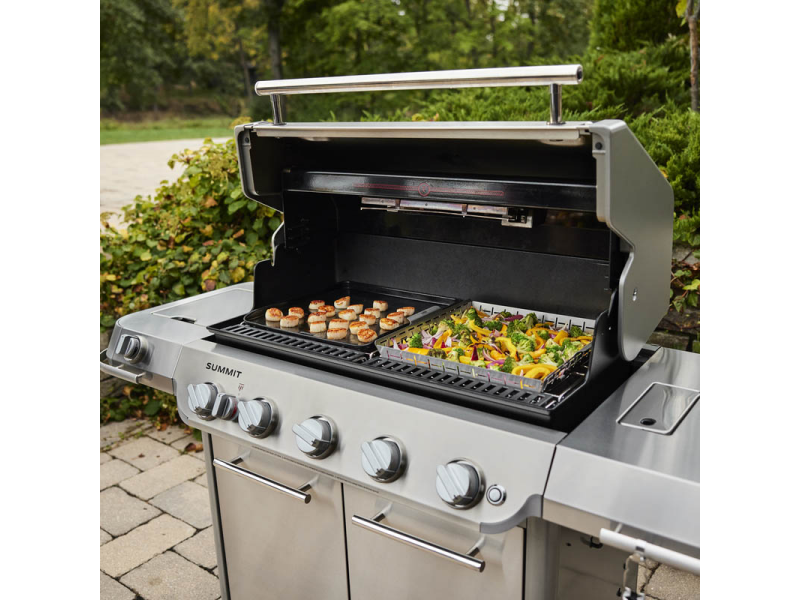
If you're using a grill often:

Scrub the grates after every use.

Empty the grease tray to avoid flare-ups.

Courtesy of Weber

Check the burners and fuel lines, especially on gas grills.

A well-maintained grill not only lasts longer but cooks more evenly, which means better burgers.


Power Surges, Overloads & Smart Habits

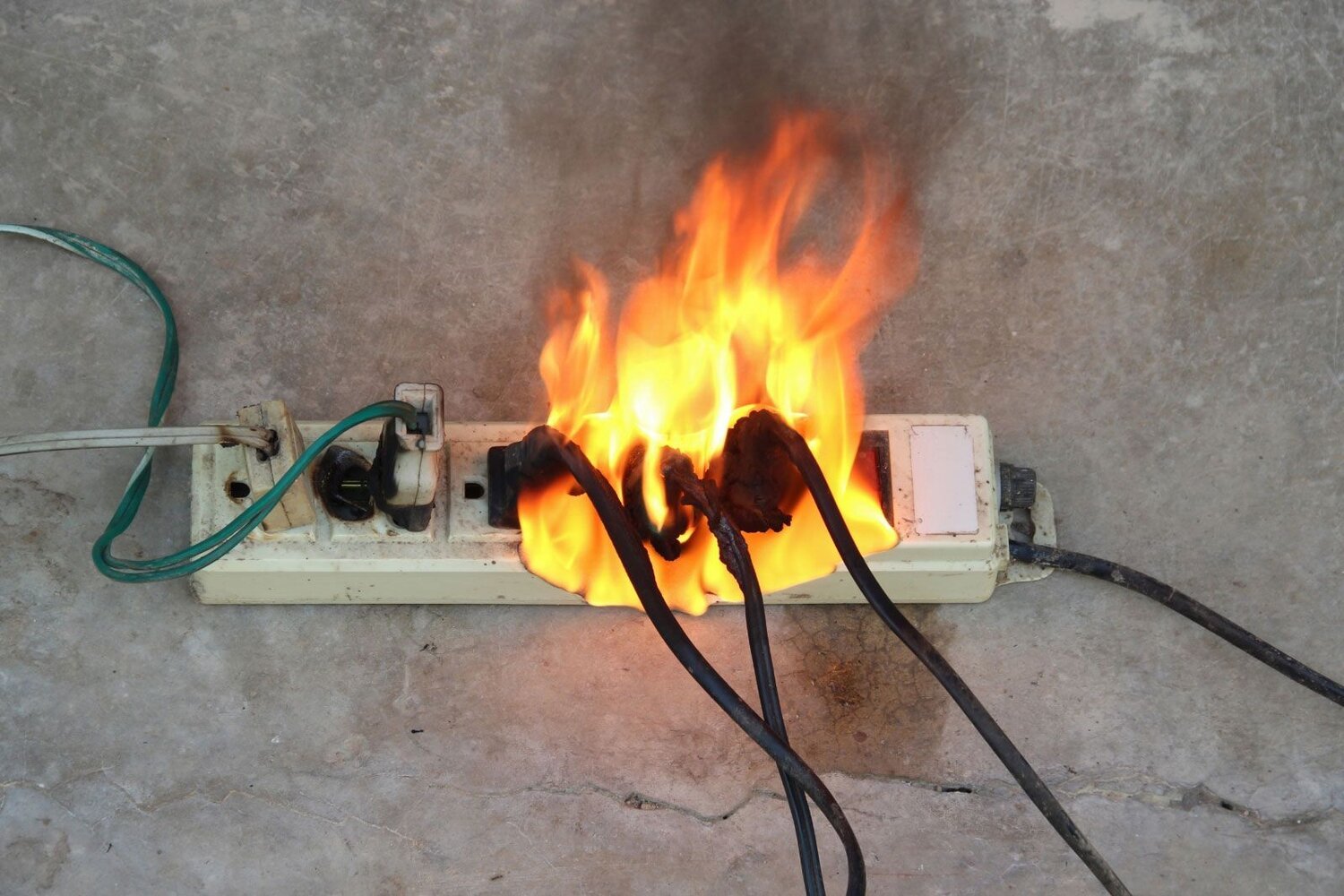
Summer storms and overloaded outlets can knock out your appliances in a flash. Surge protectors are a must, especially for big-ticket items like your fridge or AC unit.

Unplug what you can when not in use. That includes toasters, gaming systems, chargers—anything with a standby light. It’s not just safer, it saves you on "phantom" electricity usage.

And if your breakers trip often? Call an electrician. It might be time to upgrade your panel or rework your wiring.


Long-Term Wins: Energy Efficiency & Smart Techpix

If your appliances are aging or you’re planning upgrades, consider ENERGY STAR models. They use less energy, reduce strain on your home systems, and often come with rebates.

Even better? Many smart appliances now monitor their own health. Some can alert you if the fridge is too warm, or if your washer detects a leak.

They cost more up front, but they often pay for themselves in energy savings and peace of mind.


You don’t have to overhaul your whole house to stay cool and avoid surprise repairs. Just pay attention to the everyday appliances that keep your home running. A quick clean, a new filter, or a small adjustment now can save you from a big headache later.


Need a hand keeping your appliances in peak condition this summer? At Appliance Rescue Service, our expert technicians are here to help you stay ahead of costly breakdowns. Whether it’s routine maintenance or a repair that just can’t wait, we’ll make sure your appliances keep up with the season—so your home stays comfortable, efficient, and worry-free. Reach out anytime—we're just a call away.


Website

Call: (214) 599-0055