
Simple ways to make your kitchen and laundry spaces feel calmer, cleaner, and more comfortable.
There are some homes that just feel good the moment you walk into them. The kitchen feels calm instead of chaotic. The light coming through the windows softens the room instead of making it feel harsh and sterile. There might be a few plants on the counter, a bowl of fresh fruit on the island, or natural wood tones that make the entire space feel grounded and welcoming. Even the sounds feel softer somehow. No rattling dryer thumping in the background like a loose shopping cart wheel. No refrigerator making strange midnight clicking noises from across the house. No dishwasher growling through an entire dinner conversation.
Then there are homes that feel exhausting before you even sit down. Harsh lighting, cluttered counters, stale air, noisy appliances humming in the background like angry little robots fighting for dominance over the kitchen. The space feels cramped, overstimulating, and disconnected from anything natural.
A home usually does not start feeling stressful all at once. Most of the time, it happens one small irritation at a time.
That difference is part of what people are talking about when they discuss biophilic design.
What Is Biophilic Design?
While the term itself might sound trendy or overly technical, the idea behind it is actually very simple. Biophilic design is about creating spaces that reconnect people with nature and with the things that naturally make us feel calmer, healthier, and more comfortable in our environment. It focuses on things like natural light, airflow, greenery, organic textures, natural materials, and layouts that make a home feel open and restorative instead of stressful.
The concept has gained popularity in architecture, office design, and healthcare spaces over the past several years, but at its heart, biophilic design is not about turning your house into a luxury resort lobby full of imported moss walls and indoor waterfalls.
Most homeowners are not looking to recreate a rainforest in the living room. They just want their home to feel better to live in.
And honestly, small changes can go a surprisingly long way.
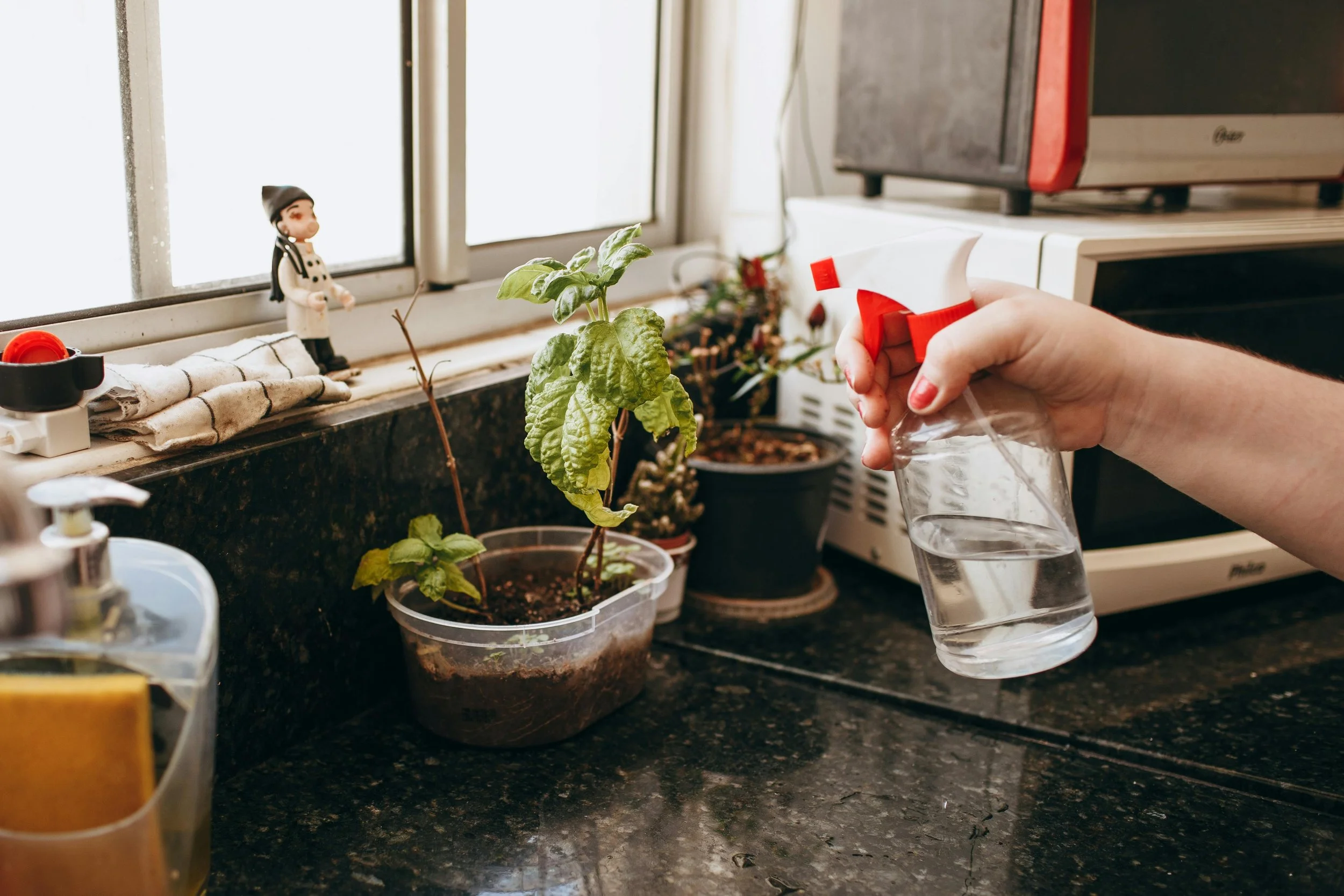
Courtesy of Helena Lopes
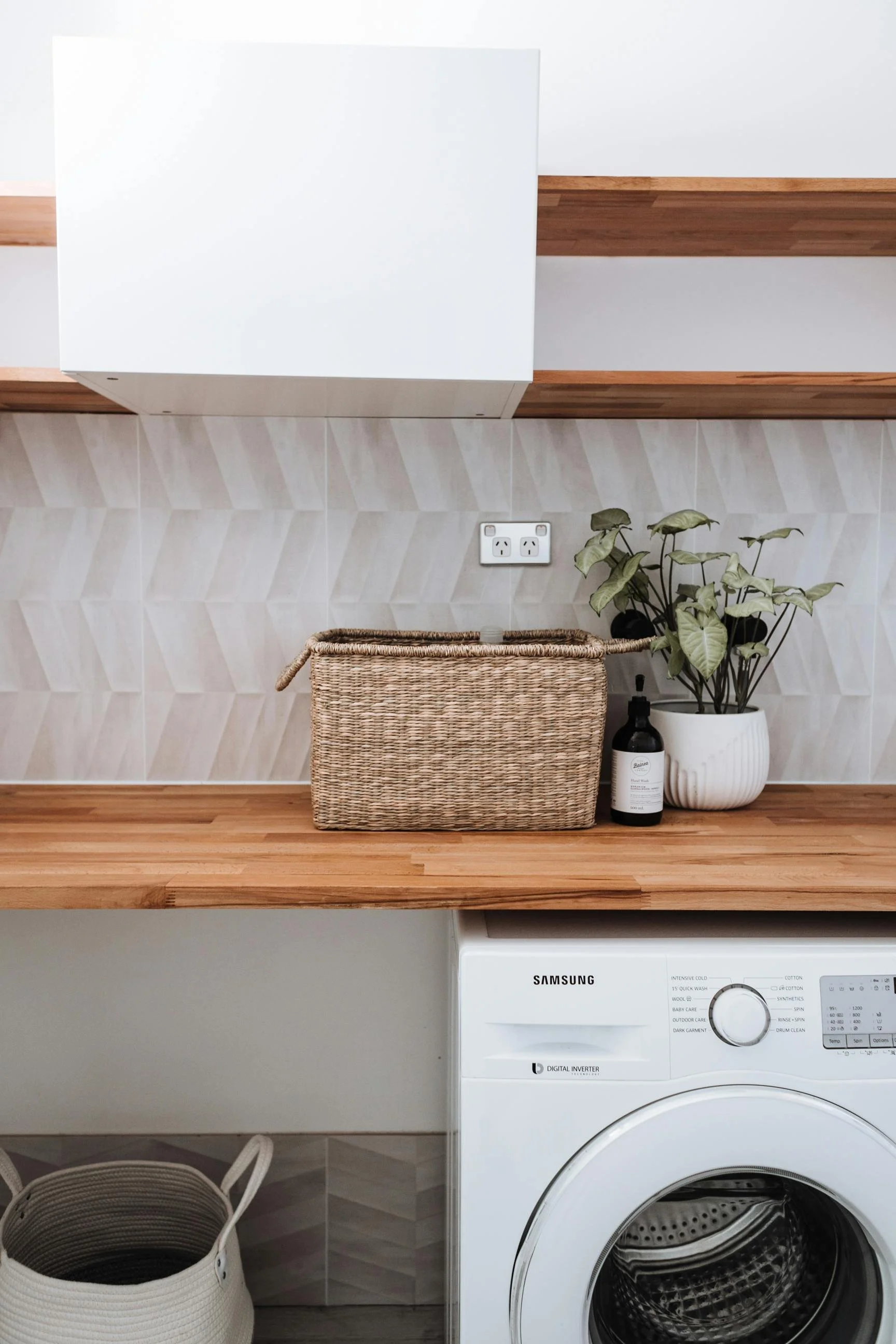
Courtesy of Rachel Caine
What Biophilic Design Actually Looks Like in a Real Home
One of the reasons biophilic design resonates with so many homeowners is because the concept is far more practical than people expect. This is not about perfection or expensive renovations. It is about creating spaces that feel lighter, calmer, and easier to exist in every day.
For some homes, that might mean opening the blinds more often and letting natural light reach the kitchen table again. For others, it might mean adding a few plants to soften a room that feels overly modern or sterile. Sometimes it is as simple as reducing clutter, adding warmer lighting, or bringing in natural textures like wood, linen, stone, or woven baskets to balance out all the stainless steel and glossy surfaces modern kitchens tend to collect.
The goal is not to make a home look like a showroom. The goal is to make it feel lived in, functional, and restorative.
Start With Light, Space, and Less Clutter
One of the easiest places to start is with natural light. Many modern homes unintentionally block it out with heavy curtains, dark corners, overcrowded countertops, or bulky decor. Kitchens especially tend to become command centers for modern life, with coffee makers, air fryers, mixers, mail piles, charging cables, and half the contents of a warehouse club slowly creeping across every available surface.
Opening blinds during the day, rearranging furniture to allow light to move more freely through a room, or simply clearing visual clutter near windows can instantly make a kitchen or laundry area feel larger and more comfortable.
Natural light changes the mood of a space in a way artificial lighting struggles to replicate. Research surrounding biophilic design consistently points to the benefits of daylight and exposure to nature-inspired environments, particularly when it comes to reducing stress and improving overall comfort.
You do not need a wall of floor-to-ceiling windows overlooking a mountain range to benefit from that idea. Sometimes it is as simple as letting the morning light hit the kitchen table again instead of a stack of unopened mail.
Plants are another easy entry point into biophilic design, and thankfully, nobody is requiring homeowners to keep a rare tropical orchid alive as some kind of botanical entrance exam. A few herbs in the kitchen window, a pothos on top of the refrigerator, or even a low-maintenance snake plant in the laundry room can soften a space dramatically.
The goal is not perfection. The goal is connection.
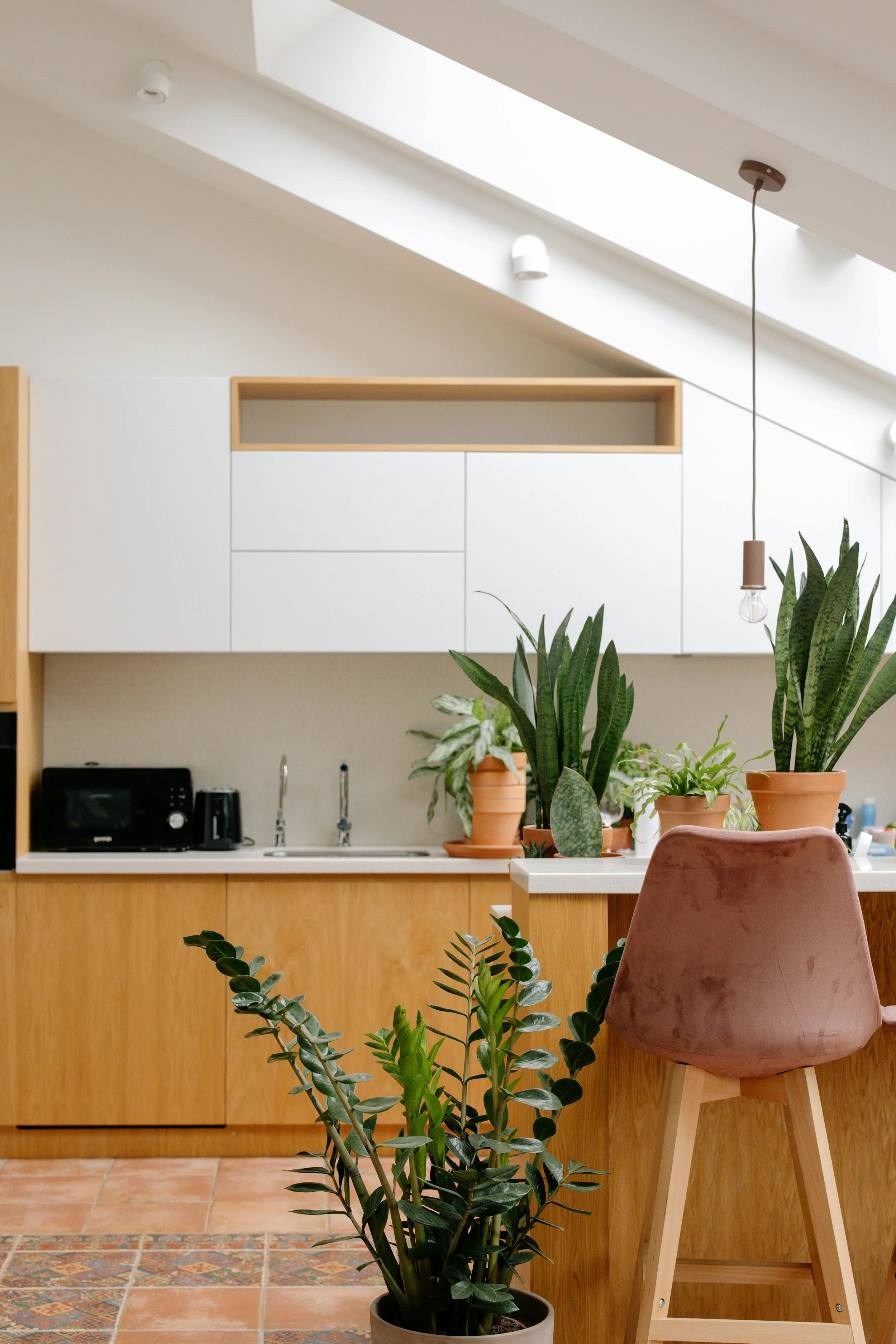
Courtesy of Cottonbro Studios
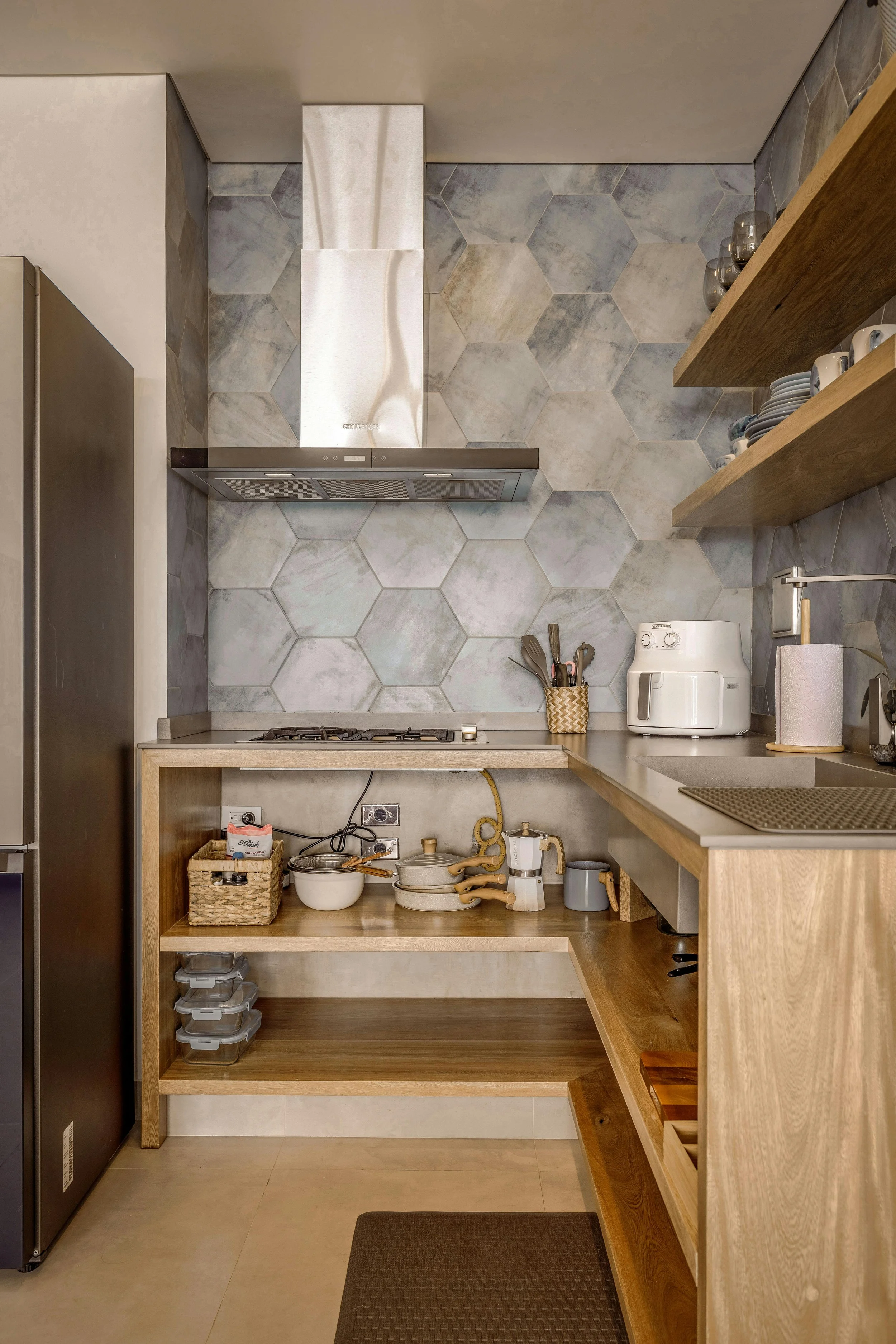
Courtesy of Juan Tapias
Why Appliances Affect the Feel of a Home More Than People Realize
Natural textures also play a major role in how a home feels. Wood cutting boards, woven baskets, linen towels, ceramic dishes, or stone accents introduce variation and warmth into spaces that can otherwise become dominated by metal, plastic, and glossy synthetic finishes.
Kitchens especially benefit from this balance because appliances already bring in a large amount of stainless steel, glass, and manufactured surfaces. Adding organic textures helps keep the room from feeling cold or industrial.
But appliances themselves also shape the sensory environment of a home far more than people realize.
A loud refrigerator cycling on and off throughout the evening changes the atmosphere of a kitchen. A squealing dryer can turn laundry day into an exercise in patience. A dishwasher that bangs and rattles through every cycle creates a constant layer of background irritation that homeowners slowly adapt to over time without even realizing it.
Quiet, functional spaces tend to feel calmer because our brains are not constantly processing unnecessary noise.
That is one reason properly maintained appliances matter more than people often think they do.
A struggling refrigerator that constantly buzzes and rattles in the background changes the atmosphere of a kitchen. A dryer that overheats turns a laundry room into a sauna. A dishwasher that leaks or leaves behind odors creates stress every single time somebody loads it.
Even small appliance problems slowly chip away at the comfort of a home over time.
The Sounds of a Stressful Home
Most people think about appliance repair strictly in terms of functionality. Does it work or not?
But appliances affect much more than convenience. They influence noise levels, energy efficiency, comfort, cleanliness, and even the emotional rhythm of a home. When major appliances are operating properly, the house feels smoother and more peaceful overall. When they are not, the tension tends to creep into everyday life one frustrating cycle at a time.
That is one reason biophilic design resonates with so many people right now. It reminds us that our homes are not just storage boxes for our belongings. They are environments that affect our mood, focus, stress levels, and ability to rest.
The constant clicking of an ice maker, the vibration of an unbalanced washer, or the hum of an overworked refrigerator may seem minor individually, but together they create background stress that homeowners slowly stop noticing consciously while still feeling the effects of it every day.
A peaceful-feeling home is often a quieter home.
Small Changes That Can Make a Home Feel Better Today
Fortunately, creating a more natural and welcoming environment does not require a complete renovation. In many cases, the most effective changes are also the simplest.
Start by clearing unnecessary clutter from kitchen counters and around major appliances. Spaces instantly feel calmer when every square inch is not competing for attention. If possible, create one area in the kitchen that stays intentionally open, even if it is small.
Pay attention to lighting as well. Swapping harsh white bulbs for softer, warmer lighting can completely change how a room feels in the evening.
Open windows when weather allows. Add a small plant near the sink or laundry area. Bring in natural textures through cutting boards, woven storage baskets, or simple linen towels instead of more plastic containers.
And perhaps most importantly, do not ignore appliance issues that are slowly disrupting the comfort of the home. Strange noises, overheating, leaks, excessive vibration, or lingering odors are not just mechanical issues. They change how a space feels to live in every day.
There is also something deeply comforting about maintaining the things you already own instead of constantly replacing them. A well-maintained appliance contributes to the rhythm and stability of a home. It quietly does its job in the background without demanding constant attention, which is exactly what most homeowners want from the spaces they live in.
Creating a Home That Supports You
Biophilic design may be a modern buzzword, but the core idea behind it is timeless. Humans naturally respond to environments that feel balanced, functional, warm, and connected to the natural world. Our homes do not need to be perfect to accomplish that. They just need to support the people living inside them.
At Appliance Rescue Service, helping homeowners maintain that sense of comfort is part of the job. Properly functioning appliances help kitchens and laundry rooms stay cleaner, quieter, more efficient, and far less stressful to live with day after day.
Whether it is repairing an appliance that is disrupting the flow of your home or helping extend the life of the machines you already rely on, maintaining your appliances is one small but important step toward restoring order, comfort, and calm to the spaces you use every single day.
Website:
Call: (214) 599-0055