
How lifespan, repair costs, and performance trends determine the right decision.
This is one of the most common homeowner questions:
Should I repair this appliance… or is it time to replace it?
After your home and car, your appliances are some of the largest investments you make. When one starts acting up, the decision can feel urgent. But industry experts, national retailers, and repair specialists largely agree that the answer shouldn’t be based on frustration alone. It should come down to cost, lifespan, frequency of breakdowns, warranty status, and overall performance.
And contrary to popular belief, age alone isn’t the deciding factor.
January–February Is the Best Time to Evaluate

Courtesy fo RDNE Stock project
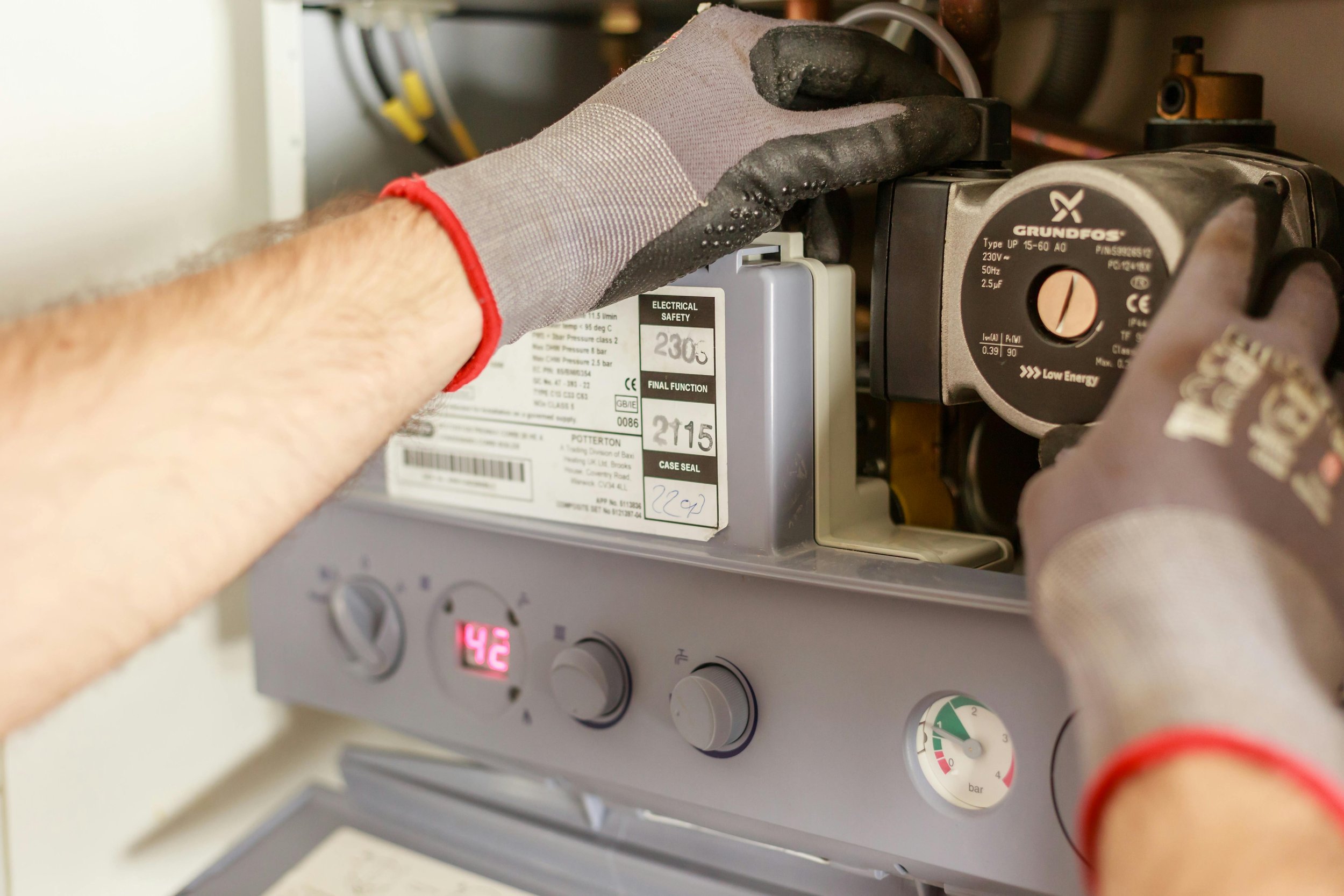
Courtresy of Heiko Ruth

Courtesy of Solomon Rodgers.
While there isn’t an official “repair season,” early in the year is often when problems surface. Post-holiday cooking, heavier laundry loads, and colder weather tend to expose wear that’s been building quietly for months.
It’s also a practical time to evaluate before spring expenses begin to pile up. Instead of making a rushed decision during an emergency, homeowners can look at the numbers calmly and plan ahead.
Why Timing Matters
Post-Holiday Strain
Appliances work harder during the holidays. Ovens run longer. Dishwashers cycle more often. Refrigerators are packed tighter than usual. That strain can reveal components that are nearing failure.
Catching issues early gives you more options. You can compare repair costs, check warranty status, and avoid paying for expedited parts or emergency service calls.
Before Spring Expenses Pile Up
Major home maintenance, landscaping, and travel often ramp up in the spring and summer. Evaluating appliances early in the year allows you to budget intentionally rather than react under pressure.
Factors That Matter More Than Age
It might be easy to think that how old an appliance is, is the only factor for when to replace it rather than repairing it. In reality though, age is often one of several factors and rarely the only reason to replace an appliance.
After all, as Cogsworth said, “if it’s not baroque, don’t fix it.”
Instead, start to look at these issues, and keep notes.
What type of issues are popping up consistently?
How frequent are the problems?
Is performance going down? If so, is it consistent? Or is it a matter of cleaning something and performance improves again?
How much would it cost to replace the appliance versus how long would it be out of commission if you repair it? Take into account the time it would take to get a new part in and how much the repairs would cost, including labor.
Industry guidance commonly refers to what’s known as the “50% rule.” If the repair will cost more than 50% of the price of a comparable new appliance, replacement is usually the smarter long-term investment. If it’s less than that, repair often makes financial sense.
It’s also helpful to understand typical lifespan ranges:
Refrigerators: 10 to 15 years
Dishwashers: 8 to 13 years
Washers and Dryers: 10 to 13 years
Ovens and Ranges: 10 to 20 years
Microwaves: 7 to 10 years
If your appliance is well within its expected lifespan and has been reliable, repair is often reasonable. If it’s near the upper end of that range and experiencing repeated problems, replacement may be worth considering.
When Repair Makes Sense
It might seem like the best idea is to replace your appliances when they start to have issues, but in many cases, it’s much easier on your wallet to repair rather than replace.
If you’re facing any of these situations, consider the benefits of repairing instead:
If it’s an isolated issue. If your oven has a one-off problem with a heating element, or your dryer has a sensor go off, are you going to replace the whole thing? No. Fix the blip and move on with your day.
So long as your appliances are running well other than a one-off issue, it makes more sense to keep them. Especially if they’re one of your essential appliances.
Repair also makes sense when:
The appliance is still under manufacturer or extended warranty.
The repair cost is well under 50% of replacement.
The issue involves a minor component like a belt, seal, igniter, or sensor.
The appliance has otherwise been dependable.
Extending the life of a functioning appliance can also reduce unnecessary waste and delay the environmental cost of manufacturing and shipping a new unit.
When Replacement Is Worth Considering
When then are you supposed to consider replacing your appliance? If we’re being completely honest about a repair being possible most of the time, when are you, as a homeowner, supposed to know to replace?
The answer is simple.
When the headache from the appliance is no longer worth the time to get it fixed.
Now, as with most simple things, that’s going to differ from person to person. In this case, our way of looking at it is this:
Has the appliance failed repeatedly for the same part, or a connected selection of parts, several times in a single year?
Can you actually show that the appliance has consistently declined in productivity month over month? Not based on user error, like overloading your dryer, but that a properly maintained dryer is still taking far too long to dry clothes.
Are the parts still easy to find? This one is a numbers game. If the part your appliance needs costs more than getting a brand new appliance of similar quality, it’s not worth repairing it. This is where the 50% rule becomes especially useful.
Replacement is also worth considering if:
Major components like compressors, motors, or control boards fail.
The appliance is at or beyond its typical lifespan range.
Replacement parts are discontinued.
There are safety concerns, such as gas or electrical issues.
Newer appliances can also offer meaningful energy and water efficiency improvements compared to models that are 15 to 20 years old, which may factor into the long-term cost equation.
Section 5: The Value of an Honest Assessment
Not every issue can be repaired. Although it’s uncommon, sometimes a problem can’t be fixed. If you have an appliance that’s no longer supported by the manufacturer, or parts are more expensive than purchasing a new appliance would be, it may not make financial sense to continue investing in it. In many cases, we’re talking about appliances that are 20 or more years old.
Knowing what is actually going on is valuable. Understanding whether it’s a mechanical issue that can be repaired, or a software or manufacturer-related issue that may be outside normal service scope, helps you make an informed decision instead of a reactive one.
A written estimate, a clear explanation of the issue, and an honest conversation about remaining lifespan can remove most of the guesswork.
If you want a company you can trust with your repairs, give Appliance Rescue Service a call or visit our website. We’ll work with you and tell you clearly whether an issue can or can’t be repaired, so you can make the decision that makes sense for your home.
Website
Call : (214) 599-0055
Additional Reading
Is Your Home Haunted? Understanding Appliance Sounds Before They Cause Damage
The Hidden Gunk Lurking in Your Appliances — And How to Get Rid of It
2025 Home Desig2025 Home Design Trends: Stay Ahead of the Curve