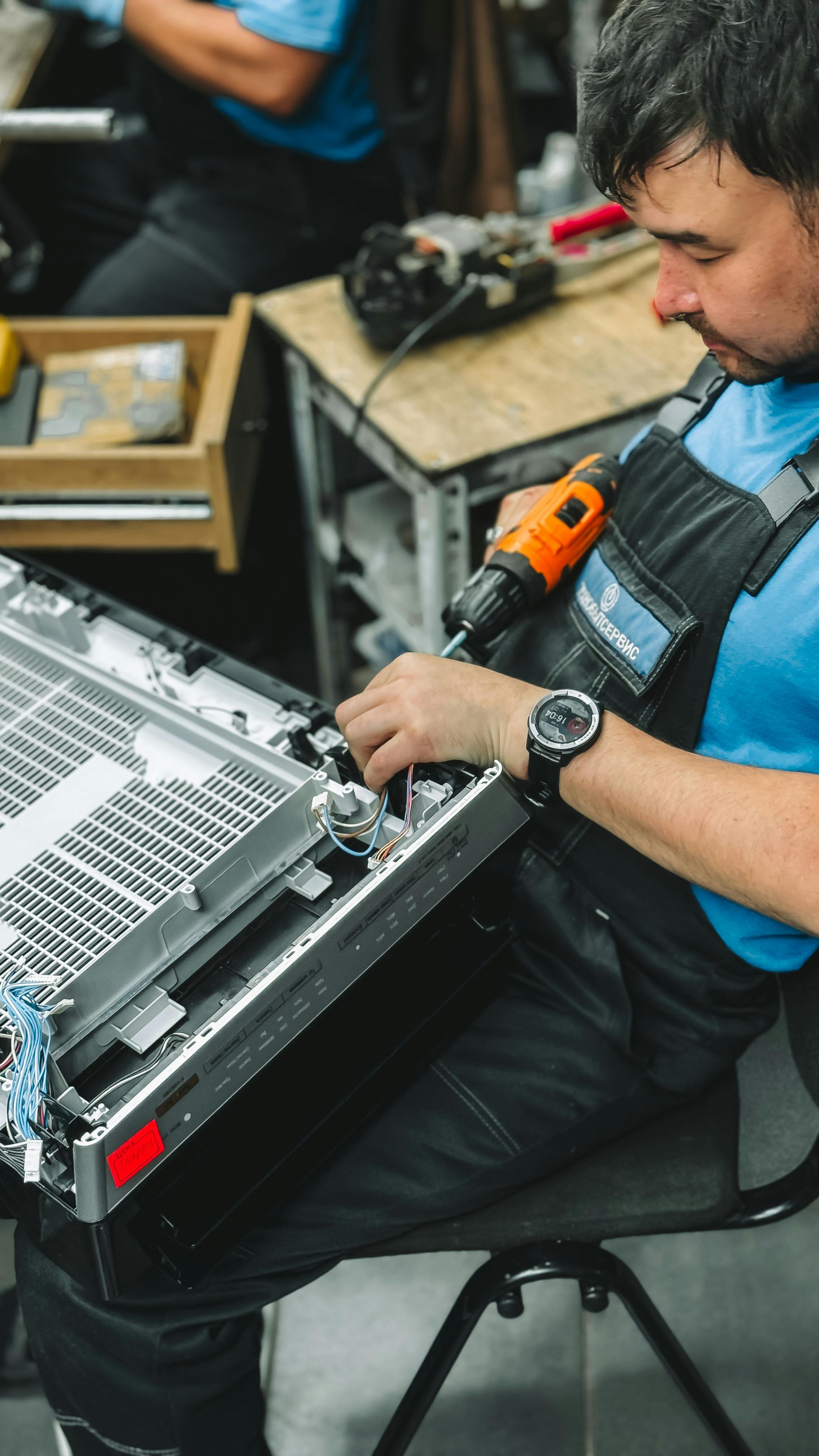
Courtesy of bulat36
What longer cycles and inconsistent results really mean for your home.
Performance loss in home appliances is rarely sudden. Most units don’t stop working overnight. Instead, they slowly become less effective while still appearing to function normally. Because the change is gradual, it often slips past notice until results are clearly worse or operating costs start climbing.
That slow fade is exactly why performance loss is so often ignored. A dishwasher that is slightly less effective this month than last month rarely triggers concern. A dryer that needs ten extra minutes feels like an inconvenience, not a warning. But these small changes are often the first visible signs that internal components are under strain or efficiency is dropping.
Catching performance decline early helps reduce repair costs, avoid disruption, and extend the useful life of your appliances. In many cases, early service turns a potential breakdown into a manageable maintenance visit.
What “Losing Performance” Actually Looks Like
Performance loss is about outcomes, not basic operation. An appliance can power on, run its full cycle, and shut off normally while still delivering weaker results. From the outside, everything looks fine. The difference shows up in what you get at the end.
Homeowners usually notice performance loss through patterns rather than single events. One weak cycle may not mean much. Repeated weaker results usually do.
Common signs include:
Cycles taking longer than they used to
Needing to repeat cycles to get the same result
Clothes still damp after a normal dry cycle
Dishes that need rewashing
Uneven cooking or inconsistent browning in the oven
Food sections in the refrigerator feeling warmer or colder than expected
Another overlooked signal is behavior drift. You may find yourself adjusting settings more often, choosing longer cycles, or adding extra time just to reach the results you used to get automatically. That adjustment habit is often a clue that performance has shifted.
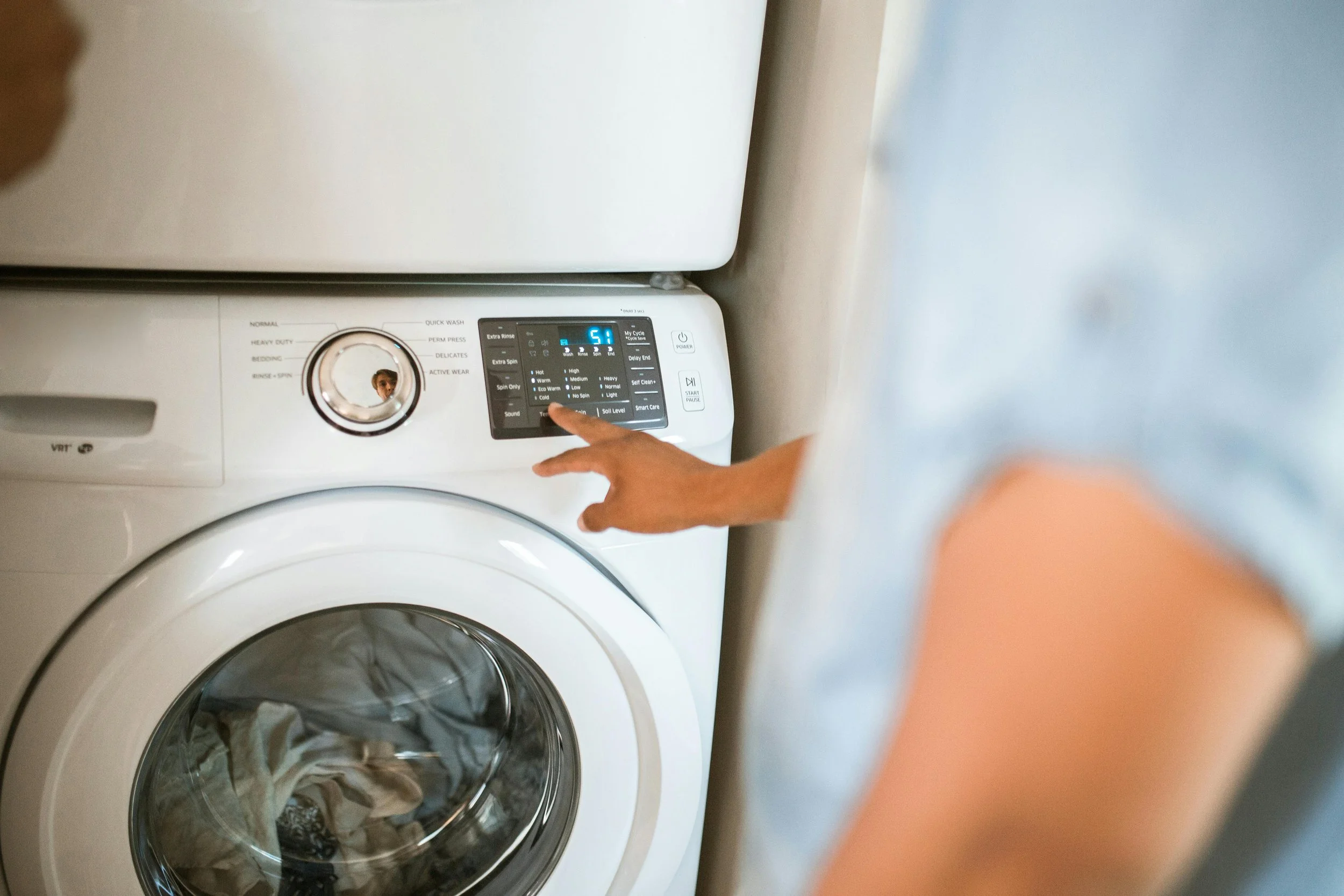
Courtesy of RDNE Stock project
Service guidance across the industry consistently treats longer run times and inconsistent results as early indicators of decline, even when no error codes or hard failures appear.
Why This Happens Over Time
Gradual performance decline is a normal result of real world use. Appliances operate under heat, vibration, moisture, and load. Over time, those forces take a toll.
One factor is simple mechanical wear. Moving and heat producing components slowly degrade through normal operation. They rarely go from perfect to failed in one step. More often, they continue working at reduced efficiency first. That reduced efficiency shows up as longer cycles, weaker heating, slower movement, or reduced output.
Usage patterns also matter. Frequent operation, oversized loads, and back to back cycles increase internal strain. Even appliances designed for regular household use experience higher stress under heavier routines.
Performance loss also comes from small restrictions and buildup that develop gradually. Examples include:
Dust collecting on condenser coils
Lint buildup reducing airflow
Filters slowly clogging
Residue from detergent or minerals
Grease or food particles restricting spray paths
Each issue alone may only reduce efficiency slightly. Combined, they can noticeably change results.

Courtesy of Ronaldo Guiraldelli
Environment plays a role too. Temperature swings, humidity, and ventilation conditions can affect how hard an appliance has to work to maintain proper operation. When conditions are less favorable, small inefficiencies become more visible.
Appliances Where Performance Loss Shows First
Performance decline tends to appear earliest in appliances that run frequent cycles and depend on airflow, water movement, or steady heat output. These units provide regular feedback through results, so changes are easier to spot.
Washers often show early signs through longer cycles, weaker spin results, or excess moisture left in fabrics. Odor can also develop when internal residue or standing moisture is present.
Dryers commonly reveal performance loss through extended drying times. Loads that once dried in one cycle may start needing two. Airflow restrictions and heating inefficiencies are common contributors.
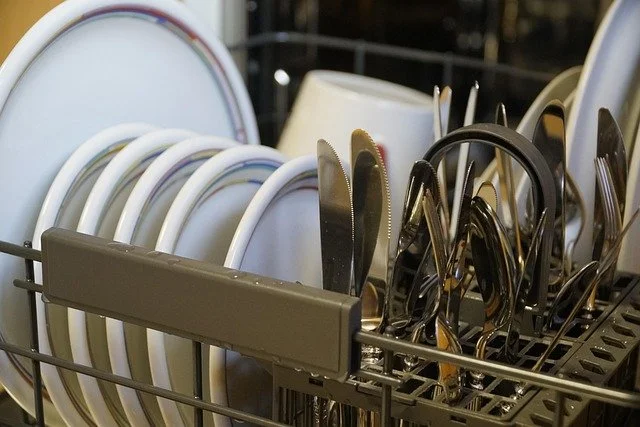
Dishwashers may begin leaving residue or film on dishes when spray arms, filters, or water flow become partially restricted. The unit still runs, but cleaning quality drops.
Refrigerators can show performance drift through uneven temperatures or longer run times. Homeowners may notice certain sections cooling differently than others.
Ovens often show decline through slower preheat times or uneven cooking results. Recipes that once behaved predictably may start requiring adjustment.
None of these changes automatically mean failure is imminent. They do signal that attention is worthwhile.
Why Early Attention Matters
Early attention changes the repair equation. When performance issues are addressed at the first signs, fixes are often smaller and more targeted. Cleaning, calibration, airflow correction, or replacing a single worn component can restore normal operation.
Waiting too long allows strain to spread. When one part struggles, related parts often work harder to compensate. That added load increases the chance of a more complex failure later.
Early service helps homeowners:
Reduce the chance of sudden breakdowns
Avoid emergency scheduling situations
Keep energy and water use more predictable
Protect connected components from excess strain
Maintain consistent household routines
There is also a planning advantage. Non urgent maintenance checks can be scheduled at convenient times instead of during a disruption. Slower service periods, including January and February, are often practical windows for inspections and performance checks before peak failure seasons arrive.
Think of it as listening for the whisper instead of waiting for the alarm.
If you’re not sure about how your appliances are behaving, it’s better to check. Instead of putting it off, call for a maintenance check. If nothing’s wrong, then you’ve put your mind at ease. If there is something going wrong, then you can find it before your appliance actually breaks.
You can reach out to Appliance Rescue Service, and trust us to help put your mind at ease. We’ll work with you to find a time that fits your schedule, and send one of our experienced technicians to figure things out.
Call:(214) 599-0055
Website
Additional Reading
3 Keys to Maximizing your Refrigerator's Potential
Outdated Kitchen Appliance Trends
Feeding the Future: How 3D Printing is Revolutionizing the Food Industry