
A full freezer holds about 48 hours without power. Here’s how to stretch that.
It’s October, so everyone is in a mood for scary things here lately. Horror movies, fun costumes, and all manner of spooky stories. However, one story that may actually come to your home as a bit more than a simple tale is a power outage. Outages are always a rough time, breaking out all the batteries and oil lamps and bundling up to stay warm in the colder months of the year are never fun. What about things that need to stay cold, though? Freezers are one of the most important things to perform some outage prep for, given that a good amount of food stocked up is always vital. So, today, we will be diving into some tips to make your freezer—and the food stocked inside—just that little bit more prepared for the power to go out.
Before the Lights Go Out
First off, we should talk about what you can do long before anything happens. As the old saying goes, an ounce of prevention is worth a pound of cure, so it’s always a good idea to take a bit of time to think about things you can do to make sure that your food stays frozen even when there’s no electricity to make it happen.
Pack Your Freezer Smart
One big thing that you can do is do a quick run of insulating your freezer, as well as changing the positioning of some foods. Insulating the inside of your freezer is rather straightforward: Place the things that you absolutely do not want to thaw towards the middle, and make sure that there’s something that you don’t mind losing between the important stuff and the freezer wall. A fantastic food to put on the outside is bread, since frozen bread isn’t too tragic to lose, and will help keep your more critical things, frozen meat especially, protected. On the subject of that frozen meat, make sure that things are placed smartly. Find your foods that thaw the most slowly, and distribute them evenly. If you have all of your slow-thawing foods, like whole chickens and turkeys, all placed together, they aren’t doing anything to make sure that your other foods don’t spoil.
Plan Your Meals Around the Outage
Next, invest some time into planning out how you’re going to prepare things during an outage, so that you don’t have to open up the fridge or freezer more than is absolutely necessary. The more times you open them up, the more heat you’re allowing into the freezer, causing foods to thaw and spoil faster. One thing we can recommend on this front is to plan around eating your foods that will spoil sooner first. Make sure you save the things that hold well, and eat the more volatile stuff before it has a chance to spoil. A meal plan for what’s in your freezer, or at least for what will spoil first, minimizes what you lose.
Get a Freezer Thermometer
Another vital thing will be having some way to accurately check the temperature. Investing in a good set of fridge and freezer thermometers will help you immensely, giving you a way to quickly check the temperature every couple of hours, without taking too much extra time, and without the guesswork of going by feeling alone. Make sure that you place them at the front or top of your fridge or freezer where they are immediately visible.
Keep Something Cold on Hand
Finally, having something cold to bridge the gap of the power outage, like some gel packs or a good amount of ice, will save you a lot of headaches later down the line when you’re worrying about food safety. Although our goal is to keep your food safe, we do ask that you always remember ‘when in doubt, throw it out’ as we head into this next section.
Once the Power Is Out
Now, we get onto the things to do after you’ve lost power. This is where we get into the long haul things, for hours or days without reliable electricity in the home.
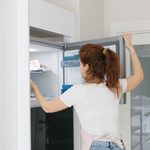
One of the biggest things you need to do is know where your fastest-spoiling things sit inside of the fridge, because after about four hours, those will be kaput. Remember, in your freezer, if you keep the door closed, you have a 48-hour window for a full freezer, and a 24-hour window for a half-full freezer. Once power is lost, if you need food, get it and get out. You’re fighting against the clock, so you want to keep both of them closed as much as possible. One big recommendation we have is that, if you have fish in the freezer, either cook it up immediately or be prepared to throw it out. While you do have a two-hour window after it comes up to 40°F, it’s not something you want to risk. If you don’t have any ice or other cold packs in the freezer, make sure to check your other perishables, like meats, eggs, and vegetables, because these tend to go quickly.
The One Thing Not to Do
Next, one thing we can finally tell you to absolutely not do: Moving things from your fridge to your freezer. All this accomplishes is warming up the food in the freezer, rather than keeping the refrigerated goods cold. Your freezer houses potentially more than a month’s worth of food, your fridge probably only has a couple weeks’ worth in it at maximum. Taking the minor loss for the major win is a better strategy than possibly spoiling everything you have.
Safe Temperatures and the Danger Zone
In this phase, your focus should be keeping your fridge under 39 degrees Fahrenheit, and your freezer at or below 0°F, that way your food stays within the safe area. That being said, food can, in theory, live in the ‘danger zone’ of 40 degrees or higher for about two hours before it has to be written off. If your freezer gets above this temperature and then power comes back on within two hours, you can likely let it re-freeze, but make sure to check everything after temperatures have returned to that safe range in case you had an unknown hot spot.
If Your Freezer Still Won’t Cool Down
Power outages are awful, but hopefully, with these tips, we can save you a bit of time and stress over how to keep your food safe. But, if you find the power comes back on and your freezer still isn’t getting cold, it might just be time for someone to come and look for a deeper problem. If you find yourself with a faulty freezer, or any other failing appliances, feel free to give our technicians at Appliance Rescue Service a call so we can come in and help you get everything back on track!
Website
Business # (214) 599-0055