
Warning signs, hidden hot spots, and when to call a professional.
Pet hair isn’t the same as ordinary lint, and if you share your home with a dog or cat, your dryer needs more attention than the average household’s.
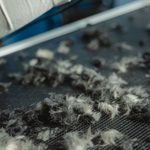
That might sound silly. You run loads of laundry through your washer and dryer every week, covered in your own hair and stuff from all over town. Human hair ends up in the lint trap too, but we don’t shed at anywhere near the level our pets do. Pet hair is also longer than standard clothing or bedding lint, and it moves more freely when the dryer tosses it around. That lets it weave together with lint and other debris into mats that collect in your dryer and vent line. Those two traits, length and free movement, are why pet hair is such a danger and why pet owners need to be more cautious with their dryers.
We’ve covered dryer fires on this site before: what to look out for, how many fires start every year from a clogged lint trap or vent line [link], and how different types of dryers carry different levels of risk [link]. Pet hair is the piece we haven’t covered.
With the weather finally turning cooler and heaters about to come on, fire safety is on our minds, and dryers are an overlooked part of it. Don’t worry, we’re not going to tell you to stop using yours. We’ll walk you through the warning signs to watch for before pet hair becomes a problem, where it accumulates in your dryer, how to clear it from your lint screen and vents, and when you need a professional versus what you can handle yourself.
Warning Signs Before Pet Hair Becomes a Problem
When you have a pet, or multiple pets, the hair and fur they produce becomes almost invisible. Unless friends, family, or unexpected guests are coming over, you don’t really see the piles of it around your home. You might think about it once a week at most: Oh, I should sweep that up. That level of background noise is exactly what turns pet hair into a dryer problem, because you don’t notice it going through the washer and dryer either.
Start with performance. If you smell something burning when you run your dryer, if your clothes are taking longer to dry, or if they come out so hot you have to wait before you can fold them, you likely have a buildup of debris, lint, and pet fur in your dryer.
Next, look for buildup you can see, because it means the buildup inside is even worse. Check the area around the dryer door seal. If you see a lot of fur there, it isn’t getting swept out through the lint trap. The same goes for the floor behind the dryer and the area around the outside vent. The dryer isn’t disposing of the fur, so it collects.
Then check the vent itself. If you can reach your exterior vent, go outside while the dryer is running. If there’s no airflow, the vent line is blocked. Unusual heat coming off the outside of the dryer is another warning sign.
Finally, watch your house. It’s easy to think your dryer only heats up the laundry room, but when it works properly, it also removes moisture. If the vent is clogged, it can’t get rid of either the heat or the moisture. A really damp laundry room, condensation on the walls and ceiling, or musty odors you can’t place spreading through the house are all signs there’s an issue with your dryer.
Where Pet Hair Accumulates in Your Dryer
Now let’s look at the dryer itself. The obvious spot is the lint screen and the lint trap housing it sits in. Beyond that, pet hair collects in the area around the dryer, as we mentioned, the vent line leading out of the dryer, and the exterior vent cap. In all of these places, pet hair and the mats it forms can and will accumulate.
The lint screen only stops around 50% of the fur and hair that reaches it, because pet hairs are so fine. It’s even worse when you’re washing items with lots of fur, like your dog’s bed or the blanket they love to cuddle with. Pet hair also tends to recirculate in the drum over and over until it gets stuck somewhere. That sounds obvious, but it means you could have hair building up from three loads ago and not notice it.
How to Clear Pet Hair From Your Lint Trap and Vents
Start by gathering your vacuum and a scrub brush that you’ll use only for this process. Before you do anything else, unplug the dryer. If you have a gas dryer, shut off the gas supply as well.
- Clean the lint screen. Vacuum it, then scrub it with soap and warm water. Rinse it thoroughly and set it aside to dry while you tackle the rest of the dryer.
- Vacuum the lint trap housing. Use a thin attachment and get into the corners as best you can. You might even consider a bottle brush.
- Clean the dryer hose. Unclamp or unscrew the hose from the back of your dryer, then vacuum both the exit from the dryer and the hose itself.
- Vacuum the exterior vent. If you can reach it, vacuum the vent outside as well.
If you’re a pet owner, do these steps at least once every six months. A household without pets can get away with once a year. If you have multiple pets or heavy shedders, bump that up to once every three months.
A few other tips:
- Wash the lint screen once a month, just like we did in step one.
- Use wool dryer balls. They help your clothes dry by keeping them tumbling, and they’re great for collecting fur while they do it.
- Vacuum your laundry room, especially around the washer and dryer, to keep pet fur from getting into the system from the outside.
- Don’t overload your dryer. It increases lint and hair accumulation.
- Wipe down the drum after drying pet bedding. A damp cloth will get out some of the worst of it.
When to Call a Professional vs. Do It Yourself
We’d argue you can handle quarterly cleaning yourself. But if you smell burning, stop using the dryer and call a professional immediately.
A professional can get to areas you can’t with household tools, using specialized brushes, air agitators, and other specialized equipment. Some houses have a corrugated hose that leads out of the dryer and directly outside, and that you can clean yourself. But if your vent goes through a wall instead, the vent line is inaccessible and you need a professional. The same goes for cleaning behind wall panels or within ductwork, if you have a ducted dryer.
There’s also a component called a booster fan. If it’s covered in pet hair, it hinders performance and airflow.
If you’re regularly cleaning your lint screen and wiping down the drum, your dryer will do better. If you also clean out as much as you can every three months, you may be able to stretch the time between professional cleanings, though we’d still recommend having a professional look at your vent line periodically. If you don’t want to, or can’t, make time for cleaning, we suggest scheduling a professional cleaning every year to keep you and your pets safe.
We all love our animals and love having them as part of our lives. Pet fur comes with that, and it isn’t going anywhere. What you can control is what happens to it once it reaches your laundry: keep the lint screen clean, watch for the warning signs, and don’t wait on a burning smell.
Appliance Rescue Service doesn’t cover vent cleaning or dryer hose cleaning, but we can help with other issues with your dryer. If you’re still smelling burning even after cleaning everything properly, stop using the dryer and reach out today to set up an appointment with us so we can figure out what’s going on.
Call: (214) 599-0055