
From smart coffee grinders to robot grill scrubbers, here is what these viral home gadgets actually do and whether they make sense.
Spend enough time around home appliances, and you learn that every generation believes it has finally invented the machine that will eliminate housework. The names change. The screens get brighter. The word “smart” gets bolted onto the front. But the promise is usually the same: buy this gadget, press a button and reclaim several precious minutes of your life.
Some of these Kickstarter projects may actually earn their keep. Others appear to have identified problems most homeowners did not know they were supposed to have. From automated ironing machines and robot grill scrubbers to a device that examines your groceries with a pocket spectrometer, here are 11 upcoming home gadgets, what their creators say they do and whether the ideas pass the old kitchen-table sniff test.
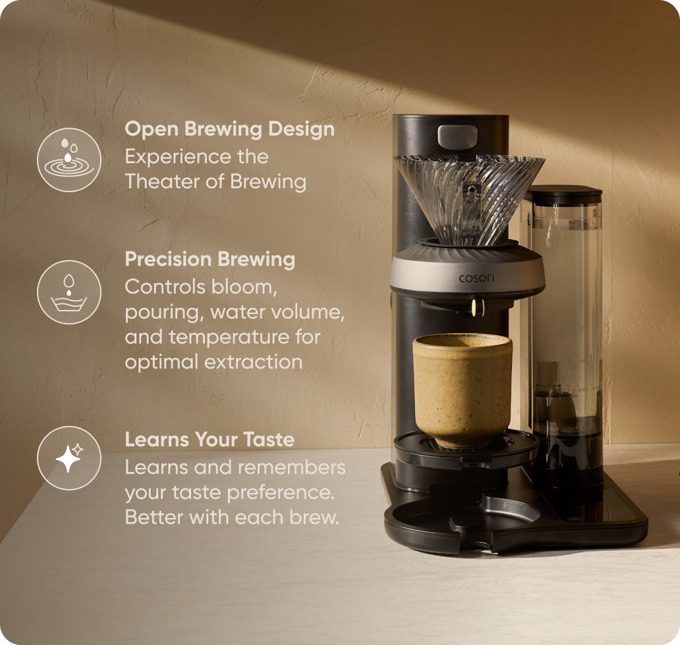
NEXGRIND PRO Smart Coffee Grinder
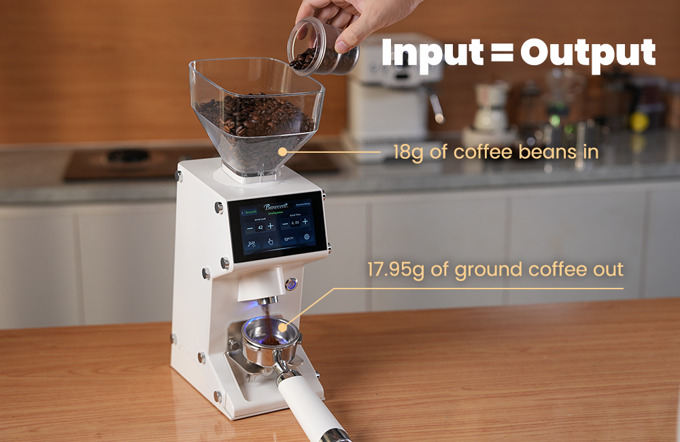
The NEXGRIND PRO is a high-end digital coffee grinder offering 240 grind settings, a 500-watt motor, a 50-millimeter flat burr set and a 4.3-inch touchscreen. Instead of twisting a manual adjustment collar and hoping you remember where you left it, users select a grind setting electronically. The motorized adjustment system is supposed to calibrate the burrs automatically, while a patented knocking mechanism helps dislodge grounds that would otherwise remain trapped inside the machine.
Coffee grinders have come a long way from the little countertop contraptions that sounded as though they were chewing gravel. Precision matters, particularly for espresso, and repeatable electronic adjustment could be useful for someone who regularly changes brewing methods. Still, 240 settings are more than most households will ever need. The burr alignment, grind consistency and long-term availability of replacement parts will matter far more than the touchscreen. Coffee equipment has taught us one reliable lesson: a machine can offer enough settings to launch a satellite and still make mediocre coffee if the basic mechanics are not right.
FixtyFixty G1 Electric Cleaning Brush
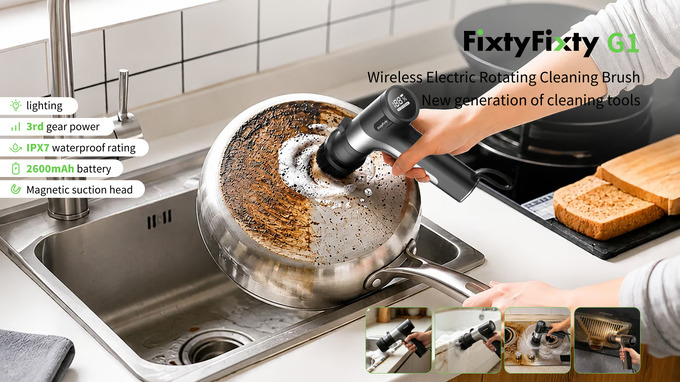
The FixtyFixty G1 is a rechargeable electric scrubber intended to tackle grease and other stubborn household messes. It uses interchangeable magnetic brush heads, includes an adjustable LED work light and carries an IPX7 waterproof rating, meaning the body is designed to withstand wet cleaning conditions. The pitch is essentially that the spinning brush supplies the elbow grease while the user guides it over cooktops, tile, sinks and other surfaces.
Electric scrubbers are not a new invention, but that does not make them useless. Anything that reduces repetitive wrist movement can be welcome when someone is dealing with baked-on kitchen grease or a large tiled shower. The magnetic heads and built-in light are sensible refinements. My concern would be whether the motor has enough torque to keep spinning under pressure, because that is where many rechargeable scrubbers surrender. They perform beautifully in the demonstration, meet one genuine casserole stain and begin reconsidering their career choices.
Jetro Refrigerator Purifier
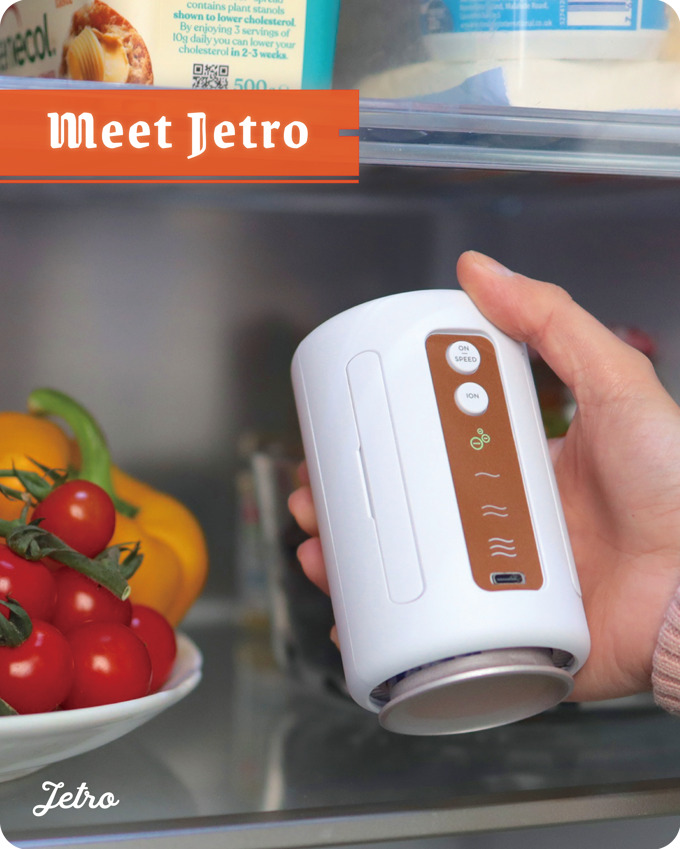
Jetro is a rechargeable purifier about the size of a soda can that sits inside the refrigerator. Its creators say a fan directs refrigerator air through a washable ceramic filter coated with titanium dioxide. Visible blue light activates a photocatalytic reaction that is intended to break down certain bacteria, odor-producing compounds and ethylene, the naturally occurring gas that encourages many fruits and vegetables to ripen. Jetro also releases negative ions, which attach to airborne particles and encourage them to settle rather than continue circulating. It is advertised to run for up to seven days per charge and does not use UV-C light or disposable filters.
So, how in the world is this supposed to work? The photocatalytic part is at least based on a real process: light activates a catalyst, producing reactive compounds that can break down molecules contacting its surface. The harder question is how effectively a can-sized, battery-powered device can move and treat all the air inside a crowded household refrigerator. The negative-ion portion is less persuasive as a food-preservation feature because ions generally cause particles to settle onto surfaces; they do not make yesterday’s lettuce young again. Jetro may reduce some odors and circulating contaminants, but claims about extending food life will depend heavily on airflow, food type, refrigerator temperature and independent testing. I would not use it as permission to ignore spoiled food, dirty shelves or a refrigerator running above 40 degrees.
TurBQ EcoFire Charcoal Igniter
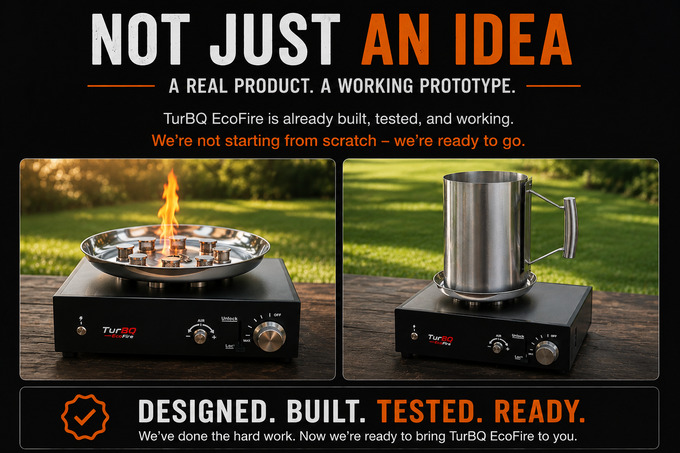
The TurBQ EcoFire is designed to get charcoal burning without lighter fluid or chemical fire starters. It combines a butane flame with powered airflow: the flame ignites the charcoal, while the forced air supplies additional oxygen and spreads the heat. According to its campaign, the coals can be ready in about five minutes without the lingering smell or flavor associated with lighter fluid.
This is one of the easier ideas to understand because it is working with fire rather than attempting to negotiate with it through an app. Charcoal chimney starters and electric igniters already solve the same basic problem, but a portable unit combining flame and airflow could be useful for campers or homeowners who do not have an electrical outlet near the grill. The questions are practical ones: how evenly it ignites a full load, how much butane it consumes and how well the fan survives heat, soot and grease. Nothing here violates the laws of nature, which already puts it ahead of several products on this list.
BRIZZON Grill-Cleaning Robot
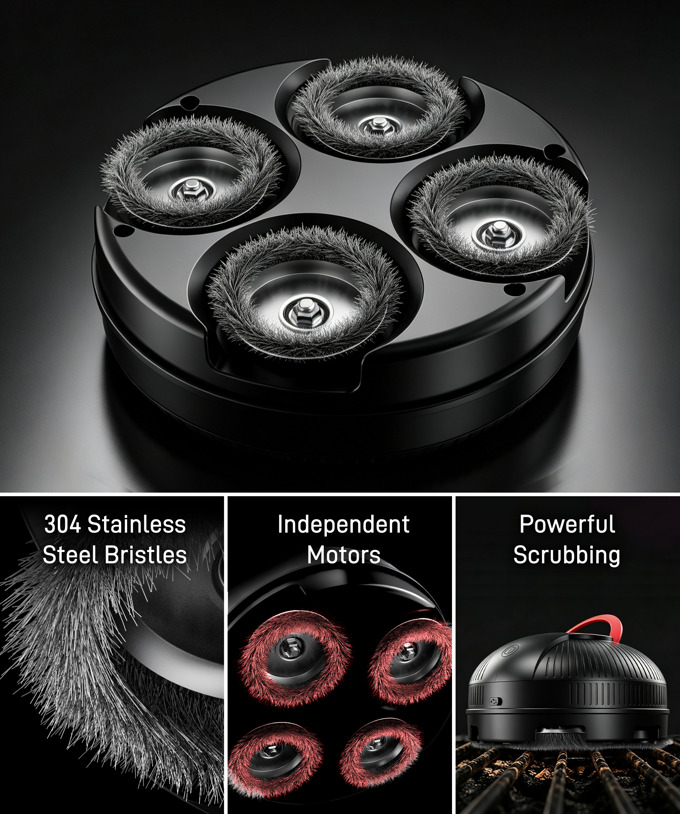
BRIZZON is a rechargeable robot that travels across cooled grill grates while four rotating stainless-steel brushes scrub away grease and carbon. Four independent motors help it move and recover when it encounters an obstacle, and users can choose cleaning cycles ranging from 10 to 60 minutes. The machine is waterproof and washable, but it is intended for covered grills, smokers and other cooking surfaces with edges that prevent it from wandering onto the patio.
I understand this one completely. Nobody finishes a cookout, looks at a greasy grill and thinks, “Wonderful, now for the rewarding part.” BRIZZON will not necessarily reach every corner or remove material below the grates, and the grill must cool before the robot goes to work. But repetitive scrubbing is exactly the sort of job a small machine can handle. The fully washable body is particularly important, because any grill-cleaning robot that cannot itself be cleaned eventually becomes a motorized grease biscuit.
NooraSense Food Scanner
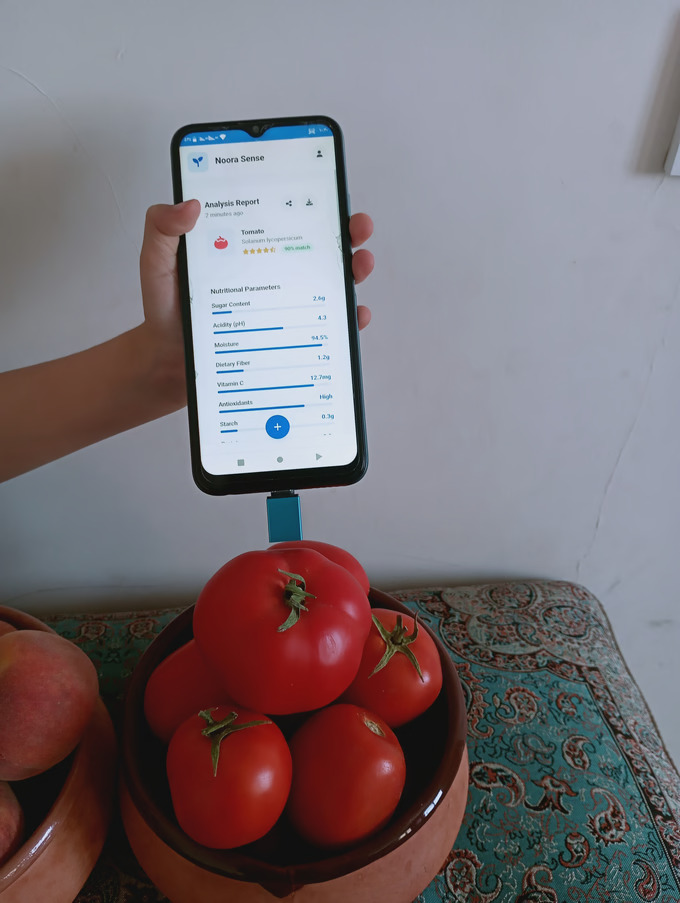
NooraSense is a small spectrometer that plugs into a phone and shines light at food. Different materials absorb and reflect different wavelengths, and the sensor is supposed to analyze that optical pattern using artificial intelligence. Its creators say it can provide information about qualities such as freshness and ripeness and may help identify adulterated or fraudulent foods. In other words, it is attempting to shrink a type of laboratory optical analysis into a consumer phone accessory.
And here we arrive at the “WTH?” table. The underlying science is real; spectrometers are used throughout agriculture, manufacturing and food testing. The consumer proposition is where the wheels begin to wobble. A scanner is only as trustworthy as its calibration data, sample library, testing method and ability to account for varieties, temperatures, surfaces and storage conditions. A tomato does not become objectively fresh because a phone accessory gives it a green check mark. Unless the company publishes strong independent validation for each claimed use, this feels like an expensive way to replace your eyes, nose, common sense and the date you opened the package. We have officially made sniffing leftovers too analog.
Einsen Automated Smart Iron
Einsen is a countertop garment machine that automatically feeds, steams and presses clothing. The garment is placed on a special hanger and guided into the unit, where rollers, heated plates and superheated steam are intended to smooth the fabric from multiple directions. The company says it can produce a dry, pressed garment in roughly a minute and is designed for fabrics including cotton, linen, polyester, wool, denim and rayon.
Automatic ironing has been the white whale of laundry appliances for decades. Pressing a flat napkin is easy. Handling collars, cuffs, sleeves, buttons, pleats and different fabric thicknesses is where machines start writing resignation letters. Einsen’s roller-and-steam approach is more convincing than an inflated garment bag, and it could be valuable for people who wear pressed shirts daily. Still, I would want to see how it handles awkward seams and delicate details over hundreds of cycles, not just one cooperative shirt in a campaign video. When a device uses very hot steam and moving rollers, safety sensors and access to service are not optional footnotes.
ICEMAGE QuickFreezer 2nd Generation
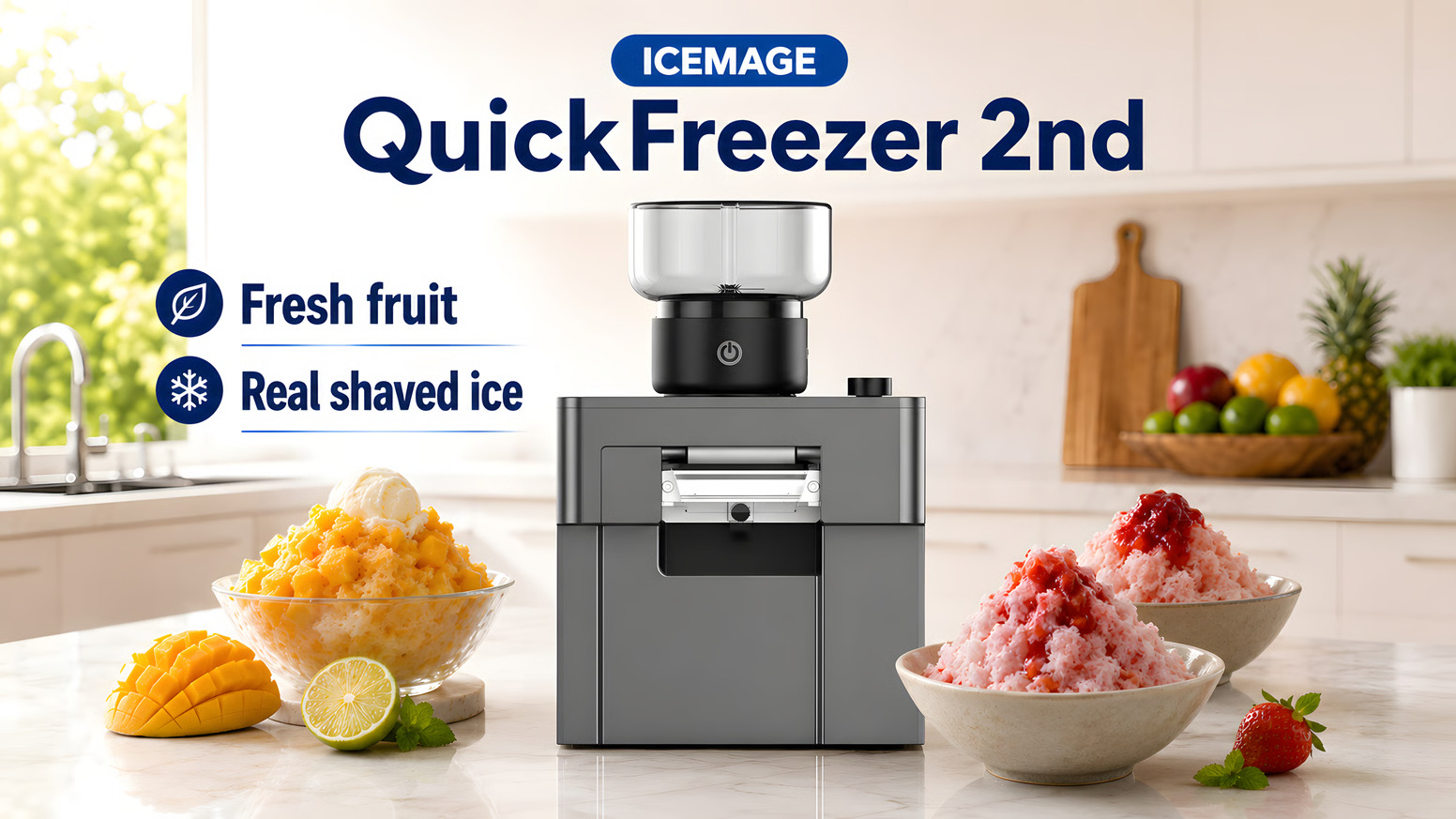
The second-generation ICEMAGE QuickFreezer is an all-in-one fruit blender and shaved-ice maker. Users blend fruit or other ingredients, freeze the mixture in the machine’s compatible containers and then feed the frozen result through a shaving mechanism to produce a fine, snow-like dessert. The concept is to create flavored ice from whole ingredients rather than pouring syrup over plain shaved ice.
This is not a revolution in refrigeration, but it could be fun. Combining preparation and shaving in one system removes a few steps, and using fruit mixtures gives homeowners more control over ingredients. The real test will be texture consistency and cleanup. Frozen fruit can be hard on motors, blades and drive assemblies, particularly when users ignore fill lines or freeze mixtures with too little liquid. Every frozen-dessert appliance eventually encounters someone who believes the instruction manual is merely a collection of timid suggestions.
Kara Pure 2 Air-to-Water Dispenser
Kara Pure 2 is a freestanding appliance that extracts moisture from the surrounding air and converts it into drinking water. It uses a desiccant material to attract water molecules, then heats and purifies the collected water before passing it through ultrafiltration and UV treatment. Minerals are added afterward to improve taste and produce alkaline water. Kara says the machine can generate up to 10 liters per day, although output varies with temperature and humidity.
Air-to-water equipment is legitimate technology, and Dallas certainly supplies enough humidity to keep one entertained. But this is not free water floating down from the heavens. The machine reportedly draws up to 588 watts, requires filter changes and depends on environmental conditions. It makes more sense where drinking-water access is limited or bottled-water use is unusually high than it does as a universal replacement for a municipal tap and a good filtration system. I would also separate the useful function, producing purified water, from the wellness confetti surrounding alkaline water. The appliance should be judged by output, energy use, sanitation and operating cost, not by how many health halos can be balanced over the dispenser.
Dryvera Smart Drying and Ironing Station
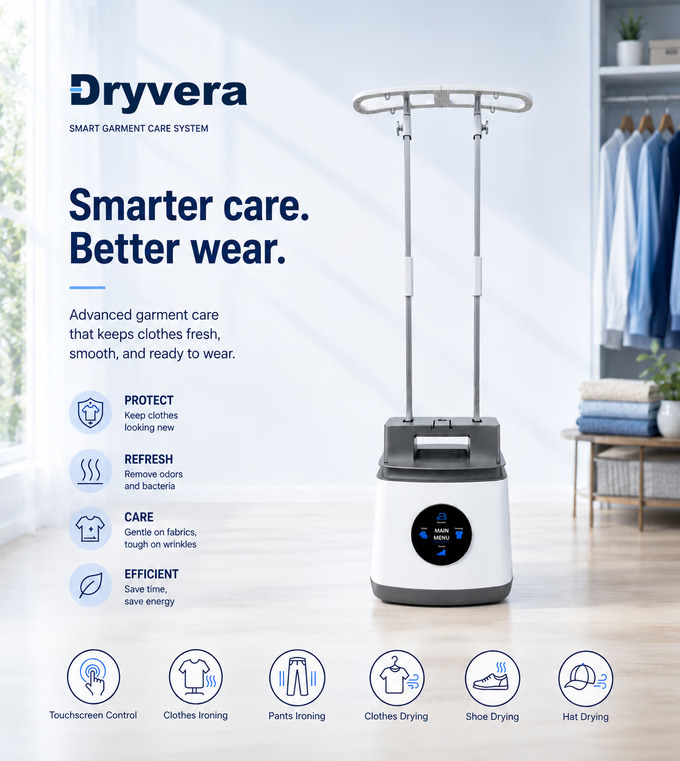
Dryvera is a compact garment-care station designed to dry damp clothes, release wrinkles and care for items that do not tumble gracefully in a conventional dryer. Clothing is placed over an inflatable form, and warm circulating air expands through the garment to dry and smooth it. Attachments allow the station to handle trousers, shoes and hats as well as shirts and jackets.
Compared with Einsen, this is the gentler and mechanically simpler approach. It is essentially a more versatile version of the inflatable shirt dryers that have appeared, disappeared and reappeared for years. It may do a good job on casual shirts and garments that need wrinkles relaxed rather than sharply pressed. Do not expect it to produce military creases or crisp dress-shirt collars. Still, for apartments, travel wardrobes or households that air-dry delicate clothing, it may be useful. Sometimes an old idea does not need reinventing. It merely needs better storage and fewer tubes flapping around the laundry room like an airport windsock.
BUBBLY BUBBLY Sourdough Fermentation Assistant
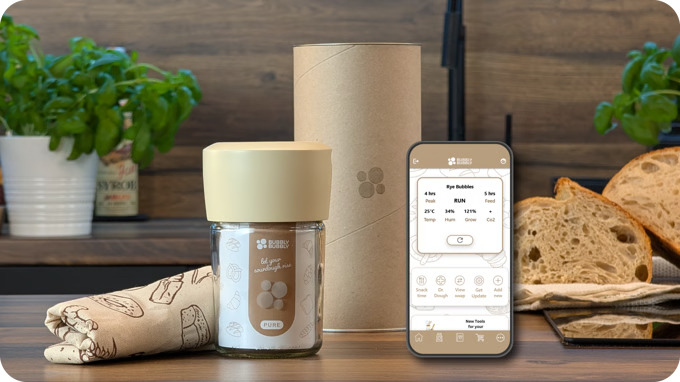
BUBBLY BUBBLY is a sensor that monitors the carbon dioxide produced by an active sourdough starter. Because yeast and bacteria release CO₂ during fermentation, the device tracks changes in gas levels and sends real-time activity information to an app. The aim is to help bakers identify when a starter is active, slowing down or ready to use without relying entirely on visible rise, room temperature or a collection of marks drawn on the jar.
Of all the sensors on this list, this one is measuring something directly relevant to the process it claims to monitor. Carbon-dioxide production does tell you that fermentation is occurring. Whether most home bakers need a dedicated electronic supervisor for a jar of flour and water is another question. Experienced bakers already watch rise, bubbles, aroma, temperature and timing. Beginners may appreciate the additional guidance, but there is something wonderfully excessive about giving sourdough its own telemetry system. The starter has been promoted from countertop pet to NASA payload.

Clever Appliance or Countertop Clutter?
Kickstarter has always been part workshop, part showroom and part carnival barker. That is what makes it interesting. Products such as the grill-cleaning robot, charcoal igniter and sourdough sensor begin with recognizable household problems and apply technology in reasonably understandable ways. Others ask homeowners to trust complicated claims that may be difficult to verify outside a laboratory or a perfectly staged demonstration.
Before backing any crowdfunded home gadget, look beyond the touchscreen and the phrase “world’s first.” Ask what parts will wear out, how the product will be cleaned, whether replacement filters or accessories will remain available and who will repair it when the campaign team has moved on to its next invention. Forty years of appliances have proven that the cleverest feature in the world cannot rescue a weak motor, a fragile hinge or a company that no longer answers its email.
Your major appliances deserve the same practical attention. Strange noises, weak cooling, poor drying and inconsistent heating rarely improve through optimism. Appliance Rescue Service repairs refrigerators, freezers, dishwashers, washers, dryers, ovens, ranges, stoves and ice makers throughout Dallas, Frisco, Plano and surrounding communities. Contact ARS when an appliance starts behaving like a failed Kickstarter prototype, and let an experienced technician determine whether it needs maintenance, repair or a dignified retirement.