
Every week, it feels like a new “genius” home hack is making the rounds — Pinterest has it, TikTok has it, your aunt shared it on Facebook with seventeen exclamation points. And every week, we see the wins. The hacks that actually worked, the “why didn’t I think of this sooner” moments. What we don’t see nearly as often is a hack getting called out for being a total disaster — and when we do, it’s usually just one lone voice, not a real accounting of how many of these things simply don’t hold up.
So this week, we flipped the script. We went looking for the worst of the worst: the hacks that promised to save you time, money, or effort and instead left you with a ruined sweater, a stained toilet bowl, or a dryer full of wax. Some of these are laundry-specific, some are general cleaning and decor fails, and we’re bouncing back and forth between them — because honestly, bad hacks don’t stick to one room of the house.
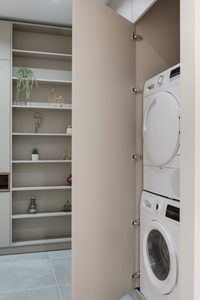
Dryer sheets. We’ve touched on this one before in a laundry-specific post, but it bears repeating: we’ve all been sold a lie, and a lot of us are still buying it. Dryer sheets leave behind a waxy film that coats the moisture sensor bars inside your dryer. Once that happens, your dryer starts misreading damp clothes as dry and cutting cycles short. According to Family Handyman, that same waxy film doesn’t stop at the sensors — it coats the entire interior of your dryer over time.
Pouring cola into your toilet. We’re genuinely unsure why anyone thought this would work, given that most toilets are white and cola is, well, not. Maybe it was the carbonation. The acidity can fade some light staining, sure, but it doesn’t clean anything or touch mineral buildup. What it can do is leave the bowl stained and coat it in a sticky, bacteria-attracting residue — which means you’re now washing it a second time anyway. At that point, what was the first pour even for?
Lemon wedges or lemon juice in the dishwasher. A lemon wedge tossed into your dishwasher might mask a bad smell for a single cycle if you’re lucky. But one wedge isn’t doing any real cleaning, and it’s far more likely to get lodged in your dishwasher’s filter than to do anything useful — which just sets you up for more bacterial buildup down the line. A lemon-scented power wash is the better call here.
Freezing liquid detergent into DIY pods. Honestly, we wish this one worked. Liquid detergent is so much cheaper than the pre-made pods, and the idea of freezing your own is appealing on paper. In practice, it doesn’t hold up — it’s more trouble than it’s worth and nowhere near as reliable as the real thing.
“Unshrinking” a sweater. As much as we wish this were possible, that sweater you accidentally shrunk in the wash is not coming back. There’s no shortage of techniques that claim otherwise — working conditioner into the fibers, soaking and stretching, specialty unshrinking products — but the Good Housekeeping Institute’s Textiles Lab tested dozens of methods and came up empty every time. The fabric may loosen temporarily, but the next wash sends it right back to its shrunken shape. Your best bet is just following the care label the first time around.
Mopping your walls with water. Most paint finishes — especially the flat and matte finishes that have been so popular lately — are not built to handle scrubbing. Beyond that, repeated water exposure that isn’t dried properly can lead to mold or even rot behind the wall surprisingly fast. If your walls need cleaning, water is not the low-effort shortcut it looks like.
Newspaper instead of paper towels for streak-free windows. This is one of those tips that just refuses to die, despite never having worked. Whether the newspaper is old or damp, it leaves behind ink and lint instead of the streak-free shine it promises. A microfiber cloth will actually get you there.
Microwaving a sponge to sterilize it. We get the appeal — sterilizing your sponge regularly really is a good habit. Microwaving just isn’t how you do it. Microwaves heat unevenly, which means plenty of bacteria survive the process anyway, and the heat that does get through degrades the sponge itself, causing it to break down and fall apart faster. Worse, unless your microwave’s interior is spotless, you’re just as likely to recontaminate the sponge with whatever’s already in there. Running it through the dishwasher is the safer, more effective option.
Lemon juice as a bleach substitute. Lemons do have a mild bleaching effect, but it’s inconsistent at best. What the acidity reliably does is weaken fabric fibers and cause uneven fading — a real problem for delicates, whose fine fibers are especially vulnerable to that kind of damage.
Using dishwasher tablets to clean your oven. Dishwasher tablets are built to break down in water inside a dishwasher — not inside an oven. Heat causes them to release fumes that are genuinely harmful to breathe, and on top of that, they can damage your oven’s seals and interior surfaces, leading to wear and tear you didn’t sign up for. A much safer (and easier) method: preheat your oven to around 200°F, place a basin of hot water inside, and let it steam for about 30 minutes. Once the time’s up, let the oven cool slightly, then wipe everything down with a rag. It’s a gentler process, and it actually works.
The viral rainbow toilet bowl trick. This one involves layering a rainbow of different cleaning products into your toilet bowl because it looks pretty — and the logic seems to be that if it looks like it’s working, it must be working. It isn’t. Mixing cleaning products like this risks releasing toxic, potentially fatal gases into your bathroom. Please don’t try this one.
Tossing the whole detergent cap into the wash. This used to make some sense as a way to get every last drop of detergent out of the cap. We’ve since learned a few things that change the math. First, most detergent containers have a built-in drain under the cap — flip the cap over after use and it drains right back into the bottle. Second, washing the cap itself causes the plastic to break down over time, leading it to crack and shed bits into your laundry. And third, that breakdown happens faster than it used to because modern washers use far less water than older models — instead of rinsing the cap clean, they just tumble it around like a rock in a tumbler. If you’re trying to get the very last of the detergent out of the bottle, do what your grandparents did: flip the whole bottle upside down onto its lid and let gravity do the work.
Fabric softener sponges as a reusable dryer sheet swap. This one circles back to our very first point: dryer sheets don’t do your dryer any favors. These reusable sponge versions don’t either — and instead of just gunking up your dryer, they take your clothes down with them. The conditioner they release leaves behind oily spots and can even rub old dryer drum residue back onto your clothing. It’s a loss on every front: no money saved once you account for the damage to your dryer and your clothes.
Where do these even come from?
Digging through all of this left us with one real question: where does a bad hack like this even start? Most trace back to social media, TikTok especially — which both does and doesn’t surprise us. But several of these predate social media by a long shot. Microwaving a sponge, cola in the toilet bowl, newspaper on windows, lemon juice as bleach — these are old folk remedies. So old, in fact, that we couldn’t track down an original source for any of them. They just keep getting recycled, shared again and again by people chasing views or engagement, without realizing how old — or how genuinely damaging — these “hacks” actually are.
We’re not here to tell you to stop hunting for ways to save time or money. We spend plenty of our own time trying to bring you legitimate versions of exactly that. But as the old adage goes: look before you leap. Just because something’s racking up views on TikTok doesn’t mean it’s going to work in your kitchen or your laundry room.
And if any of these hacks have already done a number on your appliances, don’t panic — reach out to Appliance Rescue Service. We’ll find a time that works with your schedule and get things back on track.
Website
Call : (214) 599-0055