The small mistakes you make every day can lead to damaged components, fire risks, and a microwave that quits before its time.
Your microwave isn’t dying of old age. It’s dying of you.
That’s a little dramatic, sure. But most of the “my microwave just stopped working” stories we hear aren’t really mysteries once you look at how the thing’s been treated. A few habits — some so ordinary you don’t even clock them as habits — are doing more damage than a decade of regular use ever would. And once the school year kicks back in and the microwave becomes command central for kids reheating their own lunches and after-practice snacks solo, those habits get a lot more reps.
Not all of them are equally guilty, though. Some are messy or mildly unsafe for you. Others are actually shortening the machine’s life. Here they are, ranked from the one that’s mostly a food-safety issue up to the one that can take your microwave out entirely.
1. What You’re Putting In There
This is the mildest offender on the list, mostly because it’s more about what happens to you in the moment than long-term damage to the appliance.
Whole eggs with the shell on are the classic surprise — steam builds up faster than it can escape, and the egg basically becomes a small bomb. Crack it into a bowl and pierce the yolk first if you want a microwaved egg that stays in the microwave.
Grapes have a similar reputation, and it’s earned — heated whole, they can generate actual plasma, complete with visible sparks. Iron-rich, dry vegetables like spinach and kale can spark too, along with green beans, bell peppers, and carrots, likely because they pull metal-based minerals up from the soil as they grow. Even a hot dog can arc, thanks to concentrated salt and preservatives. The common denominator is dry, exposed, pointy-edged food sitting alone on a plate — the same piece of kale smothered in sauce is far less likely to spark than one heated dry and by itself.

Hot peppers are a different kind of problem: heating them releases capsaicin into the air, and it doesn’t dissipate — it concentrates. Open the door too soon and you’ll get a faceful of something close to pepper spray.
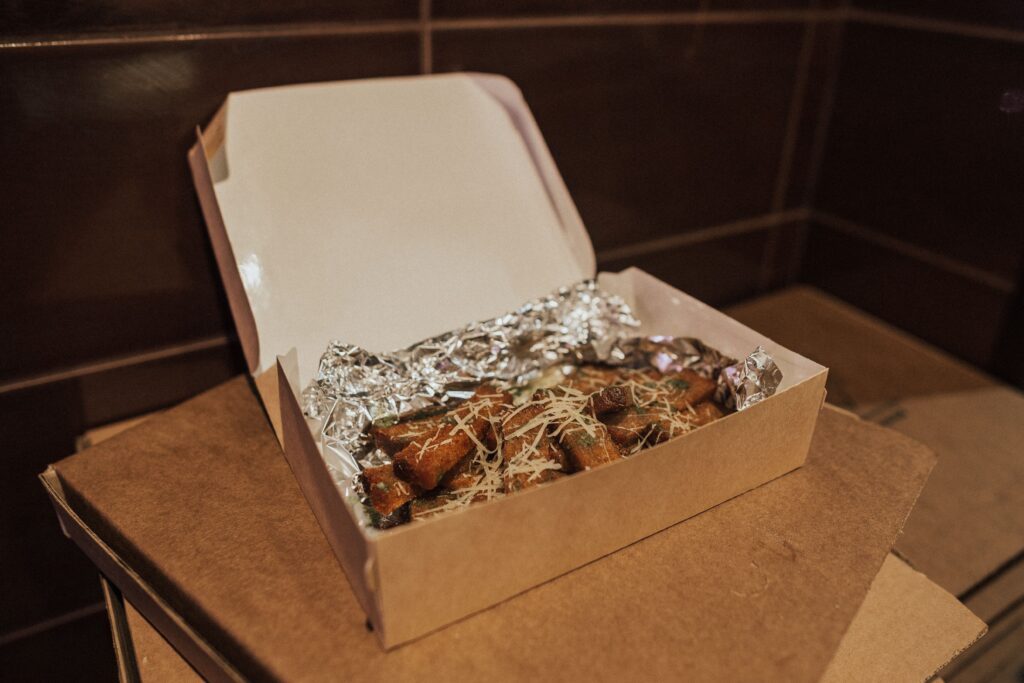
Then there’s what you’re heating things in. Standard paper bags and anything with newsprint can release toxins or ignite. Styrofoam wasn’t built for microwave heat unless it’s specifically labeled safe, and it can melt or leach chemicals into food. Plastic takeout containers, shopping bags, and anything without a “microwave-safe” stamp fall into the same category — warping, melting, or releasing chemicals, especially with fatty or greasy foods that run hotter.
None of this is likely to take down your microwave. It’s more likely to take down your afternoon.
2. Slamming the Door
Every slam works the door mechanism harder than it’s built for, and those parts don’t have unlimited slams in them. Components can wear or crack, and if the latch eventually breaks or the seal gets damaged, you’re not just dealing with an inconvenient door — you’re dealing with a safety issue. Microwave doors have to seal completely to keep radiation contained; the same energy that heats your food can also burn skin and tissue if it’s leaking out. If your door has started sticking, not latching cleanly, or not shutting all the way, don’t chalk it up to age. Get it looked at.
3. Microwaving the Wrong Metal
Foil, stainless steel lids and containers, metal travel mugs, takeout boxes with metal handles, gold- or silver-trimmed dishware, twist ties, staples, cooking probes — all of it belongs on the “keep out” list. Metal doesn’t absorb microwave energy, it reflects it, and that reflection is what causes arcing: visible sparks jumping between the metal and the interior walls. Thin, sharp-edged pieces spark the most, acting almost like a small lightning rod for the electric field inside. Enough arcing can damage the microwave’s interior — and if those sparks catch food splatter, you’ve got a fire risk on top of it. (Some newer microwaves technically tolerate smooth foil in specific situations, but unless your owner’s manual says so explicitly, don’t test it.)
4. Letting Spills Cook Themselves In
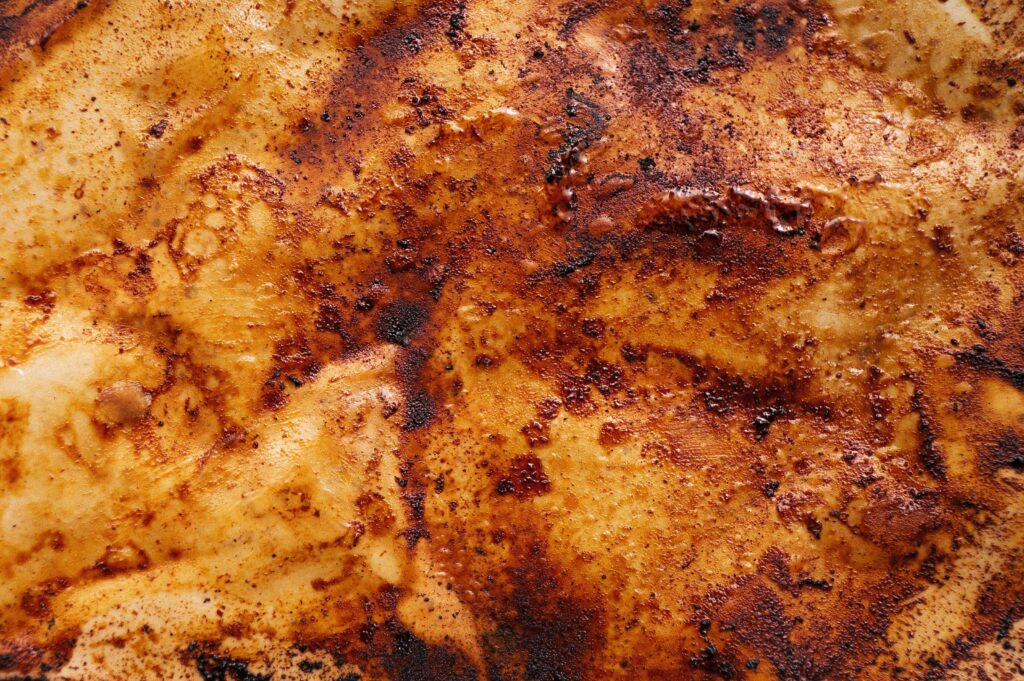
This one causes more damage than metal, mainly because it’s slower and easier to ignore. Splattered food left to sit dries onto interior surfaces, and that residue can absorb microwave energy it shouldn’t — which throws off your heating and creates uneven hot spots. Left long enough, hardened spills can damage the waveguide cover that protects the magnetron, and the combination of oil and dried liquid buildup can smolder or, in worse cases, catch fire. Wipe spills up as soon as they happen, give the interior a proper wipe-down weekly if you use it often, and don’t forget the turntable and the space underneath it — that’s where debris tends to hide. A bowl of water with a few lemon slices, microwaved for a couple of minutes, will loosen stubborn stuck-on gunk if it’s already hardened.
5. Running It Empty
The worst habit on this list, hands down. A microwave needs something inside — food, liquid, anything — to absorb the energy it generates. Run it empty and the magnetron ends up absorbing its own output, similar to flooring a car engine with no oil in it. Things overheat fast, and components start failing.
Buzzing or humming during an empty run is an early warning sign. A burning smell is a bigger one — if you catch that, unplug the machine and have it looked at before using it again. Even short, accidental empty runs add up over time, quietly shortening the appliance’s overall lifespan run by run. If your household tends to forget, keeping a cup of water inside the microwave whenever it’s not in use is a cheap insurance policy — accidentally hit start, and the water absorbs the energy instead of the magnetron.
A couple of habits make all five of these less likely to matter: cover food before heating so it heats evenly and splatter stays contained, and give the microwave a minute or two of rest between back-to-back runs so heat doesn’t build up inside. Small adjustments, but they add up the same way the bad habits do.
Microwaves aren’t on our repair list — but fridges, dishwashers, ovens and ranges, washers, and dryers are. If one of those is giving you trouble, Appliance Rescue Service is a call away.